Month: February 2026

  • Why Staff Training Matters in Disability Services

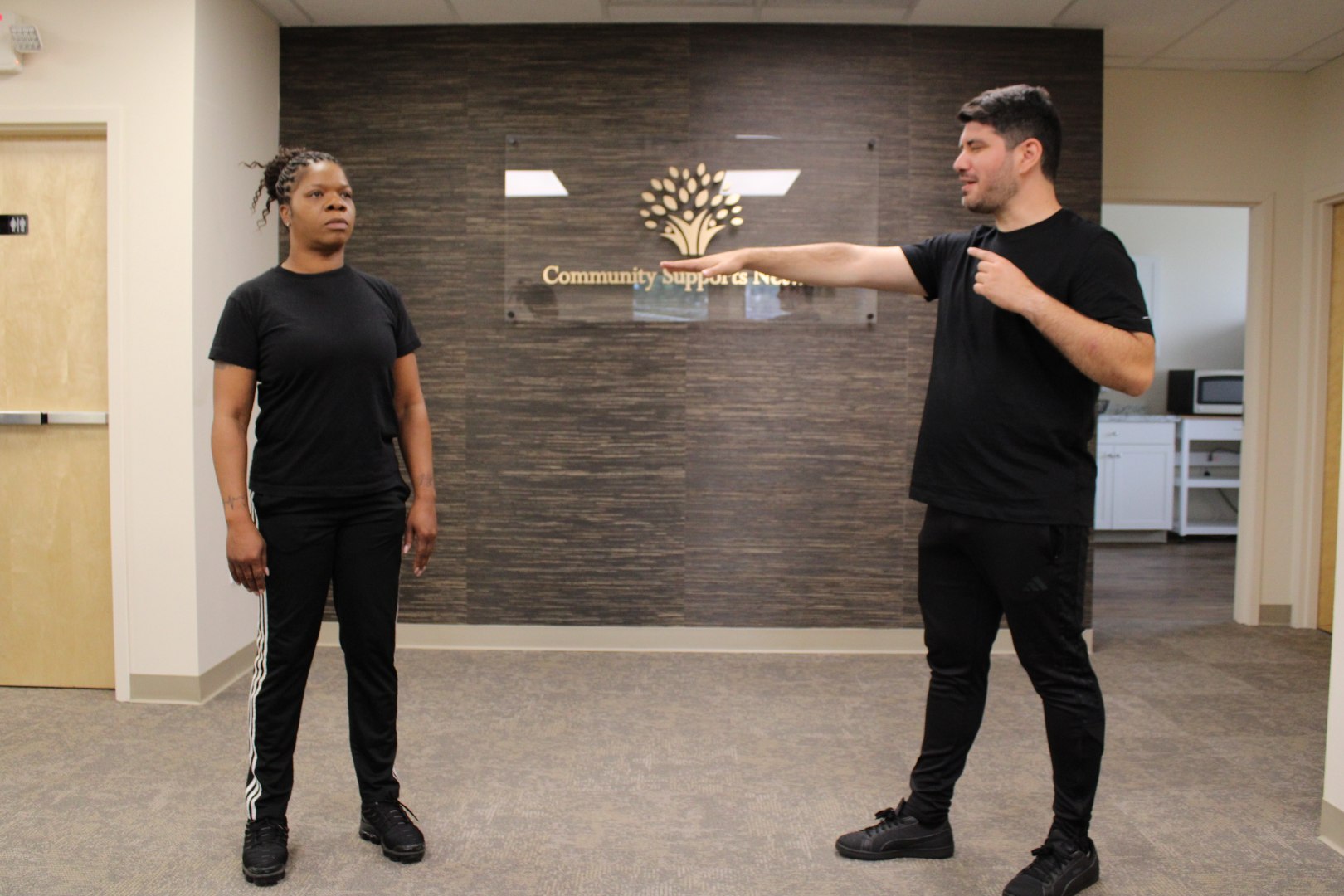
    Photo of CSN staff conducting a training exercise for their team members.  This build skill and competence levels for DSP personnel who then deliver better support for their clients who are typically disabled adults in need of skilled support services.

    When families choose a disability service provider, they are placing enormous trust in the hands of that organization.

    They are trusting that staff will communicate respectfully.
    That safety will be prioritized.
    That goals will be supported with care and professionalism.

    Behind every positive outcome in disability services is something that often goes unseen: ongoing staff training.

    At Community Supports Network (CSN), training isn’t a one-time requirement. It’s a continuous investment in quality, safety, and person-centered care.

    Disability Support Is Skilled Work

    There is a common misconception that disability services are simply about supervision or basic assistance.

    In reality, supporting individuals with disabilities requires skill, knowledge, adaptability, and emotional intelligence.

    Support professionals must understand:

    • Communication strategies across varying abilities
    • Positive behavior supports
    • Crisis prevention and de-escalation
    • Health and safety protocols
    • Documentation and compliance requirements
    • Cultural competency and inclusion

    Effective support is not improvised – it is learned, practiced, and refined.

    Training Protects Dignity and Safety

    Well-trained staff are able to respond calmly in high-stress situations, identify early signs of distress, and adapt support strategies appropriately.

    Training helps ensure that:

    • Interactions are respectful and person-centered
    • Boundaries are honored
    • Individual preferences are prioritized
    • Risk is managed without limiting independence

    When professionals understand both safety procedures and the dignity of risk, individuals are empowered — not controlled.

    Ongoing Education Builds Better Outcomes

    Disability services are not static. Best practices evolve. Policies change. Research grows. Community expectations shift.

    Continuous training allows organizations to:

    • Stay current with regulatory requirements
    • Strengthen communication practices
    • Improve employment support strategies
    • Enhance community inclusion efforts
    • Build leadership within support teams

    When staff grow professionally, individuals benefit personally.

    Training Strengthens Trust with Families

    Families want to know that the people supporting their loved ones are competent, compassionate, and prepared.

    Transparency about training requirements and ongoing professional development builds confidence. It signals that quality matters.

    At CSN, we believe that strong training programs create strong support teams — and strong teams create meaningful outcomes.

    Investing in People Who Invest in Others

    Direct Support Professionals and Job Coaches play an essential role in building independence, employment success, and community belonging.

    Investing in their growth is not optional. It is essential.

    Because high-quality disability services don’t happen by chance.

    They happen by design.

    And that design begins with education, preparation, and a commitment to excellence.

    EDITOR’S NOTE: Does this sound like something you would enjoy doing? We train our DSP’s to be able to do their best supporting our clients with special needs. If you are interested in joining our team as a DSP, please take a look at jobs listed on our DSP careers page.
  • Paramus High School Transition Expo

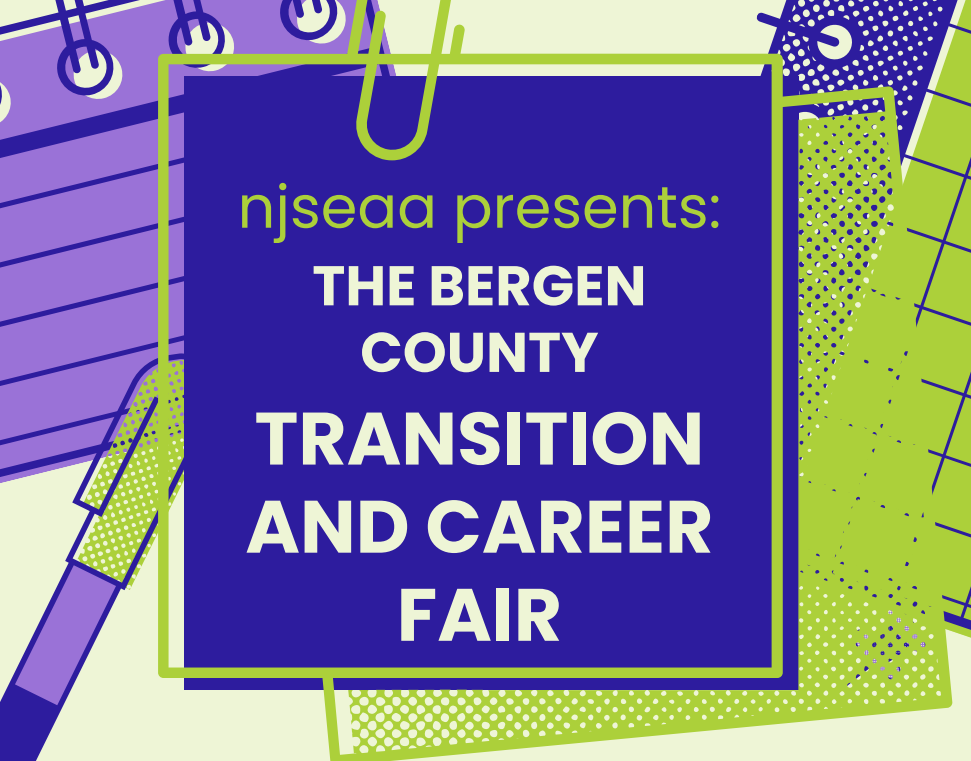
    Snapshot of artwork presented in the official flyer for the Bergen County Transition and Career Fair to be held on March 18, 2026 at the Paramus High School Gym from 6pm to 8 pm.  Copyright of this artwork belongs to the original creator of this content, we are republishing it as part of awareness campaign for this event which CSN will be participating in.

    We are excited to announce that CSN will be joining others presenting at the NJSEAA/DVRS (Bergen County) Transition Fair on Wednesday March 18th at the Paramus High School!

    The Fair will be open to the public free of charge from 6:00 to 8:00 p.m. on the evening of Wednesday, March 18th in the Paramus High School’s gym.

    Exhibitors will arrive beginning at 5p.m. to set up their tables in advance of this event.

    Key Details

    • Venue: Paramus High School, 99 East Century Road, Paramus, NJ View on Google Maps
    • Time: 6:00 PM – 8:00 PM on March 18, 2026
    • What It’s About: Resources for post-secondary transition, including DDD supports, vocational training, and educational programs.
    • Participants: Over 60 vendors and support providers are expected to attend, including our own team from Community Supports Network!

    If you wish to contact the organizers of this event at the STRIVE team directly, please reach out to Caroline Kim, Transition Coordinator, via email ckim@ridgefieldschools.com or via telephone at 201-775-6454. You can also visit their website here.

    Finally, if you wish to speak to someone within the CAPE Resource Center at the Bergen County Special Services Schools (BCSS) regarding this event, please contact Nicole Fried at 201-343-6000 x4067.

  • Wayne Disability Expo

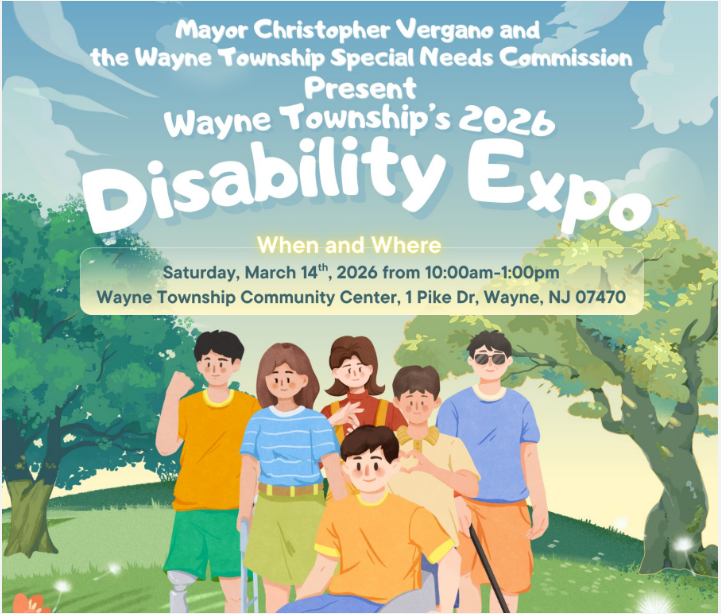
    We are excited to announce our booth at this amazing event! Our support professionals and management team will be there to answer your questions and share information about the services we provide for young adults with disabilities and their families.

    Please see below for more information and we hope to see you there on March 14, 2026!

    Poster announcing the Wayne Township's 2026 Disability Expo event.  We hope to see you there on March 14, 2026!

    Event Details

    WHEN: Saturday, 3/14/2026 from 10:00 AM until 1:00 PM

    WHERE: Wayne Township Community Center, 1 Pike Drive, Wayne NJ 07470. View map

    You can also find this event in our online event calendar! 🙂

  • Honoring Black History Month: The Intersection of Race and Disability

    Black History Month invites us to reflect on the resilience, leadership, and contributions of Black individuals throughout history. It is also a time to acknowledge stories that have too often been overlooked — including the experiences of Black individuals with disabilities.

    The intersection of race and disability tells a powerful story about advocacy, inequity, resilience, and progress.

    At Community Supports Network (CSN), we believe honoring history means recognizing the barriers that existed — and continue to exist — while committing to equity in the services we provide today.

    A History of Overlooked Voices

    Historically, both racial discrimination and disability discrimination have shaped access to education, employment, healthcare, and community inclusion.

    Black individuals with disabilities have often faced compounded inequities:

    • Limited access to quality healthcare
    • Disproportionate placement in segregated education settings
    • Underdiagnosis or misdiagnosis of developmental disabilities
    • Reduced access to early intervention services
    • Barriers to culturally competent care

    For decades, disability advocacy movements and civil rights movements ran on parallel tracks — but the voices at the intersection were not always centered.

    And yet, Black leaders with disabilities have played powerful roles in shaping advocacy across both movements.

    Leaders Who Shaped Change

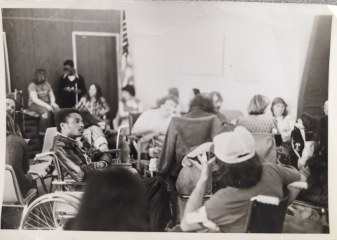
    Brad Lomax

    Black and white photo of Brad Lomax with other activists at the history 504 Sit-in of 1977.

    A member of the Black Panther Party and a disability rights activist, Lomax played a critical role in the historic 504 Sit-In of 1977, which led to enforcement of Section 504 of the Rehabilitation Act — a foundational civil rights protection for individuals with disabilities.

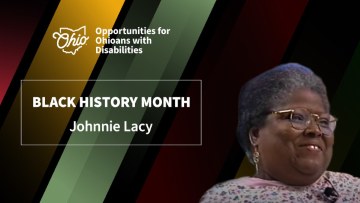
    Johnnie Lacy

    Image of Johnnie Lacy in honor of black history month.

    A leader in the Independent Living Movement, Lacy advocated for accessible housing and services while highlighting racial inequities within disability systems.

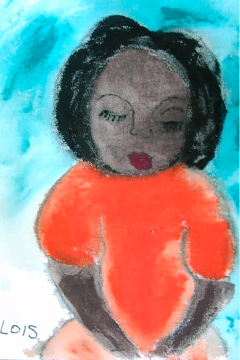
    Lois Curtis

    Image of painting depicting Lois Curtis in honor of black history month.


    Curtis was one of the plaintiffs in the landmark Olmstead v. L.C. Supreme Court case, which affirmed the right of individuals with disabilities to live in community-based settings rather than institutions.

    These leaders remind us that disability rights are civil rights — and that advocacy is strongest when it is inclusive.

    Where We Are Today

    Progress has been made, but disparities remain.

    Research continues to show:

    • Black children are more likely to face disciplinary action in schools rather than receive appropriate disability supports.
    • Black adults with disabilities experience higher rates of unemployment.
    • Access to culturally responsive services remains inconsistent.

    Understanding this history helps inform better practices today.

    Moving Forward with Equity

    At CSN, equity is not a seasonal conversation — it is an ongoing commitment.

    Providing person-centered services means recognizing the full identity of the individual — including culture, race, community, and lived experience.

    It means:

    • Practicing cultural humility
    • Listening without assumptions
    • Building trust with families
    • Ensuring access to community-based, inclusive services
    • Continuing education for support professionals

    When we acknowledge the intersection of race and disability, we strengthen our ability to provide truly inclusive care.

    Black History Month reminds us that progress is built through awareness, advocacy, and action.

    And that honoring history requires us to continue the work.

  • Person-Centered Planning Isn’t a Buzzword – Here’s What It Actually Means

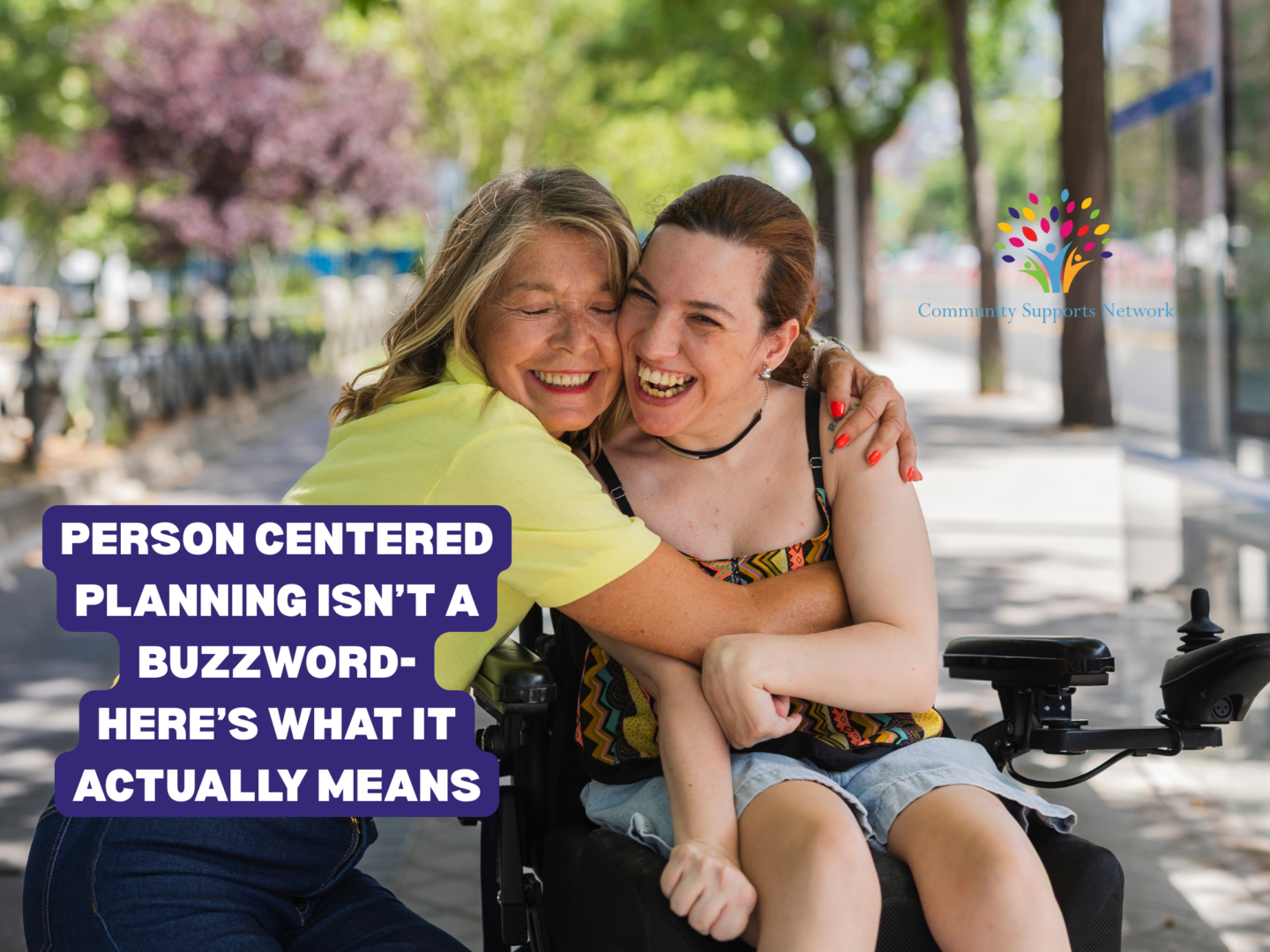
    Photo of a DSP joyfully hugging her client.  This moment embodies the essence of what person-centered planning really is all about.  It is far more than just making a list of planned activities.  It is how we show up together in support of one another.

    In the world of disability services, the phrase “person-centered planning” is everywhere.

    It appears in mission statements. It’s referenced in meetings. It shows up in documentation and training sessions.

    But what does it really mean?

    At Community Supports Network (CSN), person-centered planning isn’t a slogan. It’s the foundation of how we support individuals every single day.

    Person-centered planning means the individual is not just included in decisions — they lead them.

    It means support begins with listening.

    Not assumptions. Not checklists. Not systems.

    Listening.

    What Person-Centered Planning Is

    Person-centered planning is a collaborative process that focuses on an individual’s strengths, preferences, goals, and vision for their life.

    It asks:

    • What does a meaningful life look like to you?
    • What are your goals — big or small?
    • What environments help you thrive?
    • What kind of support feels respectful and empowering?

    Instead of designing services around what is available, person-centered planning designs services around what matters most to the individual.

    It recognizes that:

    • Independence looks different for everyone.
    • Growth is not one-size-fits-all.
    • Dignity is non-negotiable.

    The person is not a diagnosis. They are not a service plan. They are not a list of needs.

    They are a whole human being with preferences, dreams, relationships, and the right to direct their own life.

    What Person-Centered Planning Is Not

    It’s not completing paperwork and calling it a plan.

    It’s not deciding what’s “best” without meaningful input.

    It’s not focusing only on limitations.

    And it’s not creating goals based solely on what fits neatly into a program structure.

    True person-centered planning requires flexibility, creativity, and partnership. It sometimes requires slowing down. It requires humility. It requires trust.

    Most importantly, it requires believing that the person receiving services is the expert in their own life.

    What It Looks Like in Action

    Person-centered planning shows up in small, everyday moments.

    • It looks like honoring someone’s preferred communication style.
    • It looks like adjusting routines to match energy levels.
    • It looks like building employment goals around genuine interests — not convenience.
    • It looks like supporting friendships and community involvement that feel authentic, not forced.
    • It looks like asking before acting.
    • It looks like celebrating progress that matters to the individual — even if it’s invisible to others.

    At CSN, this philosophy guides how we approach supported employment, community-based services, and day-to-day support. Our role is not to control outcomes — it is to support individuals in building lives that feel meaningful to them.

    Why It Matters

    When planning is truly person-centered, outcomes improve.

    Confidence grows.

    Trust strengthens.

    Independence expands.

    Individuals feel seen — not managed.

    Families feel heard — not dismissed.

    Support professionals feel purposeful — not transactional.

    Person-centered planning isn’t about perfection. It’s about partnership.

    It’s about recognizing that every person deserves the opportunity to define success on their own terms.

    And it’s about building services that honor that right.

    At CSN, person-centered isn’t just what we say.

    It’s how we show up.

  • More Than a Dance: Why Inclusive Prom Nights Like Night to Shine Matter for Adults With Disabilities

    Every year, communities across the world come together for Night to Shine — an unforgettable, free prom-style celebration for teens and adults with special needs. What looks like a dance at first glance is actually something much deeper: a night that honors worth, builds confidence, and creates lasting joy for people who are too often overlooked.

    For adults with disabilities, events like Night to Shine are more than just a party. They are opportunities for connection, celebration, self-expression, and belonging — experiences that are vital to a full and meaningful life.

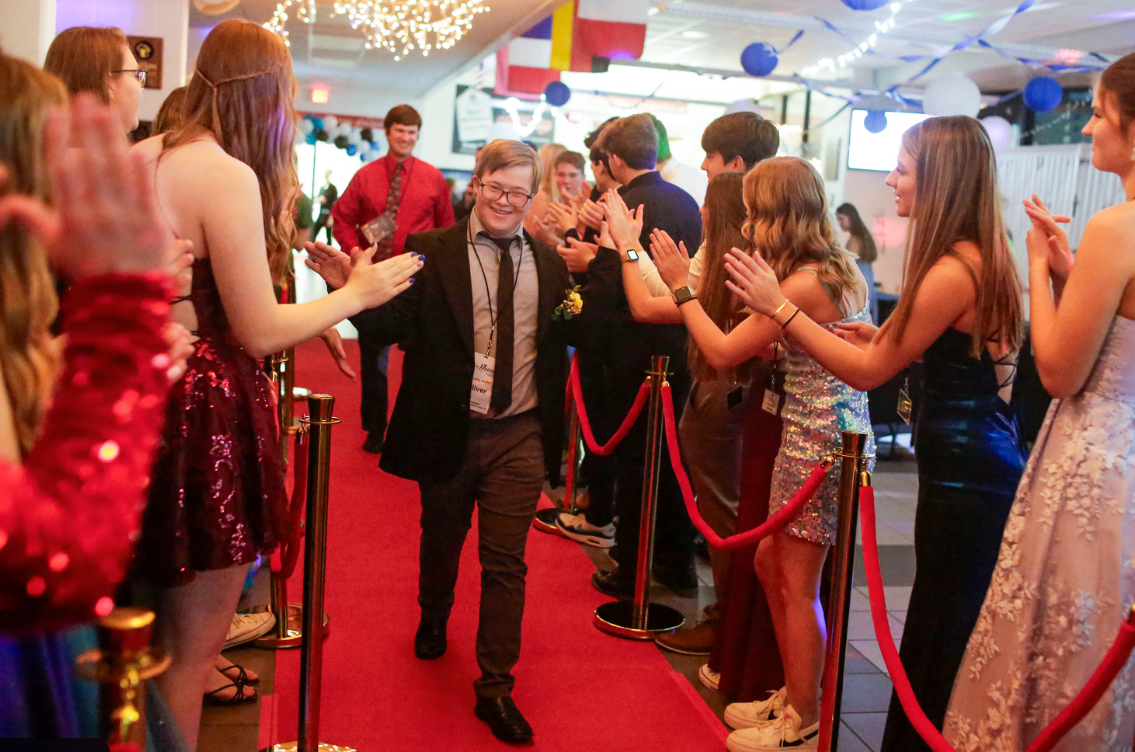
    Photo of a smiling young adult with disability walking on the promenade at a prom.  This exemplifies inclusive prom nights, which truly matter for adults with disabilities.  Events like Night to Shine are also a lot of fun!

    🎉 Why Inclusive Prom Matters

    Prom is a cultural milestone — a chance to dress up, be seen, celebrate with friends, and create memories. But for many adults with disabilities, traditional social events like this are rare or inaccessible due to physical, sensory, or social barriers.

    That’s where Night to Shine steps in.

    Instead of being an afterthought, adults with disabilities are front and center:

    • Red carpet entrances with cheering crowds and photos
    • Crowns and titles for every guest of honor
    • Music, dancing, and food
    • Volunteer support and sensory-friendly spaces
    • A community gathering that honors dignity and joy

    These events remind all of us that joy is essential, not optional — and that every person deserves to be celebrated exactly as they are.

    🌍 Night to Shine: A Global Celebration

    Hosted annually by the Tim Tebow Foundation, Night to Shine takes place on the Friday before Valentine’s Day in hundreds of host locations across the United States and around the world. It’s built on the idea that every human life is worthy of celebration.

    While each local event is unique, they all share one common goal: to create a night where adults and teens with special needs are treated as kings and queens for a night.

    You can learn more about the movement on the official event page: https://timtebowfoundation.org/night-to-shine/

    Locations For Our Readers in New Jersey

    If you are looking for a location to attend this event in northern New Jersey, here are a few:

    💖 How to Volunteer or Support

    Night to Shine thrives on community volunteers. If you want to be part of creating joyful, life-affirming experiences for attendees:

    1. Go to the Night to Shine site
    2. Select your host location
    3. Complete the volunteer form for that specific event

    Volunteers help with everything from red-carpet cheering and greeting to hair, makeup, limo rides, dancing, and sensory support.

    🎶 More Than a Dance — A Statement of Belonging

    Inclusive prom nights like Night to Shine are powerful because they shift culture — from passive acceptance to active celebration of people with disabilities. These events remind us that dignity, joy, and community are not extras; they are essential parts of life.

    At Community Supports Network, we believe in creating experiences that honor the full person. Whether it’s through social events, opportunities for connection, or everyday moments of support, we are committed to helping every person feel valued, seen, and celebrated — not just for one night, but every day.

  • How to Show Support That Feels Like Care (Not a Task)

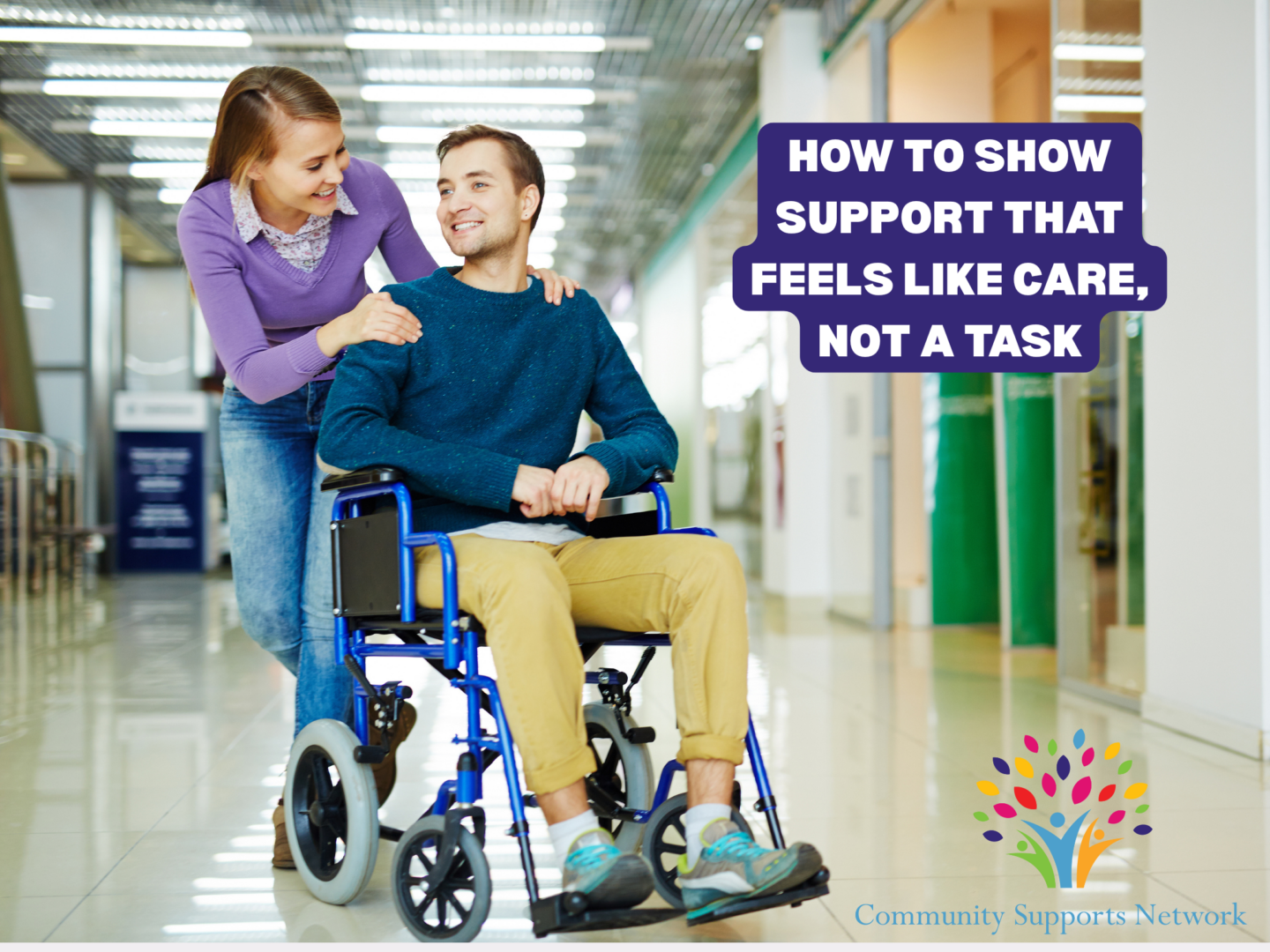
    Image of a Direct Support Professional with a disabled client, showing him support that feels like care, instead of a task.  This is love in action.  The image includes our CSN company logo in the bottom right corner.

    February often centers around love — but in disability support, love doesn’t show up as grand gestures or big moments.

    It shows up as care.

    Care is patient.
    Care is consistent.
    Care is person-centered.

    This Tip Tuesday, we’re focusing on simple ways to make support feel more human, more respectful, and more connected — especially during the colder, slower winter months.

    Tip #1: Lead With Warmth, Not Rush

    Winter routines can feel heavier. Mornings are darker. Energy is lower. Transitions may take more time.

    Support that feels like care starts with slowing down:

    • Give extra time for transitions
    • Use calm, reassuring language
    • Check in before moving on to the next task

    Warmth isn’t about doing more — it’s about being present.

    Tip #2: Personalize Support in Small Ways

    Feeling known is a form of care.

    That might look like:

    • Remembering how someone likes their coffee
    • Playing their favorite music during a routine
    • Asking about something they care about — and listening

    These small moments reinforce dignity and belonging.

    Tip #3: Choose Connection Over Control

    When days feel long or routines feel repetitive, it can be tempting to focus on “getting through the day.”

    Instead, look for moments to connect:

    • Share a laugh
    • Pause for a conversation
    • Follow the individual’s lead when possible

    Connection builds trust — and trust makes support more effective.

    Tip #4: Respect Emotional Needs (Not Just Physical Ones)

    February can be emotionally heavy for many people. Cold weather, shorter days, and changes in routine can affect mood and motivation.

    Person-centered support means:

    • Acknowledging emotions without dismissing them
    • Allowing space for off days
    • Offering support without pressure

    Care includes emotional safety.

    Tip #5: End the Day With Dignity

    How support ends matters just as much as how it begins.

    Before wrapping up:

    • Check in: “How did today feel for you?”
    • Offer reassurance for what’s coming next
    • Thank the individual for trusting you with their day

    Respect leaves a lasting impression.

    Why This Matters

    In disability support, love isn’t loud.

    It’s consistent.
    It’s respectful.
    It’s built in everyday moments.

    This February, let’s remember that support rooted in care, trust, and connection is what truly makes a difference.

    💙 Takeaway: When support feels like care, people feel valued — not managed.

  • The Importance of Trust in Disability Support Relationships

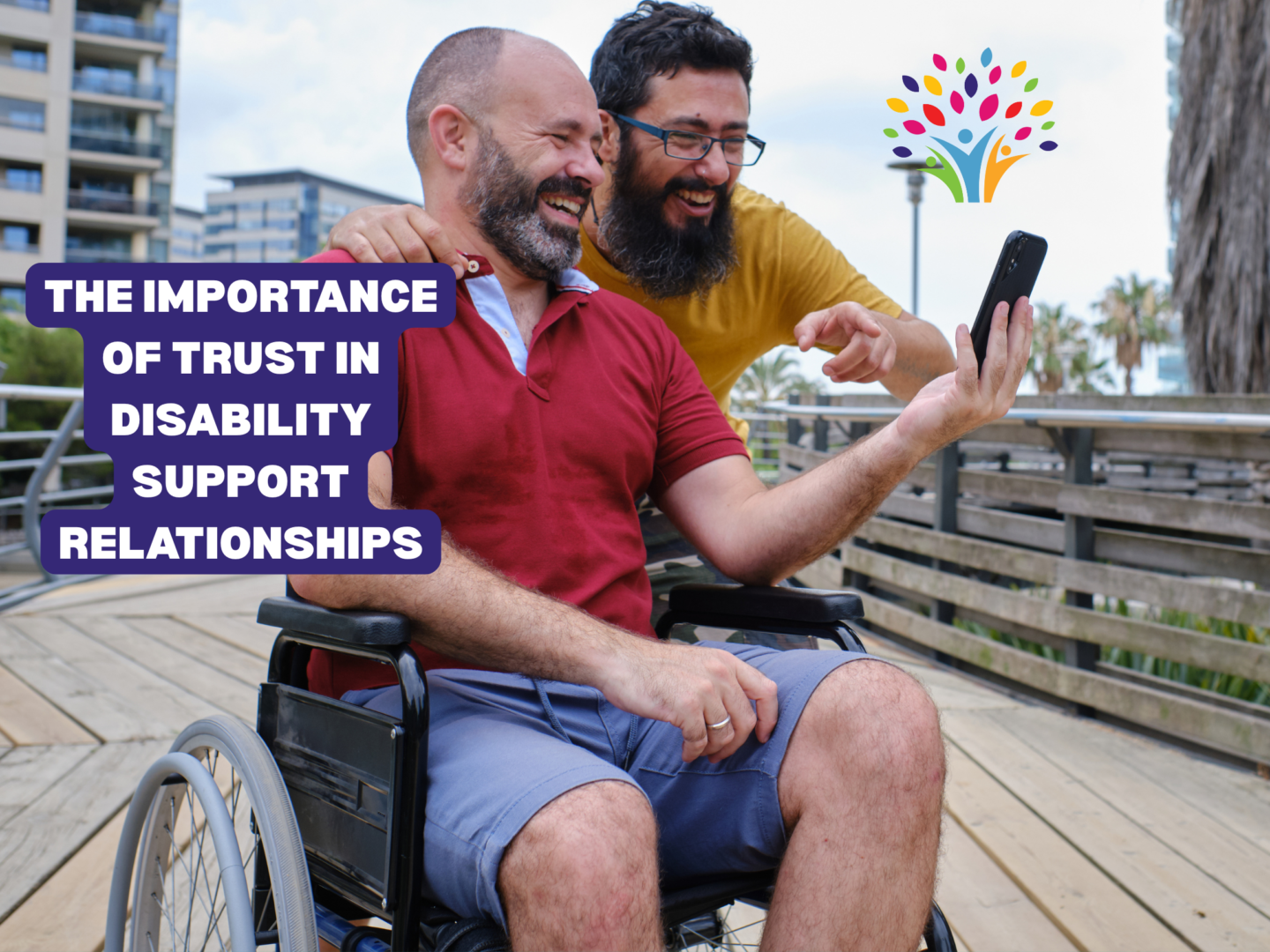
    Photo of a DSP with his client, with the words of "the importance of trust in disability support relationships" in bold font.

    At the heart of effective disability support is one essential element: trust.

    Trust is what allows individuals to feel safe, heard, and respected. It’s what turns support from a service into a relationship — and what makes growth, independence, and connection possible over time.

    At Community Supports Network, we see every day how trust shapes outcomes for individuals, families, and Direct Support Professionals alike. Without trust, support feels transactional. With trust, it becomes empowering.

    Trust Creates a Sense of Safety

    For many individuals with disabilities, the world can feel unpredictable or overwhelming. Changes in routine, unfamiliar environments, or new people can create anxiety and stress.

    Trust helps reduce that uncertainty.

    When individuals know that the people supporting them are consistent, respectful, and reliable, their nervous systems can relax. Feeling safe allows individuals to engage more fully in daily life — whether that’s trying a new activity, expressing a preference, or navigating the community.

    Safety isn’t just physical. It’s emotional. And trust is what builds it.

    Trust Is Built in Everyday Moments

    Trust isn’t created through big gestures. It’s built quietly, through consistency and follow-through.

    It looks like:

    • Showing up when you say you will
    • Listening without judgment
    • Respecting boundaries and preferences
    • Explaining changes instead of surprising someone
    • Following through on commitments

    These small, repeated actions send a powerful message: You matter. You can count on me.

    Over time, these moments add up to strong, meaningful relationships.

    Trust Supports Communication and Self-Advocacy

    When trust is present, communication becomes easier and more honest.

    Individuals are more likely to:

    • Express their needs and preferences
    • Ask for help when they need it
    • Share concerns or discomfort
    • Advocate for themselves

    Trust gives people confidence that their voice will be heard and respected. This is especially important for individuals who communicate in nontraditional ways or who have previously felt ignored or misunderstood.

    At CSN, we believe that supporting communication — in all its forms — is a key part of building trust and honoring self-determination.

    Trust Allows for Growth and Independence

    Growth requires vulnerability.

    Trying something new, making a decision, or taking on more responsibility can feel risky. Trust provides the foundation that makes those risks feel manageable.

    When individuals trust their support team, they are more willing to:

    • Practice new skills
    • Take healthy risks
    • Learn from mistakes
    • Build confidence over time

    Trust doesn’t eliminate challenges — but it makes navigating them feel safer and more supported.

    The Role of Direct Support Professionals

    Direct Support Professionals play a critical role in building and maintaining trust.

    DSPs are often among the most consistent people in an individual’s life outside of family. Their presence, attitude, and approach matter deeply. By leading with respect, patience, and empathy, DSPs help create relationships rooted in dignity and partnership.

    Trust grows when DSPs take the time to understand the individual — not just their support needs, but their personality, preferences, and goals.

    Trust Benefits Everyone

    It doesn’t just support individuals — trust strengthens families and teams as well.

    Families feel more confident when they trust the people supporting their loved ones. Teams work more effectively when communication is open and respectful. Services become more consistent, responsive, and person-centered.

    When trust is prioritized, everyone benefits.

    Building Trust Takes Time — and That’s Okay

    Trust isn’t instant. It develops over time through patience, consistency, and care.

    At Community Supports Network, we understand that strong relationships are built gradually. We prioritize stability, thoughtful communication, and person-centered practices because we know that trust is the foundation of meaningful support.

    When trust is present, individuals feel safer, more confident, and more empowered to live lives that reflect who they are — and who they want to be.


    EDITOR’S NOTE: Does trust matter to you in your job? Do you believe in the power of building trust when working? If so, you may wish to consider working as a DSP with us! For more information, please visit our careers page for current job openings.

  • What Makes a Great Direct Support Professional

    Photo of Direct Support Professionals with some of our special clients at a community sporting event, waving and smiling happily together

    Direct Support Professionals (DSPs) play one of the most important roles in community-based disability services — yet their impact is often misunderstood or overlooked.

    At Community Supports Network, we know that great DSPs do far more than provide assistance. They support independence, build trust, foster confidence, and help individuals live meaningful, self-directed lives. But what truly makes a great Direct Support Professional?

    It’s not just about tasks. It’s about people.

    1. Respect Comes First

    At the heart of great support is respect.

    Great DSPs recognize that every individual is the expert of their own life. They honor personal preferences, communication styles, cultural identities, and boundaries. Support is never about control — it’s about partnership.

    Respect shows up in everyday moments: listening before acting, asking instead of assuming, and treating individuals as adults with agency and dignity.

    2. Patience and Flexibility

    No two days look the same in disability support — and great DSPs understand that.

    Plans change. Emotions fluctuate. Progress isn’t always linear. Patience allows DSPs to meet individuals where they are, without rushing, judgment, or frustration. Flexibility allows them to adapt while keeping support consistent and safe.

    These qualities help create environments where individuals feel calm, supported, and understood.

    3. Strong Communication Skills

    Communication is about more than words.

    Great DSPs learn how each individual communicates — whether through speech, gestures, assistive technology, or behavior. They take time to understand what is being expressed and advocate when others may not be listening.

    They also communicate clearly with families, team members, and supervisors to ensure consistency, transparency, and continuity of care.

    4. Commitment to Person-Centered Support

    A great DSP understands that support should never be “one-size-fits-all.”

    Person-centered support means focusing on the individual’s goals, interests, strengths, and needs — not what is easiest or most convenient. It means supporting independence at the individual’s pace and offering guidance without taking over.

    This approach helps individuals build confidence, skills, and pride in their own accomplishments.

    5. Emotional Awareness and Empathy

    DSPs often support individuals through challenges, transitions, and big emotions.

    Great DSPs lead with empathy. They recognize that behavior is communication and that emotional responses often reflect unmet needs, stress, or change. By responding with compassion instead of correction, DSPs help individuals feel safe and supported.

    Empathy builds trust — and trust is the foundation of meaningful support.

    6. Reliability and Consistency

    Consistency matters.

    Showing up on time, following through on commitments, and maintaining routines help individuals feel secure. Great DSPs understand that reliability isn’t just professional — it’s personal. When someone knows they can count on you, confidence grows.

    This consistency is especially important for individuals who rely on structure to navigate their day.

    7. Willingness to Learn and Grow

    Great DSPs don’t need to know everything — but they are open to learning.

    They seek feedback, ask questions, participate in training, and reflect on their practice. They understand that growth benefits not only their own development but the quality of support they provide.

    At CSN, we believe investing in DSP growth strengthens everyone involved.

    More Than a Job

    Being a Direct Support Professional is more than a role — it’s a responsibility and a privilege.

    DSPs are mentors, advocates, problem-solvers, and community builders. They help turn inclusion into something individuals experience in real, everyday ways.

    At Community Supports Network, we are proud to work alongside DSPs who bring patience, respect, compassion, and commitment to their work each day. Their impact reaches far beyond the individuals they support — it strengthens families, communities, and the future of inclusive care.


    Does this sound like you — or someone you know? CSN is always looking for compassionate, dedicated individuals interested in making a difference as Direct Support Professionals. Learn more about joining our team here.

Serving Morris, Passaic, Bergen, Essex, Hudson, Union, Warren, Somerset, Hunterdon & Sussex Counties