
Category: Advice & Tips

Advice and tips is a top-level blog category containing subcategories that cover various posts providing advice and tips for our audiences within the disabled adults communities that we serve.

  • Easing Back Into Routine: Supporting Individuals After the Holidays

    Image showing wooden cubes with one digit in each, showing year number 2025 changing to 2026, which means that the holidays have ended.  This relates to our topic in this blog post, which is about getting back into a routine while supporting individuals with special needs.

    The weeks following the holidays often bring big transitions for individuals with disabilities. After days filled with celebrations, family gatherings, new environments, and unpredictable schedules, getting back into everyday routines can feel both comforting and overwhelming. For many, this shift requires patience, reassurance, and thoughtful, person-centered support. At Community Supports Network (CSN), we understand that transitions—especially seasonal ones—can impact emotional regulation, sensory needs, and daily functioning. By approaching this time with intention, DSPs, caregivers, and families can help individuals feel grounded and confident as they re-enter familiar rhythms after the holidays.

    How To Easily Get Back into Routine

    Maintain Predictable Daily Touchpoints

    Even if full routines are still settling back into place, keeping consistent anchors can help individuals feel secure. Simple touchpoints like morning greetings, predictable mealtimes, or shared evening activities provide stability when everything else feels like it’s changing.

    Offer Gentle Sensory Support

    Holiday environments are often loud, crowded, and highly stimulating. As individuals transition back to typical days, sensory needs may be heightened. Quiet spaces, soft lighting, weighted blankets, noise-reducing headphones, or familiar sensory items can help the nervous system settle.

    Reintroduce Structure Gradually

    Instead of jumping immediately into a full schedule, consider easing back with visual schedules, shorter periods of activity, planned rest breaks, and previewing what’s next. Gradual structure helps individuals regain confidence in routines without feeling rushed or overwhelmed.

    Validate Feelings and Normalize Transitions

    It’s normal for individuals to feel tired, anxious, excited, or unsure at the start of a new year. Acknowledging these feelings—“It’s okay that things feel different today”—can provide powerful emotional support. Validation strengthens self-regulation and builds trust during moments of change.

    Reconnect Through Choice and Engagement

    Offer opportunities for individuals to choose activities they enjoy or revisit favorite routines. Whether it’s listening to music, cooking, visiting the community, or working on a familiar skill, positive engagement helps reestablish a sense of normalcy and independence.

    Prepare for Upcoming Schedules

    Previewing the upcoming week, updating visual calendars, and discussing upcoming activities can help individuals feel ready and informed. For those who rely on predictability, this preparation reduces anxiety and sets the tone for a smooth transition.

    Looking Ahead

    The return to routine after the holidays is an important moment of reconnection—an opportunity to create comfort, rebuild stability, and support individuals at their own pace. By approaching this transition with empathy and person-centered strategies, DSPs and caregivers help individuals begin the new year feeling supported, understood, and ready for what’s ahead.

    Editor’s Note: Like the advice and tips in this post? Click here to find more posts like this!

  • Goal Setting the Person-Centered Way: Supporting Individuals in 2026

    Photo looking down a road with the sun rising in the background, with our company logo at the top and the word goals in large font below.  This headlines our blog post about person-centered goals for supporting our individual clients in 2026 and beyond.

    As we welcome a new year, many people begin setting goals, resolutions, or intentions for the months ahead. For individuals with disabilities, this season provides a meaningful opportunity to explore what matters to them — not just what others expect. At Community Supports Network (CSN), we believe that goal setting should always be person-centered, empowering, and rooted in each individual’s strengths, preferences, and vision for their own life.
    Rather than focusing on resolutions that fade by February, person-centered goals help individuals build skills, confidence, and purpose throughout the entire year. These goals can be small or big, simple or ambitious — what matters most is that the individual has ownership of the process. Below are ways DSPs, families, and caregivers can help support meaningful goal setting in 2026.

    Tips for Person-Centered Goal Setting

    1. Start With What the Individual Enjoys

    The most successful goals grow from genuine interests. Ask open-ended questions or offer choices: “What would you like to do more of this year?” “What makes you happy or excited?” “Is there something new you want to try?” Interests often lead naturally to skill-building opportunities — whether it’s cooking, community outings, fitness, or creative expression.

    2. Break Goals Into Achievable Steps

    Large goals can feel overwhelming. Breaking them into small, manageable steps helps individuals experience success and stay motivated. For example: Instead of “make more meals independently,” start with choosing a recipe, gathering ingredients, practicing one skill at a time (measuring, mixing, etc.). Each step is progress worth celebrating.

    3. Use Visuals and Supports to Clarify the Path

    Visual schedules, checklists, and simple planning tools help individuals understand what a goal looks like in action. Communication supports such as AAC, picture cards, or written prompts ensure everyone can participate meaningfully in the process.

    4. Celebrate Progress — Not Just Outcomes

    Every skill gained, step completed, or moment of independence matters. Celebrating small wins builds confidence, motivation, trust, and long-term success. Recognition doesn’t need to be elaborate — a high-five, a note, or a shared moment of reflection can make a big impact.

    5. Revisit and Adjust Throughout the Year

    Person-centered goals evolve. Interests may change, routines shift, or new opportunities arise. Support teams should feel comfortable revisiting and modifying goals to keep them relevant and meaningful. Checking in regularly ensures goals remain achievable, aligned with the individual’s preferences, and supportive of daily growth.

    6. Make the Process Collaborative and Empowering

    The strongest goals come from partnership. DSPs, guardians, families, and the individuals themselves all play a role — but the individual should remain at the center. Ask for feedback. Encourage choices. Support self-advocacy. Person-centered planning is not about telling someone what they should do — it’s about helping them discover what they want to do.

    Looking Ahead to 2026

    As we step into a new year, person-centered goal setting offers a meaningful pathway toward independence, learning, and fulfillment. Whether someone aims to build daily living skills, connect more with their community, strengthen communication, or explore new interests, each goal is an opportunity for growth. At CSN, we remain committed to empowering individuals to define their own versions of success — and supporting them every step of the way.

    Looking for More Resources?

    CSN is here to support individuals, families, and care teams with person-centered tools and programs designed to promote independence and meaningful daily living.
    Explore more of our services and resources on our website.

  • Supporting Individuals Through the Quiet Week Between Holidays

    Photo of family celebrating the holidays with a caption that reads "supporting individuals through the quiet week between holidays".

    The days between Christmas and New Year’s move at a different rhythm — slower mornings, lighter schedules, and a brief pause in the routines that shape everyday life. While many people welcome this downtime, it can feel unfamiliar or even unsettling for individuals with disabilities who rely on structure, predictability, and consistent support.

    At Community Supports Network (CSN), we understand how important this “in-between” week can be. With a thoughtful, person-centered approach, these quieter days can become meaningful opportunities for connection, comfort, and gentle engagement.

    Here are a few ways DSPs, caregivers, and families can support individuals during this unique stretch of time:

    • Keep a simple, steady rhythm.
    Even when programs close or schedules change, maintaining small daily anchors — morning greetings, shared meals, favorite activities — helps provide orientation and stability.

    • Create calming sensory spaces.
    After the stimulation of holiday gatherings, many individuals benefit from quiet corners, soft lighting, familiar textures, or soothing music to help regulate and reset.

    • Choose low-pressure activities.
    Baking, puzzles, art projects, stretching, listening to music, or watching a favorite movie can offer meaningful connection without overwhelming the senses.

    • Normalize the shift in routine.
    Sometimes the reassurance that “things feel different this week, and that’s okay” is enough to ease uncertainty and help someone settle into the rhythm of the day.

    • Offer gentle previews of what’s ahead.
    Looking at next week’s schedule or reviewing upcoming January activities can prepare individuals for the transition back into regular programming.

    This quiet week may be short, but it holds real value. Slower days and softer moments can foster connection, build trust, and help individuals feel grounded as the year comes to a close. With care and intention, we can make this time not just manageable — but meaningful.

    Editor’s note: If you liked the tips in this post, check out our Tip Tuesday series of blog posts for more helpful advice and tips!

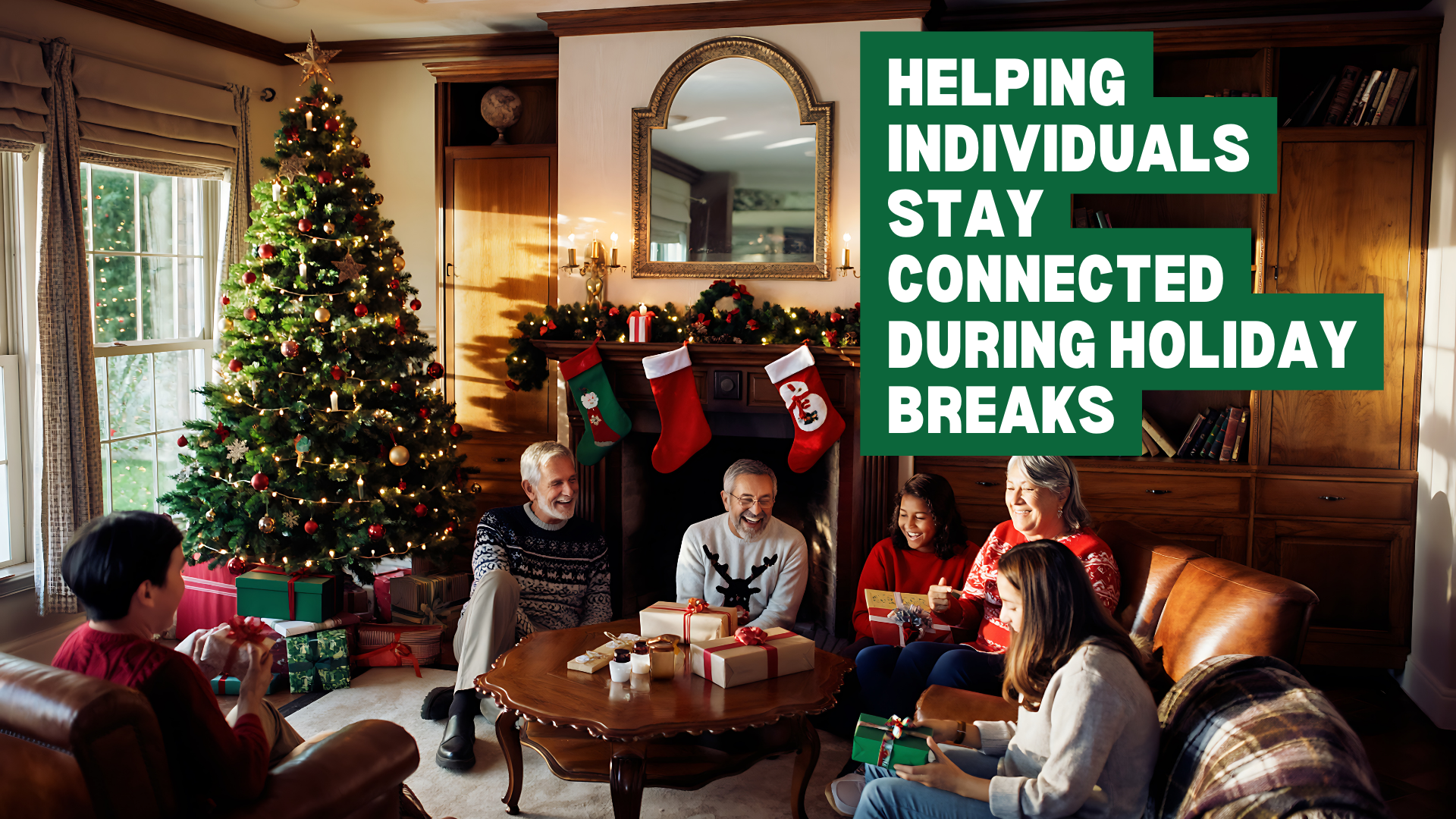
  • Helping Individuals Stay Connected During Holiday Breaks

    Photo of a family celebrating the holidays, with a caption in large font that reads "helping individuals stay connected during holiday breaks", which is the topic of today's post.

    The holiday season is often filled with celebration, routine changes, and time away from familiar day programs or community activities. While these breaks can bring joy and rest, they can also create periods of isolation or disconnection for individuals with disabilities, especially when regular schedules pause or support systems shift. This post helps readers find easy ways to stay connected during holidays when that happens.

    At Community Supports Network, we believe that meaningful connection is essential to emotional wellness. Staying socially engaged helps individuals feel grounded, included, and supported, even when routines look different. With a little planning and creativity, families, DSPs, and caregivers can help make holiday breaks a time of comfort, community, and positive experiences.

    Below are simple, person-centered ideas to help individuals stay connected throughout the holiday season.

    How To Stay Connected During Holidays

    1. Keep Familiar Communication Routines Going

    Even when schedules change, familiar communication patterns can provide stability.
    Encourage short check-ins with friends, family, or trusted staff through video calls, voice messages, or text prompts adapted to each person’s communication style. Consistency helps individuals maintain important relationships and feel connected to their support network.

    2. Create a “Holiday Connection Plan”

    Before a break begins, work with the individual to decide who they want to stay in touch with and how often.
    This might include weekly Zoom calls with a friend, a shared photo journal with family, or scheduled check-ins with staff. Planning ahead reduces anxiety and gives individuals something positive to look forward to.

    3. Use Visual Schedules or Social Stories to Navigate Changes

    Visual supports can help individuals understand what to expect during holiday breaks.
    A simple schedule with family gatherings, rest days, or outings can make changes feel more predictable. Social stories can explain holiday events, new environments, or visiting relatives in a calm, clear way that supports emotional regulation.

    4. Create Shared Holiday Activities

    Connection doesn’t always require being in the same place.
    DSPs and caregivers can help individuals participate in shared activities across distances—baking the same recipe on a video call, doing a craft “together,” listening to a favorite playlist, or exchanging photos of completed projects. These shared experiences help maintain a sense of togetherness.

    5. Encourage Participation in Community Traditions

    Local events—such as light displays, winter markets, accessible concerts, or library programs—offer opportunities for safe, meaningful social engagement.
    Attending familiar annual traditions or exploring new ones can bring joy, build skills, and strengthen community belonging.

    6. Support Emotional Wellness Along the Way

    Holiday breaks often bring sensory changes, loud environments, and breaks in routine.
    Check in regularly about how the individual is feeling. Offer calm spaces, sensory supports, or quiet alternatives when needed. Feeling emotionally supported helps individuals remain open to social interactions and new experiences.

    Looking Ahead

    Staying connected during holiday breaks is about more than filling time—it’s about fostering belonging, maintaining relationships, and creating positive, predictable moments. With thoughtful planning and person-centered support, individuals can experience the holiday season as a time of warmth, connection, and meaningful engagement.

    Explore More Resources

    To learn more about how CSN supports individuals and families throughout the year, visit our website to explore our programs, community services, and person-centered approaches to care.

  • Easy Sensory-Friendly Activities for Indoor Days

    Graphic showing our company logo and a leafy plant branch next to the words "easy sensory-friendly activities for indoor days" which is the topic of this blog post.

    When colder weather, snow, or early sunsets keep us inside, it’s helpful to have a set of sensory-friendly activities that support regulation, creativity, and engagement. For individuals with disabilities, sensory experiences can play an important role in emotional wellness, skill-building, and daily comfort—especially during the winter months when routines shift and outdoor time may be limited.

    At Community Supports Network (CSN), we believe that meaningful learning can happen anywhere. Even simple indoor moments can become opportunities to explore new textures, movements, sounds, and calming strategies. Below are easy, budget-friendly sensory activities that DSPs, caregivers, and families can use on those long indoor days.

    Easy Sensory Activities That You Can Do Any Day

    1. Create a Calm Corner

    Setting up a small sensory-friendly space can give individuals a place to reset when they feel overwhelmed or tired. Include items such as soft blankets, weighted lap pads, noise-reducing headphones, dim lighting, or a favorite fidget tool. Offering this quiet space teaches self-regulation by letting individuals choose when they need a break.

    2. Try Simple Movement Breaks

    Movement supports emotional regulation and can help release energy when outdoor play isn’t an option. Chair yoga, stretching routines, dance parties, balloon tapping, or following along with a movement video are all great options. Adapt activities to each person’s physical abilities and comfort.

    3. Build Sensory Bins with Household Items

    Sensory bins can be calming and engaging without requiring special supplies. Fill containers with rice, pasta, cotton balls, water beads, or even snow brought inside on winter days. Add spoons, cups, small toys, or textured objects. Sensory bins help support fine motor skills, exploration, and focus.

    4. Explore Music and Sound Activities

    Music can be grounding, energizing, or soothing depending on what the individual needs. Create simple rhythms with household objects, explore different genres together, or use soft background music to support relaxation. Singing, humming, or using basic instruments can also help regulate emotions.

    5. Try Low-Pressure Creative Projects

    Art can be an excellent sensory experience. Finger painting, coloring with different textures of crayons or markers, modeling clay, sticker scenes, or simple craft kits all offer opportunities for expression without pressure. The goal isn’t perfection—it’s exploration.

    6. Use Baking as a Sensory Experience

    Baking can be a great multi-sensory activity involving texture, smell, taste, and sequence-following. Stirring, pouring, kneading, and measuring provide natural opportunities for building motor skills and supporting independence. Keep tasks simple and accessible to each individual’s skill level.

    Bringing It All Together

    Indoor days don’t have to feel limiting. With a little creativity and flexibility, sensory-friendly activities can help individuals stay regulated, engaged, and connected. Whether the goal is calming, exploring, or simply having fun, these moments offer meaningful opportunities for growth and comfort during the winter months.

    Looking for More Resources?

    CSN is here to support individuals, families, and care teams with person-centered tools and programs designed to promote independence and meaningful daily living.
    Explore more of our services and resources on our website.

  • Winter Wellness Tips for Individuals With Disabilities and Their Care Teams

    Wintry landscape photo with these words in a green font:  winter wellness tips for individuals with disabilities and their care teams.

    As temperatures drop and routines shift, winter can bring unique challenges for individuals with disabilities—and for the DSPs, caregivers, and families who support them. Cold weather, seasonal illnesses, sensory changes, and limited daylight can all impact comfort, health, and daily functioning. At Community Supports Network (CSN), we believe that thoughtful planning and compassionate support can help every person stay safe, healthy, and engaged through the winter months. Here are simple, practical strategies to make the season a little brighter for everyone.

    1. Prioritize Illness Prevention

    Winter often brings an increase in colds, flu, and respiratory infections. For individuals with health complexities, prevention is key. Encourage regular handwashing or provide hand-over-hand assistance when needed. Keep commonly touched surfaces clean in shared environments. Layer clothing appropriately to prevent unnecessary exposure to the cold, and collaborate with families or healthcare providers to understand specific health risks and recommended preventive measures. These small steps can make a meaningful difference.

    2. Maintain Predictable Routines

    Shorter days and holiday schedule changes can affect mood, sleep, and regulation. Keeping daily routines consistent helps individuals feel grounded and secure. Maintain typical wake-up, meal, and bedtime schedules whenever possible. Use visuals, reminders, or verbal cues to support predictability. If a routine must change, prepare the individual ahead of time with clear communication and reassurance. Consistency reduces stress and helps everyone feel more in control.

    3. Support Sensory Needs in Winter Environments

    Winter brings new sensory experiences—heavy coats, cold air, bright lights, crowded stores, and holiday sounds. These changes can be uncomfortable or overstimulating. Offer sensory supports such as weighted blankets, noise-reducing headphones, familiar comfort items, or warm layers that feel good against the skin. Choose lower-sensory environments for outings when possible, and build in quiet breaks during overstimulating activities. Remember that everyone is different: some may enjoy the sensory input of winter weather, while others may find it overwhelming.

    4. Stay Active, Even Indoors

    Movement is essential for emotional regulation, physical health, and overall well-being—especially during long winter days spent indoors. Explore accessible indoor activities such as chair yoga, stretching, simple exercise routines, dancing, sensory movement breaks, bowling, or indoor walking at local community centers or malls. When safe and preferred, brief time outdoors can also provide fresh air and a mood boost. Tailor activities to each individual’s abilities, interests, and comfort.

    5. Monitor Emotional and Mental Wellness

    Seasonal changes can impact mood, energy, motivation, and stress levels. DSPs and caregivers can help by checking in often and watching for signs of emotional overload, fatigue, or withdrawal. Encourage calming activities that promote regulation—music, art, baking, reading, or journaling. Support social connection, whether through community outings, virtual communication, or shared activities at home. A compassionate, person-centered approach ensures individuals feel understood and supported through the season.

    Looking Ahead

    Winter can be a challenging time, but with proactive planning, strong communication, and a focus on individual needs, it can also be a season of connection, creativity, and meaningful growth. By staying attentive to wellness and creating supportive environments, DSPs and caregivers play a critical role in helping individuals thrive — no matter the weather outside.

    Explore More Resources

    Want more tips, resources, or support for individuals with disabilities? Visit our website to explore CSN programs, community services, and person-centered supports designed to help every individual live a healthy, fulfilling life.

  • Tip Tuesday: Building Everyday Skills Through Community Activities

    Photo of several young adults sitting in a park talking about building everyday skills, with the title of this blog post in large yellow font over it.

    At Community Supports Network (CSN), we believe that learning doesn’t have to be confined to a classroom or a scheduled session. Some of the most meaningful skill-building happens out in the community—during everyday moments that naturally spark curiosity, confidence, and connection.

    Whether someone is grabbing groceries, visiting the park, or stopping for a cup of coffee, each outing offers opportunities to practice real-world skills in a supportive, engaging way. For DSPs, caregivers, and families, intentionally weaving learning into everyday environments can make growth feel fun, natural, and achievable.

    Building everyday skills can seem daunting for adults with disabilities, but it can be done quite easily by following our tips in this post. Below are a few simple but powerful ways everyday community activities can strengthen independence:


    🛒 1. Grocery Shopping → Sequencing, Budgeting & Decision-Making

    Walking through a grocery store can be a skill-building goldmine.

    Tips:

    • Create a short list together to practice planning and sequencing.
    • Compare prices to introduce budgeting and money management.
    • Encourage decision-making by offering two options (e.g., “apples or grapes?”).

    A simple grocery run becomes a chance to strengthen cognitive skills while promoting autonomy.


    🎲 2. Local Parks → Safety Awareness & Motor Development

    Parks offer open-ended opportunities to build confidence and independence.

    Tips:

    • Practice physical coordination on playground equipment.
    • Reinforce safety skills like staying within a designated area or following visual cues.
    • Explore nature to build observation and communication skills.

    These experiences help individuals feel more comfortable navigating different environments.


    📚 3. The Library → Communication, Literacy & Self-Advocacy

    Libraries are calm, structured environments perfect for gentle skill building.

    Tips:

    • Practice asking staff for help (“Where are the animal books?”).
    • Browse together to support personal interests and reading skills.
    • Use checkout kiosks to build independence with technology.

    Every visit empowers individuals to express their preferences and make choices.


    ☕ 4. Coffee Shops & Small Businesses → Social Interaction & Money Handling

    Local businesses offer ways to practice community engagement and social confidence.

    Tips:

    • Order a snack or drink to practice communication and polite exchanges.
    • Use cash or a card to build comfort with money handling.
    • Sit together and talk about the environment to build conversation skills.

    These small experiences increase confidence in public spaces.


    Why This Matters

    Community-based learning taps into:

    • Real-world problem-solving
    • Natural motivation
    • Confidence-building opportunities
    • Building everyday skills
    • Social and communication development
    • A stronger sense of belonging

    At CSN, we see every outing as a chance to help individuals live, learn, and thrive in the communities they love.

    With a little creativity and intention, everyday activities become incredible moments of growth.


    Ready to learn more?

    Explore how CSN supports independence, community engagement, and meaningful skill-building across New Jersey.
    Visit our blog for more tips, stories, and resources.

  • The One Phrase That Builds Confidence in Every Interaction

    Image containing our logo and a drawing of a young adult with his arms raised and thumbs pointing toward himself, showing confidence in his abilities.  This post on the topic of building confidence is part of our "Tip Tuesday" blog post series by Community Supports Network.

    At Community Supports Network (CSN), we believe that progress starts with the way we communicate. Words shape confidence, connection, and how supported someone feels — especially during moments of learning, challenge, or change. One of the simplest and most powerful tools we use every day is strength-based language (more info here), a communication style that focuses on capability rather than limitation. And the best part? It’s incredibly easy to begin using right now.

    Try This Swap: “Be careful!” → “You’ve got this — I’m right here if you need me.”

    “Be careful” comes from a good place, but it can create hesitation or fear. Saying “You’ve got this — I’m right here if you need me” encourages independence while still offering safety and support. It shifts the focus from what could go wrong to what the person can do.

    Here Are a Few More Powerful Language Swaps That Make a Big Difference:

    ❌ “No, not like that.”

    ✅ “Let’s try it together another way.”

    This keeps the moment collaborative rather than corrective.

    ❌ “You can’t do that alone.”

    ✅ “Let’s build up to doing this together.”

    This sets a path forward and reinforces that progress is possible.

    ❌ “Hurry up.”

    ✅ “Take your time — we’re not rushing.”

    This reduces pressure, especially for individuals who need more processing time or sensory support.

    Why This Matters

    Strength-based language:

    • Builds confidence
    • Encourages autonomy
    • Reduces anxiety
    • Strengthens relationships between caregivers, DSPs, and the individuals we serve
    • Helps people feel seen for who they are, not what they struggle with

    At CSN, we use these strategies to create supportive, empowering environments where everyone has the chance to grow at their own pace — and feel proud while doing it.

    Tip to Try This Week

    Choose one language swap and use it throughout your week. Notice how the energy of the interaction changes — for you and for the person you’re supporting. Small shifts lead to meaningful progress. 💙

    Looking for more ways to support skill-building, independence, and confidence? Explore more resources and stories on the CSN blog and stay connected with us for weekly tips.

  • Inclusive Holidays

    Holiday themed image of pine tree branches on a green background with the words "How to create welcoming low-stress celebrations for people with disabilities", for our blog post discussing the topic of creating inclusive holidays.

    The holiday season is often described as magical, joyful, and full of tradition — but for many individuals with disabilities and their families, this time of year can also bring sensory overload, routine disruptions, and added stress. At Community Supports Network (CSN), we know that everyone deserves to feel included, comfortable, and valued during holiday gatherings. With a little planning and a lot of empathy, we can all help make celebrations more accessible and meaningful for everyone.

    Create Sensory-Friendly Spaces

    Holiday environments are often filled with bright lights, loud music, large crowds, and strong smells — all of which can be overwhelming. Providing a quiet, low-stim room gives people a chance to reset whenever needed. Soft lighting, noise-reducing headphones, weighted blankets, or familiar items from home can make a big difference.

    Honor Routines and Predictability

    Changes in routine can be difficult, especially during a season full of unexpected events. Preparing visual schedules, communicating plans clearly, and offering advance notice of transitions can help reduce anxiety. Keeping certain familiar routines in place — like bedtime or mealtime rituals — can help provide a sense of stability.

    Offer Choices, Not Pressure

    Not everyone wants to join every activity, and that’s okay. Instead of insisting someone sit through a long dinner, participate in a group game, or take photos, offer options. Choice empowers individuals, reduces stress, and supports independence — values at the core of CSN’s mission.

    Think About Accessibility

    From physical accessibility to communication preferences, small adjustments can open doors for meaningful participation. Ensure pathways are clear, chairs are easy to move, and activities can be adapted. For individuals who use communication devices or need extra processing time, be patient and supportive.

    Be Mindful of Sensory-Friendly Foods

    Holiday meals can be filled with unfamiliar textures, smells, and flavors. Offer safe foods alongside traditional dishes without pressure to try new items. This simple act of respect can help everyone feel comfortable at the table.

    Celebrate in Ways Everyone Can Enjoy

    Focus on connection, not perfection. Adapt games, break activities into small steps, or incorporate interests and strengths. Whether it’s decorating cookies, driving around to look at holiday lights, or enjoying a familiar movie, inclusion flourishes when everyone feels welcome.

    Support Caregivers

    The holidays can be especially demanding for caregivers. Offering help, providing breaks, and showing genuine appreciation goes a long way. Even small gestures can lighten the emotional and physical load during an already busy season.


    Reach out!

    At CSN, we believe that inclusion isn’t seasonal — it’s a way of life. If your family is looking for support, resources, or compassionate DSP services in New Jersey, we’re here to help. Visit www.yourcsn.com to learn more about how we empower individuals and families to thrive all year long.

  • Tip Tuesday: Caregiver Self-Care That Actually Fits Your Schedule

    Graphic art showing our company logo on the left side and a female caregiver on the right with a big heart.  The heading at the top reads "Tip Tuesday: Caregiver Self-Care That Actually Fits Your Schedule".

    Tips for Scheduling Self-Care

    In honor of National Family Caregivers Month

    At Community Supports Network (CSN), we know that caregiving is love in action — but it can also be exhausting, emotional, and demanding, leaving no room for self-care. Since November is National Family Caregivers Month, this is the perfect time to recognize the incredible individuals who care for loved ones with disabilities, medical needs, or age-related challenges.

    Therefore, this month, in honor of caregivers who give of themselves so much every day, we want to remind everyone of something that’s easy to forget — you deserve care, too.

    Between managing appointments, advocating for services, and juggling home and work responsibilities, finding time for yourself can feel impossible. But self-care doesn’t always require hours or big changes — sometimes it’s about small, sustainable moments that help you reset.

    Here are a few practical ways to care for yourself, even on the busiest days:

    💧 1. Take Micro-Moments of Rest

    Even five minutes can make a difference. Step outside for a breath of fresh air, stretch between tasks, or sit quietly with your coffee before the day begins. These small pauses help reduce stress and refocus your energy.

    2. Ask for Help — and Accept It

    You don’t have to do it all alone. Let a friend run an errand, ask a family member to step in for an hour, or explore respite options through programs like CSN. Accepting help isn’t a sign of weakness — it’s an act of strength and sustainability.

    🕰️ 3. Simplify Where You Can

    Choose shortcuts that lighten your load: order groceries online, set up medication reminders, or plan easy meals for the week. Efficiency is a form of self-care too.

    💛 4. Stay Connected

    Isolation is one of the hardest parts of caregiving. Join a support group, connect with other families, or reach out to your CSN coordinator for resources. Community makes the journey easier.

    🌷 5. Celebrate Yourself

    You are doing meaningful, life-changing work — even on the days it doesn’t feel like it. Take a moment to recognize your effort, your love, and your resilience. You are the heart of caregiving.

    At CSN, we see you. We honor your strength, your patience, and your commitment to those you love. This National Family Caregivers Month, we encourage every caregiver to take one small step toward caring for themselves, too.

    Because when you’re supported, those you care for thrive. 💙

    Learn more about our caregiver resources and support programs at www.yourcsn.com.

Serving Morris, Passaic, Bergen, Essex, Hudson, Union, Warren, Somerset, Hunterdon & Sussex Counties