
Category: Tip Tuesday

Tip Tuesday is a series of weekly blog posts published on every Tuesday containing useful tips for disabled adults and their families.  Our goal is to provide advice and ideas that make everyday living with disabilities easier.  We also aim to educate people on how to act around people with special needs, and to create a safe, nurturing environment for them.

  • 5 Simple Ways to Recharge While Supporting Others

    Self-Care Tips For Caregivers
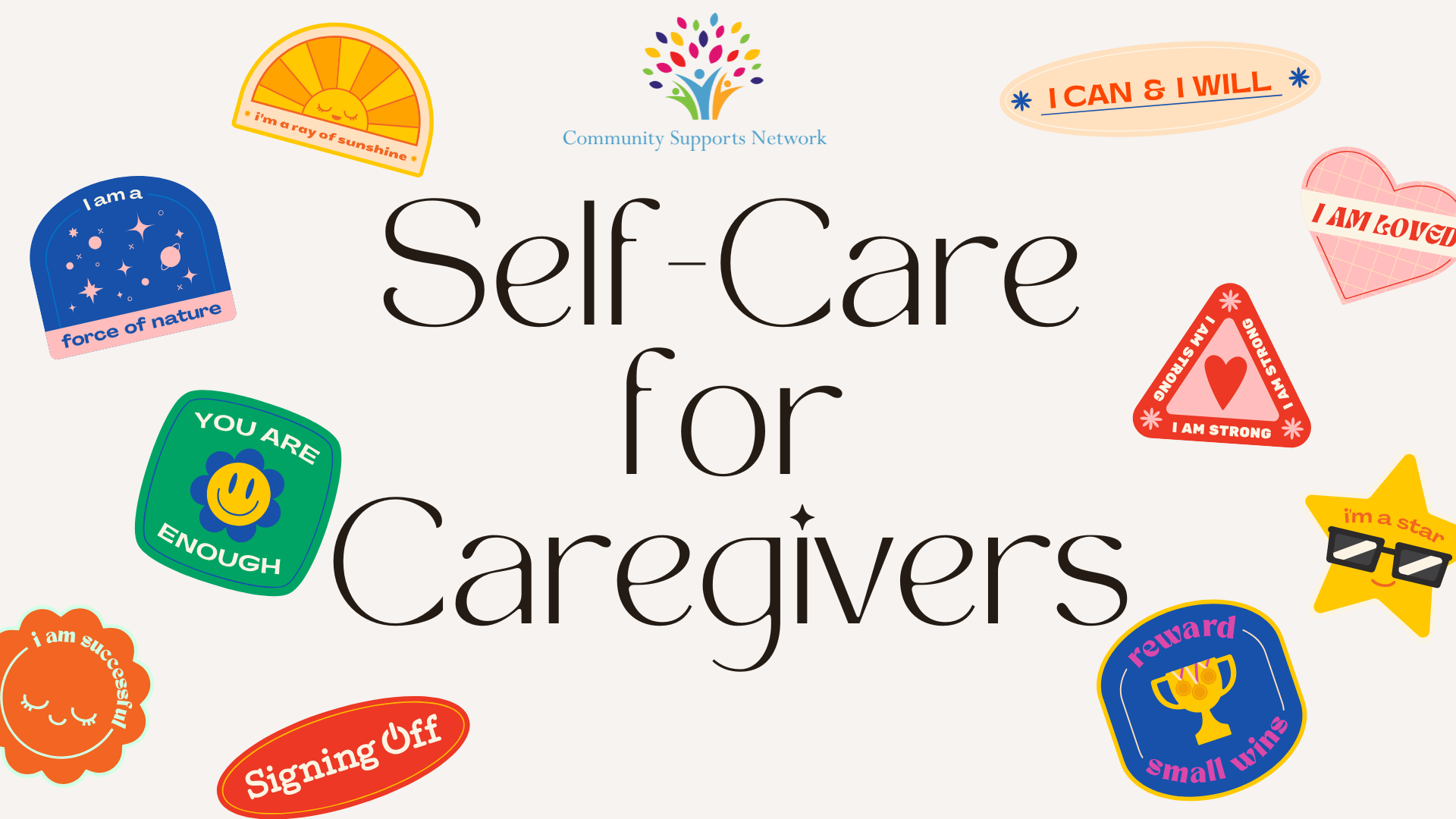
    Artful graphic with the words "self-care for caregivers" in the center, surrounded by colorful badges with words of positive encouragement in them.  These words are inspirational for those who support others for a living.

    Caring for a loved one with a disability is one of the most meaningful roles you can have — but it’s also one of the most demanding physically, emotionally and spiritually. Caregivers often pour so much of themselves into the needs of others that they forget to check in with their own well-being. Over time, this can lead to stress, exhaustion, or even burnout.

    At Community Supports Network (CSN), we know that self-care isn’t selfish — it’s essential. When caregivers take time to recharge, they can provide better, more consistent and intentional support for those who rely on them. Here are five simple, actionable ways to make self-care part of your routine.

    1. Give Yourself Permission to Rest

    Many caregivers feel guilty for taking a break, but rest is a non-negotiable part of health. Even a few minutes of quiet time with a cup of tea, a short nap, or reading a chapter of a book can restore your energy.

    Tip: Schedule and time block downtime on your calendar just like you would a doctor’s appointment — because it’s just as important.

    2. Build a Support Network

    No one should navigate the caregiving journey alone. Reach out to friends, family, or local support groups who understand what you’re going through. Sharing experiences and challenges can reduce feelings of isolation and provide valuable emotional support.

    Need ideas? Check out local disability organizations, online forums, or ask CSN staff about resources in your area.

    3. Move Your Body — Even in Small Way

    Physical activity can boost mood and reduce stress. You don’t need an intense workout — a 15-minute walk, stretching while watching TV, or even dancing around the kitchen counts!

    Remember: Movement is as much about releasing tension and stress as it is about fitness.

    4. Practice Mindfulness or Gratitude

    Caring for others can feel overwhelming, especially on tough days. Taking a few minutes to breathe deeply, meditate, or reflect on small wins can bring a sense of calm. Even jotting down three things you’re grateful for each night can shift your mindset in powerful ways.

    5. Ask for Help Without Guilt

    It’s okay — and necessary — to ask for help. Whether it’s requesting respite care, swapping duties with a friend, or leaning on professional services like those at CSN, support is available.

    You don’t have to do everything alone. Accepting help is a sign of strength, not weakness.

    The Bottom Line

    Caring for someone you love is a profound act of compassion, but you deserve care, too. By incorporating these small steps into your daily life, you’ll not only nurture your own well-being but also create a sustainable, healthy environment for the person you care for.

    If you’re looking for additional support or resources, CSN is here to help. Visit yourcsn.com to explore our services and learn how we can walk alongside you on your caregiving journey.

    Written by Jessica Quarello, Brand Communications Manager
  • Conversation Starters for Disability Employment Awareness Month

    October is more than just a month of fall colors and changing seasons—it’s a time to spotlight the importance of disability awareness, advocacy, and inclusion. At Community Supports Network (CSN), we believe one of the most powerful ways to create lasting change is also one of the simplest: having meaningful conversations.

    Talking about disability can sometimes feel intimidating—people may worry about saying the wrong thing or not knowing enough. But silence doesn’t create progress. By asking thoughtful questions, sharing stories, and opening space for dialogue, each of us can help break down barriers and foster understanding.

    Why Conversations Matter

    Conversations are where awareness becomes action. They:

    • Educate others by sharing knowledge about disabilities, accessibility, and advocacy.
    • Challenge stereotypes by providing real-life examples that humanize experiences.
    • Build connection by encouraging empathy and mutual understanding.
    • Promote inclusion by sparking ideas for how workplaces, schools, and communities can do better.

    Every dialogue—whether in the break room, at the dinner table, or during a community event—creates ripples that move us toward a more inclusive world.

    Conversation Starters You Can Use

    If you’re not sure how to begin, here are some simple, approachable ways to start a conversation during Disability Awareness Month (and beyond):

    💬 At Work:

    • “Did you know October is National Disability Employment Awareness Month? What do you think our workplace could do to be more inclusive?”
    • “I read about an employer who hired more individuals with disabilities and saw incredible results—have you seen stories like that?”

    💬 In the Community:

    • “October highlights Down Syndrome Awareness Month, ADHD Awareness Month, and Dyslexia Awareness Month. Which of these causes resonates with you most?”
    • “Have you ever attended a local awareness walk or event? I’ve been thinking about going to one this month.”

    💬 With Family & Friends:

    • “I saw that October 10 is World Mental Health Day. What are some ways we can support each other’s mental health?”
    • “I came across a story about someone thriving with spina bifida—it made me think about the importance of access to resources. What do you think helps communities be more supportive?”

    These starters aren’t about having all the answers—they’re about opening doors to meaningful dialogue.

    Tips for Meaningful Conversations

    1. Lead with curiosity. Ask questions and listen without judgment.
    2. Share stories. Personal experiences (your own or those you’ve learned from others) help make topics relatable.
    3. Stay respectful. Use person-first or identity-first language based on the preference of the individual.
    4. Don’t worry about being perfect. A genuine effort matters more than flawless wording.

    Turning Conversations Into Action

    Words are powerful, but they’re only the beginning. Once a conversation begins, you can take it further by:

    • Attending awareness events together.
    • Volunteering with organizations supporting individuals with disabilities.
    • Advocating for accessibility at work or in your community.
    • Sharing resources, blogs, or educational materials with others.

    Final Thoughts

    Disability Awareness Month reminds us that inclusion begins with dialogue. Every question asked, every story shared, and every conversation started has the potential to create understanding and spark meaningful change.

    This October, we encourage you to take the first step: start the conversation. You might be surprised by how much you learn—and how much impact you can make. 💙

    Editor’s note: If you would like to start a conversation about support services for a loved one with special needs, please feel free to contact us at any time. We are here to help!

  • Tip Tuesday: 5 Ways to Make Medical Visits Less Stressful

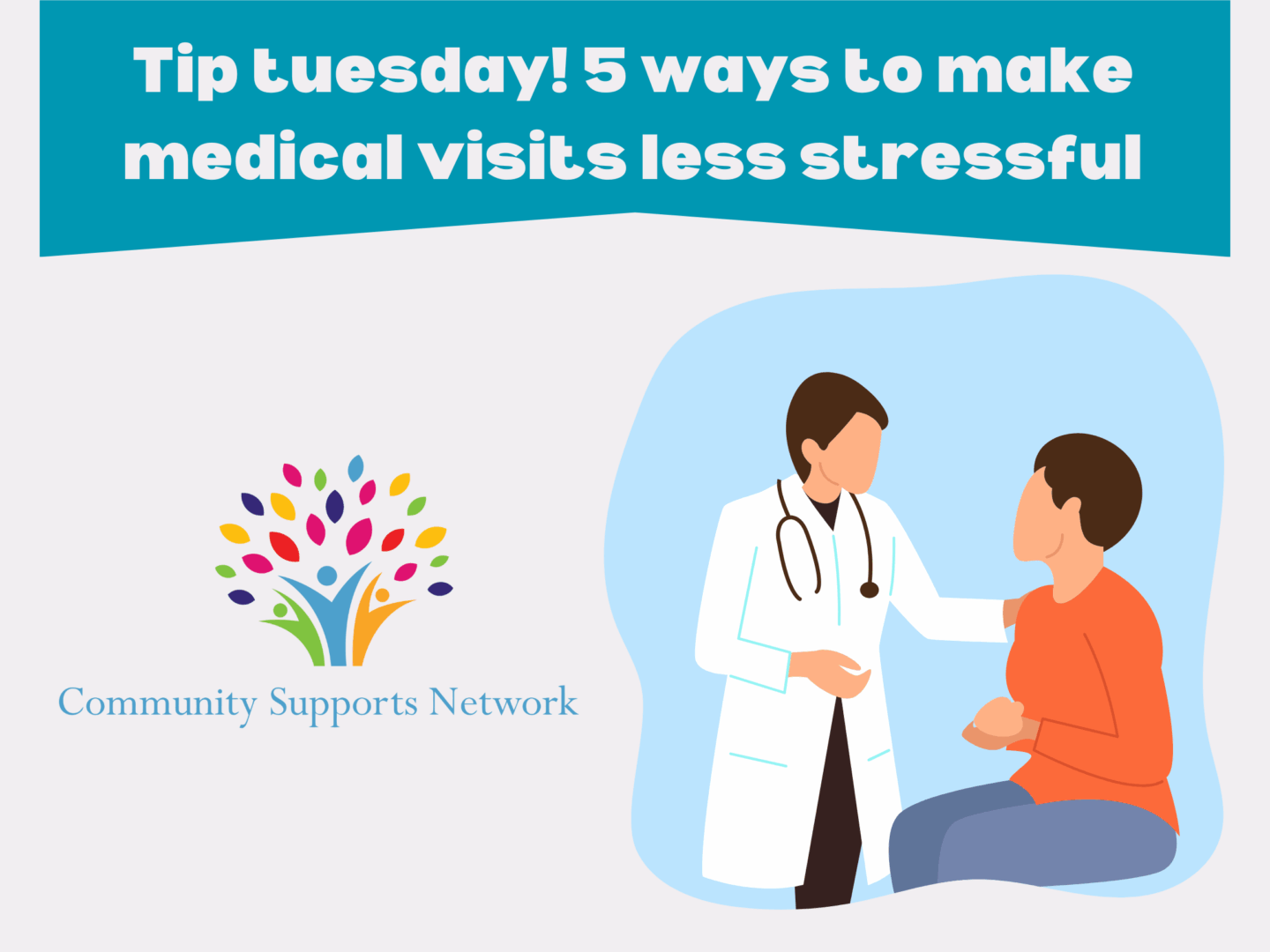
    Tip Tuesday: How to make medical visits less stressful for people with disabilities.

    Doctor visits are an important part of staying healthy, but for individuals with disabilities and their families, they can also bring stress and anxiety. Unfamiliar settings, long wait times, and sensory challenges can make appointments overwhelming — but with a little preparation, they can go much more smoothly.

    At Community Supports Network (CSN), we know that planning ahead and advocating for individualized care makes a world of difference. Here are five practical tips to help you feel more confident and prepared for your next medical visit:

    1. Prepare Ahead of Time

    Before the appointment, write down:

    • A list of symptoms, concerns, or questions you want to address.
    • Updates on any medications or therapies.
    • Important details about changes in behavior, sleep, or eating habits.

    This preparation helps ensure nothing gets overlooked when you’re face-to-face with the provider.

    2. Bring Comfort Items

    A doctor’s office can be full of overwhelming sights, sounds, and smells.

    • Pack a comfort item such as a favorite toy, blanket, or weighted lap pad.
    • Noise-canceling headphones or sunglasses can help reduce sensory overload in busy waiting rooms.
    • A small snack or drink (if allowed) can also provide comfort during long waits.

    3. Use a Visual Schedule or Social Story

    For many individuals, especially children, knowing what to expect can help reduce anxiety.

    • Create a visual schedule that shows each step of the visit, from check-in to leaving.
    • If possible, role-play the appointment at home using a social story or practice kit (pretend stethoscope, bandages, etc.).

    This approach builds familiarity and confidence.

    4. Advocate for Your Needs

    You are your loved one’s best advocate!

    • Let the office staff know about any accommodations your family member may need, such as extra time, a quiet room, or specific communication methods.
    • Don’t hesitate to ask for instructions in plain language or written form if needed.
    • Share any relevant care plans or notes from other specialists so everyone is on the same page.

    5. Plan for Downtime After the Appointment

    Medical visits can be emotionally and physically exhausting.

    • Schedule some calm, recovery time after the appointment, whether that’s relaxing at home, going for a quiet walk, or watching a favorite movie.
    • This helps prevent overwhelm and allows everyone to decompress.

    Final Thoughts

    Healthcare can be challenging to navigate, but with the right preparation and mindset, doctor visits can become more manageable and less stressful. At CSN, we’re here to support families in every step of their journey — ensuring individuals with disabilities receive the care, respect, and compassion they deserve.

    By taking small steps to plan ahead, you can turn appointments into positive experiences that build trust and confidence for the future.

    Written by Jessica Quarello, Brand Communications Manager
  • Building Confidence Through Daily Living & Independence

    Building Confidence Through Daily Living & Independence

    At Community Supports Network (CSN), we know that independence is not built overnight. It happens in small, meaningful steps — through daily routines, opportunities for choice, and consistent encouragement. For the individuals we serve, these moments of growth are just as important as the big milestones.

    Why Daily Living Skills Matter

    Daily living skills — things like choosing what to wear, preparing a snack, or following a schedule — are the foundation of independence. For many individuals with disabilities, these skills create confidence and open the door to greater participation in their homes, communities, and workplaces. They’re not just tasks; they’re building blocks for self-advocacy, decision-making, and dignity.

    Practical Strategies That Work

    Here are a few ways we help individuals strengthen independence in everyday life:

    • Encourage Choice-Making: Simple decisions, such as what to eat for breakfast or which activity to try, promote self-confidence and autonomy.
    • Use Visual Schedules: Visual aids provide structure, reduce anxiety, and give individuals the tools they need to stay on track.
    • Break Down New Skills: Practicing one step at a time helps avoid overwhelm and ensures success. A small win today builds momentum for tomorrow.

    The Role of Support

    Support is more than providing a service — it’s building a relationship that respects the individual’s goals and celebrates their progress. Our DSPs (Direct Support Professionals) and staff work side by side with individuals, guiding them toward greater independence while empowering them to set their own path forward.

    Moving Forward Together

    Whether it’s making lunch independently for the first time, taking public transportation with confidence, or setting a personal goal and achieving it, every step matters. At CSN, we’re proud to be part of these everyday victories — because they represent something greater: a future of inclusion, dignity, and empowerment.

    Written by Jessica Quarello, Brand Communications Manager
Serving Morris, Passaic, Bergen, Essex, Hudson, Union, Warren, Somerset, Hunterdon & Sussex Counties