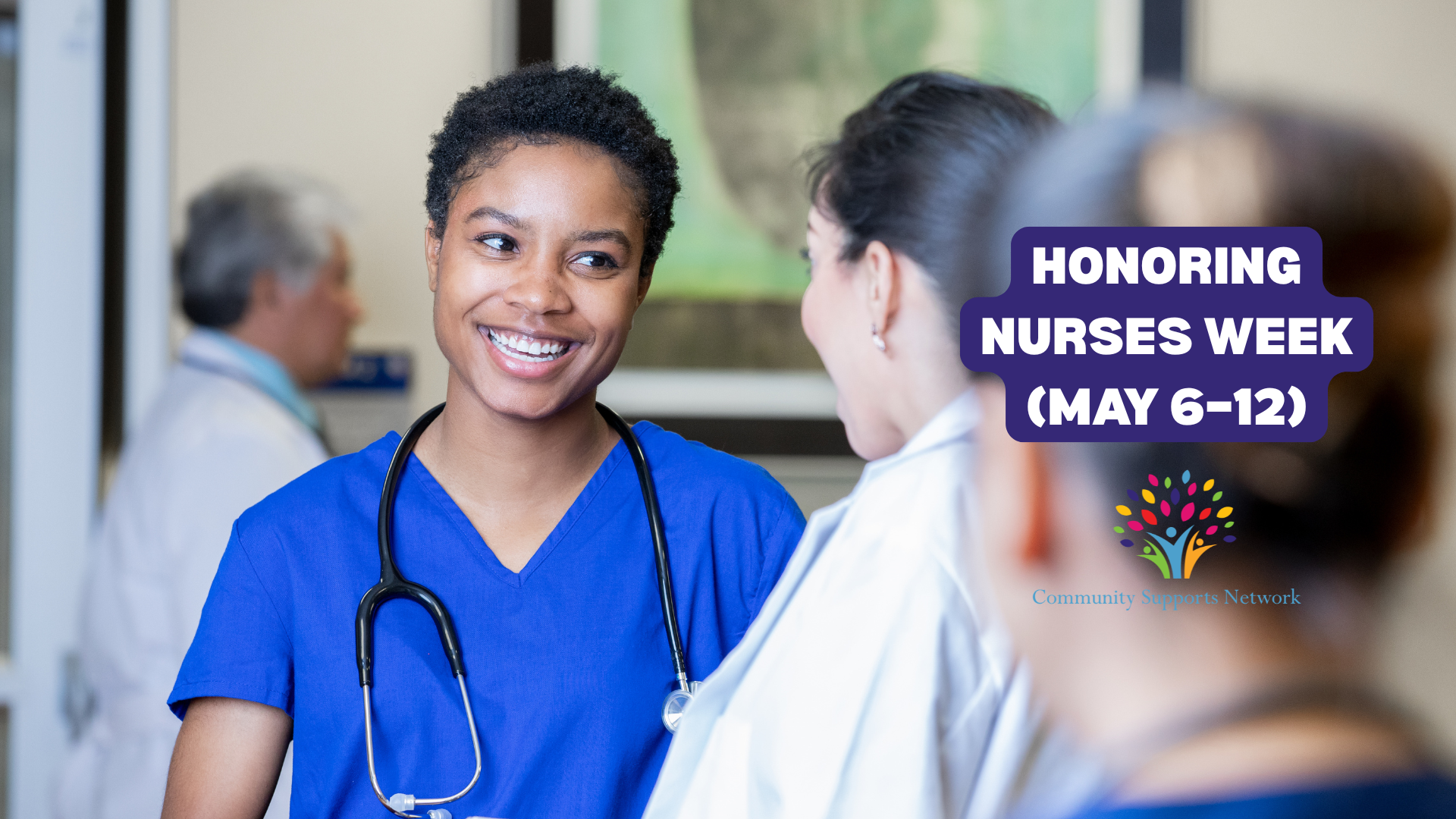
Each year from May 6–12, National Nurses Week gives us the opportunity to recognize the critical role nurses play across every part of our healthcare system. From hospitals to homes, nurses are often the steady presence behind quality care—bringing not only clinical expertise, but compassion, advocacy, and a deep commitment to the individuals they serve.
In community-based settings especially, nurses play a unique and essential role. They help bridge the gap between medical care and everyday life—supporting individuals, educating caregivers, and ensuring that care plans are not only effective, but truly person-centered.
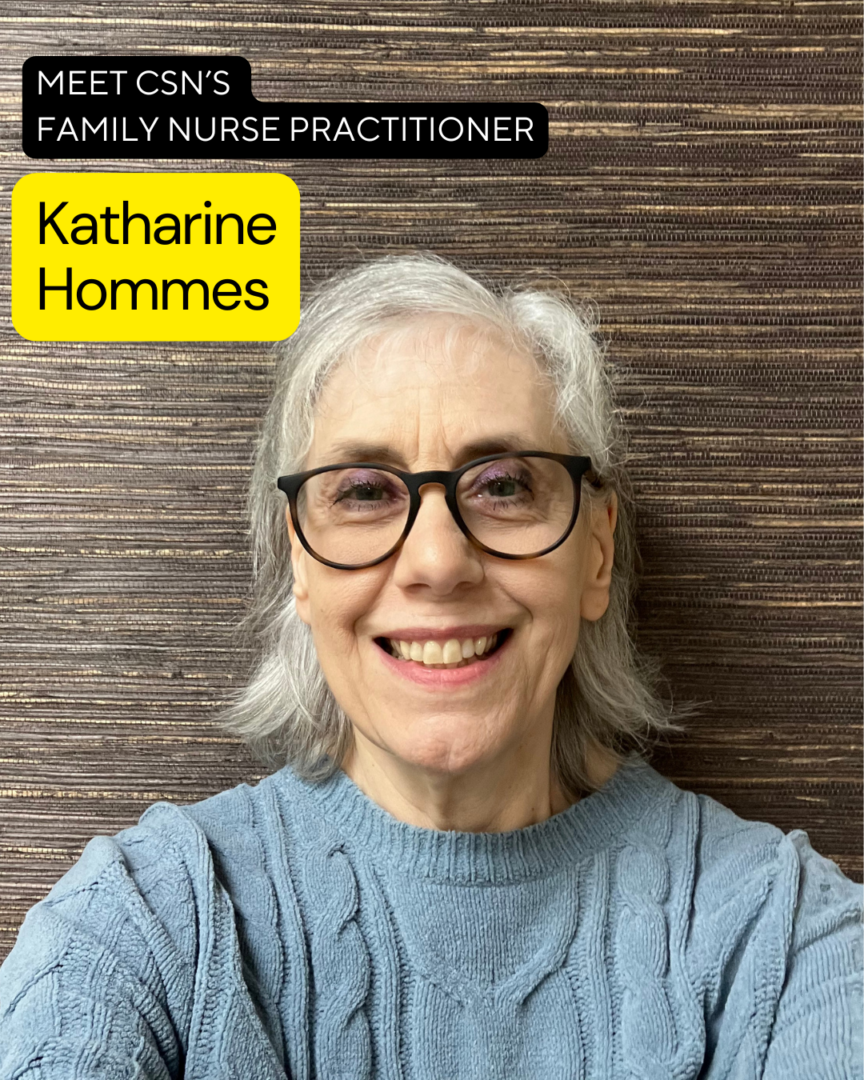
At Community Supports Network (CSN), we are proud to have nurses who embody this work every day. This Nurses Week, we’re honored to spotlight one of those individuals—KatharineHommes.
With nearly 40 years of experience in the nursing field, Katharine brings a depth of knowledge that spans clinical care, healthcare systems, and patient advocacy. She began her career as a floor nurse at Clara Maas Medical Center before expanding into roles in quality assurance, utilization review, and healthcare management. She later earned a master’s degree in public health, followed by a master’s in nursing, becoming a Family Nurse Practitioner.
Katharine went on to specialize in urology and endocrinology and trained as a Registered Nurse First Assistant (RNFA), assisting physicians in the operating room. Throughout her career, she has worked with a wide range of populations, including individuals with developmental disabilities—experience that continues to inform her work today.
In 2025, Katharine made the transition to CSN, returning to her nursing roots with a focus on what she is most passionate about: education, assessment, and hands-on support.
At CSN, Katharine plays a vital role in supporting both individuals and staff. She conducts nursing assessments, develops care plans, and maintains ongoing communication with individuals and their families to ensure needs are being met. She also provides essential training and education to Direct Support Professionals, helping them better understand medical conditions, medication management, and individualized care needs.
Her work ensures that care is not only delivered—but understood, supported, and sustained.
Katharine’s impact extends beyond clinical care. She is a resource, an educator, and a steady presence for both staff and families navigating complex needs. Her ability to combine experience with compassion is what makes her work so meaningful.
During Nurses Week (May 6–12), we celebrate Katharine—and all nurses—who continue to make a difference through their dedication, knowledge, and unwavering commitment to care.
Every year on April 2nd, Autism Awareness Day invites us to pause, reflect, and deepen our understanding of autism and the individuals and families within this community.
But today is about more than awareness—it’s about acceptance, inclusion, and action.
At Community Supports Network (CSN), we believe that creating a truly inclusive world means recognizing the strengths, perspectives, and individuality of people with autism, while also ensuring they have access to the support and opportunities they deserve.
Understanding Autism
Autism, or Autism Spectrum Disorder (ASD), is a developmental condition that affects how individuals communicate, interact, and experience the world around them.
Because it is a spectrum, no two individuals are the same.
Some individuals may need significant support in their daily lives, while others live more independently. Many individuals with autism have unique strengths, talents, and ways of thinking that enrich the communities they are part of.
Understanding and respecting these differences is the first step toward inclusion.
Moving Beyond Awareness
Awareness helps us recognize autism—but inclusion requires action.
True inclusion means:
Creating environments where individuals feel welcomed and valued
Offering opportunities for meaningful participation in the community
Supporting independence and personal growth
Listening to and learning from individuals with autism
Inclusion isn’t just about making space—it’s about ensuring that space is supportive, respectful, and empowering.
The Importance of Everyday Inclusion
Inclusion doesn’t only happen in large initiatives or programs—it happens in everyday moments.
It looks like:
Being patient in social interactions
Using clear and supportive communication
Creating accessible and sensory-considerate environments
Encouraging friendships and social connection
These small actions can have a powerful impact on someone’s sense of belonging.
Ways to Support the Autism Community
Everyone can play a role in creating a more inclusive world. Supporting the autism community can start with simple, meaningful actions:
Educate yourself and others about autism to better understand different experiences and needs
Support organizations and nonprofits that provide advocacy, services, and resources
Attend local events like awareness walks, community programs, and transition fairs
Advocate for inclusive practices in schools, workplaces, and public spaces
Amplify autistic voices by listening to and sharing perspectives from individuals with lived experience
Here are a few organizations making a meaningful impact:
Autism New Jersey – A leading statewide organization providing advocacy, education, and resources for individuals and families across NJ https://www.autismnj.org
The Arc of New Jersey – Offers support, advocacy, and programs for individuals with intellectual and developmental disabilities, including autism https://www.arcnj.org
Autism Speaks – Focused on advocacy, research, and resources to support individuals on the autism spectrum and their families https://www.autismspeaks.org
POAC Autism Services (Parents of Autistic Children) – Provides training, events, and support services specifically for NJ families https://www.poac.net
Autistic Self Advocacy Network (ASAN) – An organization run by and for autistic individuals, promoting self-advocacy and inclusion https://autisticadvocacy.org
Supporting and engaging with these organizations helps strengthen the broader autism community.
How CSN Supports Individuals with Autism
At CSN, our approach is rooted in person-centered support—meeting each individual where they are and helping them work toward their unique goals.
Our goal is not just to provide services, but to help individuals build meaningful, fulfilling lives within their communities.
A Day to Reflect—and Act
Autism Awareness Day is an opportunity to learn, listen, and reflect—but it’s also a reminder that inclusion is an ongoing effort.
By moving beyond awareness and embracing acceptance, we can help create communities where individuals with autism feel seen, valued, and supported every day.
Advocacy plays a critical role in advancing inclusion, accessibility, and opportunity for individuals with disabilities. While advocacy happens year-round, certain moments throughout the year help shine a brighter spotlight on the issues, achievements, and voices within the disability community.
March is one of those months.
With several important advocacy days and awareness campaigns, March offers an opportunity to learn, celebrate progress, and take meaningful steps toward more inclusive communities.
At Community Supports Network (CSN), we believe awareness is most powerful when it leads to action. Throughout the month, these advocacy observances remind us that individuals, families, professionals, and community partners all play a role in building a more inclusive world.
Developmental Disabilities Awareness Month
Each March, Developmental Disabilities Awareness Month highlights the importance of inclusion and the many contributions individuals with developmental disabilities make to their communities.
The month was first recognized in 1987, when President Ronald Reagan called for greater awareness and understanding of the abilities and potential of people with developmental disabilities. Since then, however, the focus has expanded beyond awareness alone to emphasize something even more important: meaningful inclusion.
Today, Developmental Disabilities Awareness Month encourages communities to recognize that individuals with developmental disabilities are not defined by limitations. Instead, they are employees, neighbors, friends, leaders, and advocates who contribute to their communities in meaningful ways.
For organizations like CSN, this month reinforces the importance of person-centered services that empower individuals to pursue independence, employment, and community involvement.
World Down Syndrome Day — March 21
World Down Syndrome Day is celebrated globally on March 21. The date (3/21) represents the triplication of the 21st chromosome, which causes Down syndrome.
On this day, individuals and organizations around the world raise awareness, promote inclusion, and advocate for equal opportunities for people with Down syndrome.
For example, one of the most recognizable traditions associated with World Down Syndrome Day is the “Lots of Socks” campaign. People wear bright or mismatched socks to spark conversations about acceptance and inclusion.
Beyond symbolic gestures, the day also highlights the importance of access to education, employment opportunities, healthcare, and community participation for individuals with Down syndrome.
National Cerebral Palsy Awareness Day — March 25
National Cerebral Palsy Awareness Day takes place on March 25 and aims to increase visibility and understanding of cerebral palsy, the most common motor disability in childhood.
This day encourages education about the experiences of individuals with cerebral palsy. In addition, it promotes advocacy for improved accessibility, services, and resources.
While every individual’s experience with cerebral palsy is unique, advocacy efforts focus on ensuring people with CP have equitable opportunities to participate in education, employment, recreation, and community life.
As awareness grows, communities can work toward creating environments where accessibility and inclusion are the standard rather than the exception.
International Women’s Day — March 8
International Women’s Day, observed on March 8, celebrates the achievements and leadership of women around the world. In addition, it highlights ongoing efforts to advance equity and opportunity across communities.
Within the disability community, this day also provides an opportunity to recognize the experiences and contributions of women with disabilities. At the same time, it acknowledges the many women who play vital roles in disability services as advocates, caregivers, support professionals, and leaders.
Furthermore, recognizing these contributions helps bring attention to important issues such as accessibility, healthcare equity, employment opportunities, and representation for women with disabilities.
Finally, International Women’s Day also offers a moment to celebrate the countless women working in disability services who dedicate their careers to supporting independence, dignity, and community inclusion.
Turning Awareness Into Action
Awareness days are important. However, their true value comes from the conversations and actions they inspire.
Advocacy does not only happen at the policy level. Instead, it can take place in everyday moments — in classrooms, workplaces, neighborhoods, and communities.
There are many ways individuals and organizations can get involved:
• Learn more about disability rights and inclusion • Attend or support local advocacy events • Share stories and educational resources • Encourage inclusive hiring practices in workplaces • Support organizations that promote accessibility • Amplify the voices of individuals with disabilities
Ultimately, the advocacy days throughout March serve as a reminder that inclusion is not a one-time initiative. Rather, it is an ongoing commitment.
By continuing to learn, listen, and advocate together, we can help create communities where individuals of all abilities have the opportunity to thrive.
At Community Supports Network (CSN), we believe that kindness is more than a single act — it’s a way of being. It shows up in how we listen, how we include, and how we support one another.
Each year on November 13, the world comes together to celebrate World Kindness Day, a global reminder that compassion can transform communities. Whether it’s a smile, a helping hand, or simply taking the time to understand someone’s story, kindness has the power to change the way we live and work together.
💬 Kindness in Action — What It Looks Like at CSN
Kindness is woven into everything we do at CSN. It’s in the patience of a Direct Support Professional (DSP) teaching a new skill. It’s in the encouragement shared between coworkers on a long day. It’s in the empathy shown to caregivers who give so much of themselves.
Every day, we see how small, consistent acts of kindness lead to big outcomes — greater confidence, stronger relationships, and more inclusive communities.
Here are just a few ways kindness shows up across our network:
A DSP takes extra time to help someone practice independence at the grocery store.
A supervisor checks in with a staff member who’s been juggling work and family challenges.
A community partner opens their doors to create more inclusive opportunities for adults with disabilities.
These moments might not make headlines, but they build the foundation of who we are.
🌎 Why Kindness Matters — Especially in Human Services
In the field of disability supports, kindness isn’t a luxury — it’s essential.
It reminds us that everyone deserves respect and patience. It reminds us that progress happens when people feel seen, understood, and valued. And it reminds us that being kind doesn’t just make someone’s day — it strengthens the culture of care that defines CSN.
When we lead with kindness, we create ripple effects that reach far beyond one moment or one person.
💛 How You Can Celebrate World Kindness Day
You don’t need grand gestures to make a difference — start small and start where you are.
Here are a few ideas to bring more kindness into your day: ✅ Send a thank-you note to a coworker, DSP, or caregiver who inspires you. ✅ Offer encouragement to someone who’s having a tough week. ✅ Listen fully when someone shares their story. ✅ Include intentionally — invite others to join in conversations or activities. ✅ Give yourself grace. Self-kindness matters too.
💬 A Message from CSN
At CSN, our work is built on connection — and kindness is at the heart of that connection.
To our team members, families, caregivers, and community partners: thank you for showing what kindness in action looks like every single day. Together, we’re creating a more compassionate, inclusive world — one act of kindness at a time.
✨ Happy World Kindness Day from all of us at Community Supports Network! Let’s keep leading with empathy, patience, and heart — today and every day.
Provides direct support to those with intellectual and developmental disabilities.
May be required to offer verbal prompts with completion of ADL’s including but not limited to personal care tasks, including assistance with basic personal hygiene and grooming, feeding, and ambulation, medical monitoring, and health care related tasks.
Assists in being a positive role model for the client.
Ensures client safety and helps to maintain a safe environment.
Reminds and assists clients with self-administration of medications (with proper training).
Encourages self-help activities.
Reports changes in client’s condition or family situation to administrators and supervisors.
Documents all services provided in accordance with their NJISP outcomes.
Assists client in home management functions such as light housekeeping, laundry, bed making, and cleaning.
Assists in the planning of meals, shopping for groceries, preparing and serving food/meals, feeding and clean-up.
Transports and accompanies clients to scheduled appointments and to activities within the community.
Participates in the development and support of a Person-Centered Plan.
Work Schedule:
Our schedule favors a flexible workweek. Once clients are assigned, a DSP will maintain their work schedule in accordance with the demands and schedule as are mutually agreed upon at time of hire.
Direct Support Professional Qualifications / Skills:
Ability to work within the community or in a home-based setting.
Communication skills (verbally and written) with all levels of personnel, internal and external to the company.
Ability to handle physical aspects of job, including bending, stooping, lifting, as well as engaging in physical activities as are needed.
Above all, DSP’s should be patient and empathetic. Our best candidates display excellent communication and listening skills.
Education, Experience, and Licensing Requirements:
High School diploma, GED, or equivalent
20 years of age or older
Valid New Jersey driver’s license with fewer than 5 points in moving violations
Provides direct support to those with intellectual and developmental disabilities.
May be required to offer verbal prompts with completion of ADL’s including but not limited to personal care tasks, including assistance with basic personal hygiene and grooming, feeding, and ambulation, medical monitoring, and health care related tasks.
Assists in being a positive role model for the client.
Ensures client safety and helps to maintain a safe environment.
Reminds and assists clients with self-administration of medications (with proper training).
Encourages self-help activities.
Reports changes in client’s condition or family situation to administrators and supervisors.
Documents all services provided in accordance with their NJISP outcomes.
Assists client in home management functions such as light housekeeping, laundry, bed making, and cleaning.
Assists in the planning of meals, shopping for groceries, preparing and serving food/meals, feeding and clean-up.
Transports and accompanies clients to scheduled appointments and to activities within the community.
Participates in the development and support of a Person-Centered Plan.
Work Schedule:
Our schedule favors a flexible workweek. Once clients are assigned, a DSP will maintain their work schedule in accordance with the demands and schedule as are mutually agreed upon at time of hire.
Direct Support Professional Qualifications / Skills:
Ability to work within the community or in a home-based setting.
Communication skills (verbally and written) with all levels of personnel, internal and external to the company.
Ability to handle physical aspects of job, including bending, stooping, lifting, as well as engaging in physical activities as are needed.
Above all, DSP’s should be patient and empathetic. Our best candidates display excellent communication and listening skills.
Education, Experience, and Licensing Requirements:
High School diploma, GED, or equivalent
20 years of age or older
Valid New Jersey driver’s license with fewer than 5 points in moving violations
Provides direct support to those with intellectual and developmental disabilities.
May be required to offer verbal prompts with completion of ADL’s including but not limited to personal care tasks, including assistance with basic personal hygiene and grooming, feeding, and ambulation, medical monitoring, and health care related tasks.
Assists in being a positive role model for the client.
Ensures client safety and helps to maintain a safe environment.
Reminds and assists clients with self-administration of medications (with proper training).
Encourages self-help activities.
Reports changes in client’s condition or family situation to administrators and supervisors.
Documents all services provided in accordance with their NJISP outcomes.
Assists client in home management functions such as light housekeeping, laundry, bed making, and cleaning.
Assists in the planning of meals, shopping for groceries, preparing and serving food/meals, feeding and clean-up.
Transports and accompanies clients to scheduled appointments and to activities within the community.
Participates in the development and support of a Person-Centered Plan.
Work Schedule:
Our schedule favors a flexible workweek. Once clients are assigned, a DSP will maintain their work schedule in accordance with the demands and schedule as are mutually agreed upon at time of hire.
Direct Support Professional Qualifications / Skills:
Ability to work within the community or in a home-based setting.
Communication skills (verbally and written) with all levels of personnel, internal and external to the company.
Ability to handle physical aspects of job, including bending, stooping, lifting, as well as engaging in physical activities as are needed.
Above all, DSP’s should be patient and empathetic. Our best candidates display excellent communication and listening skills.
Education, Experience, and Licensing Requirements:
High School diploma, GED, or equivalent
20 years of age or older
Valid New Jersey driver’s license with fewer than 5 points in moving violations
Provides direct support to those with intellectual and developmental disabilities.
May be required to offer verbal prompts with completion of ADL’s including but not limited to personal care tasks, including assistance with basic personal hygiene and grooming, feeding, and ambulation, medical monitoring, and health care related tasks.
Assists in being a positive role model for the client.
Ensures client safety and helps to maintain a safe environment.
Reminds and assists clients with self-administration of medications (with proper training).
Encourages self-help activities.
Reports changes in client’s condition or family situation to administrators and supervisors.
Documents all services provided in accordance with their NJISP outcomes.
Assists client in home management functions such as light housekeeping, laundry, bed making, and cleaning.
Assists in the planning of meals, shopping for groceries, preparing and serving food/meals, feeding and clean-up.
Transports and accompanies clients to scheduled appointments and to activities within the community.
Participates in the development and support of a Person-Centered Plan.
Work Schedule:
Our schedule favors a flexible workweek. Once clients are assigned, a DSP will maintain their work schedule in accordance with the demands and schedule as are mutually agreed upon at time of hire.
Direct Support Professional Qualifications / Skills:
Ability to work within the community or in a home-based setting.
Communication skills (verbally and written) with all levels of personnel, internal and external to the company.
Ability to handle physical aspects of job, including bending, stooping, lifting, as well as engaging in physical activities as are needed.
Above all, DSP’s should be patient and empathetic. Our best candidates display excellent communication and listening skills.
Education, Experience, and Licensing Requirements:
High School diploma, GED, or equivalent
20 years of age or older
Valid New Jersey driver’s license with fewer than 5 points in moving violations
Provides direct support to those with intellectual and developmental disabilities.
May be required to offer verbal prompts with completion of ADL’s including but not limited to personal care tasks, including assistance with basic personal hygiene and grooming, feeding, and ambulation, medical monitoring, and health care related tasks.
Assists in being a positive role model for the client.
Ensures client safety and helps to maintain a safe environment.
Reminds and assists clients with self-administration of medications (with proper training).
Encourages self-help activities.
Reports changes in client’s condition or family situation to administrators and supervisors.
Documents all services provided in accordance with their NJISP outcomes.
Assists client in home management functions such as light housekeeping, laundry, bed making, and cleaning.
Assists in the planning of meals, shopping for groceries, preparing and serving food/meals, feeding and clean-up.
Transports and accompanies clients to scheduled appointments and to activities within the community.
Participates in the development and support of a Person-Centered Plan.
Work Schedule:
Our schedule favors a flexible workweek. Once clients are assigned, a DSP will maintain their work schedule in accordance with the demands and schedule as are mutually agreed upon at time of hire.
Direct Support Professional Qualifications / Skills:
Ability to work within the community or in a home-based setting.
Communication skills (verbally and written) with all levels of personnel, internal and external to the company.
Ability to handle physical aspects of job, including bending, stooping, lifting, as well as engaging in physical activities as are needed.
Above all, DSP’s should be patient and empathetic. Our best candidates display excellent communication and listening skills.
Education, Experience, and Licensing Requirements:
High School diploma, GED, or equivalent
20 years of age or older
Valid New Jersey driver’s license with fewer than 5 points in moving violations
Zones (Areas): Essex County, Bergen County, Passaic County, and Morris County, NJ
Job Responsibilities:
Develop effective job coaching and employment plans in accordance with the state requirements.
Communicate with individuals to understand their goals and ambitions.
Assist individuals with disabilities to discover and overcome their personal barriers.
Seek job leads in accordance with the individual’s skills and interests.
Assess the strengths of individuals and teach them to use them effectively.
Guide individuals in learning to complete job tasks.
Develop community employer relationships to achieve job placement goals.
Provide coaching in effective job search techniques.
Assist people with disabilities in developing social and life skills.
Advise individuals on workplace accommodations for people with disabilities.
Monitor and evaluate the progress of assigned individuals.
Keep records and documentation and prepare appropriate reports.
Communicate with stakeholders, Vocational Rehabilitation Counselors, and employers.
Work Schedule:
The schedule of the employment specialist requires that candidates be both flexible and autonomous. An ability to self-direct service activities with individuals while managing a changing and evolving caseload is important.
Employment Specialist Professional Qualifications / Skills:
High School diploma, GED, or equivalent
Experience working with individuals with I/DD
Boggs Center Employment Specialist Foundations Certification preferred, but not mandatory to apply