
Category: Individual & Community-Based Supports

Posts and articles about supports available for individuals including community-based supports.

  • The Importance of Trust in Disability Support Relationships

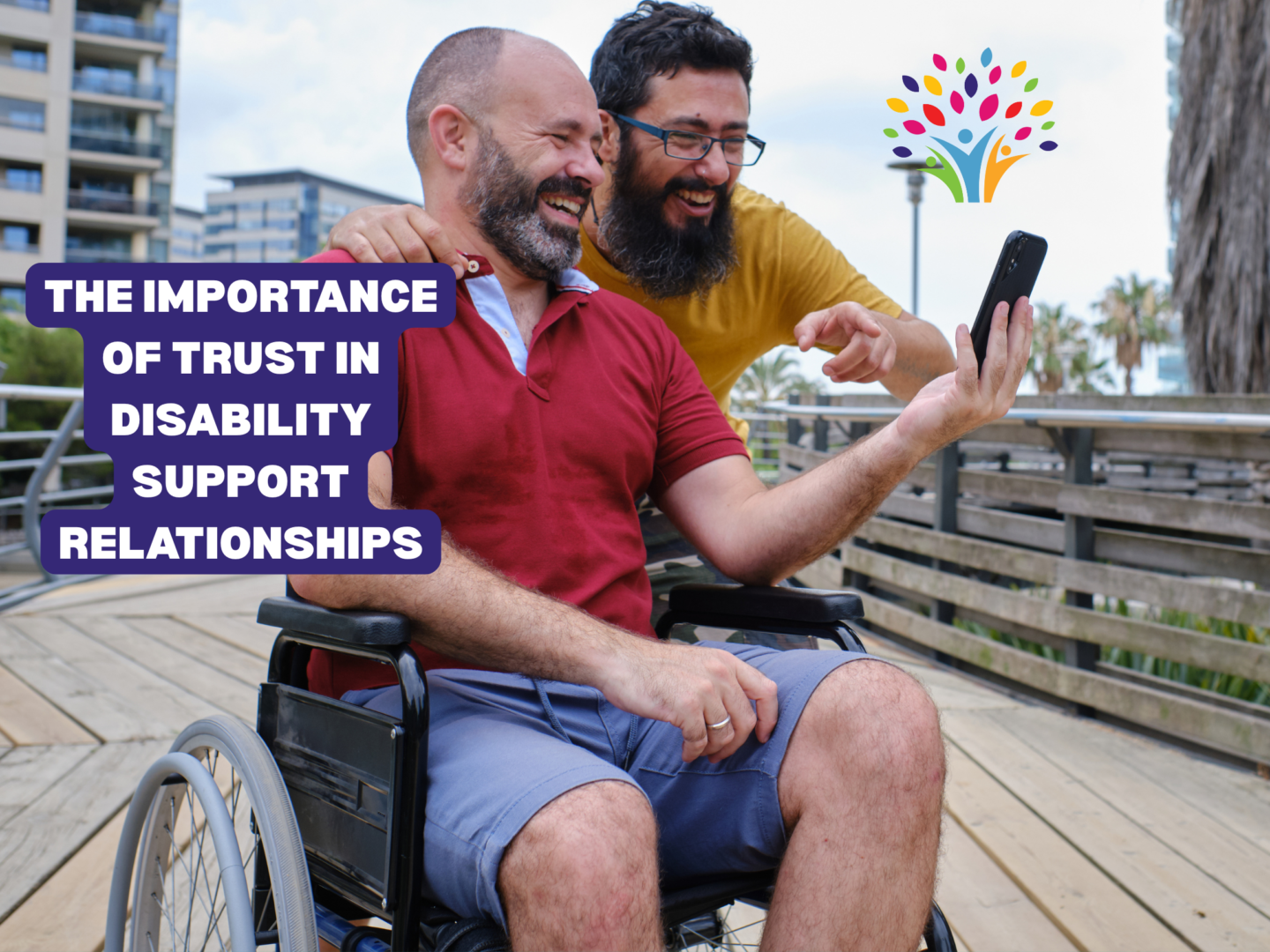
    Photo of a DSP with his client, with the words of "the importance of trust in disability support relationships" in bold font.

    At the heart of effective disability support is one essential element: trust.

    Trust is what allows individuals to feel safe, heard, and respected. It’s what turns support from a service into a relationship — and what makes growth, independence, and connection possible over time.

    At Community Supports Network, we see every day how trust shapes outcomes for individuals, families, and Direct Support Professionals alike. Without trust, support feels transactional. With trust, it becomes empowering.

    Trust Creates a Sense of Safety

    For many individuals with disabilities, the world can feel unpredictable or overwhelming. Changes in routine, unfamiliar environments, or new people can create anxiety and stress.

    Trust helps reduce that uncertainty.

    When individuals know that the people supporting them are consistent, respectful, and reliable, their nervous systems can relax. Feeling safe allows individuals to engage more fully in daily life — whether that’s trying a new activity, expressing a preference, or navigating the community.

    Safety isn’t just physical. It’s emotional. And trust is what builds it.

    Trust Is Built in Everyday Moments

    Trust isn’t created through big gestures. It’s built quietly, through consistency and follow-through.

    It looks like:

    • Showing up when you say you will
    • Listening without judgment
    • Respecting boundaries and preferences
    • Explaining changes instead of surprising someone
    • Following through on commitments

    These small, repeated actions send a powerful message: You matter. You can count on me.

    Over time, these moments add up to strong, meaningful relationships.

    Trust Supports Communication and Self-Advocacy

    When trust is present, communication becomes easier and more honest.

    Individuals are more likely to:

    • Express their needs and preferences
    • Ask for help when they need it
    • Share concerns or discomfort
    • Advocate for themselves

    Trust gives people confidence that their voice will be heard and respected. This is especially important for individuals who communicate in nontraditional ways or who have previously felt ignored or misunderstood.

    At CSN, we believe that supporting communication — in all its forms — is a key part of building trust and honoring self-determination.

    Trust Allows for Growth and Independence

    Growth requires vulnerability.

    Trying something new, making a decision, or taking on more responsibility can feel risky. Trust provides the foundation that makes those risks feel manageable.

    When individuals trust their support team, they are more willing to:

    • Practice new skills
    • Take healthy risks
    • Learn from mistakes
    • Build confidence over time

    Trust doesn’t eliminate challenges — but it makes navigating them feel safer and more supported.

    The Role of Direct Support Professionals

    Direct Support Professionals play a critical role in building and maintaining trust.

    DSPs are often among the most consistent people in an individual’s life outside of family. Their presence, attitude, and approach matter deeply. By leading with respect, patience, and empathy, DSPs help create relationships rooted in dignity and partnership.

    Trust grows when DSPs take the time to understand the individual — not just their support needs, but their personality, preferences, and goals.

    Trust Benefits Everyone

    It doesn’t just support individuals — trust strengthens families and teams as well.

    Families feel more confident when they trust the people supporting their loved ones. Teams work more effectively when communication is open and respectful. Services become more consistent, responsive, and person-centered.

    When trust is prioritized, everyone benefits.

    Building Trust Takes Time — and That’s Okay

    Trust isn’t instant. It develops over time through patience, consistency, and care.

    At Community Supports Network, we understand that strong relationships are built gradually. We prioritize stability, thoughtful communication, and person-centered practices because we know that trust is the foundation of meaningful support.

    When trust is present, individuals feel safer, more confident, and more empowered to live lives that reflect who they are — and who they want to be.


    EDITOR’S NOTE: Does trust matter to you in your job? Do you believe in the power of building trust when working? If so, you may wish to consider working as a DSP with us! For more information, please visit our careers page for current job openings.

  • Breaking Down Barriers: How Disability Services Work in New Jersey (A Family Guide)

    Navigating supports in New Jersey can feel like alphabet soup—NJEIS, CSOC, DDD, HCBS, NJCAT. Here’s a clear, step-by-step map of who to call, when to apply, and what to expect—from birth through adulthood.


    Birth–Age 3: Early Intervention (NJEIS)

    If you’re concerned about a child’s development before age 3, start with the New Jersey Early Intervention System (NJEIS). It’s the statewide program (run by NJ Department of Health) that evaluates and provides services for infants and toddlers with delays or disabilities. Families can self-refer; services typically end at the child’s third birthday.

    For children 3 and older, referrals typically shift to the local school district; families can also use Project Child Find (800-322-8174).


    Up to Age 21: Children’s System of Care (CSOC) / PerformCare

    For youth with intellectual/developmental disabilities (I/DD), mental health needs, or substance-use challenges, New Jersey’s Children’s System of Care (CSOC) is the public front door.
    PerformCare is the 24/7 single point of access for eligibility and service coordination under CSOC:
    📞 1-877-652-7624
    🌐 www.performcarenj.org


    Planning the Transition to Adulthood (Around 18–21)

    You can apply to the Division of Developmental Disabilities (DDD) at age 18, but DDD’s adult services start at 21 (while school-based services can continue through 21). Families should begin transition planning with the school IEP team and explore DDD eligibility well before the 21st birthday so services can start smoothly.
    Learn more: DDD Eligibility


    Age 21+: Division of Developmental Disabilities (DDD)

    DDD administers New Jersey’s Home and Community-Based Services (HCBS) for adults with I/DD via two Medicaid waiver programs:

    • Supports Program (SP): for adults living with family or independently in the community.
    • Community Care Program (CCP): includes options for licensed residential settings with additional clinical criteria.
      📘 Supports Program Manual

    Key Requirements & Steps

    1. Medicaid eligibility
      You must have NJ FamilyCare Medicaid to receive ongoing DDD services.
      NJ FamilyCare Info
    2. NJCAT assessment
      DDD uses the New Jersey Comprehensive Assessment Tool (NJCAT) to measure support needs in self-care, behavioral, and medical areas.
      NJCAT Overview
    3. Budgets by tier
      Your NJCAT score determines your tier and annual budget in the Supports Program.
      Budget Tier Table – Effective Jan 1, 2024
    4. Choose a Support Coordination Agency (SCA)
      Once eligible/enrolled, adults select a Support Coordination Agency. Support Coordinators help develop the Individualized Service Plan (ISP), locate providers, and make changes as needs evolve.
      Search for SCAs and Providers

    Self-Directed Options

    New Jersey offers Self-Directed Employee (SDE) models where individuals can hire their own staff and purchase certain approved services.
    Two models are available:

    • Vendor Fiscal/Employer Agent (VF/EA)
    • Agency With Choice (AWC)

    As of 2025, DDD is transitioning the VF/EA fiscal intermediary from PPL to Acumen, with staggered rollout through September 2025. Your Support Coordinator will guide you through model selection and enrollment.
    Self-Direction Resources


    How CSN Fits In

    • Navigation & planning: We help families prepare for key handoffs—Early Intervention → CSOC/PerformCare → DDD—so services don’t lapse.
    • Support Coordination: Once an adult enrolls with DDD, we work with support coordinators to provide this service that matches their NJCAT-based budget.
    • Self-direction support: We assist with setting up and maintaining self-directed services for long-term success.

    Quick Contacts (New Jersey)


  • Building Independence, One Step at a Time: The Impact of DSPs in Our Communities

    At Community Supports Network (CSN), our mission has always been clear: to provide the guidance, support, and encouragement that empower individuals with intellectual and developmental disabilities (I/DD) to live as independently and fully as possible.

    A cornerstone of that mission lies in the dedication and expertise of our Direct Support Professionals (DSPs) — the compassionate individuals who work every day to turn independence from a goal into a reality.

    Why Independence Matters

    For individuals with I/DD, independence looks different for everyone. It may mean learning how to prepare a favorite meal, managing personal schedules, or making choices about daily routines. These small but significant steps create confidence, foster self-reliance, and open the door to fuller participation in community life.

    The Role of a DSP in Daily Living Skills

    Our DSPs are more than caregivers — they are coaches, advocates, and partners in growth. Whether it’s encouraging choice-making, practicing new skills one step at a time, or introducing tools like visual schedules, DSPs help bridge the gap between support and self-sufficiency.

    The best part? Every achievement, no matter how small, is celebrated. Because progress isn’t measured only by milestones, but by moments of empowerment.

    Tip Tuesday: Learning from the Experts

    This month, we’ve launched our Tip Tuesday series, gathering advice directly from our DSPs on different aspects of daily living. Each week, we’ll highlight a new theme — from household management to social skills — sharing practical tips and strategies that families, caregivers, and advocates can use to support independence at home and in the community.

    A Community Effort

    While DSPs are on the frontlines, independence is nurtured through collaboration — between individuals, families, and our team. Together, we can create environments that promote choice, encourage growth, and celebrate individuality.

    At CSN, we are proud to be part of each person’s journey toward living a life filled with dignity, self-determination, and joy.


    💬 Follow along with our Tip Tuesday series and share your own strategies in the comments. Together, we can keep building a more inclusive, empowered community.

    ⮚ Interested in a career as a DSP? Check out our DSP jobs page for more information!

Serving Morris, Passaic, Bergen, Essex, Hudson, Union, Warren, Somerset, Hunterdon & Sussex Counties