Tag: building awareness

  • Memorial Day, Community, and the Importance of Inclusion

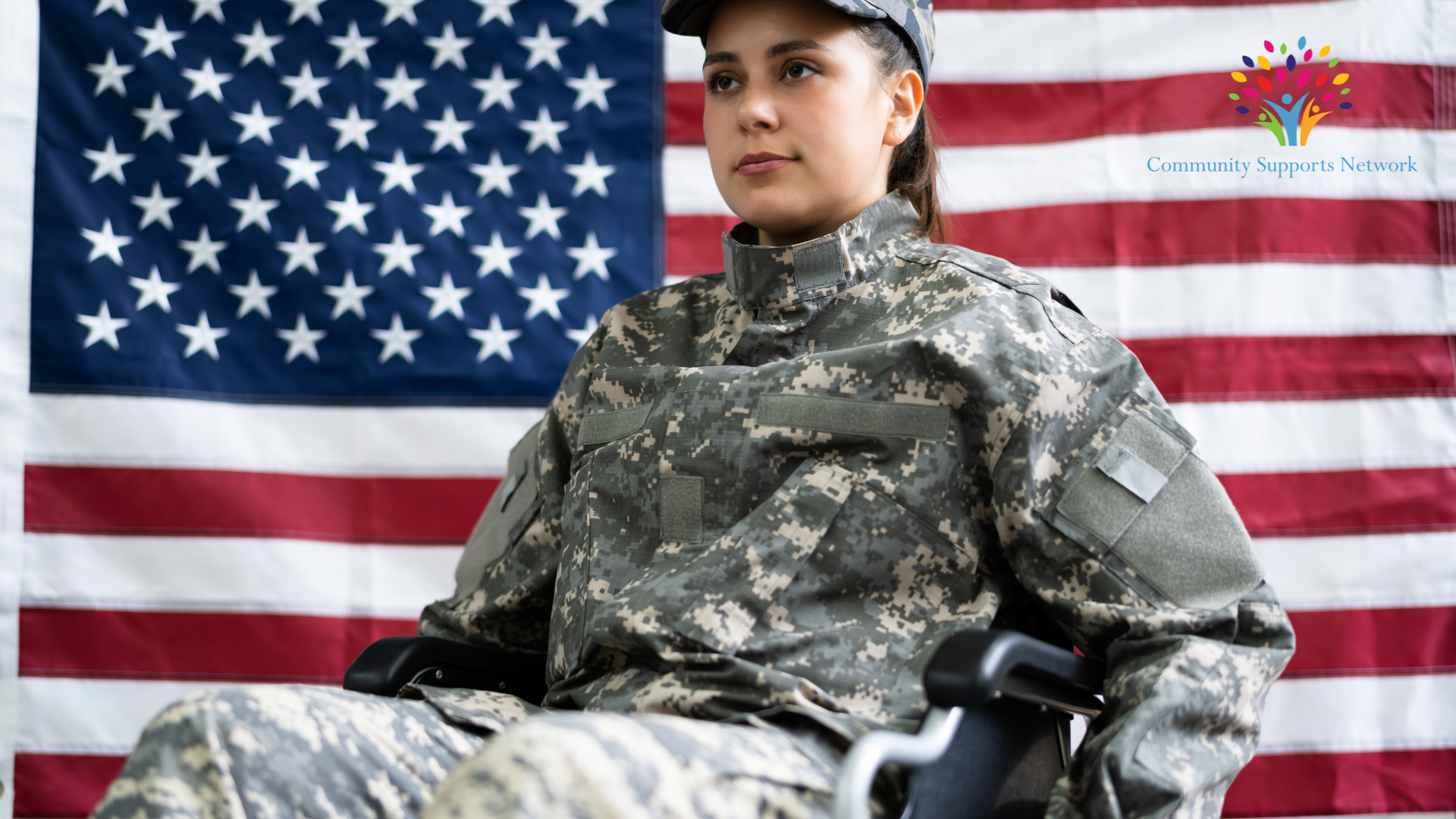
    Photo of an American soldier with a disability.  She is an example of a person whose service and sacrifice for our nation is what we honor on May 25, 2026 and which is the topic of this blog post about Memorial Day, community and the importance of inclusion.

    Each Memorial Day, we pause to honor and remember the brave men and women who made the ultimate sacrifice while serving our country. It is a time of reflection, gratitude, and remembrance for the individuals and families whose lives have been forever impacted by service and sacrifice.

    As communities gather this holiday weekend with family, friends, and loved ones, it also serves as an important reminder of the values that connect us — compassion, service, dignity, and community.

    At Community Supports Network, we believe those values should extend to everyone, including individuals with disabilities who deserve the opportunity to live meaningful, inclusive, and self-directed lives within their communities.

    For many individuals with disabilities, community inclusion is not simply about participation — it’s about belonging. It’s about having opportunities to connect with others, enjoy shared experiences, access support systems, and feel valued as part of the larger community.

    Barriers and How To Counter Them

    Holidays and community gatherings can sometimes highlight the barriers individuals with disabilities still face, including:

    • Social isolation
    • Accessibility challenges
    • Transportation limitations
    • Lack of inclusive programming
    • Difficulty accessing community spaces and events

    That is why community-based supports matter so deeply.

    Through advocacy, inclusive programming, supported employment, relationship-building, and person-centered services, we work to help ensure individuals with disabilities have opportunities to actively participate in the communities around them — not as spectators, but as valued members of society.

    Recognizing Veterans With Disabilities

    This Memorial Day, we also recognize veterans living with disabilities, individuals navigating both physical and invisible challenges, and the families and caregivers who provide support every day. Their experiences are an important part of the broader conversation around accessibility, inclusion, and support services.

    At its core, inclusion means creating communities where everyone has the opportunity to feel safe, respected, connected, and empowered.

    As we head into the holiday weekend, we encourage our community to:

    • Check in on one another
    • Create welcoming and inclusive spaces
    • Practice empathy and understanding
    • Support individuals and families who may feel isolated
    • Remember that belonging matters
    • Donate to a charity that supports disabled veterans like https://www.woundedwarriorproject.org

    While Memorial Day is rooted in remembrance, it is also an opportunity to reflect on the kind of communities we want to continue building together — communities grounded in compassion, support, dignity, and inclusion for all.

    From all of us at Community Supports Network, we wish everyone a safe, meaningful, and reflective Memorial Day weekend.

  • Recognizing Mental Health Awareness Month

    Why Mental Health Conversations Must Include Individuals with Disabilities

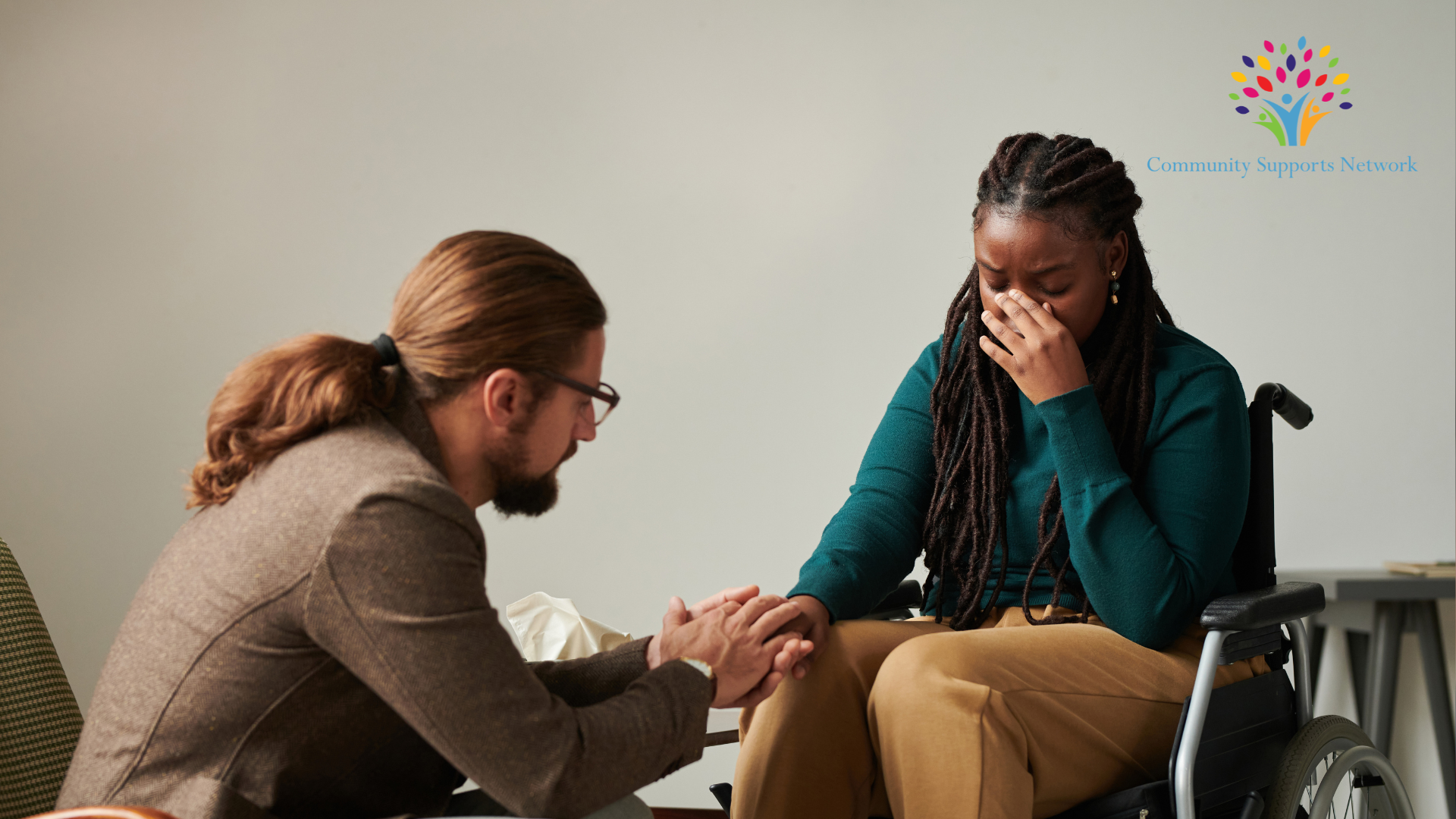
    Photo of a caregiver comforting a person with a disability who is undergoing mental stress arising from the challenges she faces on a daily basis.  This image is illustrative of the importance of recognizing Mental Health Awareness month, which helps raise awareness on topics covered in our blog post today.

    Each May, Mental Health Awareness Month serves as an important reminder that mental health is a critical part of overall well-being. While conversations around mental health have become more common in recent years, one group is still too often left out of the discussion: individuals with disabilities.

    At Community Supports Network (CSN), we believe mental wellness should be part of every conversation around disability support, inclusion, and quality of life. Individuals with intellectual, developmental, and physical disabilities experience the same range of emotions, stressors, and mental health challenges as anyone else — and in many cases, they face additional barriers that can make those struggles even more difficult to navigate.

    Mental Health and Disability: The Overlooked Connection

    According to the Centers for Disease Control and Prevention (CDC), adults with disabilities report experiencing frequent mental distress at significantly higher rates than adults without disabilities. In fact, nearly one in three adults with disabilities experiences frequent mental distress.

    There are many reasons for this disparity. Individuals with disabilities may experience:

    • Social isolation or exclusion
    • Bullying or discrimination
    • Difficulty accessing inclusive programs and services
    • Challenges with communication or self-advocacy
    • Financial stress or barriers to employment
    • Limited access to transportation or healthcare
    • Trauma related to medical experiences or societal stigma

    For some individuals, mental health challenges may present differently than what people traditionally expect. Anxiety, depression, frustration, withdrawal, changes in routine tolerance, or behavioral changes can all sometimes be signs that someone is struggling emotionally.

    Unfortunately, mental health needs are often overlooked or misunderstood in the disability community. Behaviors may be dismissed as “part of the diagnosis” rather than explored with compassion and support.

    Access to Mental Health Care Matters

    Despite the growing awareness around mental health, individuals with disabilities continue to face significant barriers to care.

    Many providers may not have experience working with individuals with intellectual or developmental disabilities. Communication differences, transportation limitations, sensory needs, and a lack of accessible services can all impact someone’s ability to receive meaningful mental health support.

    Caregivers and family members may also struggle to find providers who understand both disability and mental health together — rather than treating them as separate conversations.

    Creating a more inclusive mental health system means ensuring that services are:

    • Accessible
    • Person-centered
    • Trauma-informed
    • Communication-friendly
    • Inclusive of caregivers and support teams when appropriate

    Everyone deserves the opportunity to feel heard, supported, and emotionally safe.

    Supporting the Whole Person

    At CSN, we believe quality support means seeing the whole person — not just a diagnosis or support plan.

    Mental wellness can be supported in many ways through community inclusion, meaningful relationships, structured routines, employment opportunities, self-expression, recreation, and environments where individuals feel respected and valued.

    Sometimes support looks like helping someone build social connections. Sometimes it means recognizing when someone may need additional emotional support or professional services. And sometimes it simply means creating spaces where people feel accepted exactly as they are.

    Mental health conversations should include everyone.

    Breaking the Stigma Together

    One of the biggest barriers to mental health support is stigma. For individuals with disabilities, that stigma can be even greater.

    Mental health challenges are not a weakness, and needing support is never something to be ashamed of. By continuing to have open, compassionate conversations, we can help create communities where individuals feel empowered to ask for help and receive support without judgment.

    This Mental Health Awareness Month, we encourage everyone to:

    • Check in on friends, family members, and caregivers
    • Normalize conversations around mental health
    • Advocate for accessible and inclusive services
    • Practice empathy and patience
    • Remember that emotional well-being matters for everyone

    At the heart of true inclusion is recognizing the humanity, dignity, and emotional experiences of every individual.

    If you or someone you know is struggling, support is available. The Suicide & Crisis Lifeline can be reached by calling or texting 988 anytime.

    Together, we can continue building communities where mental health support is accessible, inclusive, and compassionate for all.

    For more information or to connect with our team, don’t hesitate to reach out!

  • Why Paying Family Caregivers Matters

    A Closer Look at What’s at Stake

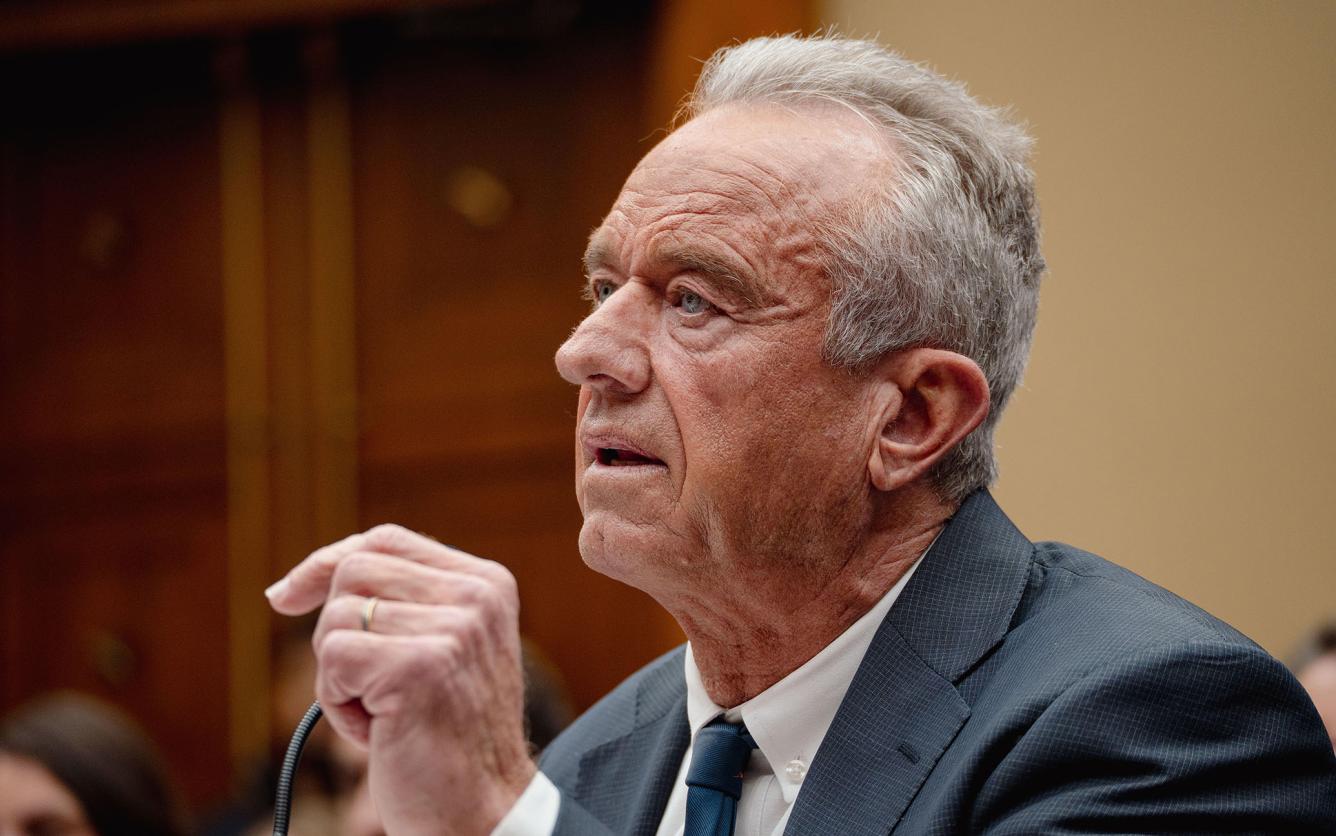
    Photo of the director of the U.S government division governing. health care, Robert F. Kennedy, whose recent statements are raising  concern in the mental health care community.  This is relevant in our blog post today about why paying family caregivers matters, because many caregivers must forego other paid employment to provide care for family members with disabilities or mental health conditions.

    Across the disability community, there has been growing conversation about Medicaid-funded services—specifically, programs that allow family members to serve as paid caregivers.

    Recently, national attention has been drawn to this model, with concerns raised about potential fraud and misuse within these programs. (disabilityscoop.com)

    And while accountability in any system is important, it’s equally important to understand the full picture—because for many families, this isn’t just a policy discussion. It’s their daily reality.


    What This Actually Looks Like for Families

    At Community Supports Network, we work closely with individuals and families navigating a wide range of needs.

    For many of the individuals we support, care is not simply about assistance—it’s about trust, familiarity, and safety.

    In some cases:

    • A child may only feel comfortable with a parent
    • An individual may rely on a sibling who understands their communication style
    • Changes in caregivers can lead to anxiety, behavioral challenges, or regression

    For these families, having a trusted caregiver isn’t a preference—it’s essential.


    When Caregiving Becomes a Full-Time Role

    What often goes unseen is the level of care required behind the scenes.

    Family caregivers are frequently responsible for:

    • Personal care (feeding, bathing, hygiene)
    • Medical needs and monitoring
    • Behavioral support
    • Transportation to therapies and appointments
    • Coordinating services, paperwork, and advocacy

    This is not occasional support—it is full-time, highly involved care.

    In many cases, parents or family members are forced to leave the workforce entirely to meet these needs.


    The Reality of the Caregiver System

    There is also a broader challenge that impacts this conversation:
    The current nationwide shortage of direct support professionals (DSPs).

    When families are approved for services, they often struggle to find consistent, reliable staff.

    As a result, family members frequently step in—not as a first choice, but as the only available option.

    Advocates emphasize that family caregivers are often “the only reliable option” due to workforce shortages and the complexity of care needs. (The Arc)
    Families would also do well not only to provide for their loved ones, but collaborating with agencies in the event they’re unable to fulfill the role the role of caregiver.


    Understanding the Fraud Concern – Without Losing Perspective

    It’s true that, like any large system, Medicaid programs must guard against fraud.

    But it’s equally important to separate:

    • Isolated cases of misuse, and
    • The legitimate, necessary support that millions of families rely on

    In fact, family caregivers provide an enormous amount of care—much of it unpaid—valued at over $1 trillion annually in the U.S. (disabilityscoop.com)

    This highlights a critical truth:
    Family caregiving is not an exception—it is a foundational part of how care is delivered.


    What Could Be at Risk

    If policies were to significantly restrict or eliminate the ability for family members to be paid caregivers, the impact could be far-reaching:

    1. Increased Financial Strain

    Families who already rely on a single income—or no income—could face additional hardship.

    2. Disruption in Care

    Individuals who depend on familiar caregivers may experience instability, stress, or setbacks.

    3. Greater Pressure on an Already-Strained Workforce

    With fewer family caregivers, demand for outside staff would increase in a system that is already understaffed.

    4. Risk of Institutionalization

    Without adequate in-home support, some families may be left with no choice but to seek more restrictive care settings.


    A Balanced Path Forward

    This conversation does not need to be political—it needs to be practical.

    We can hold two truths at once:

    • Oversight and accountability are important
    • And family caregivers play a vital, irreplaceable role in supporting individuals with disabilities

    The goal should not be to eliminate these supports, but to strengthen them responsibly—ensuring integrity while preserving access.


    Why This Matters

    At its core, this issue is about dignity, choice, and sustainability.

    People with disabilities deserve the ability to receive care:

    • In their homes
    • From people they trust
    • In a way that supports their independence and well-being

    And families deserve recognition and support for the essential role they play every day.


    Final Thought

    Behind every policy discussion are real people—families making impossible decisions, caregivers doing the work that keeps their loved ones safe, and individuals who simply want to live comfortably in their communities.

    As this conversation continues, it’s critical that those realities remain at the center.


  • Honoring National Nurses Week (May 6–12)

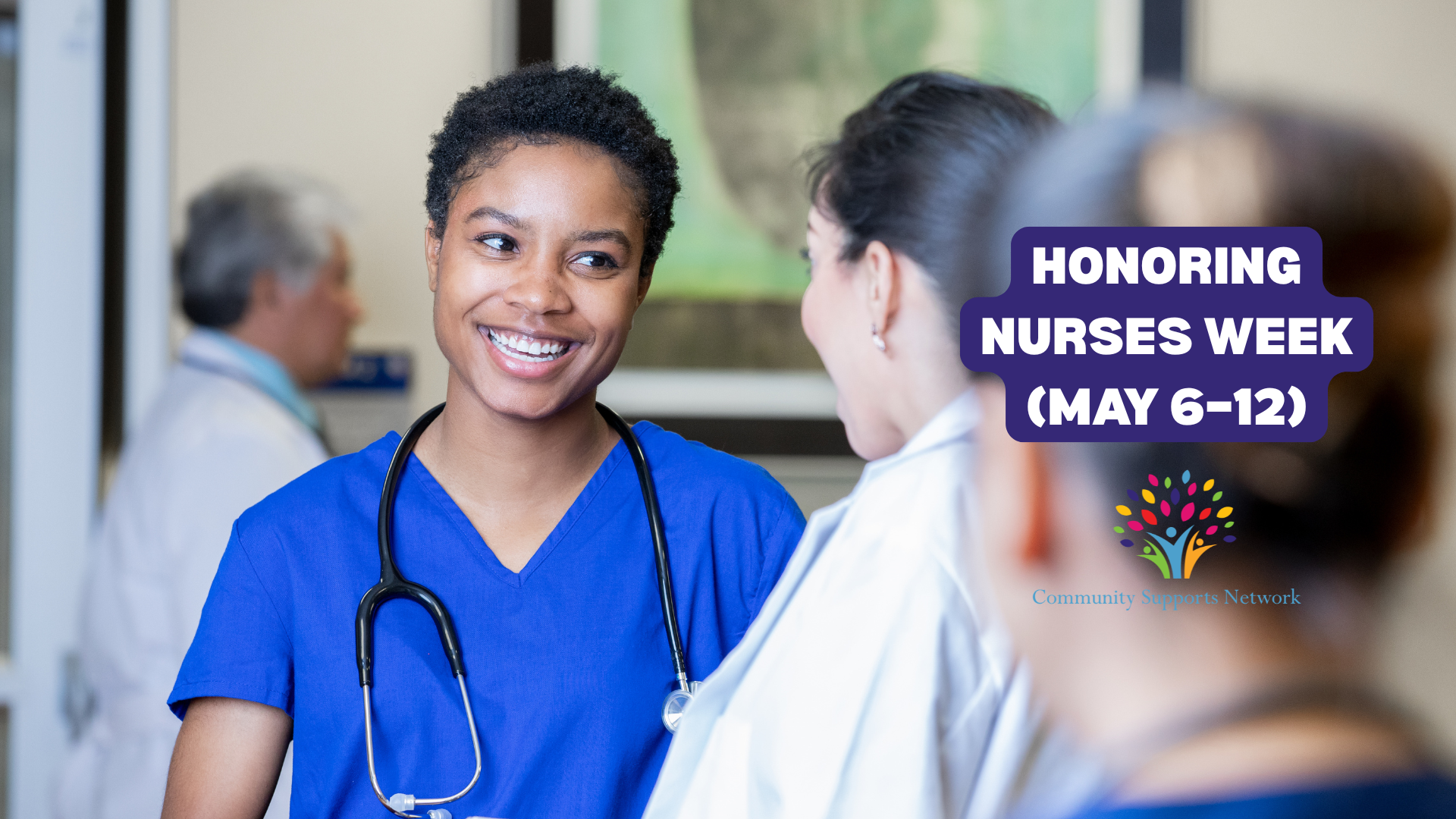
    Each year from May 6–12, National Nurses Week gives us the opportunity to recognize the critical role nurses play across every part of our healthcare system. From hospitals to homes, nurses are often the steady presence behind quality care—bringing not only clinical expertise, but compassion, advocacy, and a deep commitment to the individuals they serve.

    In community-based settings especially, nurses play a unique and essential role. They help bridge the gap between medical care and everyday life—supporting individuals, educating caregivers, and ensuring that care plans are not only effective, but truly person-centered.

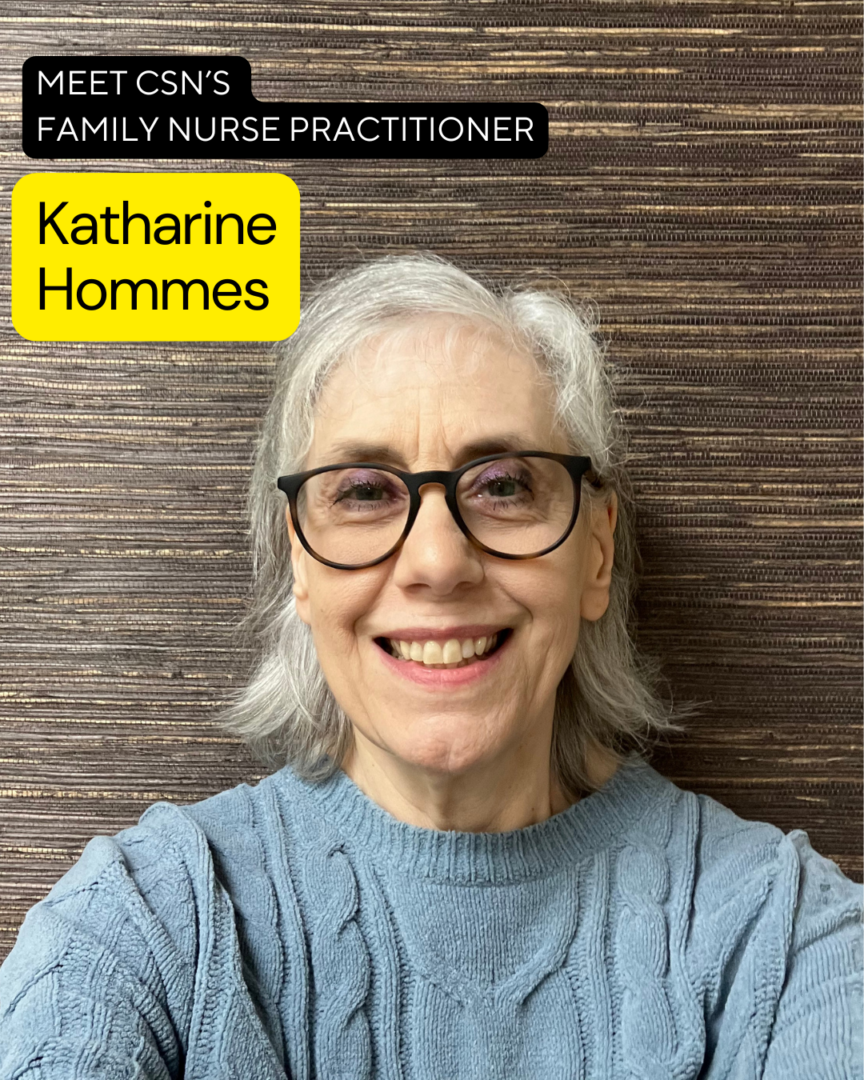
    At Community Supports Network (CSN), we are proud to have nurses who embody this work every day. This Nurses Week, we’re honored to spotlight one of those individuals—Katharine Hommes.

    With nearly 40 years of experience in the nursing field, Katharine brings a depth of knowledge that spans clinical care, healthcare systems, and patient advocacy. She began her career as a floor nurse at Clara Maas Medical Center before expanding into roles in quality assurance, utilization review, and healthcare management. She later earned a master’s degree in public health, followed by a master’s in nursing, becoming a Family Nurse Practitioner.

    Katharine went on to specialize in urology and endocrinology and trained as a Registered Nurse First Assistant (RNFA), assisting physicians in the operating room. Throughout her career, she has worked with a wide range of populations, including individuals with developmental disabilities—experience that continues to inform her work today.

    In 2025, Katharine made the transition to CSN, returning to her nursing roots with a focus on what she is most passionate about: education, assessment, and hands-on support.

    At CSN, Katharine plays a vital role in supporting both individuals and staff. She conducts nursing assessments, develops care plans, and maintains ongoing communication with individuals and their families to ensure needs are being met. She also provides essential training and education to Direct Support Professionals, helping them better understand medical conditions, medication management, and individualized care needs.

    Her work ensures that care is not only delivered—but understood, supported, and sustained.

    Katharine’s impact extends beyond clinical care. She is a resource, an educator, and a steady presence for both staff and families navigating complex needs. Her ability to combine experience with compassion is what makes her work so meaningful.

    During Nurses Week (May 6–12), we celebrate Katharine—and all nurses—who continue to make a difference through their dedication, knowledge, and unwavering commitment to care.

    To learn more head to our website to connect!

  • Celebrating the Bond Between Siblings

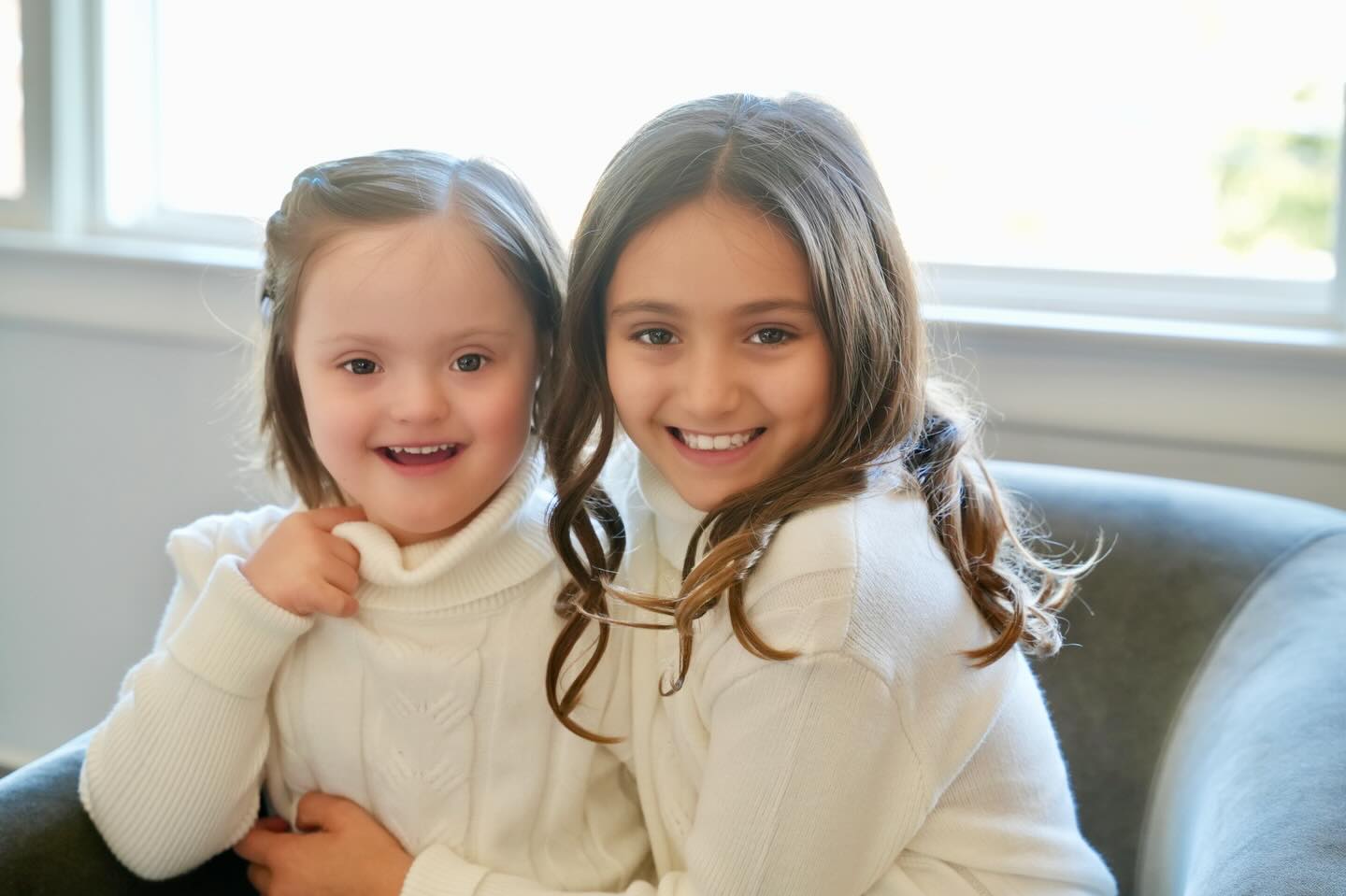
    Photo of siblings Addie and Charlee sitting together and smiling with joy.  This photo is symbolic of the spirit of National Siblings Day, which is about celebrating the bond between siblings and which is the focus of this blog post

    A Personal Reflection on National Siblings Day

    Today is National Siblings Day, a day dedicated to celebrating the unique and meaningful relationships between brothers and sisters.

    For those who may not know me, my name is Jess Quarello, and I serve as the Brand Communications Manager at Community Supports Network. Much of my work involves sharing stories, resources, and information that support individuals with disabilities and their families. But beyond my professional role, this work is also deeply personal to me.

    I’m the mom of two incredible girls—Charlee and Addie.

    Watching the relationship between my daughters grow has been one of the most meaningful experiences of my life. Like many siblings, they share laughter, imagination, and the countless small moments that make childhood so special. They play together, make up games, and occasionally argue over toys or whose turn it is to choose the movie. In many ways, their relationship looks just like that of any other pair of sisters.

    But their bond also carries a deeper layer of meaning for our family.

    My younger daughter, Addie, has Down syndrome. While that is certainly part of her story, it has never defined the love and connection she shares with Charlee. To Charlee, Addie is simply her little sister—someone she loves, protects, laughs with, and grows alongside every day.

    Growing up with a sibling with a disability can shape children in incredibly powerful ways. Siblings often develop empathy, patience, and resilience from a very young age. They learn that differences are simply part of the human experience and that everyone deserves respect, opportunity, and inclusion.

    As a parent, I often find myself observing Charlee and realizing that she is growing up with a perspective many people only gain later in life. She sees the world through a lens of compassion and understanding. She celebrates Addie’s accomplishments, supports her when things are challenging, and reminds me every day how naturally children can embrace inclusion when they grow up in an environment that values it.

    Siblings of individuals with disabilities often become some of the most important supporters and advocates in a person’s life. They grow up witnessing determination and resilience, celebrating milestones that others might overlook, and learning that success can take many different forms.

    Their role in a family’s journey is incredibly meaningful. While much of the focus in the disability community understandably centers around the individual receiving services, siblings are often quietly learning, growing, and contributing in ways that shape the entire family dynamic.

    Through my work at Community Supports Network, I see this every day. Behind each individual building skills, finding employment, gaining independence, or participating in their community, there is often a network of family members who have been part of that journey from the very beginning. Siblings, in particular, bring a unique kind of support—one built on shared experiences, lifelong connection, and unconditional love.

    For families navigating disability, these sibling relationships can be a powerful source of strength, understanding, and encouragement.

    Today, on National Siblings Day, I’m especially grateful for the bond that Charlee and Addie share. Their relationship reminds me daily that inclusion begins at home, in the small everyday moments that shape how we see and support one another.

    It’s a reminder that family connections—especially those between siblings—can play an incredibly meaningful role in helping individuals grow, thrive, and feel supported throughout their lives.

    To all the siblings who grow up alongside brothers and sisters with disabilities, thank you. Your compassion, patience, and advocacy help create a more understanding and inclusive world.

    Happy National Siblings Day.


    Jess Quarello
    Brand Communications Manager
    Community Supports Network

  • Autism Awareness Day: Moving Beyond Awareness to True Inclusion

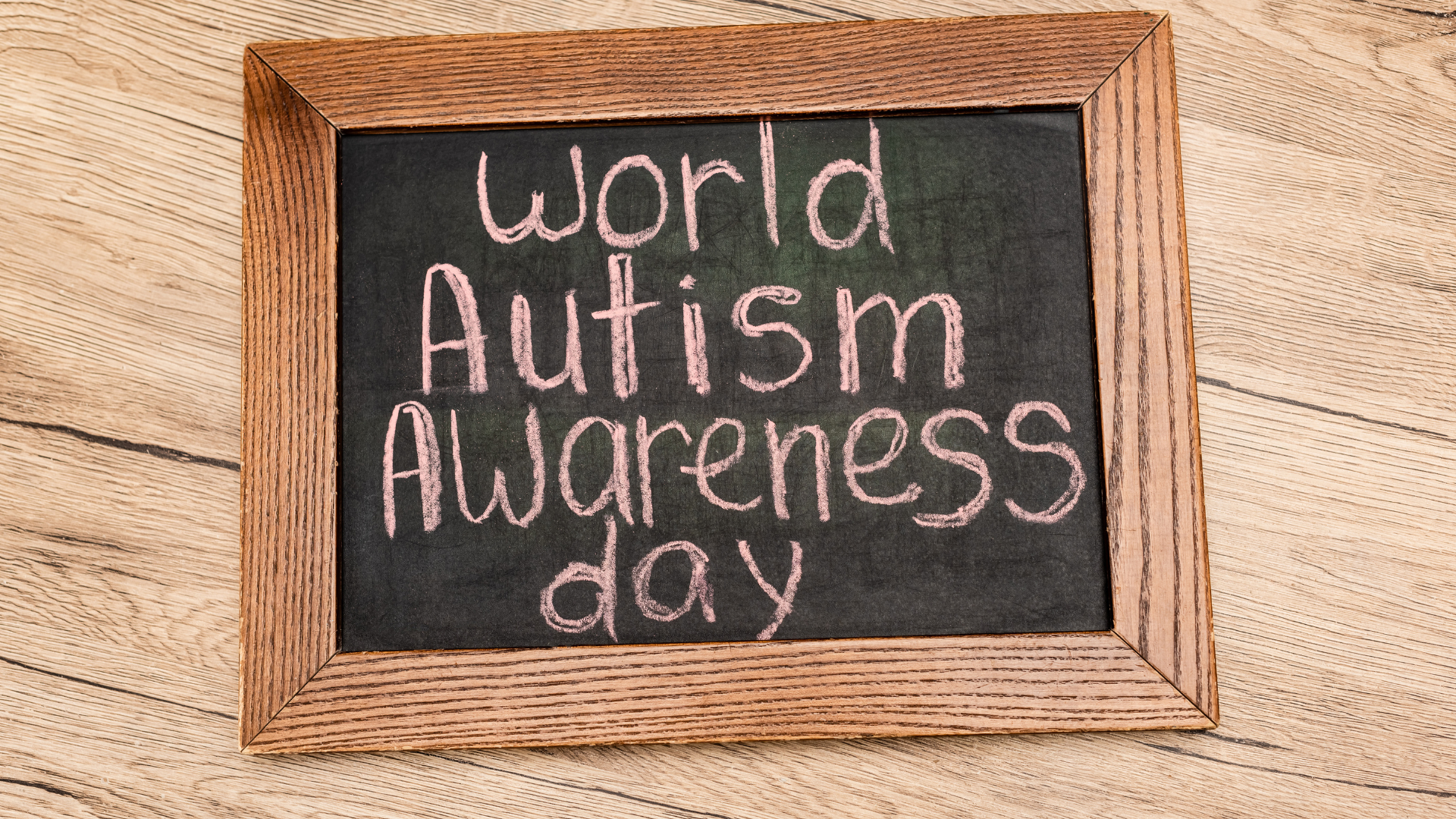
    Picture of wooden frame with the words World Autism Awareness day, which is part of the focus for this blog post about moving awareness toward true inclusion.

    Every year on April 2nd, Autism Awareness Day invites us to pause, reflect, and deepen our understanding of autism and the individuals and families within this community.

    But today is about more than awareness—it’s about acceptance, inclusion, and action.

    At Community Supports Network (CSN), we believe that creating a truly inclusive world means recognizing the strengths, perspectives, and individuality of people with autism, while also ensuring they have access to the support and opportunities they deserve.

    Understanding Autism

    Autism, or Autism Spectrum Disorder (ASD), is a developmental condition that affects how individuals communicate, interact, and experience the world around them.

    Because it is a spectrum, no two individuals are the same.

    Some individuals may need significant support in their daily lives, while others live more independently. Many individuals with autism have unique strengths, talents, and ways of thinking that enrich the communities they are part of.

    Understanding and respecting these differences is the first step toward inclusion.

    Moving Beyond Awareness

    Awareness helps us recognize autism—but inclusion requires action.

    True inclusion means:

    • Creating environments where individuals feel welcomed and valued
    • Offering opportunities for meaningful participation in the community
    • Supporting independence and personal growth
    • Listening to and learning from individuals with autism

    Inclusion isn’t just about making space—it’s about ensuring that space is supportive, respectful, and empowering.

    The Importance of Everyday Inclusion

    Inclusion doesn’t only happen in large initiatives or programs—it happens in everyday moments.

    It looks like:

    • Being patient in social interactions
    • Using clear and supportive communication
    • Creating accessible and sensory-considerate environments
    • Encouraging friendships and social connection

    These small actions can have a powerful impact on someone’s sense of belonging.

    Ways to Support the Autism Community

    Everyone can play a role in creating a more inclusive world. Supporting the autism community can start with simple, meaningful actions:

    • Educate yourself and others about autism to better understand different experiences and needs
    • Support organizations and nonprofits that provide advocacy, services, and resources
    • Attend local events like awareness walks, community programs, and transition fairs
    • Advocate for inclusive practices in schools, workplaces, and public spaces
    • Amplify autistic voices by listening to and sharing perspectives from individuals with lived experience

    Here are a few organizations making a meaningful impact:

    • Autism New Jersey – A leading statewide organization providing advocacy, education, and resources for individuals and families across NJ
      https://www.autismnj.org
    • The Arc of New Jersey – Offers support, advocacy, and programs for individuals with intellectual and developmental disabilities, including autism
      https://www.arcnj.org
    • Autism Speaks – Focused on advocacy, research, and resources to support individuals on the autism spectrum and their families
      https://www.autismspeaks.org
    • POAC Autism Services (Parents of Autistic Children) – Provides training, events, and support services specifically for NJ families
      https://www.poac.net
    • Autistic Self Advocacy Network (ASAN) – An organization run by and for autistic individuals, promoting self-advocacy and inclusion
      https://autisticadvocacy.org

    Supporting and engaging with these organizations helps strengthen the broader autism community.

    How CSN Supports Individuals with Autism

    At CSN, our approach is rooted in person-centered support—meeting each individual where they are and helping them work toward their unique goals.

    We support individuals with autism through:

    Our goal is not just to provide services, but to help individuals build meaningful, fulfilling lives within their communities.

    A Day to Reflect—and Act

    Autism Awareness Day is an opportunity to learn, listen, and reflect—but it’s also a reminder that inclusion is an ongoing effort.

    By moving beyond awareness and embracing acceptance, we can help create communities where individuals with autism feel seen, valued, and supported every day.

    At CSN, we are proud to be part of that mission.

  • What True Inclusion Looks Like in Our Communities

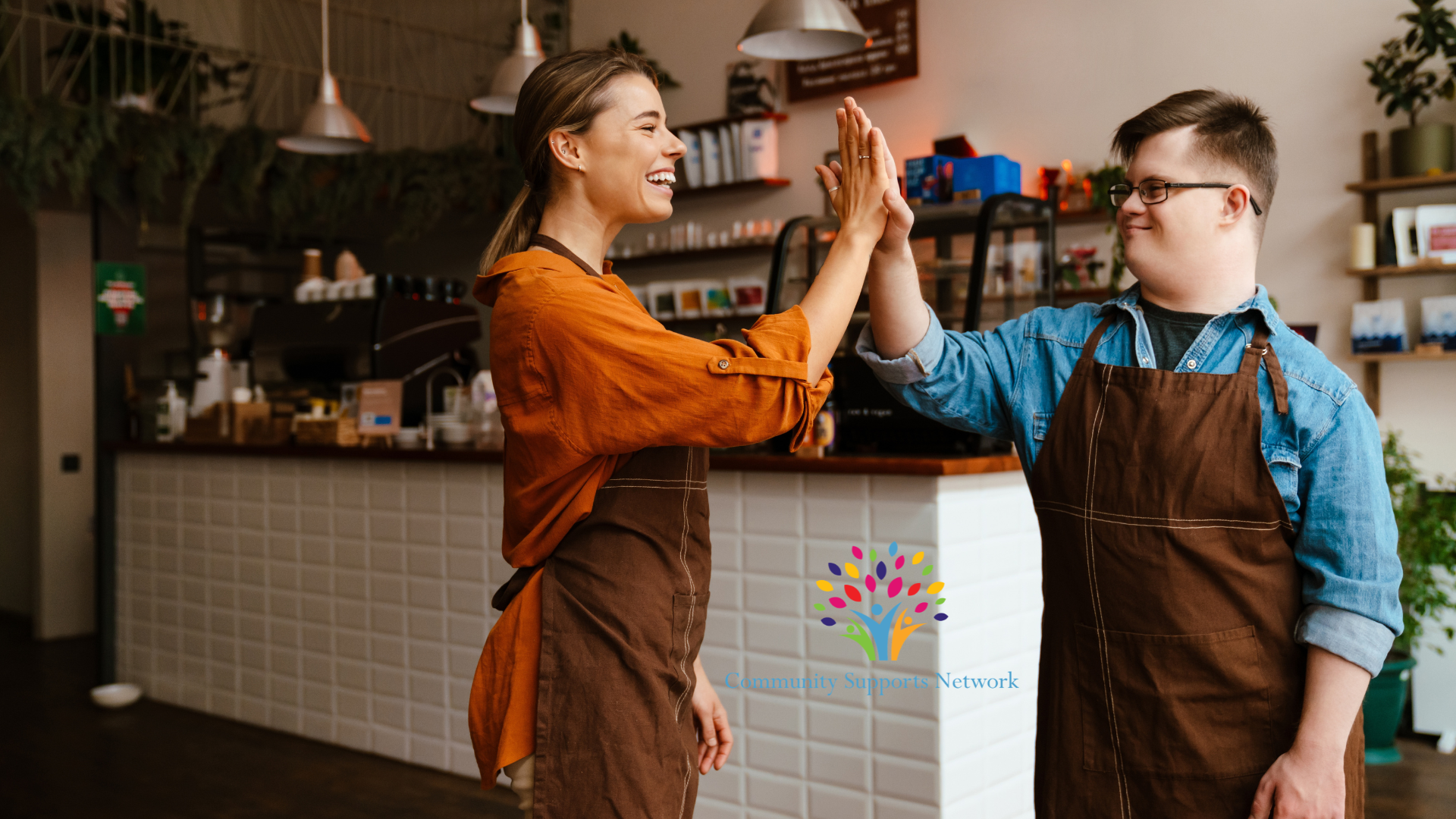
    Photo of a DSP with a young adult with autism giving each other a high-five in celebration of what true inclusion looks like within our communities.

    Every March, Developmental Disabilities Awareness Month invites us to reflect on an important question: What does inclusion really look like in everyday life?

    While awareness campaigns and advocacy efforts help bring attention to the disability community, true inclusion happens in the small, everyday moments. It’s present when individuals with disabilities are welcomed, supported, and valued as active members of their communities.

    At Community Supports Network (CSN), we believe inclusion is not just an idea—it’s something we can all help create.

    Moving Beyond Awareness

    Awareness is an important first step. It helps people understand the experiences, challenges, and strengths of individuals with developmental disabilities.

    But meaningful change happens when awareness turns into action.

    Inclusion means ensuring individuals with disabilities have the same opportunities as everyone else to:

    • Build friendships and social connections
    • Participate in community events and activities
    • Pursue meaningful employment
    • Live independently with the supports they need
    • Share their talents and contributions with others

    When communities focus on inclusion, everyone benefits.

    The Role of Support Services

    Support services play a vital role in helping individuals with disabilities lead fulfilling and independent lives.

    Organizations like Community Supports Network work alongside individuals and families to provide personalized services that support independence, growth, and community connection.

    These services may include:

    • Residential supports
    • Community-based programs
    • Employment assistance
    • Life skills development
    • Advocacy and resource guidance

    The goal is always the same: helping individuals build lives that reflect their goals, interests, and potential.

    How Communities Can Make a Difference

    Creating inclusive communities does not require large policy changes or complicated systems. Often, it begins with simple actions that make people feel welcomed and valued.

    Here are a few ways individuals and communities can help foster inclusion.

    Be open to connection.

    Take the time to get to know people in your community and recognize the value of diverse experiences.

    Support inclusive opportunities.

    Encourage businesses, organizations, and schools to create accessible environments where everyone can participate.

    Celebrate differences.

    Disability is part of human diversity. When we celebrate different abilities, perspectives, and experiences, we strengthen our communities.

    Listen and learn.

    One of the most important parts of advocacy is listening to the voices of individuals with disabilities and respecting their perspectives.

    Looking Ahead

    Inclusion is not something that happens once a year. It is something we build every day through awareness, advocacy, and action.

    At Community Supports Network, we are proud to support individuals with developmental disabilities as they pursue their goals and live meaningful lives within their communities.

    Together, we can continue creating communities where everyone feels valued, supported, and included.

  • Advocacy in Action: Disability Awareness Days in March

    Image with headline of March Advocacy Days, with subtext describing the month of March being filled with opportunities to raise awareness and celebrate inclusion and advocating for people with disabilities. Our company logo is at the bottom with our name, Community Supports Network, below it.

    How to Get Involved

    Advocacy plays a critical role in advancing inclusion, accessibility, and opportunity for individuals with disabilities. While advocacy happens year-round, certain moments throughout the year help shine a brighter spotlight on the issues, achievements, and voices within the disability community.

    March is one of those months.

    With several important advocacy days and awareness campaigns, March offers an opportunity to learn, celebrate progress, and take meaningful steps toward more inclusive communities.

    At Community Supports Network (CSN), we believe awareness is most powerful when it leads to action. Throughout the month, these advocacy observances remind us that individuals, families, professionals, and community partners all play a role in building a more inclusive world.

    Developmental Disabilities Awareness Month

    Each March, Developmental Disabilities Awareness Month highlights the importance of inclusion and the many contributions individuals with developmental disabilities make to their communities.

    The month was first recognized in 1987, when President Ronald Reagan called for greater awareness and understanding of the abilities and potential of people with developmental disabilities. Since then, however, the focus has expanded beyond awareness alone to emphasize something even more important: meaningful inclusion.

    Today, Developmental Disabilities Awareness Month encourages communities to recognize that individuals with developmental disabilities are not defined by limitations. Instead, they are employees, neighbors, friends, leaders, and advocates who contribute to their communities in meaningful ways.

    For organizations like CSN, this month reinforces the importance of person-centered services that empower individuals to pursue independence, employment, and community involvement.

    World Down Syndrome Day — March 21

    World Down Syndrome Day is celebrated globally on March 21. The date (3/21) represents the triplication of the 21st chromosome, which causes Down syndrome.

    On this day, individuals and organizations around the world raise awareness, promote inclusion, and advocate for equal opportunities for people with Down syndrome.

    For example, one of the most recognizable traditions associated with World Down Syndrome Day is the “Lots of Socks” campaign. People wear bright or mismatched socks to spark conversations about acceptance and inclusion.

    Beyond symbolic gestures, the day also highlights the importance of access to education, employment opportunities, healthcare, and community participation for individuals with Down syndrome.

    National Cerebral Palsy Awareness Day — March 25

    National Cerebral Palsy Awareness Day takes place on March 25 and aims to increase visibility and understanding of cerebral palsy, the most common motor disability in childhood.

    This day encourages education about the experiences of individuals with cerebral palsy. In addition, it promotes advocacy for improved accessibility, services, and resources.

    While every individual’s experience with cerebral palsy is unique, advocacy efforts focus on ensuring people with CP have equitable opportunities to participate in education, employment, recreation, and community life.

    As awareness grows, communities can work toward creating environments where accessibility and inclusion are the standard rather than the exception.

    International Women’s Day — March 8

    International Women’s Day, observed on March 8, celebrates the achievements and leadership of women around the world. In addition, it highlights ongoing efforts to advance equity and opportunity across communities.

    Within the disability community, this day also provides an opportunity to recognize the experiences and contributions of women with disabilities. At the same time, it acknowledges the many women who play vital roles in disability services as advocates, caregivers, support professionals, and leaders.

    Furthermore, recognizing these contributions helps bring attention to important issues such as accessibility, healthcare equity, employment opportunities, and representation for women with disabilities.

    Finally, International Women’s Day also offers a moment to celebrate the countless women working in disability services who dedicate their careers to supporting independence, dignity, and community inclusion.

    Turning Awareness Into Action

    Awareness days are important. However, their true value comes from the conversations and actions they inspire.

    Advocacy does not only happen at the policy level. Instead, it can take place in everyday moments — in classrooms, workplaces, neighborhoods, and communities.

    There are many ways individuals and organizations can get involved:

    • Learn more about disability rights and inclusion
    • Attend or support local advocacy events
    • Share stories and educational resources
    • Encourage inclusive hiring practices in workplaces
    • Support organizations that promote accessibility
    • Amplify the voices of individuals with disabilities

    Even small actions can create meaningful change.

    CSN’s Commitment to Advocacy and Inclusion

    At Community Supports Network, advocacy is woven into the work we do every day. Through person-centered supports, employment services, and community-based programs, our goal is to empower individuals with disabilities to live meaningful, self-directed lives.

    Ultimately, the advocacy days throughout March serve as a reminder that inclusion is not a one-time initiative. Rather, it is an ongoing commitment.

    By continuing to learn, listen, and advocate together, we can help create communities where individuals of all abilities have the opportunity to thrive.

  • Kindness That Connects Us: Celebrating World Kindness Day with CSN

    Celebrating World Kindness Day which occurs on November 13 each year.

    November 13, 2025 💛

    At Community Supports Network (CSN), we believe that kindness is more than a single act — it’s a way of being. It shows up in how we listen, how we include, and how we support one another.

    Each year on November 13, the world comes together to celebrate World Kindness Day, a global reminder that compassion can transform communities. Whether it’s a smile, a helping hand, or simply taking the time to understand someone’s story, kindness has the power to change the way we live and work together.

    💬 Kindness in Action — What It Looks Like at CSN

    Kindness is woven into everything we do at CSN. It’s in the patience of a Direct Support Professional (DSP) teaching a new skill. It’s in the encouragement shared between coworkers on a long day. It’s in the empathy shown to caregivers who give so much of themselves.

    Every day, we see how small, consistent acts of kindness lead to big outcomes — greater confidence, stronger relationships, and more inclusive communities.

    Here are just a few ways kindness shows up across our network:

    • A DSP takes extra time to help someone practice independence at the grocery store.
    • A supervisor checks in with a staff member who’s been juggling work and family challenges.
    • A community partner opens their doors to create more inclusive opportunities for adults with disabilities.

    These moments might not make headlines, but they build the foundation of who we are.

    🌎 Why Kindness Matters — Especially in Human Services

    In the field of disability supports, kindness isn’t a luxury — it’s essential.

    It reminds us that everyone deserves respect and patience. It reminds us that progress happens when people feel seen, understood, and valued. And it reminds us that being kind doesn’t just make someone’s day — it strengthens the culture of care that defines CSN.

    When we lead with kindness, we create ripple effects that reach far beyond one moment or one person.

    💛 How You Can Celebrate World Kindness Day

    You don’t need grand gestures to make a difference — start small and start where you are.

    Here are a few ideas to bring more kindness into your day:
    ✅ Send a thank-you note to a coworker, DSP, or caregiver who inspires you.
    ✅ Offer encouragement to someone who’s having a tough week.
    ✅ Listen fully when someone shares their story.
    ✅ Include intentionally — invite others to join in conversations or activities.
    ✅ Give yourself grace. Self-kindness matters too.

    💬 A Message from CSN

    At CSN, our work is built on connection — and kindness is at the heart of that connection.

    To our team members, families, caregivers, and community partners: thank you for showing what kindness in action looks like every single day. Together, we’re creating a more compassionate, inclusive world — one act of kindness at a time.

    Happy World Kindness Day from all of us at Community Supports Network!
    Let’s keep leading with empathy, patience, and heart — today and every day.

    Read more stories of kindness and inclusion at CSN Blog | Community Supports Network | Montville NJ

  • October is Down Syndrome Awareness Month (DSAM)

    Celebrating DSAM with Our Very Own CSN Family

    Collage of photos of Jess and Adeline in honor of Down Syndrome Awareness Month (DSAM)

    October is a month filled with advocacy and awareness days to celebrate, and one of them is Down Syndrome Awareness Month (DSAM).

    My name is Jessica Quarello, and as the Brand Communications Manager at Community Supports Network (CSN) and, as a mom to my 5-year-old daughter Adeline, this month holds a special place in my heart. It’s an opportunity to reflect on how far we’ve come, to educate others, and to celebrate the incredible individuals who make the world brighter just by being in it.

    What Down Syndrome Awareness Month Means to Me

    When Adeline was born, I entered a world I knew very little about — one filled with medical terms, therapy appointments, and questions about what the future would hold. But five years later, I can confidently say that what I once feared has become one of the greatest joys of my life.

    Down syndrome is not something that defines Adeline — it’s simply one part of who she is. She’s curious, funny, gentle, stubborn, and full of life. She adores music, her big sister Charlee, and has a smile that lights up every room she walks into.

    She taught me that milestones don’t have to happen on a certain timeline to be worth celebrating, and that inclusion isn’t just a word — it’s a way of life. Every time someone sees her for exactly who she is, not just her diagnosis, it reminds me of how far our communities have come — and how much farther we can still go.

    Understanding Down Syndrome

    Down syndrome is a genetic condition caused by the presence of an extra copy of chromosome 21. It’s the most common chromosomal condition, occurring in about 1 in every 775 babies born in the United States each year. (NDSS, n.d., “Facts, Myths & Truths About Down Syndrome“)

    While individuals with Down syndrome may share some physical traits or experience varying levels of developmental delay, each person is beautifully unique. They have their own personalities, talents, and dreams — just like anyone else.

    With early intervention, inclusive education, and access to community-based support, individuals with Down syndrome can thrive in school, build friendships, pursue careers, and lead fulfilling, independent lives.

    Jess holding Adeline up high with a big smile and joy.  Down Syndrome does not get in the way of love and joy!

    Beyond Awareness: Building a Culture of Inclusion

    For me, Down Syndrome Awareness Month isn’t just about awareness — it’s about action. It’s about challenging assumptions, amplifying voices, and celebrating the fact that people with Down syndrome make our communities stronger, more compassionate, and more vibrant.

    That belief is what led me to co-found Extra Lucky Moms, a platform dedicated to celebrating disability and reminding families that they are never alone. What started as a small Instagram page has grown into a nationwide community of parents, advocates, and allies — all sharing stories that shift perspectives and promote inclusion.

    Through Extra Lucky Moms, I’ve witnessed the incredible power of storytelling. Every shared experience — every challenge, every victory, every moment of joy — reminds others that difference is something to be embraced, not feared.

    That same spirit of inclusion is what drives us at Community Supports Network. From the way we communicate to the way we design our programs, CSN is committed to empowering individuals with disabilities and their families through compassion, connection, and opportunity. We know that inclusion doesn’t happen by chance — it happens through intention.

    This month, I encourage everyone to take a moment to learn, listen, and engage. Ask questions. Share stories. See the beauty in differences.

    What Adeline Has Taught Me

    Adeline has reshaped the way I see the world. She taught me patience, perspective, and the importance of celebrating small victories. She showed me that progress isn’t always linear — and that sometimes the most meaningful growth happens in quiet, beautiful moments.

    Most importantly, she taught me that love isn’t measured by milestones. It is found in connections, in laughter, in hugs, and in countless reminders that every single person — regardless of ability — belongs.

    Learn More & Get Involved

    If this month has inspired you to learn more about Down syndrome or how you can be part of creating a more inclusive world, there are so many wonderful ways to start.

    At Community Supports Network (CSN), we’re proud to partner with families of children and adults with disabilities across New Jersey. Our mission is to empower individuals through compassion, respect, and individualized support — helping every person live a full, meaningful life in their community.

    If you’re raising a child or supporting an adult with Down syndrome and are looking for guidance, programs, or community-based services, don’t hesitate to reach out to CSN. Our team is here to help you navigate available supports, connect with resources, and build a plan that fits your family’s needs.

    To learn more about Down syndrome, I also encourage you to visit:

    And if you’re a parent, caregiver, or ally seeking inspiration and community, visit Extra Lucky Moms — the platform I co-founded to celebrate the beauty in every kind of “extra.” 💙💛

    Together, we can continue to build a world where every individual — regardless of ability — is valued, supported, and included.

    Adeline and Jess outdoors with happy smiles

    Written by:
    Jess Quarello
    Brand Communications Manager, Community Supports Network
    Co-founder, Extra Lucky Moms
    Proud mom to Charlee & Adeline 💙💛

Serving Morris, Passaic, Bergen, Essex, Hudson, Union, Warren, Somerset, Hunterdon & Sussex Counties