
Tag: community-based supports

  • National Public Health Week: Why Accessible, Community-Based Supports Matter

    Graphic art depicting a wooden wall with colorful letters on it that spell the words "public health", which is central to this blog post abouit why accessible community-based supports matter.

    Each year from April 1–7, National Public Health Week highlights the importance of building healthier communities for all.

    At its core, public health is about ensuring that everyone—regardless of background, ability, or circumstance—has access to the resources and support they need to live a healthy, fulfilling life.

    For individuals with disabilities, this includes access to accessible healthcare, inclusive environments, and community-based supports that promote independence and overall well-being.

    At Community Supports Network (CSN), we see every day how these supports play a critical role in improving quality of life.

    What Public Health Means for Individuals with Disabilities

    Public health goes beyond hospitals and medical care. It includes the systems, services, and supports that shape everyday life.

    For individuals with disabilities, this can include:

    • Access to preventative care and healthcare services
    • Safe and accessible housing
    • Opportunities for physical activity and wellness
    • Social connection and community participation
    • Support systems that promote independence

    When these elements are in place, individuals are better able to thrive—not just physically, but socially and emotionally as well.

    The Role of Community-Based Supports

    Community-based supports are a key part of public health—especially for individuals with disabilities.

    These supports allow individuals to engage in their communities in meaningful, practical ways, such as:

    • Grocery shopping and preparing meals
    • Attending fitness programs or going to the gym
    • Participating in social and recreational activities
    • Building daily routines that promote stability and independence

    By supporting individuals in real-life environments, these services help build confidence, encourage healthy habits, and create a greater sense of belonging.

    Health Is More Than Physical

    True health includes more than physical well-being—it also includes emotional, social, and mental health.

    For individuals with disabilities, having access to supportive services can:

    • Reduce isolation and increase social connection
    • Build confidence and self-esteem
    • Provide structure and routine
    • Encourage independence and personal growth

    When individuals feel connected and supported, it positively impacts every area of their lives.

    Why Accessibility and Equity Matter

    Accessible and equitable healthcare means ensuring that individuals with disabilities can access the same opportunities as everyone else—without barriers.

    This includes:

    • Clear communication and understanding
    • Physical accessibility in community spaces
    • Inclusive programs and services
    • Support that is tailored to individual needs

    Equity ensures that each person receives the level of support they need to succeed.

    How CSN Supports Health and Well-Being

    At CSN, our approach is rooted in person-centered care and community integration.

    We support individuals by:

    • Encouraging participation in community activities that promote physical health and wellness
    • Building daily living skills that support independence
    • Providing opportunities for social connection
    • Supporting individuals in navigating their environments with confidence

    Our goal is to help individuals live healthy, meaningful lives within their communities.

    Building Healthier Communities Together

    National Public Health Week is a reminder that building healthier communities requires collaboration, awareness, and action.

    By investing in accessible services, inclusive environments, and community-based supports, we can create a world where individuals with disabilities are empowered to live full, connected, and healthy lives.

    At CSN, we are proud to be part of that effort—today and every day.
  • A Day in the Life: What Community-Based Supports Really Look Like

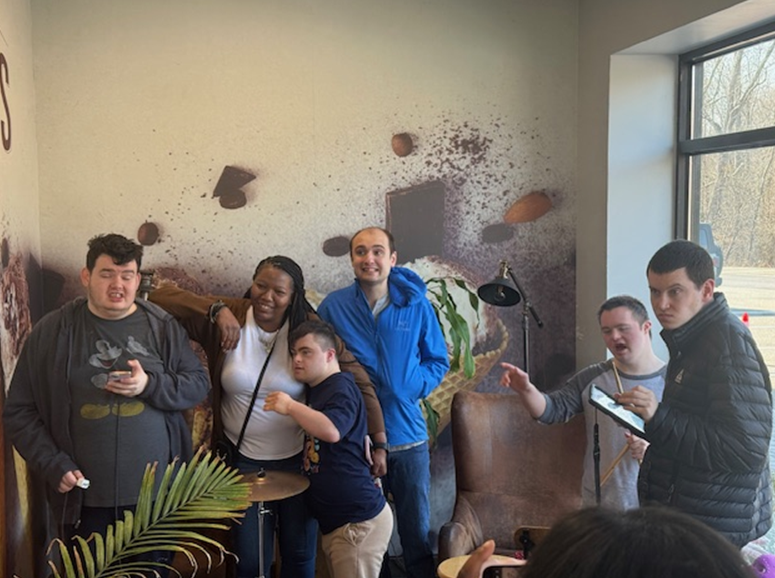
    Photo of a group of young adults together in a community of people with special needs.  They are illustrative of what community-based supports really look like, which is the topic of this blog post.

    When families begin exploring services, one of the most common questions is: What does support actually look like day to day?

    At Community Supports Network (CSN), community-based supports are designed to help individuals build independence, confidence, and meaningful connections—right in the environments where life happens.

    While every individual’s experience is unique, here’s a look at what a typical day with community-based supports can look like.


    Starting the Day with Routine and Independence

    The day often begins at home, where individuals are supported in building daily living skills.

    This might include:

    • Getting dressed and ready for the day
    • Preparing a simple breakfast
    • Reviewing a schedule or plan for the day

    With guidance and encouragement, individuals gain confidence in completing these routines more independently over time.


    Heading Into the Community

    Community-based supports focus on real-world experiences—because that’s where meaningful growth happens.

    Depending on the individual’s goals, this could include:

    • Going to the gym and following a workout routine
    • Grocery shopping and learning how to find items, compare prices, and check out
    • Visiting a local coffee shop or restaurant
    • Attending a class, club, or recreational activity

    These outings create natural opportunities to build independence while becoming more comfortable in everyday environments.


    Building Social and Communication Skills

    Throughout the day, real-life moments become opportunities to practice communication.

    Individuals may work on:

    • Starting conversations with peers or community members
    • Ordering food or speaking with staff at a store
    • Asking for help or clarification when needed

    These skills are practiced in supportive, low-pressure settings—helping individuals gain confidence over time.


    Developing Life and Employment Skills

    For many individuals, part of the day may focus on long-term independence and employment goals.

    This can look like:

    • Practicing time management (arriving on time, following a schedule)
    • Learning job-related tasks
    • Receiving support in a volunteer or work setting

    Each step helps build skills that translate into greater independence and future opportunities.


    Real Voices, Real Impact

    As one CSN team member shared:
    “Some of the biggest wins don’t look big at first—like saying hello to someone at the gym or checking out independently at the grocery store. But those moments build confidence, and over time, they add up to real independence.”


    Reflecting and Celebrating Progress

    At the end of the day, time is often spent reflecting on accomplishments—big or small.

    Whether it’s:

    • Trying something new
    • Completing a task more independently
    • Navigating a social interaction

    Every step forward matters. This is what community-based supports really look like.

Serving Morris, Passaic, Bergen, Essex, Hudson, Union, Warren, Somerset, Hunterdon & Sussex Counties