Tag: disability inclusion

  • National Public Health Week: Why Accessible, Community-Based Supports Matter

    Graphic art depicting a wooden wall with colorful letters on it that spell the words "public health", which is central to this blog post abouit why accessible community-based supports matter.

    Each year from April 1–7, National Public Health Week highlights the importance of building healthier communities for all.

    At its core, public health is about ensuring that everyone—regardless of background, ability, or circumstance—has access to the resources and support they need to live a healthy, fulfilling life.

    For individuals with disabilities, this includes access to accessible healthcare, inclusive environments, and community-based supports that promote independence and overall well-being.

    At Community Supports Network (CSN), we see every day how these supports play a critical role in improving quality of life.

    What Public Health Means for Individuals with Disabilities

    Public health goes beyond hospitals and medical care. It includes the systems, services, and supports that shape everyday life.

    For individuals with disabilities, this can include:

    • Access to preventative care and healthcare services
    • Safe and accessible housing
    • Opportunities for physical activity and wellness
    • Social connection and community participation
    • Support systems that promote independence

    When these elements are in place, individuals are better able to thrive—not just physically, but socially and emotionally as well.

    The Role of Community-Based Supports

    Community-based supports are a key part of public health—especially for individuals with disabilities.

    These supports allow individuals to engage in their communities in meaningful, practical ways, such as:

    • Grocery shopping and preparing meals
    • Attending fitness programs or going to the gym
    • Participating in social and recreational activities
    • Building daily routines that promote stability and independence

    By supporting individuals in real-life environments, these services help build confidence, encourage healthy habits, and create a greater sense of belonging.

    Health Is More Than Physical

    True health includes more than physical well-being—it also includes emotional, social, and mental health.

    For individuals with disabilities, having access to supportive services can:

    • Reduce isolation and increase social connection
    • Build confidence and self-esteem
    • Provide structure and routine
    • Encourage independence and personal growth

    When individuals feel connected and supported, it positively impacts every area of their lives.

    Why Accessibility and Equity Matter

    Accessible and equitable healthcare means ensuring that individuals with disabilities can access the same opportunities as everyone else—without barriers.

    This includes:

    • Clear communication and understanding
    • Physical accessibility in community spaces
    • Inclusive programs and services
    • Support that is tailored to individual needs

    Equity ensures that each person receives the level of support they need to succeed.

    How CSN Supports Health and Well-Being

    At CSN, our approach is rooted in person-centered care and community integration.

    We support individuals by:

    • Encouraging participation in community activities that promote physical health and wellness
    • Building daily living skills that support independence
    • Providing opportunities for social connection
    • Supporting individuals in navigating their environments with confidence

    Our goal is to help individuals live healthy, meaningful lives within their communities.

    Building Healthier Communities Together

    National Public Health Week is a reminder that building healthier communities requires collaboration, awareness, and action.

    By investing in accessible services, inclusive environments, and community-based supports, we can create a world where individuals with disabilities are empowered to live full, connected, and healthy lives.

    At CSN, we are proud to be part of that effort—today and every day.
  • Building Community, Connection, and Inclusion: A Recap of Our Wayne Event

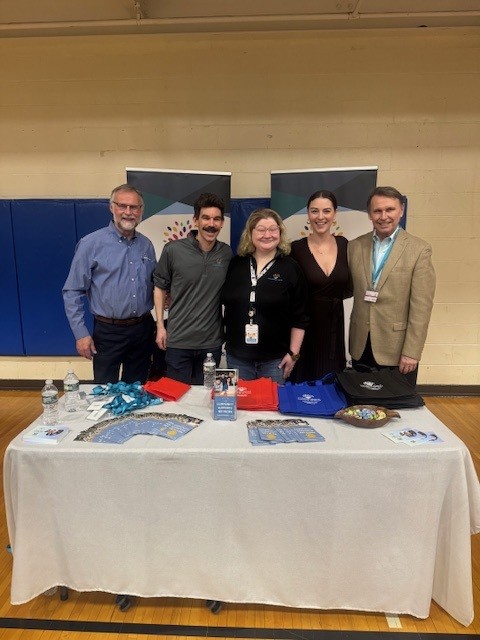
    Photo of our team at the Wayne Township's Disability Expo event on March 14, 2026.

    This past weekend, Community Supports Network (CSN) had the pleasure of participating in a wonderful community event at the Wayne Community Center—and what an incredible day it was.

    From the moment the doors opened, the space was filled with energy, connection, and a shared commitment to inclusion. Families, caregivers, professionals, and community members came together to learn more about available resources, connect with local organizations, and celebrate the strength and diversity of the disability community.

    A Day Centered on Connection

    One of the most meaningful parts of the event was the opportunity to connect face-to-face with so many families. We had the chance to listen to personal stories, answer questions, and provide guidance on navigating services and supports.

    Whether it was a parent looking for resources for their child, a caregiver seeking community, or a professional wanting to collaborate, every conversation reinforced why events like this matter so much.

    Sharing Resources That Make a Difference

    At CSN, we are committed to ensuring individuals with disabilities and their families have access to the tools and support they need to thrive.

    Throughout the day, our team shared information about:

    • Residential and community-based supports
    • Day and employment programs
    • Individualized services tailored to each person’s goals
    • Resources for families navigating the system

    It was inspiring to see how eager attendees were to learn, ask questions, and explore new opportunities for support.

    Celebrating Inclusion in Action

    Events like this are a powerful reminder that inclusion isn’t just an idea—it’s something we actively build together.

    Seeing so many organizations, families, and advocates in one place highlighted the importance of collaboration and community partnership. When we come together, we create stronger, more inclusive environments where everyone has the opportunity to belong and succeed.

    Thank You to Our Community

    We are so grateful to everyone who stopped by our table, shared their stories, and spent time with our team. Your openness, trust, and engagement mean everything to us.

    A special thank you to the organizers of the Wayne Community Center event for creating such a welcoming and impactful space for our community.

    Looking Ahead

    At CSN, our work doesn’t stop when the event ends.

    We are excited to continue building relationships, supporting families, and expanding access to inclusive services throughout our community. If you connected with us at the event—or if you’re just learning about CSN—we invite you to stay in touch, explore our services, and join us in creating a more inclusive future.


    Want to learn more or get involved?
    Visit our website or reach out to our team—we’re here to help every step of the way.

    Check out our video recap of the event below!

  • What True Inclusion Looks Like in Our Communities

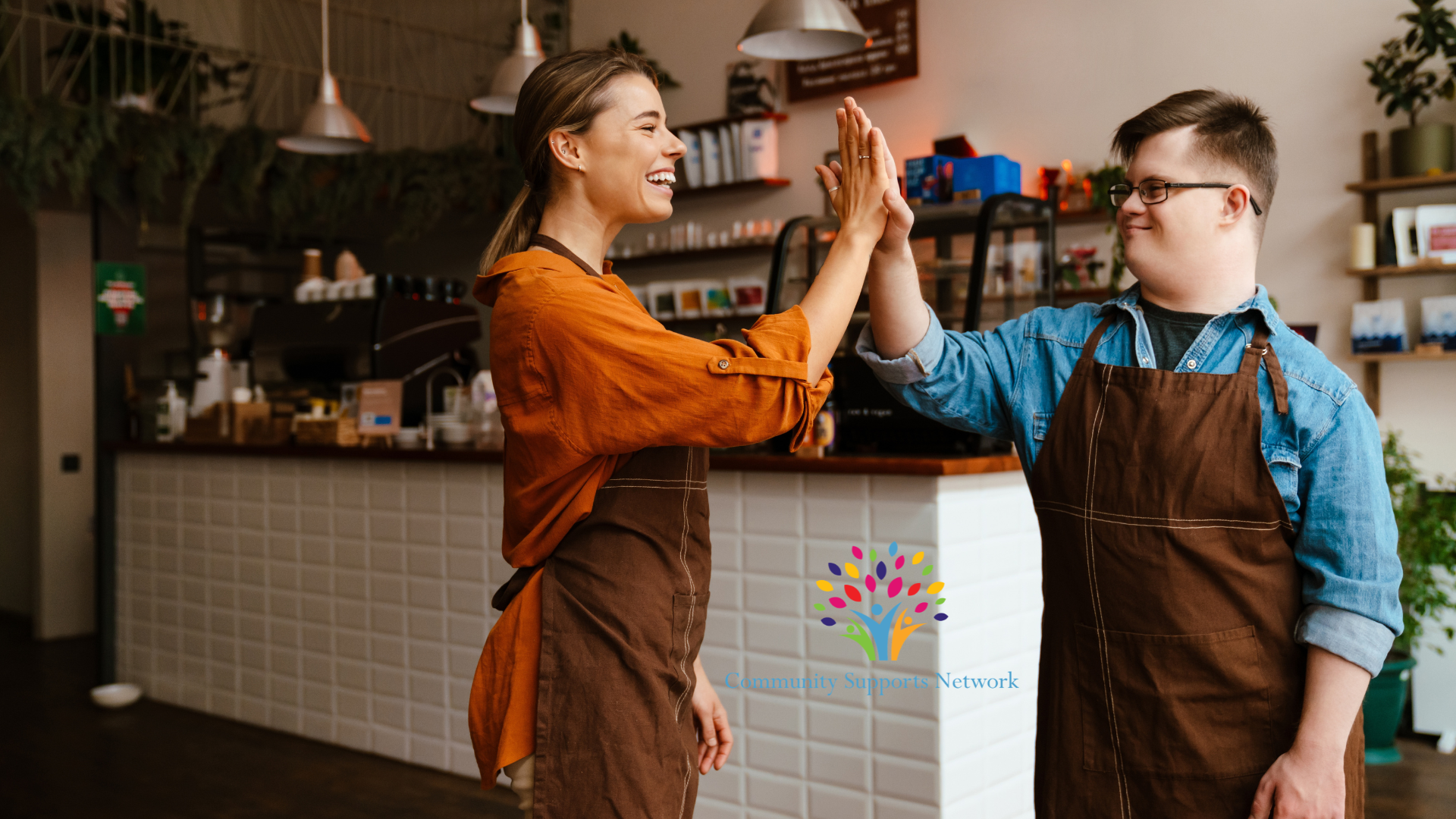
    Photo of a DSP with a young adult with autism giving each other a high-five in celebration of what true inclusion looks like within our communities.

    Every March, Developmental Disabilities Awareness Month invites us to reflect on an important question: What does inclusion really look like in everyday life?

    While awareness campaigns and advocacy efforts help bring attention to the disability community, true inclusion happens in the small, everyday moments. It’s present when individuals with disabilities are welcomed, supported, and valued as active members of their communities.

    At Community Supports Network (CSN), we believe inclusion is not just an idea—it’s something we can all help create.

    Moving Beyond Awareness

    Awareness is an important first step. It helps people understand the experiences, challenges, and strengths of individuals with developmental disabilities.

    But meaningful change happens when awareness turns into action.

    Inclusion means ensuring individuals with disabilities have the same opportunities as everyone else to:

    • Build friendships and social connections
    • Participate in community events and activities
    • Pursue meaningful employment
    • Live independently with the supports they need
    • Share their talents and contributions with others

    When communities focus on inclusion, everyone benefits.

    The Role of Support Services

    Support services play a vital role in helping individuals with disabilities lead fulfilling and independent lives.

    Organizations like Community Supports Network work alongside individuals and families to provide personalized services that support independence, growth, and community connection.

    These services may include:

    • Residential supports
    • Community-based programs
    • Employment assistance
    • Life skills development
    • Advocacy and resource guidance

    The goal is always the same: helping individuals build lives that reflect their goals, interests, and potential.

    How Communities Can Make a Difference

    Creating inclusive communities does not require large policy changes or complicated systems. Often, it begins with simple actions that make people feel welcomed and valued.

    Here are a few ways individuals and communities can help foster inclusion.

    Be open to connection.

    Take the time to get to know people in your community and recognize the value of diverse experiences.

    Support inclusive opportunities.

    Encourage businesses, organizations, and schools to create accessible environments where everyone can participate.

    Celebrate differences.

    Disability is part of human diversity. When we celebrate different abilities, perspectives, and experiences, we strengthen our communities.

    Listen and learn.

    One of the most important parts of advocacy is listening to the voices of individuals with disabilities and respecting their perspectives.

    Looking Ahead

    Inclusion is not something that happens once a year. It is something we build every day through awareness, advocacy, and action.

    At Community Supports Network, we are proud to support individuals with developmental disabilities as they pursue their goals and live meaningful lives within their communities.

    Together, we can continue creating communities where everyone feels valued, supported, and included.

  • How Families Can Advocate for Their Loved Ones with Disabilities

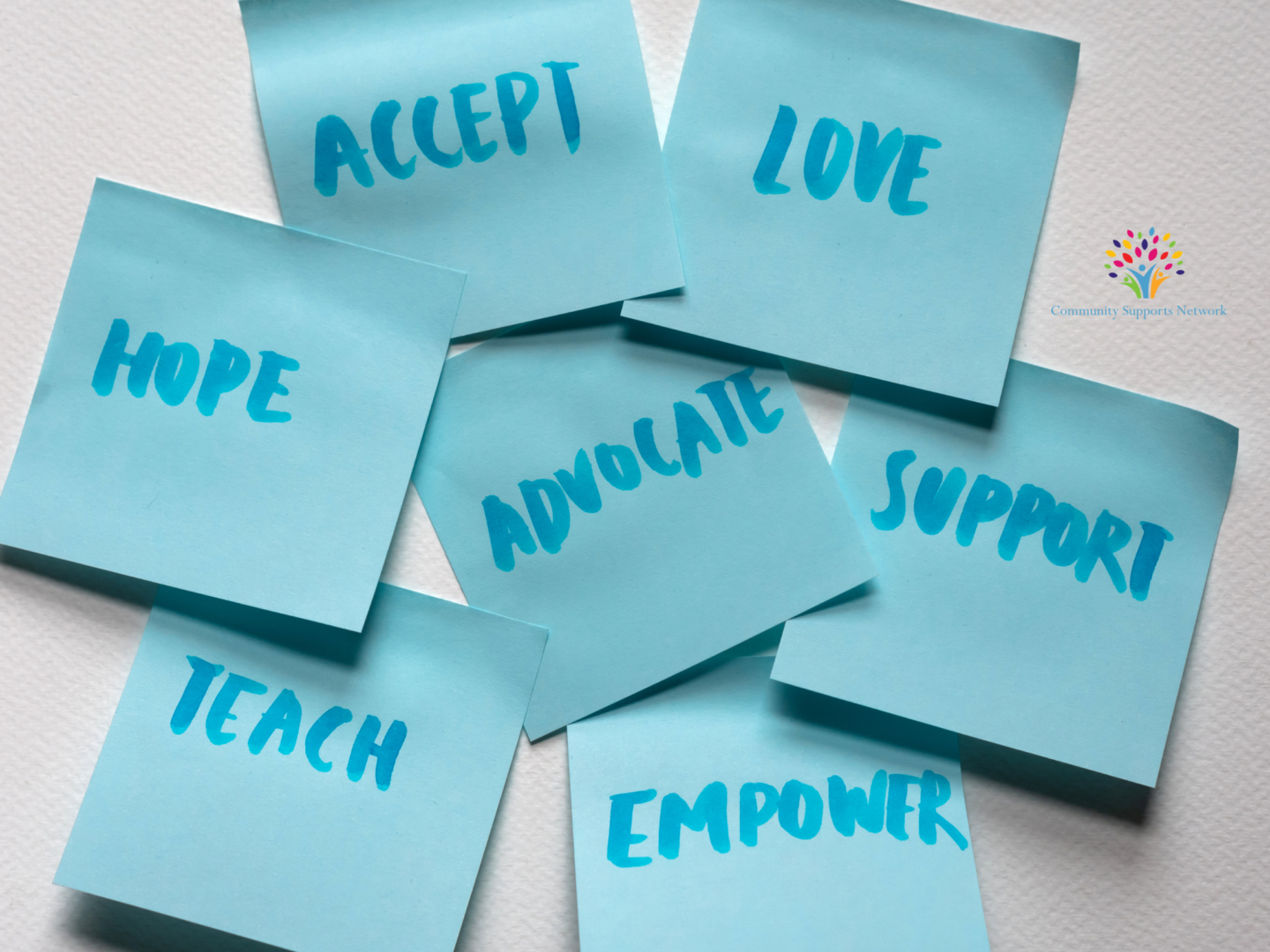
    Image of blue post-it notes with words like hope, love, accept, advocate, empower, teach, support, all of which are part of the topic for today's blog post about how families can advocate for their loved ones with disabilities.

    Advocacy plays a powerful role in improving the lives of individuals with disabilities. While large policy changes and national awareness campaigns often receive the spotlight, some of the most meaningful advocacy happens in everyday moments—when families speak up, ask questions, and work to ensure their loved ones have access to the opportunities and support they deserve.

    At Community Supports Network (CSN), we believe families are some of the most important advocates in the disability community. Whether advocating in schools, healthcare settings, workplaces, or local communities, families help create pathways for greater inclusion and understanding.

    What Advocacy Really Means

    Advocacy is simply the act of supporting and speaking up for the rights, needs, and well-being of an individual. For families of individuals with disabilities, advocacy can take many forms, including:

    • Ensuring appropriate educational supports and services
    • Promoting accessibility and inclusion in community spaces
    • Helping individuals access resources and support programs
    • Encouraging independence and self-advocacy skills

    Advocacy does not always mean confronting a problem. Often, it involves collaboration, communication, and education.

    Everyday Advocacy Makes a Difference

    Many families are already advocating for their loved ones in ways they may not even realize. Everyday advocacy can include:

    • Asking questions about services or supports
    • Sharing information with teachers, caregivers, or service providers
    • Encouraging inclusive opportunities in schools and community programs
    • Helping others better understand disability and inclusion

    These small actions help create environments where individuals with disabilities are respected, supported, and valued.

    Supporting Self-Advocacy

    One of the most powerful forms of advocacy is helping individuals learn to advocate for themselves. Self-advocacy allows individuals with disabilities to express their needs, preferences, and goals.

    Families can encourage self-advocacy by:

    • Involving individuals in decision-making
    • Encouraging them to express their opinions and preferences
    • Teaching them about their rights and available resources
    • Supporting opportunities to build independence

    Over time, these experiences help individuals gain confidence and strengthen their voice.

    Advocacy in the Community

    Advocacy also plays an important role in building more inclusive communities. Families can help raise awareness and promote inclusion by:

    • Participating in community events and advocacy initiatives
    • Supporting disability organizations and programs
    • Sharing personal stories and experiences
    • Encouraging businesses and organizations to adopt inclusive practices

    These efforts help create a culture where individuals with disabilities are welcomed and supported in every aspect of community life.

    How Community Supports Network Helps

    At Community Supports Network, we work alongside individuals and families to promote independence, opportunity, and inclusion. Through personalized services, community engagement, and dedicated support professionals, CSN helps individuals build the skills and confidence they need to thrive.

    Advocacy is not a single moment—it is an ongoing commitment to ensuring that individuals with disabilities have access to meaningful opportunities and a voice in their communities.

    When families, organizations, and communities work together, we can continue building a more inclusive future for everyone.

  • Honoring Black History Month: The Intersection of Race and Disability

    Black History Month invites us to reflect on the resilience, leadership, and contributions of Black individuals throughout history. It is also a time to acknowledge stories that have too often been overlooked — including the experiences of Black individuals with disabilities.

    The intersection of race and disability tells a powerful story about advocacy, inequity, resilience, and progress.

    At Community Supports Network (CSN), we believe honoring history means recognizing the barriers that existed — and continue to exist — while committing to equity in the services we provide today.

    A History of Overlooked Voices

    Historically, both racial discrimination and disability discrimination have shaped access to education, employment, healthcare, and community inclusion.

    Black individuals with disabilities have often faced compounded inequities:

    • Limited access to quality healthcare
    • Disproportionate placement in segregated education settings
    • Underdiagnosis or misdiagnosis of developmental disabilities
    • Reduced access to early intervention services
    • Barriers to culturally competent care

    For decades, disability advocacy movements and civil rights movements ran on parallel tracks — but the voices at the intersection were not always centered.

    And yet, Black leaders with disabilities have played powerful roles in shaping advocacy across both movements.

    Leaders Who Shaped Change

    Brad Lomax

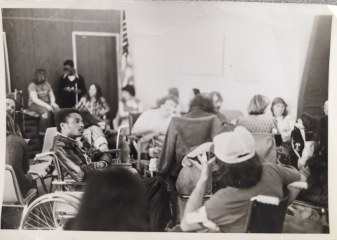
    Black and white photo of Brad Lomax with other activists at the history 504 Sit-in of 1977.

    A member of the Black Panther Party and a disability rights activist, Lomax played a critical role in the historic 504 Sit-In of 1977, which led to enforcement of Section 504 of the Rehabilitation Act — a foundational civil rights protection for individuals with disabilities.

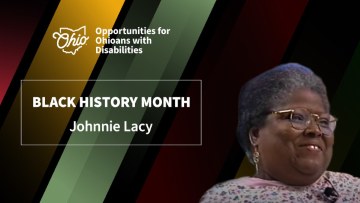
    Johnnie Lacy

    Image of Johnnie Lacy in honor of black history month.

    A leader in the Independent Living Movement, Lacy advocated for accessible housing and services while highlighting racial inequities within disability systems.

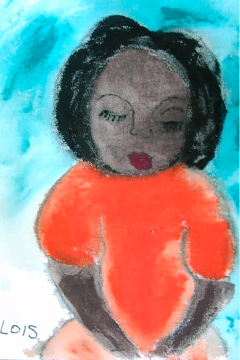
    Lois Curtis

    Image of painting depicting Lois Curtis in honor of black history month.


    Curtis was one of the plaintiffs in the landmark Olmstead v. L.C. Supreme Court case, which affirmed the right of individuals with disabilities to live in community-based settings rather than institutions.

    These leaders remind us that disability rights are civil rights — and that advocacy is strongest when it is inclusive.

    Where We Are Today

    Progress has been made, but disparities remain.

    Research continues to show:

    • Black children are more likely to face disciplinary action in schools rather than receive appropriate disability supports.
    • Black adults with disabilities experience higher rates of unemployment.
    • Access to culturally responsive services remains inconsistent.

    Understanding this history helps inform better practices today.

    Moving Forward with Equity

    At CSN, equity is not a seasonal conversation — it is an ongoing commitment.

    Providing person-centered services means recognizing the full identity of the individual — including culture, race, community, and lived experience.

    It means:

    • Practicing cultural humility
    • Listening without assumptions
    • Building trust with families
    • Ensuring access to community-based, inclusive services
    • Continuing education for support professionals

    When we acknowledge the intersection of race and disability, we strengthen our ability to provide truly inclusive care.

    Black History Month reminds us that progress is built through awareness, advocacy, and action.

    And that honoring history requires us to continue the work.

  • Our Visit to I’m Possible Café in Pine Brook, NJ

    A Place Where Inclusion is Served Daily

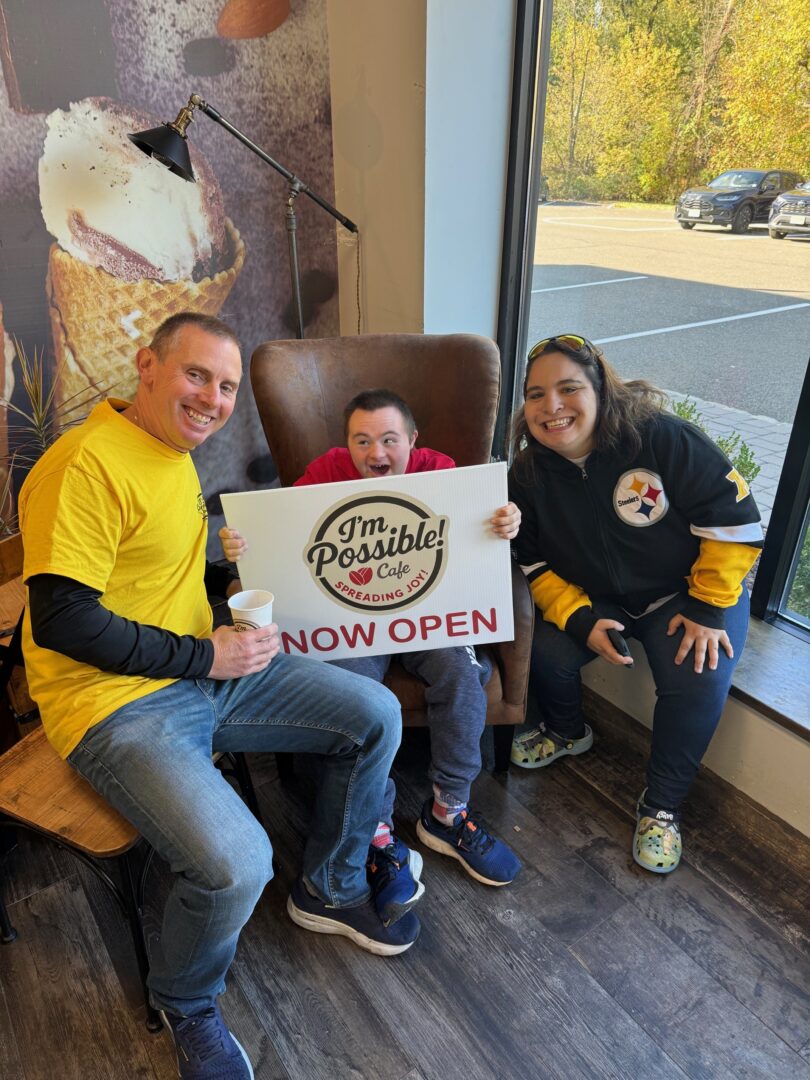
    Family with their son who has a disability showing off the new window sign of the cafe before its grand opening on Saturday October 25, 2025.

    At Community Supports Network (CSN), we believe inclusive spaces do more than open their doors—they open possibilities. When individuals with disabilities are not just welcomed but actively empowered, communities grow stronger, perspectives shift, and the true meaning of belonging comes to life.

    Yesterday, we visited I’m Possible Café, a pop-up breakfast café operating inside Seven Scoops & Sips in Pine Brook, NJ — and what we experienced was more than just good coffee. It was community in motion.

    A Space Built on Opportunity and Dignity

    I’m Possible Café offers adults with disabilities the chance to work, connect, and gain real-world experience in a public-facing environment. From greeting customers to preparing and serving coffee and breakfast items, to actively working as the cashier, each role is filled with purpose and pride.

    These moments matter. When individuals are seen for what they can do rather than what others assume they can’t, confidence grows. Skills build. Futures expand. This is the kind of environment that changes lives. Not just for those working there, but for every customer who walks in and sees ability in action.

    Why Inclusive Community Spaces Matter

    Employment isn’t just about a paycheck — it’s about belonging, identity, and contribution. Far too often, people with disabilities are left out of public-facing workplaces. Not because they are incapable, but because opportunity is withheld.

    Spaces like I’m Possible Café flip that narrative. They don’t just provide jobs — they model what equitable employment can and should look like. When customers order a cup of Café Joyeux coffee, they’re not just starting their morning — they’re engaging with a workforce that is talented, capable, and deserving of visibility.

    A Community Experience That Feels Like Connection

    What struck us most was the energy—warm, welcoming, and filled with genuine joy. Team members weren’t just performing tasks; they were contributing to an environment that felt hopeful and human. You don’t leave this café the same way you entered. You leave more aware. More inspired. More certain that inclusion is not just possible — it’s powerful.

    Join Them for the Grand Opening (Saturday, October 25 at 8:00 AM)

    The community is invited to celebrate I’m Possible Café’s Grand Opening this Saturday, October 25, starting at 8:00 AM. It’s a perfect moment to show up, enjoy breakfast and Café Joyeux coffee, and cheer on a team making inclusion visible — and delicious.

    How to Support I’m Possible Café

    If you’re local and looking for a meaningful way to support inclusive employment, stop by, grab breakfast, and share in their mission.

    I’m Possible Café (inside Seven Scoops & Sips)
    321 Changebridge Road, Pine Brook, NJ 07528
    Open Thursday–Saturday | 8:30 AM – 11:30 AM
    info@im-possiblecafe.org
    https://www.im-possiblecafe.org/

    A Shared Mission

    At CSN, our work is grounded in the belief that everyone deserves the opportunity to grow, contribute, and be part of something bigger than themselves. I’m Possible Café reflects that same belief—one cup, one conversation, and one opportunity at a time.

    Because inclusion shouldn’t be an exception. It should be the standard.

    If you attend the Grand Opening, tag us and I’m Possible Café so we can share your photos and keep the momentum going.

  • Words Matter: How Language Shapes Disability Inclusion

    Graphic art illustrating a person speaking words, next to bubbles representing words spoken by others in the same conversation, wherein the language used impacts disability inclusion.

    At Community Supports Network (CSN), we believe that inclusion begins with something simple but powerful — our words. The language we use to talk about disability shapes how people are perceived, included, and valued in our communities. When we speak with respect and awareness, we help build a world where everyone belongs.

    Why Language Matters

    Language does more than describe — it defines how we think. The words we choose can either reinforce stereotypes or create understanding. Over time, society’s approach to disability language has evolved — moving away from labels that isolate toward language that empowers.

    For example, phrases like “the disabled” have shifted to “people with disabilities” to emphasize the person, not the condition. This approach, known as person-first language, reflects the idea that disability is one part of who someone is — not their entire identity.

    Person-First vs. Identity-First Language

    In recent years, there’s been an important and ongoing conversation about how people prefer to be identified.

    • Person-first language (like “a person with autism” or “a person who uses a wheelchair”) focuses on individuality before disability.
    • Identity-first language (like “an autistic person” or “a Deaf person”) centers pride in disability identity and culture.

    Neither is “right” or “wrong” — the most respectful approach is to listen and use the language someone chooses for themselves.

    Common Phrases to Rethink

    We all use language out of habit, and sometimes without realizing the impact it can have. Here are a few easy shifts to make:

    Instead of…Try Saying…
    “Suffers from” or “victim of”“Lives with” or “has”
    “Wheelchair-bound”“Uses a wheelchair”
    “Normal” or “healthy”“Non-disabled”
    “Special needs”“Support needs” or “disabled” (if preferred)

    Small changes make a big difference. Inclusive language helps everyone feel seen, respected, and part of the conversation.

    How We Practice Inclusion at CSN

    At CSN, we’re committed to modeling inclusive communication in everything we do — from the way we speak with individuals and families to the language we use in our programs, newsletters, and community outreach. We know that words are one of the first ways people experience our values.

    Our mission is not only to provide exceptional support services but also to promote a culture of respect and belonging — across New Jersey and beyond.

    The Takeaway

    Language evolves, and so should we. By being mindful, open, and willing to learn, we can all help shape a more inclusive world — one word at a time.

    Want to learn more about how CSN promotes inclusion and empowerment across New Jersey? Visit our website or follow us on social media for more stories and resources.

  • October Advocacy Days: Shining a Light on Disability Awareness

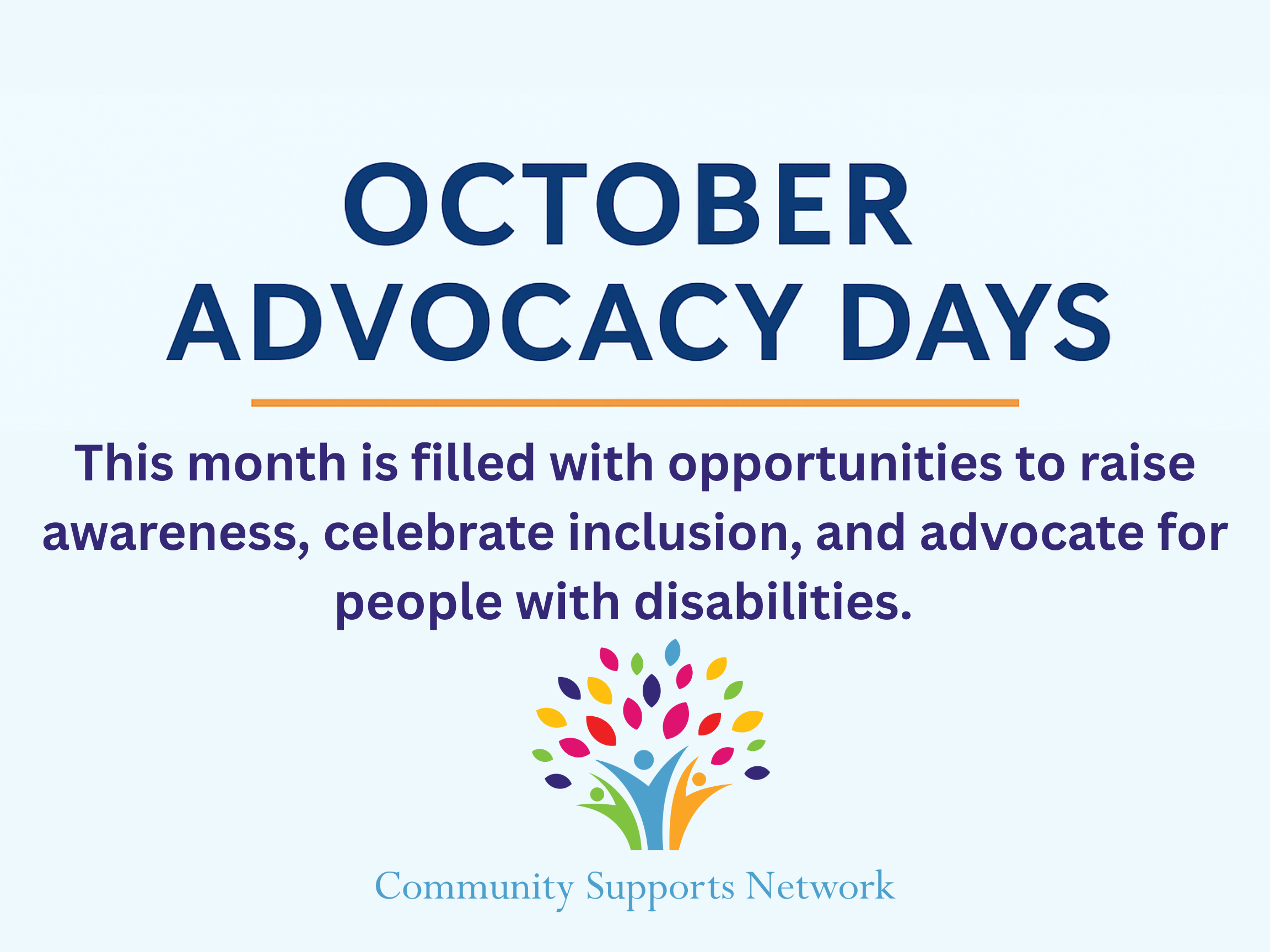
    October advocacy days. Disability advocacy days.

    October is a month filled with opportunities to raise disability awareness, educate communities, and celebrate the incredible individuals and families we serve at Community Supports Network (CSN). Throughout the month, there are numerous observances dedicated to disabilities, health conditions, and inclusion — each one offering a chance to foster understanding and create positive change.

    At CSN, we believe advocacy is more than just awareness; it’s about taking action to ensure individuals with disabilities and their families feel supported, valued, and empowered.

    Month-Long Observances

    National Disability Employment Awareness Month (NDEAM)

    Established in 1945 and officially designated by Congress in 1988, NDEAM celebrates the many contributions of people with disabilities to the American workforce. It’s also a reminder of the importance of inclusive hiring practices and workplace accessibility.
    💡 How you can help:

    • Advocate for disability-inclusive hiring in your workplace.
    • Support businesses owned or operated by individuals with disabilities.

    Down Syndrome Awareness Month

    This month is dedicated to celebrating individuals with Down syndrome, raising awareness, and advocating for acceptance and opportunities. It’s a time to honor their talents, achievements, and the incredible value they bring to our communities.
    💛💙 How you can help:

    ADHD Awareness Month

    Focused on education and support for those living with Attention Deficit Hyperactivity Disorder (ADHD), this month encourages understanding of ADHD as a neurodevelopmental condition, not a character flaw.
    💡 How you can help:

    • Learn about ADHD-friendly strategies for work, school, and home.
    • Share resources with families navigating ADHD.

    Dyslexia Awareness Month

    Dyslexia affects how people read, write, and process language. This month promotes early intervention and understanding, helping children and adults reach their full potential through proper support.
    💡 How you can help:

    • Advocate for early screenings in schools.
    • Encourage schools to provide accessible learning tools and resources.

    Spina Bifida Awareness Month

    Spina bifida is a birth defect affecting the spine and spinal cord. This observance is dedicated to educating communities and sharing resources to improve quality of life for those living with the condition.
    💡 How you can help:

    • Share educational materials to raise awareness.
    • Support local organizations providing resources for families.

    Key Awareness Days

    • World Cerebral Palsy Day – October 6
      Celebrating individuals with cerebral palsy while promoting advocacy and inclusion worldwide.
    • World Mental Health Day – October 10
      Raising awareness about mental health and the importance of accessible, compassionate care for all.
    • World Sight Day – October 9th
      Highlighting the importance of eye health and access to vision care globally.
    • Blind Americans Equity Day (White Cane Safety Day) – October 15
      Recognizing the independence and mobility that white canes provide to individuals with blindness or low vision.
    • Invisible Disabilities Week – Mid-October (around October 19–25)
      A week dedicated to raising awareness about disabilities that aren’t immediately visible, like chronic illnesses or neurological conditions.

    Why These Days Matter:

    Each of these observances is more than just a date on the calendar — it’s an opportunity to:

    • Advocate for inclusion and accessibility.
    • Educate others about disabilities and health conditions.
    • Celebrate the achievements and contributions of individuals with disabilities.

    At CSN, we encourage everyone to take part in these important moments of awareness. Whether through sharing stories, attending local events, or simply having meaningful conversations, every action helps create a more inclusive world.

    Join the movement!

    This October, let’s come together to support individuals with disabilities and their families. By recognizing these observances, we can amplify voices, break down barriers, and make meaningful progress toward a future where everyone has the opportunity to thrive.

    💙 Together, we can turn awareness into action.

    Want to learn more? Head to www.yourcsn.com to connect!

    Written by Jessica Quarello, Brand Communications Manager

  • Delivering Access, Advocacy & Connections Within Our Community

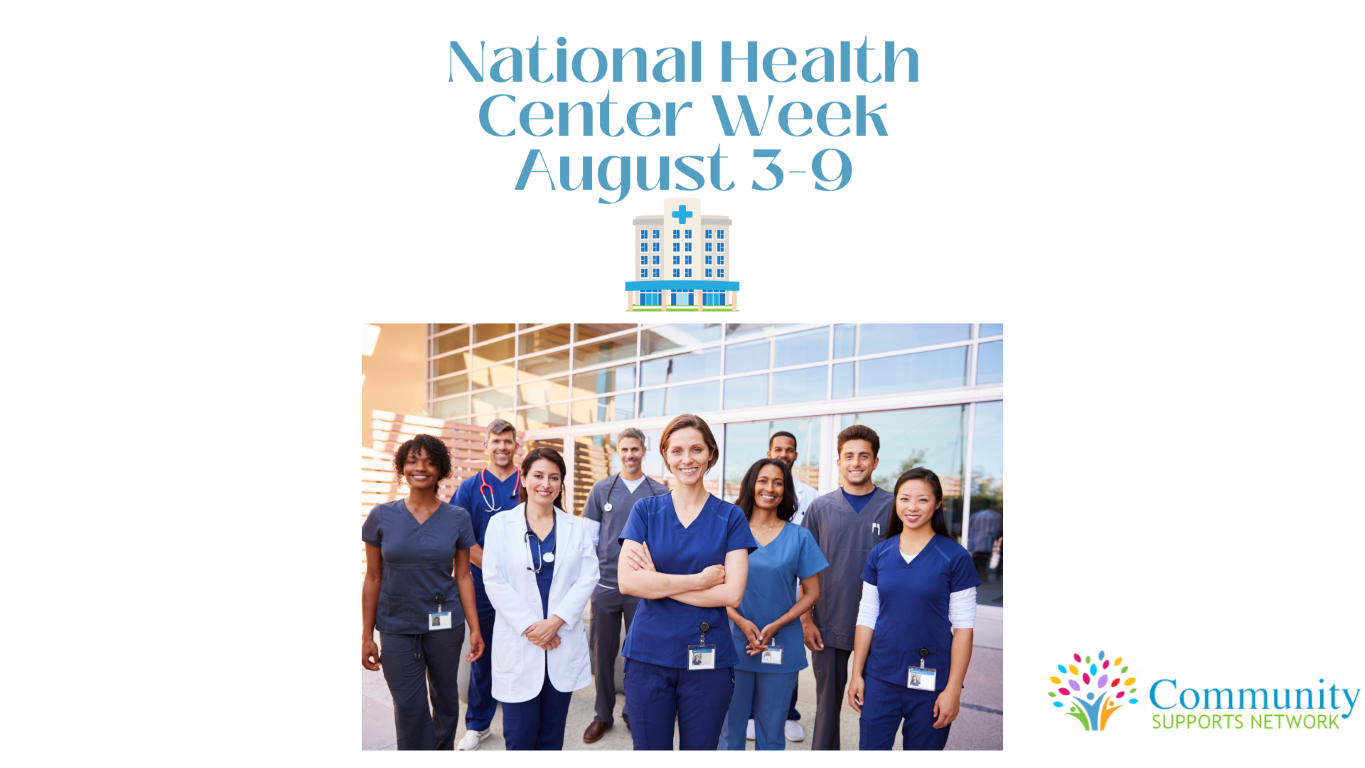
    The week of August 3rd though 9th is National Health Center Week, which gives us the opportunity to note a very important aspect of what we do here at CSN: improving quality of life, removing barriers to essential services, and ensuring that every person is treated with dignity and respect.

    Because this is such a central part of what we do, we felt it worthwhile to publish a post about this topic on LinkedIn, please be sure to have a look! In that post we explain how our company and team members connect our clients with the world of healthcare as part of our service portfolio, even though we are not formally a healthcare company. Rather, our services are complementary to medical care facilities, as we are a DDD-approved provider of support for adults with intellectual and developmental disabilities.

    Apart from what we published in that post, the importance of access to quality care of any type, such as individual supports, behavioral counseling, bringing clients to medical appointments, and much more, is something that we recognize as key part of our mission at CSN. Our Direct Support Professionals and management team members take this to heart in everything that we do, and our clients love our 100-percent engagement on this!

Serving Morris, Passaic, Bergen, Essex, Hudson, Union, Warren, Somerset, Hunterdon & Sussex Counties