
Tag: guidance and support

  • Building Independence One Step at a Time

    Why Breaking Down Tasks Matters in Disability Support

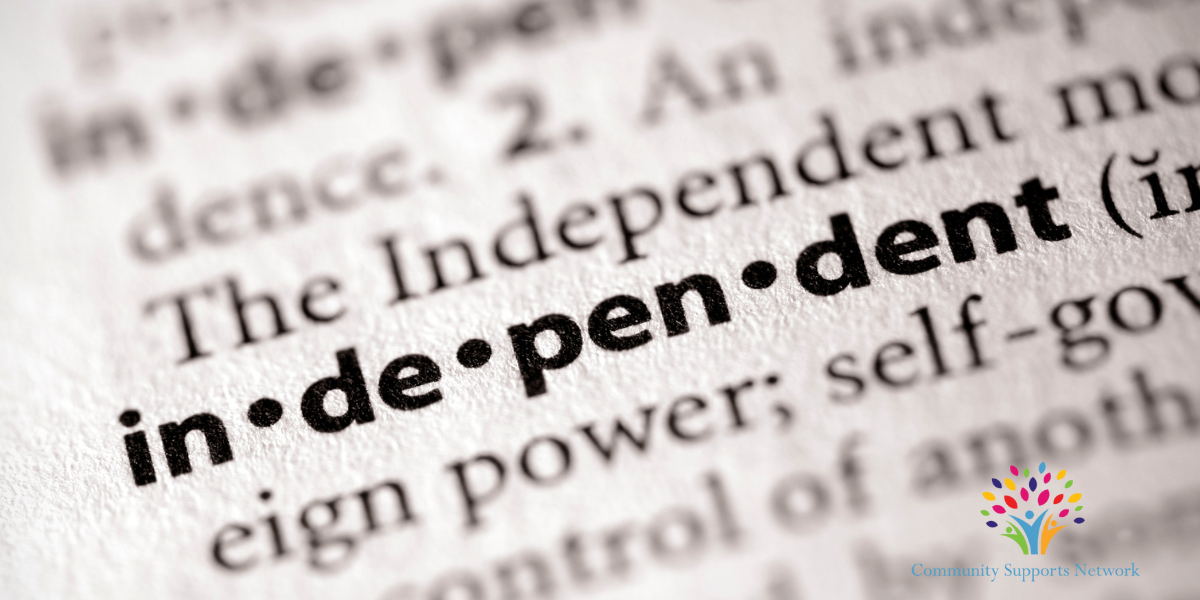
    Photo snapshot of the word "independent" from a dictionary definition explaining the meaning of that word in the English language.  In short it means that one is able to self-govern their actions.

    At Community Supports Network (CSN), we know that independence doesn’t happen all at once — it’s built one step, one choice, and one moment of trust at a time. This week, while preparing lunch with a client, we were reminded how important that approach truly is.

    The individual we were working with assumed we would handle the entire lunch preparation from start to finish, explaining that they don’t typically use the stove. It would have been easy — and faster — to simply step in and prepare everything ourselves. But that would have turned a support opportunity into a missed opportunity. Instead, we looked for moments within the task to build skills and confidence. Even though using the stove wasn’t appropriate for them right now, there were many other steps they could safely take part in. So we shifted our mindset from “doing it for them” to “doing it with them.”

    Here’s how we incorporated them into the process:
    ✅ They helped gather ingredients from the fridge and cabinets.
    ✅ We discussed each part of the recipe and what tools were needed.
    ✅ They stirred and mixed ingredients at the counter.
    ✅ We introduced basic kitchen safety concepts in real time.
    ✅ They plated the final meal and took ownership of the finished product.

    By the end, this wasn’t just “lunch someone made for me.” It became, “lunch I helped prepare.”

    How Breaking Down Tasks Helps Build Independence

    For many individuals with disabilities, being left out of tasks — even unintentionally — can reinforce the belief that they are dependent rather than capable. When we break down tasks into accessible pieces, we’re not simplifying the process — we’re strengthening it.

    Breaking a task into steps helps:
    ✅ Build confidence through achievable actions.
    ✅ Support skill development gradually over time.
    ✅ Reduce fear or anxiety around unfamiliar tasks.
    ✅ Show individuals that participation is possible, even if full independence isn’t there yet.
    ✅ Encourage pride, ownership, and self-worth.

    It’s a common misconception that being “independent” means doing everything entirely alone. In reality, independence often begins with supported participation. Even being involved in one step can open the door to stronger engagement the next time. This eventually leads to greater independence over time. When a person realizes, “I can do this part,” it shifts the narrative from limitation to possibility.

    As DSPs, caregivers, and support professionals, our role isn’t to rush to finish a task — we use that task as a bridge toward growth. That often means slowing down, asking “Where can I include them here?” and celebrating progress at every level. At CSN, we believe that success is not measured by whether someone completes an entire task alone. We see success when they gain confidence, learn something new, or feel empowered to try again.

    Next time we approach a daily task with someone we support, we can ask ourselves:

    “Am I doing this for them — or with them?”
    “Is there a step here they can safely try?”
    “How can we turn this routine moment into a chance to build independence?”

    Whether someone stirs ingredients, chooses a topping, or sets the table, these moments are not small. They are stepping stones toward confidence, self-reliance, and pride in their abilities.

    At CSN, we don’t just finish tasks — we build futures, one step at a time.

    Share your story with us or tag CSN on social media to inspire others in our community!

    Together, we can continue empowering individuals to discover what’s possible — one step at a time. Visit www.yourcsn.com to learn more!

  • Words Matter: How Language Shapes Disability Inclusion

    Graphic art illustrating a person speaking words, next to bubbles representing words spoken by others in the same conversation, wherein the language used impacts disability inclusion.

    At Community Supports Network (CSN), we believe that inclusion begins with something simple but powerful — our words. The language we use to talk about disability shapes how people are perceived, included, and valued in our communities. When we speak with respect and awareness, we help build a world where everyone belongs.

    Why Language Matters

    Language does more than describe — it defines how we think. The words we choose can either reinforce stereotypes or create understanding. Over time, society’s approach to disability language has evolved — moving away from labels that isolate toward language that empowers.

    For example, phrases like “the disabled” have shifted to “people with disabilities” to emphasize the person, not the condition. This approach, known as person-first language, reflects the idea that disability is one part of who someone is — not their entire identity.

    Person-First vs. Identity-First Language

    In recent years, there’s been an important and ongoing conversation about how people prefer to be identified.

    • Person-first language (like “a person with autism” or “a person who uses a wheelchair”) focuses on individuality before disability.
    • Identity-first language (like “an autistic person” or “a Deaf person”) centers pride in disability identity and culture.

    Neither is “right” or “wrong” — the most respectful approach is to listen and use the language someone chooses for themselves.

    Common Phrases to Rethink

    We all use language out of habit, and sometimes without realizing the impact it can have. Here are a few easy shifts to make:

    Instead of…Try Saying…
    “Suffers from” or “victim of”“Lives with” or “has”
    “Wheelchair-bound”“Uses a wheelchair”
    “Normal” or “healthy”“Non-disabled”
    “Special needs”“Support needs” or “disabled” (if preferred)

    Small changes make a big difference. Inclusive language helps everyone feel seen, respected, and part of the conversation.

    How We Practice Inclusion at CSN

    At CSN, we’re committed to modeling inclusive communication in everything we do — from the way we speak with individuals and families to the language we use in our programs, newsletters, and community outreach. We know that words are one of the first ways people experience our values.

    Our mission is not only to provide exceptional support services but also to promote a culture of respect and belonging — across New Jersey and beyond.

    The Takeaway

    Language evolves, and so should we. By being mindful, open, and willing to learn, we can all help shape a more inclusive world — one word at a time.

    Want to learn more about how CSN promotes inclusion and empowerment across New Jersey? Visit our website or follow us on social media for more stories and resources.

  • Conversation Starters for Disability Employment Awareness Month

    October is more than just a month of fall colors and changing seasons—it’s a time to spotlight the importance of disability awareness, advocacy, and inclusion. At Community Supports Network (CSN), we believe one of the most powerful ways to create lasting change is also one of the simplest: having meaningful conversations.

    Talking about disability can sometimes feel intimidating—people may worry about saying the wrong thing or not knowing enough. But silence doesn’t create progress. By asking thoughtful questions, sharing stories, and opening space for dialogue, each of us can help break down barriers and foster understanding.

    Why Conversations Matter

    Conversations are where awareness becomes action. They:

    • Educate others by sharing knowledge about disabilities, accessibility, and advocacy.
    • Challenge stereotypes by providing real-life examples that humanize experiences.
    • Build connection by encouraging empathy and mutual understanding.
    • Promote inclusion by sparking ideas for how workplaces, schools, and communities can do better.

    Every dialogue—whether in the break room, at the dinner table, or during a community event—creates ripples that move us toward a more inclusive world.

    Conversation Starters You Can Use

    If you’re not sure how to begin, here are some simple, approachable ways to start a conversation during Disability Awareness Month (and beyond):

    💬 At Work:

    • “Did you know October is National Disability Employment Awareness Month? What do you think our workplace could do to be more inclusive?”
    • “I read about an employer who hired more individuals with disabilities and saw incredible results—have you seen stories like that?”

    💬 In the Community:

    • “October highlights Down Syndrome Awareness Month, ADHD Awareness Month, and Dyslexia Awareness Month. Which of these causes resonates with you most?”
    • “Have you ever attended a local awareness walk or event? I’ve been thinking about going to one this month.”

    💬 With Family & Friends:

    • “I saw that October 10 is World Mental Health Day. What are some ways we can support each other’s mental health?”
    • “I came across a story about someone thriving with spina bifida—it made me think about the importance of access to resources. What do you think helps communities be more supportive?”

    These starters aren’t about having all the answers—they’re about opening doors to meaningful dialogue.

    Tips for Meaningful Conversations

    1. Lead with curiosity. Ask questions and listen without judgment.
    2. Share stories. Personal experiences (your own or those you’ve learned from others) help make topics relatable.
    3. Stay respectful. Use person-first or identity-first language based on the preference of the individual.
    4. Don’t worry about being perfect. A genuine effort matters more than flawless wording.

    Turning Conversations Into Action

    Words are powerful, but they’re only the beginning. Once a conversation begins, you can take it further by:

    • Attending awareness events together.
    • Volunteering with organizations supporting individuals with disabilities.
    • Advocating for accessibility at work or in your community.
    • Sharing resources, blogs, or educational materials with others.

    Final Thoughts

    Disability Awareness Month reminds us that inclusion begins with dialogue. Every question asked, every story shared, and every conversation started has the potential to create understanding and spark meaningful change.

    This October, we encourage you to take the first step: start the conversation. You might be surprised by how much you learn—and how much impact you can make. 💙

    Editor’s note: If you would like to start a conversation about support services for a loved one with special needs, please feel free to contact us at any time. We are here to help!

  • Tip Tuesday: 5 Ways to Make Medical Visits Less Stressful

    Tip Tuesday: How to make medical visits less stressful for people with disabilities.

    Doctor visits are an important part of staying healthy, but for individuals with disabilities and their families, they can also bring stress and anxiety. Unfamiliar settings, long wait times, and sensory challenges can make appointments overwhelming — but with a little preparation, they can go much more smoothly.

    At Community Supports Network (CSN), we know that planning ahead and advocating for individualized care makes a world of difference. Here are five practical tips to help you feel more confident and prepared for your next medical visit:

    1. Prepare Ahead of Time

    Before the appointment, write down:

    • A list of symptoms, concerns, or questions you want to address.
    • Updates on any medications or therapies.
    • Important details about changes in behavior, sleep, or eating habits.

    This preparation helps ensure nothing gets overlooked when you’re face-to-face with the provider.

    2. Bring Comfort Items

    A doctor’s office can be full of overwhelming sights, sounds, and smells.

    • Pack a comfort item such as a favorite toy, blanket, or weighted lap pad.
    • Noise-canceling headphones or sunglasses can help reduce sensory overload in busy waiting rooms.
    • A small snack or drink (if allowed) can also provide comfort during long waits.

    3. Use a Visual Schedule or Social Story

    For many individuals, especially children, knowing what to expect can help reduce anxiety.

    • Create a visual schedule that shows each step of the visit, from check-in to leaving.
    • If possible, role-play the appointment at home using a social story or practice kit (pretend stethoscope, bandages, etc.).

    This approach builds familiarity and confidence.

    4. Advocate for Your Needs

    You are your loved one’s best advocate!

    • Let the office staff know about any accommodations your family member may need, such as extra time, a quiet room, or specific communication methods.
    • Don’t hesitate to ask for instructions in plain language or written form if needed.
    • Share any relevant care plans or notes from other specialists so everyone is on the same page.

    5. Plan for Downtime After the Appointment

    Medical visits can be emotionally and physically exhausting.

    • Schedule some calm, recovery time after the appointment, whether that’s relaxing at home, going for a quiet walk, or watching a favorite movie.
    • This helps prevent overwhelm and allows everyone to decompress.

    Final Thoughts

    Healthcare can be challenging to navigate, but with the right preparation and mindset, doctor visits can become more manageable and less stressful. At CSN, we’re here to support families in every step of their journey — ensuring individuals with disabilities receive the care, respect, and compassion they deserve.

    By taking small steps to plan ahead, you can turn appointments into positive experiences that build trust and confidence for the future.

    Written by Jessica Quarello, Brand Communications Manager

  • Breaking Down Barriers: How Disability Services Work in New Jersey (A Family Guide)

    Navigating supports in New Jersey can feel like alphabet soup—NJEIS, CSOC, DDD, HCBS, NJCAT. Here’s a clear, step-by-step map of who to call, when to apply, and what to expect—from birth through adulthood.


    Birth–Age 3: Early Intervention (NJEIS)

    If you’re concerned about a child’s development before age 3, start with the New Jersey Early Intervention System (NJEIS). It’s the statewide program (run by NJ Department of Health) that evaluates and provides services for infants and toddlers with delays or disabilities. Families can self-refer; services typically end at the child’s third birthday.

    For children 3 and older, referrals typically shift to the local school district; families can also use Project Child Find (800-322-8174).


    Up to Age 21: Children’s System of Care (CSOC) / PerformCare

    For youth with intellectual/developmental disabilities (I/DD), mental health needs, or substance-use challenges, New Jersey’s Children’s System of Care (CSOC) is the public front door.
    PerformCare is the 24/7 single point of access for eligibility and service coordination under CSOC:
    📞 1-877-652-7624
    🌐 www.performcarenj.org


    Planning the Transition to Adulthood (Around 18–21)

    You can apply to the Division of Developmental Disabilities (DDD) at age 18, but DDD’s adult services start at 21 (while school-based services can continue through 21). Families should begin transition planning with the school IEP team and explore DDD eligibility well before the 21st birthday so services can start smoothly.
    Learn more: DDD Eligibility


    Age 21+: Division of Developmental Disabilities (DDD)

    DDD administers New Jersey’s Home and Community-Based Services (HCBS) for adults with I/DD via two Medicaid waiver programs:

    • Supports Program (SP): for adults living with family or independently in the community.
    • Community Care Program (CCP): includes options for licensed residential settings with additional clinical criteria.
      📘 Supports Program Manual

    Key Requirements & Steps

    1. Medicaid eligibility
      You must have NJ FamilyCare Medicaid to receive ongoing DDD services.
      NJ FamilyCare Info
    2. NJCAT assessment
      DDD uses the New Jersey Comprehensive Assessment Tool (NJCAT) to measure support needs in self-care, behavioral, and medical areas.
      NJCAT Overview
    3. Budgets by tier
      Your NJCAT score determines your tier and annual budget in the Supports Program.
      Budget Tier Table – Effective Jan 1, 2024
    4. Choose a Support Coordination Agency (SCA)
      Once eligible/enrolled, adults select a Support Coordination Agency. Support Coordinators help develop the Individualized Service Plan (ISP), locate providers, and make changes as needs evolve.
      Search for SCAs and Providers

    Self-Directed Options

    New Jersey offers Self-Directed Employee (SDE) models where individuals can hire their own staff and purchase certain approved services.
    Two models are available:

    • Vendor Fiscal/Employer Agent (VF/EA)
    • Agency With Choice (AWC)

    As of 2025, DDD is transitioning the VF/EA fiscal intermediary from PPL to Acumen, with staggered rollout through September 2025. Your Support Coordinator will guide you through model selection and enrollment.
    Self-Direction Resources


    How CSN Fits In

    • Navigation & planning: We help families prepare for key handoffs—Early Intervention → CSOC/PerformCare → DDD—so services don’t lapse.
    • Support Coordination: Once an adult enrolls with DDD, we work with support coordinators to provide this service that matches their NJCAT-based budget.
    • Self-direction support: We assist with setting up and maintaining self-directed services for long-term success.

    Quick Contacts (New Jersey)


Serving Morris, Passaic, Bergen, Essex, Hudson, Union, Warren, Somerset, Hunterdon & Sussex Counties