Tag: honoring individuals

  • Honoring Black History Month: The Intersection of Race and Disability

    Black History Month invites us to reflect on the resilience, leadership, and contributions of Black individuals throughout history. It is also a time to acknowledge stories that have too often been overlooked — including the experiences of Black individuals with disabilities.

    The intersection of race and disability tells a powerful story about advocacy, inequity, resilience, and progress.

    At Community Supports Network (CSN), we believe honoring history means recognizing the barriers that existed — and continue to exist — while committing to equity in the services we provide today.

    A History of Overlooked Voices

    Historically, both racial discrimination and disability discrimination have shaped access to education, employment, healthcare, and community inclusion.

    Black individuals with disabilities have often faced compounded inequities:

    • Limited access to quality healthcare
    • Disproportionate placement in segregated education settings
    • Underdiagnosis or misdiagnosis of developmental disabilities
    • Reduced access to early intervention services
    • Barriers to culturally competent care

    For decades, disability advocacy movements and civil rights movements ran on parallel tracks — but the voices at the intersection were not always centered.

    And yet, Black leaders with disabilities have played powerful roles in shaping advocacy across both movements.

    Leaders Who Shaped Change

    Brad Lomax
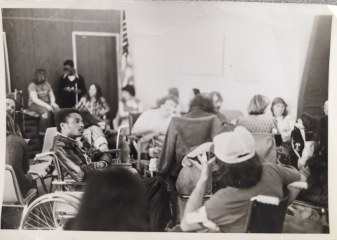
    Black and white photo of Brad Lomax with other activists at the history 504 Sit-in of 1977.

    A member of the Black Panther Party and a disability rights activist, Lomax played a critical role in the historic 504 Sit-In of 1977, which led to enforcement of Section 504 of the Rehabilitation Act — a foundational civil rights protection for individuals with disabilities.

    Johnnie Lacy
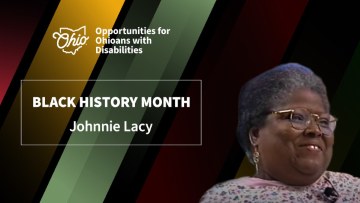
    Image of Johnnie Lacy in honor of black history month.

    A leader in the Independent Living Movement, Lacy advocated for accessible housing and services while highlighting racial inequities within disability systems.

    Lois Curtis
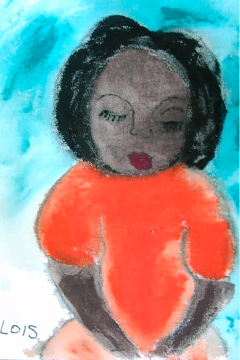
    Image of painting depicting Lois Curtis in honor of black history month.


    Curtis was one of the plaintiffs in the landmark Olmstead v. L.C. Supreme Court case, which affirmed the right of individuals with disabilities to live in community-based settings rather than institutions.

    These leaders remind us that disability rights are civil rights — and that advocacy is strongest when it is inclusive.

    Where We Are Today

    Progress has been made, but disparities remain.

    Research continues to show:

    • Black children are more likely to face disciplinary action in schools rather than receive appropriate disability supports.
    • Black adults with disabilities experience higher rates of unemployment.
    • Access to culturally responsive services remains inconsistent.

    Understanding this history helps inform better practices today.

    Moving Forward with Equity

    At CSN, equity is not a seasonal conversation — it is an ongoing commitment.

    Providing person-centered services means recognizing the full identity of the individual — including culture, race, community, and lived experience.

    It means:

    • Practicing cultural humility
    • Listening without assumptions
    • Building trust with families
    • Ensuring access to community-based, inclusive services
    • Continuing education for support professionals

    When we acknowledge the intersection of race and disability, we strengthen our ability to provide truly inclusive care.

    Black History Month reminds us that progress is built through awareness, advocacy, and action.

    And that honoring history requires us to continue the work.
  • Person-Centered Planning Isn’t a Buzzword – Here’s What It Actually Means

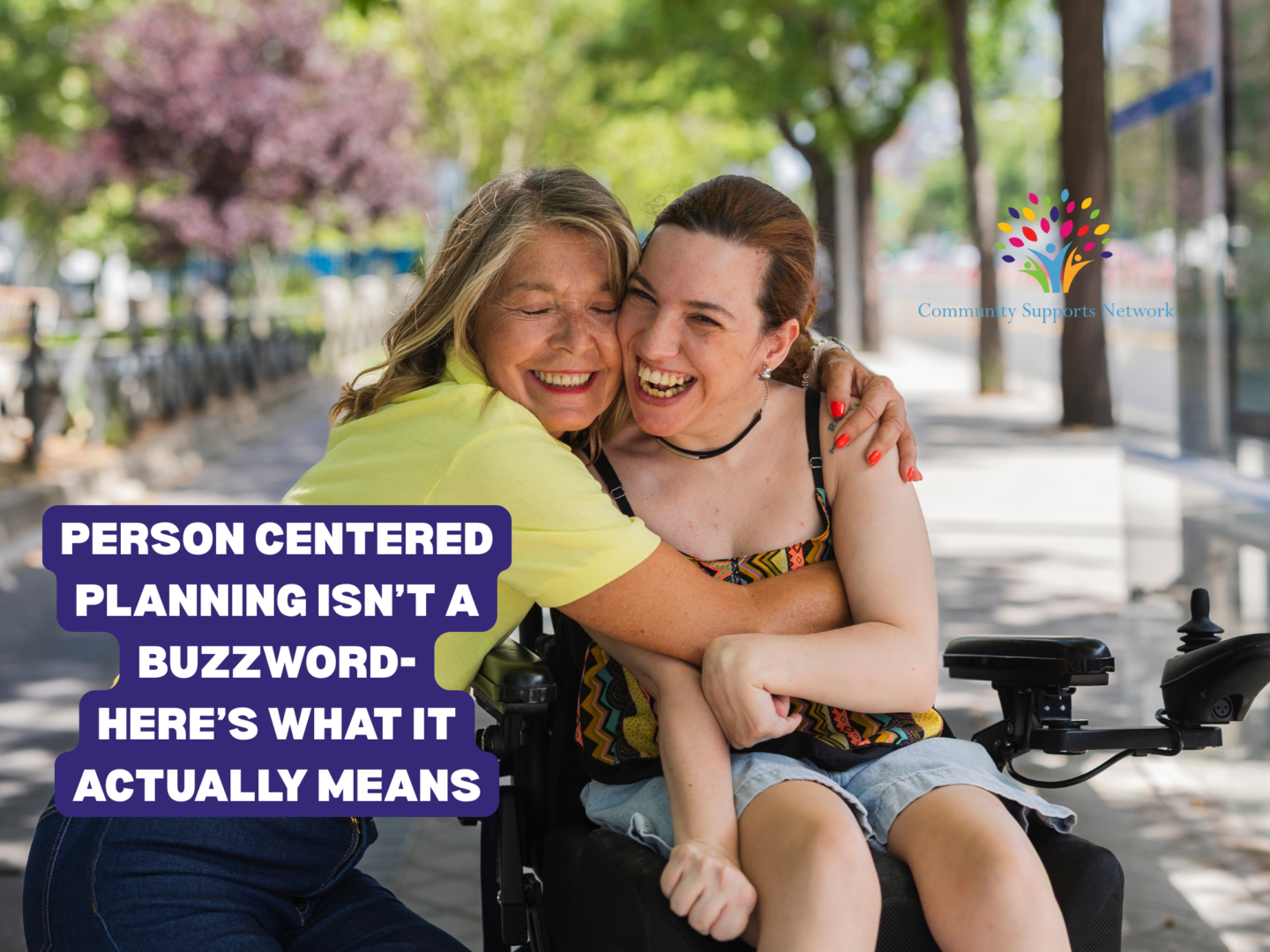
    Photo of a DSP joyfully hugging her client.  This moment embodies the essence of what person-centered planning really is all about.  It is far more than just making a list of planned activities.  It is how we show up together in support of one another.

    In the world of disability services, the phrase “person-centered planning” is everywhere.

    It appears in mission statements. It’s referenced in meetings. It shows up in documentation and training sessions.

    But what does it really mean?

    At Community Supports Network (CSN), person-centered planning isn’t a slogan. It’s the foundation of how we support individuals every single day.

    Person-centered planning means the individual is not just included in decisions — they lead them.

    It means support begins with listening.

    Not assumptions. Not checklists. Not systems.

    Listening.

    What Person-Centered Planning Is

    Person-centered planning is a collaborative process that focuses on an individual’s strengths, preferences, goals, and vision for their life.

    It asks:

    • What does a meaningful life look like to you?
    • What are your goals — big or small?
    • What environments help you thrive?
    • What kind of support feels respectful and empowering?

    Instead of designing services around what is available, person-centered planning designs services around what matters most to the individual.

    It recognizes that:

    • Independence looks different for everyone.
    • Growth is not one-size-fits-all.
    • Dignity is non-negotiable.

    The person is not a diagnosis. They are not a service plan. They are not a list of needs.

    They are a whole human being with preferences, dreams, relationships, and the right to direct their own life.

    What Person-Centered Planning Is Not

    It’s not completing paperwork and calling it a plan.

    It’s not deciding what’s “best” without meaningful input.

    It’s not focusing only on limitations.

    And it’s not creating goals based solely on what fits neatly into a program structure.

    True person-centered planning requires flexibility, creativity, and partnership. It sometimes requires slowing down. It requires humility. It requires trust.

    Most importantly, it requires believing that the person receiving services is the expert in their own life.

    What It Looks Like in Action

    Person-centered planning shows up in small, everyday moments.

    • It looks like honoring someone’s preferred communication style.
    • It looks like adjusting routines to match energy levels.
    • It looks like building employment goals around genuine interests — not convenience.
    • It looks like supporting friendships and community involvement that feel authentic, not forced.
    • It looks like asking before acting.
    • It looks like celebrating progress that matters to the individual — even if it’s invisible to others.

    At CSN, this philosophy guides how we approach supported employment, community-based services, and day-to-day support. Our role is not to control outcomes — it is to support individuals in building lives that feel meaningful to them.

    Why It Matters

    When planning is truly person-centered, outcomes improve.

    Confidence grows.

    Trust strengthens.

    Independence expands.

    Individuals feel seen — not managed.

    Families feel heard — not dismissed.

    Support professionals feel purposeful — not transactional.

    Person-centered planning isn’t about perfection. It’s about partnership.

    It’s about recognizing that every person deserves the opportunity to define success on their own terms.

    And it’s about building services that honor that right.

    At CSN, person-centered isn’t just what we say.

    It’s how we show up.

Serving Morris, Passaic, Bergen, Essex, Hudson, Union, Warren, Somerset, Hunterdon & Sussex Counties