

individuals with disabilities Archives - YourCSN

Tag: individuals with disabilities

  • Helping Individuals with Disabilities Transition to Summer

    Photo of five students jumping up for joy at the start of summer, which is part of the topic of this blog post about helping individuals with disabilities making the transition with support and focus on boosting independence and making social connections.

    As the school year comes to a close, many families look forward to the slower pace and flexibility that summer can bring. However, for individuals with disabilities, the transition from the structured routines of school to the less predictable days of summer can sometimes present challenges.

    Changes in schedules, activities, support systems, and daily expectations can impact everything from emotional well-being to social engagement. Fortunately, with thoughtful planning and support, summer can become a season of growth, connection, and meaningful experiences.

    Why Transitions Can Be Difficult

    For many individuals with disabilities, routine provides comfort, predictability, and a sense of security. During the school year, days are often structured around consistent schedules, familiar environments, educational activities, therapies, and social interactions.

    When summer arrives, many of those routines change or disappear entirely.

    Some individuals may experience:

    • Increased anxiety or frustration
    • Difficulty adjusting to new schedules
    • Changes in sleep patterns
    • Social isolation
    • Regression in certain skills
    • Challenges with unstructured time

    Recognizing these challenges early can help families and support teams create successful summer plans.

    Maintaining Structure During Summer

    While summer offers opportunities for flexibility and fun, maintaining some level of routine can be incredibly beneficial.

    Simple ways to create structure include:

    • Establishing consistent wake-up and bedtime routines
    • Creating a visual daily schedule
    • Planning regular activities throughout the week
    • Scheduling community outings
    • Maintaining therapy or support services when possible
    • Setting goals for skill development and independence

    A predictable routine can help reduce anxiety while still allowing room for new experiences and adventures.

    Encouraging Community Engagement

    Summer is a wonderful time to explore opportunities within the community. Community participation helps individuals build confidence, develop social skills, and strengthen their sense of belonging.

    Activities might include:

    • Visiting local parks and nature trails
    • Exploring museums, libraries, and aquariums
    • Attending community events and farmers markets
    • Participating in recreation programs
    • Volunteering
    • Taking fitness classes or joining a local YMCA
    • Spending time with friends and family

    Meaningful community engagement supports personal growth while helping individuals remain connected to the world around them.

    Focusing on Independence

    The summer months can also be a great time to work on everyday life skills and independence.

    Opportunities may include:

    • Grocery shopping
    • Meal preparation
    • Money management
    • Public transportation practice
    • Household chores
    • Communication and self-advocacy skills

    These everyday experiences can help individuals build confidence and prepare for greater independence in the future.

    Supporting Social Connections

    One of the biggest challenges during summer can be a reduction in social opportunities. Without the built-in social environment of school, some individuals may experience feelings of loneliness or isolation.

    Families and support professionals can encourage connection by:

    • Scheduling playdates or social outings
    • Participating in community programs
    • Joining clubs or interest groups
    • Attending local events
    • Exploring volunteer opportunities

    Even small social interactions can have a meaningful impact on overall well-being.

    Looking Ahead

    Summer doesn’t have to mean losing momentum. With thoughtful planning, supportive routines, and opportunities for community engagement, individuals with disabilities can continue learning, growing, and building meaningful connections throughout the season.

    At Community Supports Network, we believe every season should be filled with opportunities for inclusion, independence, and belonging. By focusing on connection, structure, and person-centered support, families and individuals can make the most of everything summer has to offer.

  • Honoring Black History Month: The Intersection of Race and Disability

    Black History Month invites us to reflect on the resilience, leadership, and contributions of Black individuals throughout history. It is also a time to acknowledge stories that have too often been overlooked — including the experiences of Black individuals with disabilities.

    The intersection of race and disability tells a powerful story about advocacy, inequity, resilience, and progress.

    At Community Supports Network (CSN), we believe honoring history means recognizing the barriers that existed — and continue to exist — while committing to equity in the services we provide today.

    A History of Overlooked Voices

    Historically, both racial discrimination and disability discrimination have shaped access to education, employment, healthcare, and community inclusion.

    Black individuals with disabilities have often faced compounded inequities:

    • Limited access to quality healthcare
    • Disproportionate placement in segregated education settings
    • Underdiagnosis or misdiagnosis of developmental disabilities
    • Reduced access to early intervention services
    • Barriers to culturally competent care

    For decades, disability advocacy movements and civil rights movements ran on parallel tracks — but the voices at the intersection were not always centered.

    And yet, Black leaders with disabilities have played powerful roles in shaping advocacy across both movements.

    Leaders Who Shaped Change

    Brad Lomax

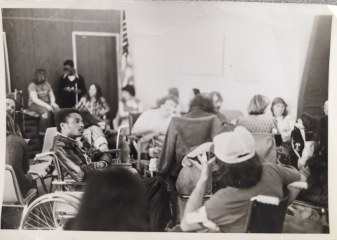
    Black and white photo of Brad Lomax with other activists at the history 504 Sit-in of 1977.

    A member of the Black Panther Party and a disability rights activist, Lomax played a critical role in the historic 504 Sit-In of 1977, which led to enforcement of Section 504 of the Rehabilitation Act — a foundational civil rights protection for individuals with disabilities.

    Johnnie Lacy

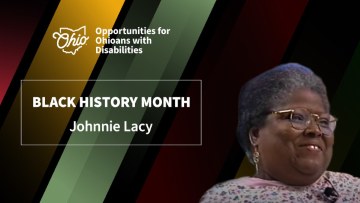
    Image of Johnnie Lacy in honor of black history month.

    A leader in the Independent Living Movement, Lacy advocated for accessible housing and services while highlighting racial inequities within disability systems.

    Lois Curtis

    Image of painting depicting Lois Curtis in honor of black history month.


    Curtis was one of the plaintiffs in the landmark Olmstead v. L.C. Supreme Court case, which affirmed the right of individuals with disabilities to live in community-based settings rather than institutions.

    These leaders remind us that disability rights are civil rights — and that advocacy is strongest when it is inclusive.

    Where We Are Today

    Progress has been made, but disparities remain.

    Research continues to show:

    • Black children are more likely to face disciplinary action in schools rather than receive appropriate disability supports.
    • Black adults with disabilities experience higher rates of unemployment.
    • Access to culturally responsive services remains inconsistent.

    Understanding this history helps inform better practices today.

    Moving Forward with Equity

    At CSN, equity is not a seasonal conversation — it is an ongoing commitment.

    Providing person-centered services means recognizing the full identity of the individual — including culture, race, community, and lived experience.

    It means:

    • Practicing cultural humility
    • Listening without assumptions
    • Building trust with families
    • Ensuring access to community-based, inclusive services
    • Continuing education for support professionals

    When we acknowledge the intersection of race and disability, we strengthen our ability to provide truly inclusive care.

    Black History Month reminds us that progress is built through awareness, advocacy, and action.

    And that honoring history requires us to continue the work.

Serving Morris, Passaic, Bergen, Essex, Hudson, Union, Warren, Somerset, Hunterdon & Sussex Counties