Tag: making a difference

  • What True Inclusion Looks Like in Our Communities

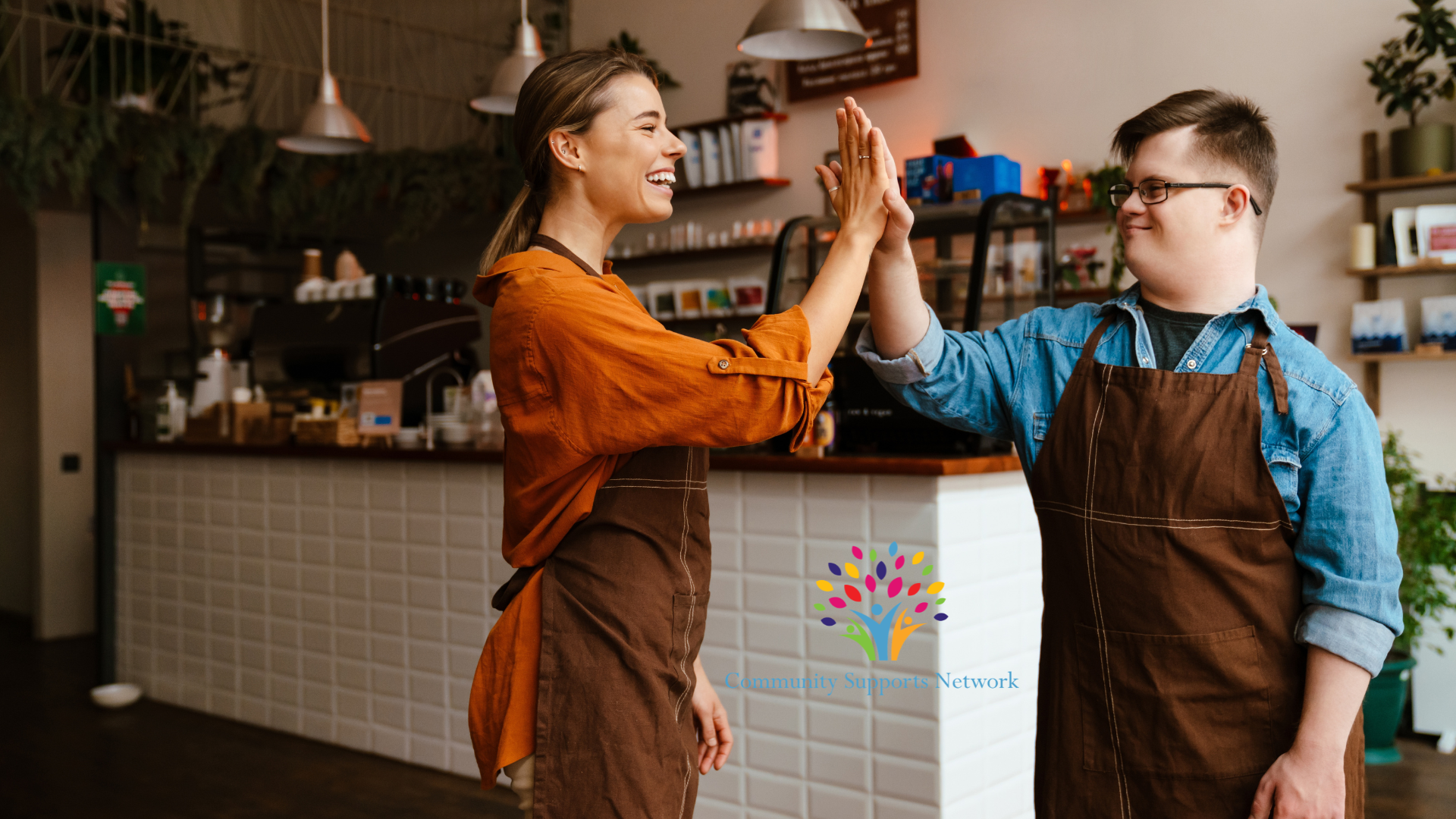
    Photo of a DSP with a young adult with autism giving each other a high-five in celebration of what true inclusion looks like within our communities.

    Every March, Developmental Disabilities Awareness Month invites us to reflect on an important question: What does inclusion really look like in everyday life?

    While awareness campaigns and advocacy efforts help bring attention to the disability community, true inclusion happens in the small, everyday moments. It’s present when individuals with disabilities are welcomed, supported, and valued as active members of their communities.

    At Community Supports Network (CSN), we believe inclusion is not just an idea—it’s something we can all help create.

    Moving Beyond Awareness

    Awareness is an important first step. It helps people understand the experiences, challenges, and strengths of individuals with developmental disabilities.

    But meaningful change happens when awareness turns into action.

    Inclusion means ensuring individuals with disabilities have the same opportunities as everyone else to:

    • Build friendships and social connections
    • Participate in community events and activities
    • Pursue meaningful employment
    • Live independently with the supports they need
    • Share their talents and contributions with others

    When communities focus on inclusion, everyone benefits.

    The Role of Support Services

    Support services play a vital role in helping individuals with disabilities lead fulfilling and independent lives.

    Organizations like Community Supports Network work alongside individuals and families to provide personalized services that support independence, growth, and community connection.

    These services may include:

    • Residential supports
    • Community-based programs
    • Employment assistance
    • Life skills development
    • Advocacy and resource guidance

    The goal is always the same: helping individuals build lives that reflect their goals, interests, and potential.

    How Communities Can Make a Difference

    Creating inclusive communities does not require large policy changes or complicated systems. Often, it begins with simple actions that make people feel welcomed and valued.

    Here are a few ways individuals and communities can help foster inclusion.

    Be open to connection.

    Take the time to get to know people in your community and recognize the value of diverse experiences.

    Support inclusive opportunities.

    Encourage businesses, organizations, and schools to create accessible environments where everyone can participate.

    Celebrate differences.

    Disability is part of human diversity. When we celebrate different abilities, perspectives, and experiences, we strengthen our communities.

    Listen and learn.

    One of the most important parts of advocacy is listening to the voices of individuals with disabilities and respecting their perspectives.

    Looking Ahead

    Inclusion is not something that happens once a year. It is something we build every day through awareness, advocacy, and action.

    At Community Supports Network, we are proud to support individuals with developmental disabilities as they pursue their goals and live meaningful lives within their communities.

    Together, we can continue creating communities where everyone feels valued, supported, and included.
  • Advocacy in Action: Disability Awareness Days in March

    Image with headline of March Advocacy Days, with subtext describing the month of March being filled with opportunities to raise awareness and celebrate inclusion and advocating for people with disabilities. Our company logo is at the bottom with our name, Community Supports Network, below it.

    How to Get Involved

    Advocacy plays a critical role in advancing inclusion, accessibility, and opportunity for individuals with disabilities. While advocacy happens year-round, certain moments throughout the year help shine a brighter spotlight on the issues, achievements, and voices within the disability community.

    March is one of those months.

    With several important advocacy days and awareness campaigns, March offers an opportunity to learn, celebrate progress, and take meaningful steps toward more inclusive communities.

    At Community Supports Network (CSN), we believe awareness is most powerful when it leads to action. Throughout the month, these advocacy observances remind us that individuals, families, professionals, and community partners all play a role in building a more inclusive world.

    Developmental Disabilities Awareness Month

    Each March, Developmental Disabilities Awareness Month highlights the importance of inclusion and the many contributions individuals with developmental disabilities make to their communities.

    The month was first recognized in 1987, when President Ronald Reagan called for greater awareness and understanding of the abilities and potential of people with developmental disabilities. Since then, however, the focus has expanded beyond awareness alone to emphasize something even more important: meaningful inclusion.

    Today, Developmental Disabilities Awareness Month encourages communities to recognize that individuals with developmental disabilities are not defined by limitations. Instead, they are employees, neighbors, friends, leaders, and advocates who contribute to their communities in meaningful ways.

    For organizations like CSN, this month reinforces the importance of person-centered services that empower individuals to pursue independence, employment, and community involvement.

    World Down Syndrome Day — March 21

    World Down Syndrome Day is celebrated globally on March 21. The date (3/21) represents the triplication of the 21st chromosome, which causes Down syndrome.

    On this day, individuals and organizations around the world raise awareness, promote inclusion, and advocate for equal opportunities for people with Down syndrome.

    For example, one of the most recognizable traditions associated with World Down Syndrome Day is the “Lots of Socks” campaign. People wear bright or mismatched socks to spark conversations about acceptance and inclusion.

    Beyond symbolic gestures, the day also highlights the importance of access to education, employment opportunities, healthcare, and community participation for individuals with Down syndrome.

    National Cerebral Palsy Awareness Day — March 25

    National Cerebral Palsy Awareness Day takes place on March 25 and aims to increase visibility and understanding of cerebral palsy, the most common motor disability in childhood.

    This day encourages education about the experiences of individuals with cerebral palsy. In addition, it promotes advocacy for improved accessibility, services, and resources.

    While every individual’s experience with cerebral palsy is unique, advocacy efforts focus on ensuring people with CP have equitable opportunities to participate in education, employment, recreation, and community life.

    As awareness grows, communities can work toward creating environments where accessibility and inclusion are the standard rather than the exception.

    International Women’s Day — March 8

    International Women’s Day, observed on March 8, celebrates the achievements and leadership of women around the world. In addition, it highlights ongoing efforts to advance equity and opportunity across communities.

    Within the disability community, this day also provides an opportunity to recognize the experiences and contributions of women with disabilities. At the same time, it acknowledges the many women who play vital roles in disability services as advocates, caregivers, support professionals, and leaders.

    Furthermore, recognizing these contributions helps bring attention to important issues such as accessibility, healthcare equity, employment opportunities, and representation for women with disabilities.

    Finally, International Women’s Day also offers a moment to celebrate the countless women working in disability services who dedicate their careers to supporting independence, dignity, and community inclusion.

    Turning Awareness Into Action

    Awareness days are important. However, their true value comes from the conversations and actions they inspire.

    Advocacy does not only happen at the policy level. Instead, it can take place in everyday moments — in classrooms, workplaces, neighborhoods, and communities.

    There are many ways individuals and organizations can get involved:

    • Learn more about disability rights and inclusion
    • Attend or support local advocacy events
    • Share stories and educational resources
    • Encourage inclusive hiring practices in workplaces
    • Support organizations that promote accessibility
    • Amplify the voices of individuals with disabilities

    Even small actions can create meaningful change.

    CSN’s Commitment to Advocacy and Inclusion

    At Community Supports Network, advocacy is woven into the work we do every day. Through person-centered supports, employment services, and community-based programs, our goal is to empower individuals with disabilities to live meaningful, self-directed lives.

    Ultimately, the advocacy days throughout March serve as a reminder that inclusion is not a one-time initiative. Rather, it is an ongoing commitment.

    By continuing to learn, listen, and advocate together, we can help create communities where individuals of all abilities have the opportunity to thrive.

Serving Morris, Passaic, Bergen, Essex, Hudson, Union, Warren, Somerset, Hunterdon & Sussex Counties