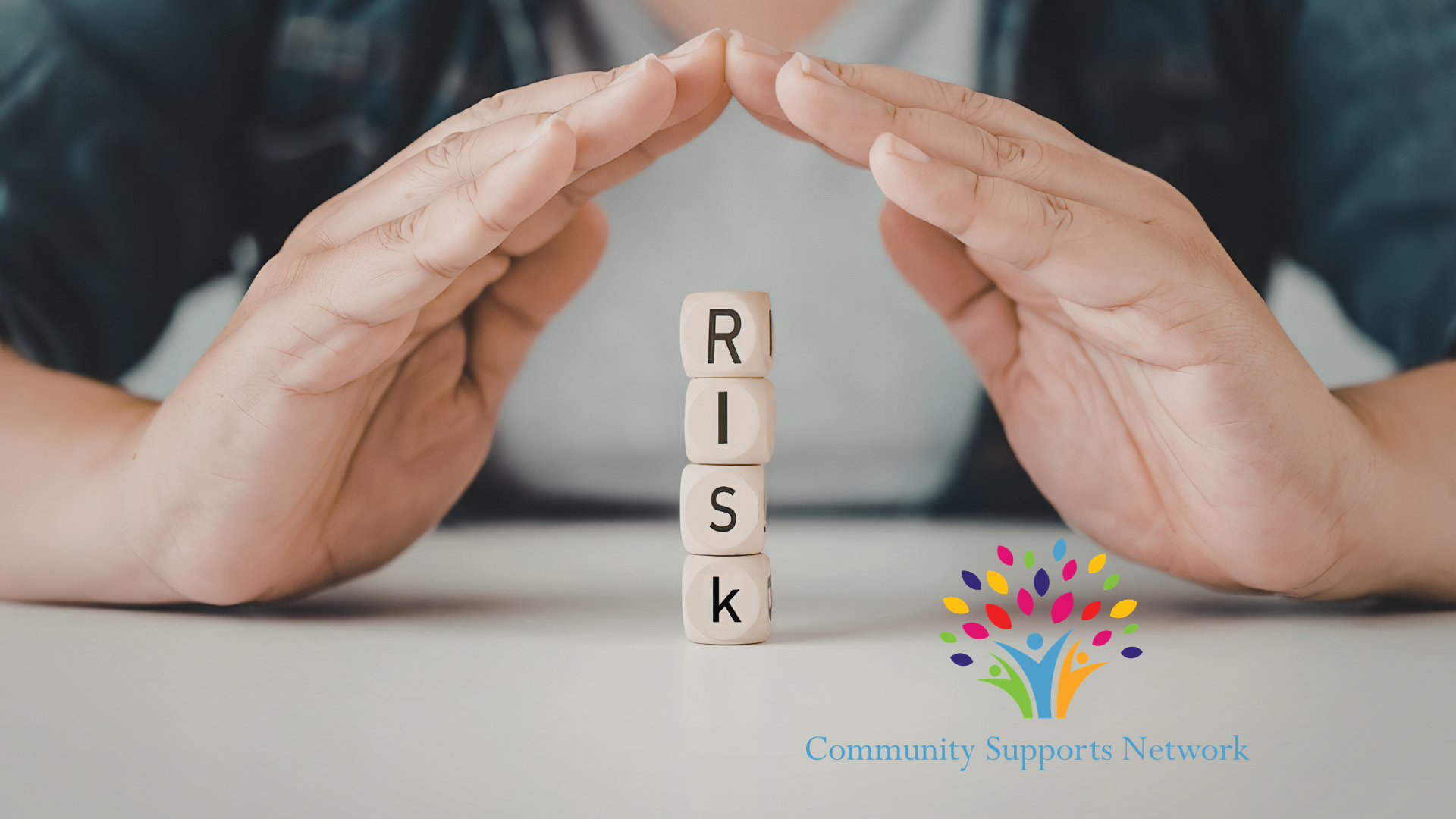
One of the most important — and often misunderstood — principles in person-centered support is the concept of the dignity of risk.
At its core, dignity of risk recognizes that every person has the right to make choices, take reasonable risks, and learn through experience — even if those experiences include the possibility of failure.
Because risk is part of being human.
What Is the Dignity of Risk?
The dignity of risk is the idea that individuals with disabilities have the same right as anyone else to:
• Try new things • Make personal decisions • Pursue goals that matter to them • Learn from mistakes • Experience independence
Historically, disability systems often prioritized protection above all else. While safety remains critical, overprotection can unintentionally limit autonomy, confidence, and personal growth.
Person-centered services require balance.
Safety vs. Control
There is an important difference between protecting someone and controlling them.
Support professionals must assess real risks — health, safety, environmental factors — while also asking:
• Is this restriction necessary? • Is there a way to support this choice safely? • Are we honoring the individual’s preferences?
For example:
An individual may want to travel independently to work. Someone may want to try a new job outside their comfort zone. A person may choose to manage their own spending with guidance rather than full oversight.
Each of these scenarios carries some level of risk. But they also carry opportunity — for confidence, skill-building, and independence.
When support teams collaborate thoughtfully, risk becomes manageable rather than avoidable.
Why Risk Matters for Growth
Without risk, there is no progress.
Learning to advocate at work requires the possibility of rejection. Managing money requires the possibility of mistakes. Building relationships requires vulnerability.
Shielding individuals from all discomfort may feel protective, but it can also limit growth.
The dignity of risk affirms that individuals are capable — and that capability grows when people are trusted and supported.
The Role of Support Professionals
Embracing dignity of risk does not mean ignoring safety.
It means:
• Conducting thoughtful assessments • Creating clear support plans • Teaching skills proactively • Building natural supports • Monitoring outcomes • Adjusting strategies as needed
It means replacing “no” with “how.”
How can we make this safe? How can we prepare for this step? How can we support independence while managing risk responsibly?
When professionals approach decisions collaboratively — involving individuals and families — trust strengthens.
Why This Matters
At Community Supports Network, we believe person-centered support includes honoring autonomy.
Strong services do not eliminate risk entirely. They provide the structure, education, and guidance needed to navigate it safely.
Because independence is not the absence of risk.
It is the presence of opportunity.
And every individual deserves the opportunity to grow, choose, and build a life that reflects their own goals — with the right supports in place.
This year brought meaningful growth, new initiatives, and expanded opportunities across the
Community Supports Network. Here are some of the key milestones that shaped 2025:
Key Accomplishments by Our Team
Strengthened Brand Visibility & Community Awareness
We increased our digital presence through consistent social storytelling, multimedia content, and strategic communication—helping families and partners connect with CSN more easily than ever.
Supported Independent Living & Housing Stability
CSN provided assistance and resources to individuals working toward secure, supportive living arrangements—reinforcing our commitment to independence and dignity.
Showcased Inclusive Employment in the Community
Through visits and partnerships with local businesses employing individuals with differing abilities, we highlighted real pathways to meaningful, inclusive work.
Relaunched the CSN Website With Major Growth in Reach
In July 2025, CSN relaunched its website on a new WordPress platform, improving performance, accessibility, and user experience. Since then, traffic and engagement have increased significantly, with the site now drawing several times more visitors each month than the year prior.
Hosted a Multi-Agency Disability Services Vendor Expo
Our large-scale expo brought together DDD, DVRS, and community providers—creating space for families to explore services, ask questions, and make critical connections.
Engaged Families at Regional Transition & Empowerment Events
We shared guidance on independent living, caregiving, and navigating the DDD eligibility process at transition fairs across New Jersey.
Held Multiple DDD Resource Fairs Across NJ
We supported families by connecting them with employment supports, day programs, enrichment opportunities, and person-centered services.
Strengthened Family Navigation & Advocacy Support
CSN assisted families in accessing therapies, employment services, disability specialists, and long-term planning resources to support meaningful daily living.
Launched New Multimedia Recruitment & Branding Assets
New videos, ads, and branded content enhanced our hiring pipeline and expanded CSN’s visibility across the state.
Built Workforce Pipelines Through Education Partnerships
We partnered with Bergen Community College for DSP certification and expanded outreach to high schools and universities to support future DSP careers.
Opened Our New CSN Training Center
This dedicated space enhances staff development, onboarding, training and meaningful career growth, strengthening the quality of care across all programs.
Supported Community Partners Through Housing & Employment Initiatives
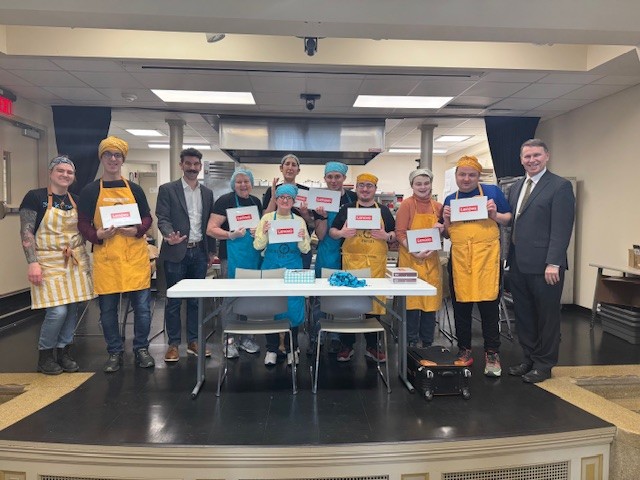
CSN strengthened its commitment to community inclusion by donating funds to Circle Haven Housing to support adequate residential and independent living resources. We also partnered with Rising Above Bakery, a not-for-profit employing individuals with diverse support needs, and donated new tablets to help expand their capabilities and continue their meaningful work.
Expanded Access by Accepting Medical & Behavioral Cases
CSN widened service availability for individuals with more complex needs—creating opportunities for families who previously had limited support options.
Increased Community-Based Skill Building & Group Activities
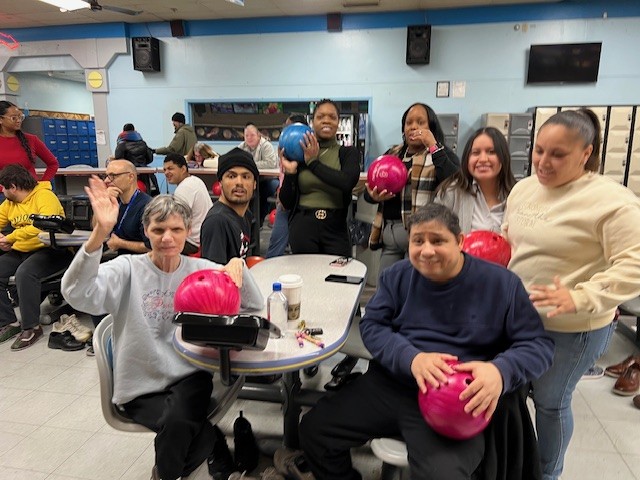
We expanded group outings, recreation events, peer socialization, and community learning opportunities to support engagement and independence.
Deepened Relationships With Statewide Partners
Collaboration with DDD, county colleges, and community organizations strengthened our role as a trusted, accessible resource for families.
CSN earned a Three-Year Accreditation from CARF International for Supported Employment Services
This is the highest level of accreditation awarded by the leading global nonprofit accreditor of health and human services. Our team worked tirelessly on this project, and we are thrilled to have been awarded the honor.
Together, these accomplishments and key milestones created a powerful foundation for everything we achieved this year. Below, we take a closer look at the events, initiatives, and stories that brought these highlights to life and strengthened our community in meaningful ways.
Showing Up for the Community Through Events & Expos
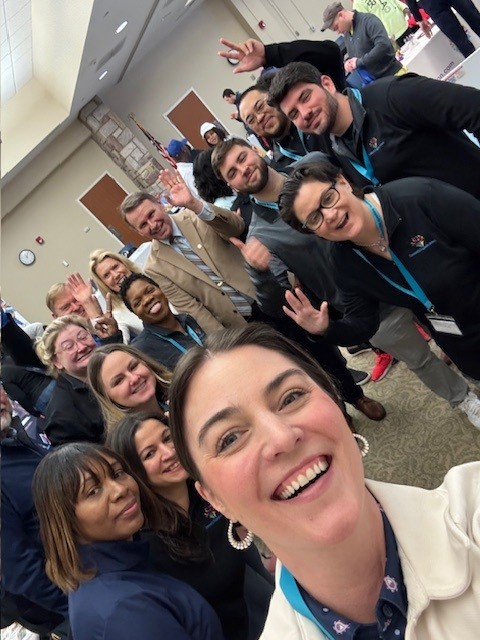
Throughout 2025, CSN hosted as well as attended numerous community expos, disability resource fairs, and local events across New Jersey, connecting with families, self-advocates, professionals, and partners. These events allowed us to share information about our programs, provide guidance, build relationships, and strengthen awareness of inclusive opportunities statewide. Each event reinforced our commitment to showing up, being accessible, and ensuring families feel supported.
Spotlighting DSPs & Celebrating Their Impact
Our Direct Support Professionals (DSPs) remain the heart of our organization, and this year we highlighted their dedication more than ever. Through staff features, interviews, and recognition posts, we shared the stories of DSPs who support daily living, foster independence, and build meaningful relationships every day. Their compassion and commitment continue to inspire our work.
Sharing Family Stories & Lived Experiences
We also elevated the voices and journeys of families across New Jersey. From transition stories to daily wins, each highlight reflected resilience, individuality, and the strength of community. These stories helped deepen understanding and celebrate the meaningful milestones—big and small—that shape everyday life.
Launching the CSN Community Newsletter
A major communications milestone this year was launching our CSN Community Newsletter—a monthly publication designed to keep families, DSPs, caregivers, and partners informed and supported. Each issue features disability policy updates, spotlights on inclusive NJ businesses, practical tips, person-centered strategies, and CSN news. The newsletter has quickly become a central resource for connection and information. If you haven’t already, make sure to join our mailing list!
Publishing Educational & Person-Centered Blog Posts
We expanded our library of accessible blog posts covering a wide range of topics to support individuals, families, and care teams. These included sensory-friendly strategies, tips for staying socially connected, communication supports, skill-building opportunities, caregiver resources, tips on how to navigate getting services in NJ, and community-based learning ideas. Each post reflected our belief that meaningful learning can happen anywhere.
Opening Our New Training Center
One of our most exciting milestones this year was launching the CSN Training Center—a dedicated space designed to strengthen onboarding, skill development, and professional growth for our team. This investment reinforces our commitment to quality, excellence, and meaningful career pathways.
Expanding Access by Accepting Medical & Behavioral Cases
In 2025, we broadened our service capacity to support individuals with more complex medical and behavioral needs. This expansion opened new opportunities for families and strengthened our ability to serve individuals with diverse levels of support.
Achieved A 3-Year CARF Accreditation for Supported Employment, Strengthening Our Commitment to Quality
This year, CSN earned its CARF accreditation—an important recognition of our commitment to high-quality, person-centered services and organizational excellence. This achievement reflects the dedication of our staff, the strength of our programs, and our ongoing promise to deliver safe, supportive, and meaningful experiences for the individuals and families we serve.
Looking Ahead to 2026
2025 was a year of progress, connection, and shared impact—and the momentum is only growing. In 2026, CSN will continue to strengthen programs, enhance communication tools, expand resources for families and DSPs, uplift individual stories, promote person-centered planning, and build environments where everyone can learn, grow, and thrive.
To every individual, family, DSP, staff member, and partner who made this year meaningful: thank you. Your resilience, collaboration, and trust inspire everything we do.
From all of us at CSN, Wishing you a warm, connected, and inspiring start to the new year. Here’s to continued growth—together.
Provides direct support to those with intellectual and developmental disabilities.
May be required to offer verbal prompts with completion of ADL’s including but not limited to personal care tasks, including assistance with basic personal hygiene and grooming, feeding, and ambulation, medical monitoring, and health care related tasks.
Assists in being a positive role model for the client.
Ensures client safety and helps to maintain a safe environment.
Reminds and assists clients with self-administration of medications (with proper training).
Encourages self-help activities.
Reports changes in client’s condition or family situation to administrators and supervisors.
Documents all services provided in accordance with their NJISP outcomes.
Assists client in home management functions such as light housekeeping, laundry, bed making, and cleaning.
Assists in the planning of meals, shopping for groceries, preparing and serving food/meals, feeding and clean-up.
Transports and accompanies clients to scheduled appointments and to activities within the community.
Participates in the development and support of a Person-Centered Plan.
Work Schedule:
Our schedule favors a flexible workweek. Once clients are assigned, a DSP will maintain their work schedule in accordance with the demands and schedule as are mutually agreed upon at time of hire.
Direct Support Professional Qualifications / Skills:
Ability to work within the community or in a home-based setting.
Communication skills (verbally and written) with all levels of personnel, internal and external to the company.
Ability to handle physical aspects of job, including bending, stooping, lifting, as well as engaging in physical activities as are needed.
Above all, DSP’s should be patient and empathetic. Our best candidates display excellent communication and listening skills.
Education, Experience, and Licensing Requirements:
High School diploma, GED, or equivalent
20 years of age or older
Valid New Jersey driver’s license with fewer than 5 points in moving violations
Provides direct support to those with intellectual and developmental disabilities.
May be required to offer verbal prompts with completion of ADL’s including but not limited to personal care tasks, including assistance with basic personal hygiene and grooming, feeding, and ambulation, medical monitoring, and health care related tasks.
Assists in being a positive role model for the client.
Ensures client safety and helps to maintain a safe environment.
Reminds and assists clients with self-administration of medications (with proper training).
Encourages self-help activities.
Reports changes in client’s condition or family situation to administrators and supervisors.
Documents all services provided in accordance with their NJISP outcomes.
Assists client in home management functions such as light housekeeping, laundry, bed making, and cleaning.
Assists in the planning of meals, shopping for groceries, preparing and serving food/meals, feeding and clean-up.
Transports and accompanies clients to scheduled appointments and to activities within the community.
Participates in the development and support of a Person-Centered Plan.
Work Schedule:
Our schedule favors a flexible workweek. Once clients are assigned, a DSP will maintain their work schedule in accordance with the demands and schedule as are mutually agreed upon at time of hire.
Direct Support Professional Qualifications / Skills:
Ability to work within the community or in a home-based setting.
Communication skills (verbally and written) with all levels of personnel, internal and external to the company.
Ability to handle physical aspects of job, including bending, stooping, lifting, as well as engaging in physical activities as are needed.
Above all, DSP’s should be patient and empathetic. Our best candidates display excellent communication and listening skills.
Education, Experience, and Licensing Requirements:
High School diploma, GED, or equivalent
20 years of age or older
Valid New Jersey driver’s license with fewer than 5 points in moving violations
Provides direct support to those with intellectual and developmental disabilities.
May be required to offer verbal prompts with completion of ADL’s including but not limited to personal care tasks, including assistance with basic personal hygiene and grooming, feeding, and ambulation, medical monitoring, and health care related tasks.
Assists in being a positive role model for the client.
Ensures client safety and helps to maintain a safe environment.
Reminds and assists clients with self-administration of medications (with proper training).
Encourages self-help activities.
Reports changes in client’s condition or family situation to administrators and supervisors.
Documents all services provided in accordance with their NJISP outcomes.
Assists client in home management functions such as light housekeeping, laundry, bed making, and cleaning.
Assists in the planning of meals, shopping for groceries, preparing and serving food/meals, feeding and clean-up.
Transports and accompanies clients to scheduled appointments and to activities within the community.
Participates in the development and support of a Person-Centered Plan.
Work Schedule:
Our schedule favors a flexible workweek. Once clients are assigned, a DSP will maintain their work schedule in accordance with the demands and schedule as are mutually agreed upon at time of hire.
Direct Support Professional Qualifications / Skills:
Ability to work within the community or in a home-based setting.
Communication skills (verbally and written) with all levels of personnel, internal and external to the company.
Ability to handle physical aspects of job, including bending, stooping, lifting, as well as engaging in physical activities as are needed.
Above all, DSP’s should be patient and empathetic. Our best candidates display excellent communication and listening skills.
Education, Experience, and Licensing Requirements:
High School diploma, GED, or equivalent
20 years of age or older
Valid New Jersey driver’s license with fewer than 5 points in moving violations
Provides direct support to those with intellectual and developmental disabilities.
May be required to offer verbal prompts with completion of ADL’s including but not limited to personal care tasks, including assistance with basic personal hygiene and grooming, feeding, and ambulation, medical monitoring, and health care related tasks.
Assists in being a positive role model for the client.
Ensures client safety and helps to maintain a safe environment.
Reminds and assists clients with self-administration of medications (with proper training).
Encourages self-help activities.
Reports changes in client’s condition or family situation to administrators and supervisors.
Documents all services provided in accordance with their NJISP outcomes.
Assists client in home management functions such as light housekeeping, laundry, bed making, and cleaning.
Assists in the planning of meals, shopping for groceries, preparing and serving food/meals, feeding and clean-up.
Transports and accompanies clients to scheduled appointments and to activities within the community.
Participates in the development and support of a Person-Centered Plan.
Work Schedule:
Our schedule favors a flexible workweek. Once clients are assigned, a DSP will maintain their work schedule in accordance with the demands and schedule as are mutually agreed upon at time of hire.
Direct Support Professional Qualifications / Skills:
Ability to work within the community or in a home-based setting.
Communication skills (verbally and written) with all levels of personnel, internal and external to the company.
Ability to handle physical aspects of job, including bending, stooping, lifting, as well as engaging in physical activities as are needed.
Above all, DSP’s should be patient and empathetic. Our best candidates display excellent communication and listening skills.
Education, Experience, and Licensing Requirements:
High School diploma, GED, or equivalent
20 years of age or older
Valid New Jersey driver’s license with fewer than 5 points in moving violations
Provides direct support to those with intellectual and developmental disabilities.
May be required to offer verbal prompts with completion of ADL’s including but not limited to personal care tasks, including assistance with basic personal hygiene and grooming, feeding, and ambulation, medical monitoring, and health care related tasks.
Assists in being a positive role model for the client.
Ensures client safety and helps to maintain a safe environment.
Reminds and assists clients with self-administration of medications (with proper training).
Encourages self-help activities.
Reports changes in client’s condition or family situation to administrators and supervisors.
Documents all services provided in accordance with their NJISP outcomes.
Assists client in home management functions such as light housekeeping, laundry, bed making, and cleaning.
Assists in the planning of meals, shopping for groceries, preparing and serving food/meals, feeding and clean-up.
Transports and accompanies clients to scheduled appointments and to activities within the community.
Participates in the development and support of a Person-Centered Plan.
Work Schedule:
Our schedule favors a flexible workweek. Once clients are assigned, a DSP will maintain their work schedule in accordance with the demands and schedule as are mutually agreed upon at time of hire.
Direct Support Professional Qualifications / Skills:
Ability to work within the community or in a home-based setting.
Communication skills (verbally and written) with all levels of personnel, internal and external to the company.
Ability to handle physical aspects of job, including bending, stooping, lifting, as well as engaging in physical activities as are needed.
Above all, DSP’s should be patient and empathetic. Our best candidates display excellent communication and listening skills.
Education, Experience, and Licensing Requirements:
High School diploma, GED, or equivalent
20 years of age or older
Valid New Jersey driver’s license with fewer than 5 points in moving violations
Zones (Areas): Essex County, Bergen County, Passaic County, and Morris County, NJ
Job Responsibilities:
Develop effective job coaching and employment plans in accordance with the state requirements.
Communicate with individuals to understand their goals and ambitions.
Assist individuals with disabilities to discover and overcome their personal barriers.
Seek job leads in accordance with the individual’s skills and interests.
Assess the strengths of individuals and teach them to use them effectively.
Guide individuals in learning to complete job tasks.
Develop community employer relationships to achieve job placement goals.
Provide coaching in effective job search techniques.
Assist people with disabilities in developing social and life skills.
Advise individuals on workplace accommodations for people with disabilities.
Monitor and evaluate the progress of assigned individuals.
Keep records and documentation and prepare appropriate reports.
Communicate with stakeholders, Vocational Rehabilitation Counselors, and employers.
Work Schedule:
The schedule of the employment specialist requires that candidates be both flexible and autonomous. An ability to self-direct service activities with individuals while managing a changing and evolving caseload is important.
Employment Specialist Professional Qualifications / Skills:
High School diploma, GED, or equivalent
Experience working with individuals with I/DD
Boggs Center Employment Specialist Foundations Certification preferred, but not mandatory to apply