

Why Mental Health Conversations Must Include Individuals with Disabilities
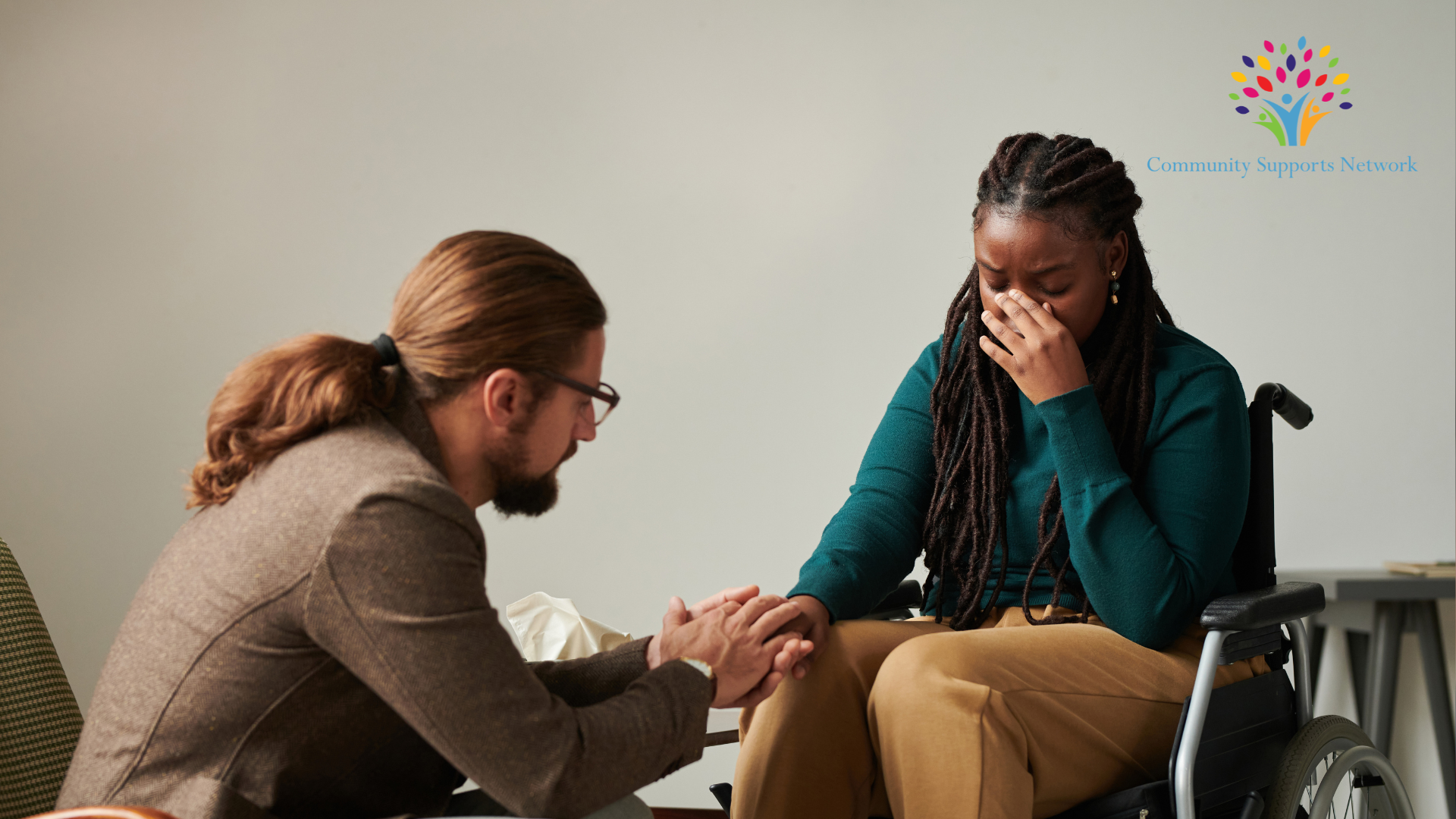
Each May, Mental Health Awareness Month serves as an important reminder that mental health is a critical part of overall well-being. While conversations around mental health have become more common in recent years, one group is still too often left out of the discussion: individuals with disabilities.
At Community Supports Network (CSN), we believe mental wellness should be part of every conversation around disability support, inclusion, and quality of life. Individuals with intellectual, developmental, and physical disabilities experience the same range of emotions, stressors, and mental health challenges as anyone else — and in many cases, they face additional barriers that can make those struggles even more difficult to navigate.
Mental Health and Disability: The Overlooked Connection
According to the Centers for Disease Control and Prevention (CDC), adults with disabilities report experiencing frequent mental distress at significantly higher rates than adults without disabilities. In fact, nearly one in three adults with disabilities experiences frequent mental distress.
There are many reasons for this disparity. Individuals with disabilities may experience:
- Social isolation or exclusion
- Bullying or discrimination
- Difficulty accessing inclusive programs and services
- Challenges with communication or self-advocacy
- Financial stress or barriers to employment
- Limited access to transportation or healthcare
- Trauma related to medical experiences or societal stigma
For some individuals, mental health challenges may present differently than what people traditionally expect. Anxiety, depression, frustration, withdrawal, changes in routine tolerance, or behavioral changes can all sometimes be signs that someone is struggling emotionally.
Unfortunately, mental health needs are often overlooked or misunderstood in the disability community. Behaviors may be dismissed as “part of the diagnosis” rather than explored with compassion and support.
Access to Mental Health Care Matters
Despite the growing awareness around mental health, individuals with disabilities continue to face significant barriers to care.
Many providers may not have experience working with individuals with intellectual or developmental disabilities. Communication differences, transportation limitations, sensory needs, and a lack of accessible services can all impact someone’s ability to receive meaningful mental health support.
Caregivers and family members may also struggle to find providers who understand both disability and mental health together — rather than treating them as separate conversations.
Creating a more inclusive mental health system means ensuring that services are:
- Accessible
- Person-centered
- Trauma-informed
- Communication-friendly
- Inclusive of caregivers and support teams when appropriate
Everyone deserves the opportunity to feel heard, supported, and emotionally safe.
Supporting the Whole Person
At CSN, we believe quality support means seeing the whole person — not just a diagnosis or support plan.
Mental wellness can be supported in many ways through community inclusion, meaningful relationships, structured routines, employment opportunities, self-expression, recreation, and environments where individuals feel respected and valued.
Sometimes support looks like helping someone build social connections. Sometimes it means recognizing when someone may need additional emotional support or professional services. And sometimes it simply means creating spaces where people feel accepted exactly as they are.
Mental health conversations should include everyone.
Breaking the Stigma Together
One of the biggest barriers to mental health support is stigma. For individuals with disabilities, that stigma can be even greater.
Mental health challenges are not a weakness, and needing support is never something to be ashamed of. By continuing to have open, compassionate conversations, we can help create communities where individuals feel empowered to ask for help and receive support without judgment.
This Mental Health Awareness Month, we encourage everyone to:
- Check in on friends, family members, and caregivers
- Normalize conversations around mental health
- Advocate for accessible and inclusive services
- Practice empathy and patience
- Remember that emotional well-being matters for everyone
At the heart of true inclusion is recognizing the humanity, dignity, and emotional experiences of every individual.
If you or someone you know is struggling, support is available. The Suicide & Crisis Lifeline can be reached by calling or texting 988 anytime.
Together, we can continue building communities where mental health support is accessible, inclusive, and compassionate for all.
For more information or to connect with our team, don’t hesitate to reach out!