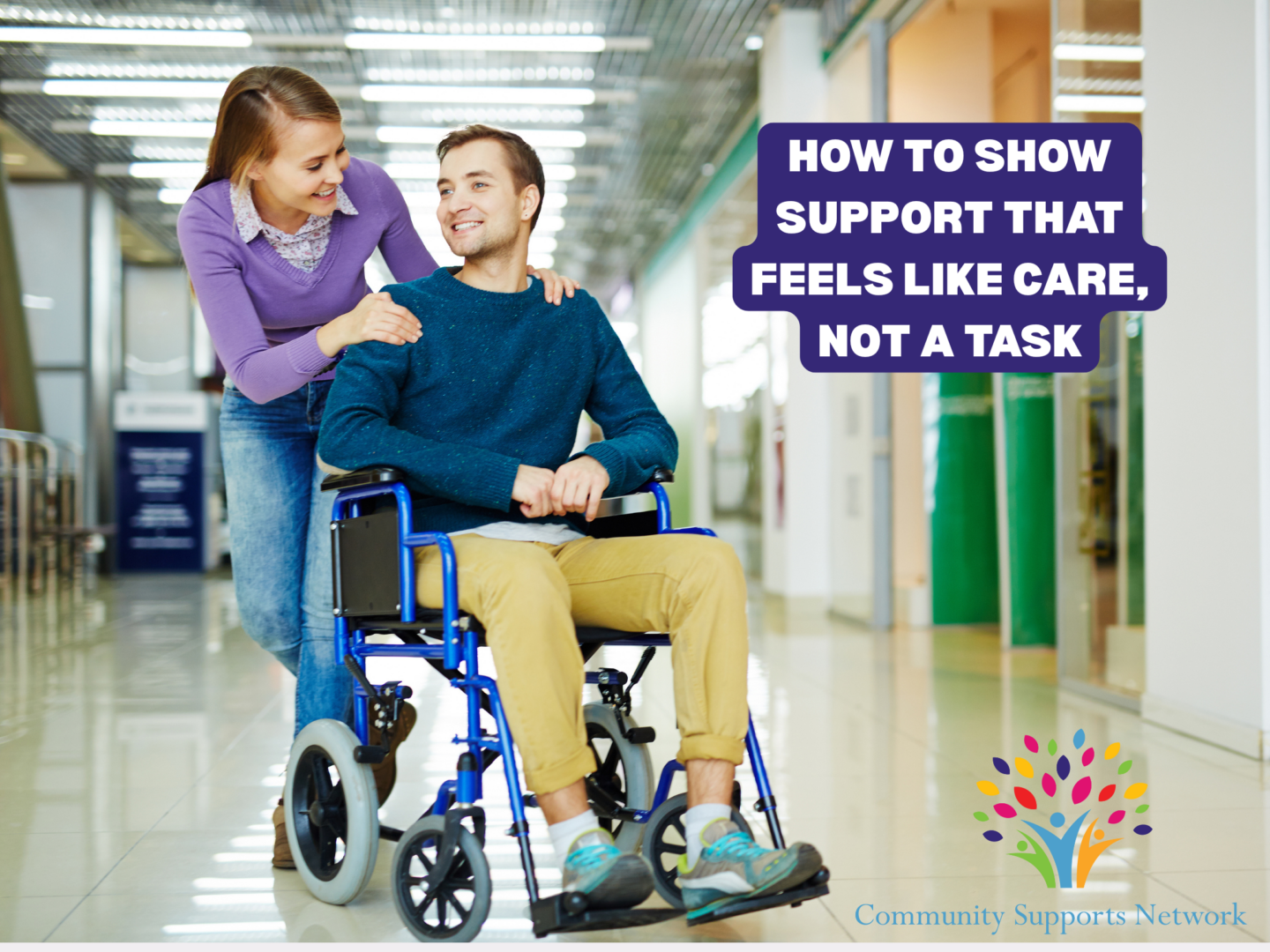

February often centers around love — but in disability support, love doesn’t show up as grand gestures or big moments.
It shows up as care.
Care is patient. Care is consistent. Care is person-centered.
This Tip Tuesday, we’re focusing on simple ways to make support feel more human, more respectful, and more connected — especially during the colder, slower winter months.
Tip #1: Lead With Warmth, Not Rush
Winter routines can feel heavier. Mornings are darker. Energy is lower. Transitions may take more time.
Support that feels like care starts with slowing down:
Give extra time for transitions
Use calm, reassuring language
Check in before moving on to the next task
Warmth isn’t about doing more — it’s about being present.
Tip #2: Personalize Support in Small Ways
Feeling known is a form of care.
That might look like:
Remembering how someone likes their coffee
Playing their favorite music during a routine
Asking about something they care about — and listening
These small moments reinforce dignity and belonging.
Tip #3: Choose Connection Over Control
When days feel long or routines feel repetitive, it can be tempting to focus on “getting through the day.”
Instead, look for moments to connect:
Share a laugh
Pause for a conversation
Follow the individual’s lead when possible
Connection builds trust — and trust makes support more effective.
Tip #4: Respect Emotional Needs (Not Just Physical Ones)
February can be emotionally heavy for many people. Cold weather, shorter days, and changes in routine can affect mood and motivation.
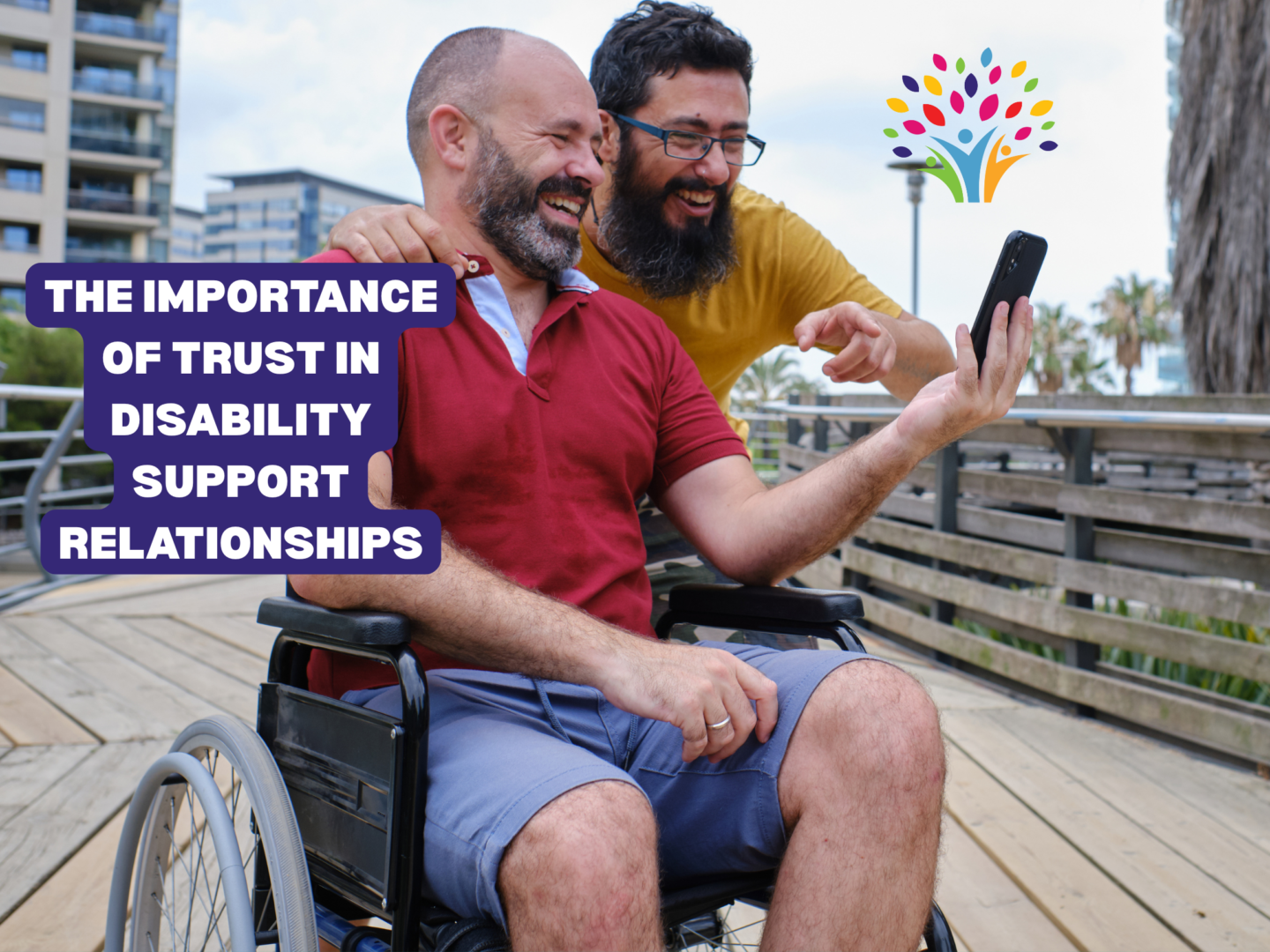
At the heart of effective disability support is one essential element: trust.
Trust is what allows individuals to feel safe, heard, and respected. It’s what turns support from a service into a relationship — and what makes growth, independence, and connection possible over time.
At Community Supports Network, we see every day how trust shapes outcomes for individuals, families, and Direct Support Professionals alike. Without trust, support feels transactional. With trust, it becomes empowering.
Trust Creates a Sense of Safety
For many individuals with disabilities, the world can feel unpredictable or overwhelming. Changes in routine, unfamiliar environments, or new people can create anxiety and stress.
Trust helps reduce that uncertainty.
When individuals know that the people supporting them are consistent, respectful, and reliable, their nervous systems can relax. Feeling safe allows individuals to engage more fully in daily life — whether that’s trying a new activity, expressing a preference, or navigating the community.
Safety isn’t just physical. It’s emotional. And trust is what builds it.
Trust Is Built in Everyday Moments
Trust isn’t created through big gestures. It’s built quietly, through consistency and follow-through.
It looks like:
Showing up when you say you will
Listening without judgment
Respecting boundaries and preferences
Explaining changes instead of surprising someone
Following through on commitments
These small, repeated actions send a powerful message: You matter. You can count on me.
Over time, these moments add up to strong, meaningful relationships.
Trust Supports Communication and Self-Advocacy
When trust is present, communication becomes easier and more honest.
Individuals are more likely to:
Express their needs and preferences
Ask for help when they need it
Share concerns or discomfort
Advocate for themselves
Trust gives people confidence that their voice will be heard and respected. This is especially important for individuals who communicate in nontraditional ways or who have previously felt ignored or misunderstood.
At CSN, we believe that supporting communication — in all its forms — is a key part of building trust and honoring self-determination.
Trust Allows for Growth and Independence
Growth requires vulnerability.
Trying something new, making a decision, or taking on more responsibility can feel risky. Trust provides the foundation that makes those risks feel manageable.
When individuals trust their support team, they are more willing to:
Practice new skills
Take healthy risks
Learn from mistakes
Build confidence over time
Trust doesn’t eliminate challenges — but it makes navigating them feel safer and more supported.
The Role of Direct Support Professionals
Direct Support Professionals play a critical role in building and maintaining trust.
DSPs are often among the most consistent people in an individual’s life outside of family. Their presence, attitude, and approach matter deeply. By leading with respect, patience, and empathy, DSPs help create relationships rooted in dignity and partnership.
Trust grows when DSPs take the time to understand the individual — not just their support needs, but their personality, preferences, and goals.
Trust Benefits Everyone
It doesn’t just support individuals — trust strengthens families and teams as well.
Families feel more confident when they trust the people supporting their loved ones. Teams work more effectively when communication is open and respectful. Services become more consistent, responsive, and person-centered.
When trust is prioritized, everyone benefits.
Building Trust Takes Time — and That’s Okay
Trust isn’t instant. It develops over time through patience, consistency, and care.
At Community Supports Network, we understand that strong relationships are built gradually. We prioritize stability, thoughtful communication, and person-centered practices because we know that trust is the foundation of meaningful support.
When trust is present, individuals feel safer, more confident, and more empowered to live lives that reflect who they are — and who they want to be.
EDITOR’S NOTE: Does trust matter to you in your job? Do you believe in the power of building trust when working? If so, you may wish to consider working as a DSP with us! For more information, please visit our careers page for current job openings.
Direct Support Professionals (DSPs) play one of the most important roles in community-based disability services — yet their impact is often misunderstood or overlooked.
At Community Supports Network, we know that great DSPs do far more than provide assistance. They support independence, build trust, foster confidence, and help individuals live meaningful, self-directed lives. But what truly makes a great Direct Support Professional?
It’s not just about tasks. It’s about people.
1. Respect Comes First
At the heart of great support is respect.
Great DSPs recognize that every individual is the expert of their own life. They honor personal preferences, communication styles, cultural identities, and boundaries. Support is never about control — it’s about partnership.
Respect shows up in everyday moments: listening before acting, asking instead of assuming, and treating individuals as adults with agency and dignity.
2. Patience and Flexibility
No two days look the same in disability support — and great DSPs understand that.
Plans change. Emotions fluctuate. Progress isn’t always linear. Patience allows DSPs to meet individuals where they are, without rushing, judgment, or frustration. Flexibility allows them to adapt while keeping support consistent and safe.
These qualities help create environments where individuals feel calm, supported, and understood.
3. Strong Communication Skills
Communication is about more than words.
Great DSPs learn how each individual communicates — whether through speech, gestures, assistive technology, or behavior. They take time to understand what is being expressed and advocate when others may not be listening.
They also communicate clearly with families, team members, and supervisors to ensure consistency, transparency, and continuity of care.
4. Commitment to Person-Centered Support
A great DSP understands that support should never be “one-size-fits-all.”
Person-centered support means focusing on the individual’s goals, interests, strengths, and needs — not what is easiest or most convenient. It means supporting independence at the individual’s pace and offering guidance without taking over.
This approach helps individuals build confidence, skills, and pride in their own accomplishments.
5. Emotional Awareness and Empathy
DSPs often support individuals through challenges, transitions, and big emotions.
Great DSPs lead with empathy. They recognize that behavior is communication and that emotional responses often reflect unmet needs, stress, or change. By responding with compassion instead of correction, DSPs help individuals feel safe and supported.
Empathy builds trust — and trust is the foundation of meaningful support.
6. Reliability and Consistency
Consistency matters.
Showing up on time, following through on commitments, and maintaining routines help individuals feel secure. Great DSPs understand that reliability isn’t just professional — it’s personal. When someone knows they can count on you, confidence grows.
This consistency is especially important for individuals who rely on structure to navigate their day.
7. Willingness to Learn and Grow
Great DSPs don’t need to know everything — but they are open to learning.
They seek feedback, ask questions, participate in training, and reflect on their practice. They understand that growth benefits not only their own development but the quality of support they provide.
At CSN, we believe investing in DSP growth strengthens everyone involved.
More Than a Job
Being a Direct Support Professional is more than a role — it’s a responsibility and a privilege.
DSPs are mentors, advocates, problem-solvers, and community builders. They help turn inclusion into something individuals experience in real, everyday ways.
At Community Supports Network, we are proud to work alongside DSPs who bring patience, respect, compassion, and commitment to their work each day. Their impact reaches far beyond the individuals they support — it strengthens families, communities, and the future of inclusive care.
Does this sound like you — or someone you know? CSN is always looking for compassionate, dedicated individuals interested in making a difference as Direct Support Professionals. Learn more about joining our team here.
When people think about community inclusion, they often picture accessible buildings, inclusive classrooms, or employment opportunities. While those things matter deeply, there is another essential piece that makes true inclusion possible every day: Direct Support Professionals (DSPs).
DSPs are the bridge between intention and reality. They help turn the idea of “belonging” into something individuals with disabilities can experience in meaningful, practical ways.
At Community Supports Network (CSN), we see firsthand how DSPs shape lives, strengthen communities, and create opportunities that might otherwise remain out of reach.
More Than Support — A Foundation for Independence
DSPs do far more than assist with daily tasks. They support individuals in building skills, confidence, and autonomy.
Through consistent, person-centered support, DSPs help individuals:
Navigate their communities
Learn daily living skills
Build routines
Make choices about their own lives
Set and pursue personal goals
This support creates a foundation for independence — not dependency. It empowers individuals to participate in their communities on their own terms.
Creating Access to Real Community Life
Community inclusion isn’t just about being physically present. It’s about participation, relationships, and belonging.
DSPs help make this possible by supporting individuals to:
Attend community events
Hold jobs
Volunteer
Join clubs or programs
Build friendships
Use public transportation
Advocate for themselves
These experiences allow individuals to be seen not as “clients,” but as neighbors, coworkers, and community members.
Building Confidence Through Trust and Connection
For many individuals, a DSP is one of the most consistent people in their lives outside of family.
That relationship matters.
DSPs provide:
Emotional support
Encouragement during challenges
Stability during transitions
Recognition of progress and growth
When someone believes in you, it becomes easier to believe in yourself. That confidence often becomes the catalyst for trying new things, taking healthy risks, and building a fuller life.
Changing Perceptions One Interaction at a Time
DSPs don’t just support individuals — they educate communities through everyday moments.
Each interaction at a workplace, coffee shop, gym, or community event helps challenge stereotypes and reshape assumptions about disability.
Inclusion becomes normal when people see:
Capability instead of limitation
Contribution instead of dependency
Personality instead of diagnosis
DSPs play a quiet but powerful role in creating this shift.
Supporting the Supporters
The impact DSPs have is enormous — and so is the responsibility they carry.
At CSN, we believe supporting DSPs is essential to supporting the individuals we serve. That means:
Ongoing training
Fair compensation
Emotional support
Opportunities for growth
A culture of respect and appreciation
When DSPs are valued, individuals receive better support. Communities become stronger. Everyone benefits.
A Role That Changes Lives
Direct Support Professionals are not just part of the system of care.
They are:
Mentors
Advocates
Teachers
Problem-solvers
Companions
Community builders
Their work makes inclusion possible — not in theory, but in real life.
At Community Supports Network, we are proud to work alongside DSPs who show up every day with patience, compassion, and commitment. Their impact reaches far beyond the individuals they support. It shapes families, neighborhoods, and the future of inclusive communities.
EDITOR’S NOTE: Does this blog post describe your work ethic? Would you enjoy working as a DSP with us? If so, please check out this page: Our DSP job listings!
This year brought meaningful growth, new initiatives, and expanded opportunities across the
Community Supports Network. Here are some of the key milestones that shaped 2025:
Key Accomplishments by Our Team
Strengthened Brand Visibility & Community Awareness
We increased our digital presence through consistent social storytelling, multimedia content, and strategic communication—helping families and partners connect with CSN more easily than ever.
Supported Independent Living & Housing Stability
CSN provided assistance and resources to individuals working toward secure, supportive living arrangements—reinforcing our commitment to independence and dignity.
Showcased Inclusive Employment in the Community
Through visits and partnerships with local businesses employing individuals with differing abilities, we highlighted real pathways to meaningful, inclusive work.
Relaunched the CSN Website With Major Growth in Reach
In July 2025, CSN relaunched its website on a new WordPress platform, improving performance, accessibility, and user experience. Since then, traffic and engagement have increased significantly, with the site now drawing several times more visitors each month than the year prior.
Hosted a Multi-Agency Disability Services Vendor Expo
Our large-scale expo brought together DDD, DVRS, and community providers—creating space for families to explore services, ask questions, and make critical connections.
Engaged Families at Regional Transition & Empowerment Events
We shared guidance on independent living, caregiving, and navigating the DDD eligibility process at transition fairs across New Jersey.
Held Multiple DDD Resource Fairs Across NJ
We supported families by connecting them with employment supports, day programs, enrichment opportunities, and person-centered services.
Strengthened Family Navigation & Advocacy Support
CSN assisted families in accessing therapies, employment services, disability specialists, and long-term planning resources to support meaningful daily living.
Launched New Multimedia Recruitment & Branding Assets
New videos, ads, and branded content enhanced our hiring pipeline and expanded CSN’s visibility across the state.
Built Workforce Pipelines Through Education Partnerships
We partnered with Bergen Community College for DSP certification and expanded outreach to high schools and universities to support future DSP careers.
Opened Our New CSN Training Center
This dedicated space enhances staff development, onboarding, training and meaningful career growth, strengthening the quality of care across all programs.
Supported Community Partners Through Housing & Employment Initiatives
CSN strengthened its commitment to community inclusion by donating funds to Circle Haven Housing to support adequate residential and independent living resources. We also partnered with Rising Above Bakery, a not-for-profit employing individuals with diverse support needs, and donated new tablets to help expand their capabilities and continue their meaningful work.
Expanded Access by Accepting Medical & Behavioral Cases
CSN widened service availability for individuals with more complex needs—creating opportunities for families who previously had limited support options.
Increased Community-Based Skill Building & Group Activities
We expanded group outings, recreation events, peer socialization, and community learning opportunities to support engagement and independence.
Deepened Relationships With Statewide Partners
Collaboration with DDD, county colleges, and community organizations strengthened our role as a trusted, accessible resource for families.
CSN earned a Three-Year Accreditation from CARF International for Supported Employment Services
This is the highest level of accreditation awarded by the leading global nonprofit accreditor of health and human services. Our team worked tirelessly on this project, and we are thrilled to have been awarded the honor.
Together, these accomplishments and key milestones created a powerful foundation for everything we achieved this year. Below, we take a closer look at the events, initiatives, and stories that brought these highlights to life and strengthened our community in meaningful ways.
Showing Up for the Community Through Events & Expos
Throughout 2025, CSN hosted as well as attended numerous community expos, disability resource fairs, and local events across New Jersey, connecting with families, self-advocates, professionals, and partners. These events allowed us to share information about our programs, provide guidance, build relationships, and strengthen awareness of inclusive opportunities statewide. Each event reinforced our commitment to showing up, being accessible, and ensuring families feel supported.
Spotlighting DSPs & Celebrating Their Impact
Our Direct Support Professionals (DSPs) remain the heart of our organization, and this year we highlighted their dedication more than ever. Through staff features, interviews, and recognition posts, we shared the stories of DSPs who support daily living, foster independence, and build meaningful relationships every day. Their compassion and commitment continue to inspire our work.
Sharing Family Stories & Lived Experiences
We also elevated the voices and journeys of families across New Jersey. From transition stories to daily wins, each highlight reflected resilience, individuality, and the strength of community. These stories helped deepen understanding and celebrate the meaningful milestones—big and small—that shape everyday life.
Launching the CSN Community Newsletter
A major communications milestone this year was launching our CSN Community Newsletter—a monthly publication designed to keep families, DSPs, caregivers, and partners informed and supported. Each issue features disability policy updates, spotlights on inclusive NJ businesses, practical tips, person-centered strategies, and CSN news. The newsletter has quickly become a central resource for connection and information. If you haven’t already, make sure to join our mailing list!
Publishing Educational & Person-Centered Blog Posts
We expanded our library of accessible blog posts covering a wide range of topics to support individuals, families, and care teams. These included sensory-friendly strategies, tips for staying socially connected, communication supports, skill-building opportunities, caregiver resources, tips on how to navigate getting services in NJ, and community-based learning ideas. Each post reflected our belief that meaningful learning can happen anywhere.
Opening Our New Training Center
One of our most exciting milestones this year was launching the CSN Training Center—a dedicated space designed to strengthen onboarding, skill development, and professional growth for our team. This investment reinforces our commitment to quality, excellence, and meaningful career pathways.
Expanding Access by Accepting Medical & Behavioral Cases
In 2025, we broadened our service capacity to support individuals with more complex medical and behavioral needs. This expansion opened new opportunities for families and strengthened our ability to serve individuals with diverse levels of support.
Achieved A 3-Year CARF Accreditation for Supported Employment, Strengthening Our Commitment to Quality
This year, CSN earned its CARF accreditation—an important recognition of our commitment to high-quality, person-centered services and organizational excellence. This achievement reflects the dedication of our staff, the strength of our programs, and our ongoing promise to deliver safe, supportive, and meaningful experiences for the individuals and families we serve.
Looking Ahead to 2026
2025 was a year of progress, connection, and shared impact—and the momentum is only growing. In 2026, CSN will continue to strengthen programs, enhance communication tools, expand resources for families and DSPs, uplift individual stories, promote person-centered planning, and build environments where everyone can learn, grow, and thrive.
To every individual, family, DSP, staff member, and partner who made this year meaningful: thank you. Your resilience, collaboration, and trust inspire everything we do.
From all of us at CSN, Wishing you a warm, connected, and inspiring start to the new year. Here’s to continued growth—together.
At Community Supports Network (CSN), we believe that learning doesn’t have to be confined to a classroom or a scheduled session. Some of the most meaningful skill-building happens out in the community—during everyday moments that naturally spark curiosity, confidence, and connection.
Whether someone is grabbing groceries, visiting the park, or stopping for a cup of coffee, each outing offers opportunities to practice real-world skills in a supportive, engaging way. For DSPs, caregivers, and families, intentionally weaving learning into everyday environments can make growth feel fun, natural, and achievable.
Building everyday skills can seem daunting for adults with disabilities, but it can be done quite easily by following our tips in this post. Below are a few simple but powerful ways everyday community activities can strengthen independence:
Walking through a grocery store can be a skill-building goldmine.
Tips:
Create a short list together to practice planning and sequencing.
Compare prices to introduce budgeting and money management.
Encourage decision-making by offering two options (e.g., “apples or grapes?”).
A simple grocery run becomes a chance to strengthen cognitive skills while promoting autonomy.
🎲 2. Local Parks → Safety Awareness & Motor Development
Parks offer open-ended opportunities to build confidence and independence.
Tips:
Practice physical coordination on playground equipment.
Reinforce safety skills like staying within a designated area or following visual cues.
Explore nature to build observation and communication skills.
These experiences help individuals feel more comfortable navigating different environments.
📚 3. The Library → Communication, Literacy & Self-Advocacy
Libraries are calm, structured environments perfect for gentle skill building.
Tips:
Practice asking staff for help (“Where are the animal books?”).
Browse together to support personal interests and reading skills.
Use checkout kiosks to build independence with technology.
Every visit empowers individuals to express their preferences and make choices.
☕ 4. Coffee Shops & Small Businesses → Social Interaction & Money Handling
Local businesses offer ways to practice community engagement and social confidence.
Tips:
Order a snack or drink to practice communication and polite exchanges.
Use cash or a card to build comfort with money handling.
Sit together and talk about the environment to build conversation skills.
These small experiences increase confidence in public spaces.
Why This Matters
Community-based learning taps into:
Real-world problem-solving
Natural motivation
Confidence-building opportunities
Building everyday skills
Social and communication development
A stronger sense of belonging
At CSN, we see every outing as a chance to help individuals live, learn, and thrive in the communities they love.
With a little creativity and intention, everyday activities become incredible moments of growth.
Ready to learn more?
Explore how CSN supports independence, community engagement, and meaningful skill-building across New Jersey. Visit our blog for more tips, stories, and resources.
Why Breaking Down Tasks Matters in Disability Support
At Community Supports Network (CSN), we know that independence doesn’t happen all at once — it’s built one step, one choice, and one moment of trust at a time. This week, while preparing lunch with a client, we were reminded how important that approach truly is.
The individual we were working with assumed we would handle the entire lunch preparation from start to finish, explaining that they don’t typically use the stove. It would have been easy — and faster — to simply step in and prepare everything ourselves. But that would have turned a support opportunity into a missed opportunity. Instead, we looked for moments within the task to build skills and confidence. Even though using the stove wasn’t appropriate for them right now, there were many other steps they could safely take part in. So we shifted our mindset from “doing it for them” to “doing it with them.”
Here’s how we incorporated them into the process: ✅ They helped gather ingredients from the fridge and cabinets. ✅ We discussed each part of the recipe and what tools were needed. ✅ They stirred and mixed ingredients at the counter. ✅ We introduced basic kitchen safety concepts in real time. ✅ They plated the final meal and took ownership of the finished product.
By the end, this wasn’t just “lunch someone made for me.” It became, “lunch I helped prepare.”
How Breaking Down Tasks Helps Build Independence
For many individuals with disabilities, being left out of tasks — even unintentionally — can reinforce the belief that they are dependent rather than capable. When we break down tasks into accessible pieces, we’re not simplifying the process — we’re strengthening it.
Breaking a task into steps helps: ✅ Build confidence through achievable actions. ✅ Support skill development gradually over time. ✅ Reduce fear or anxiety around unfamiliar tasks. ✅ Show individuals that participation is possible, even if full independence isn’t there yet. ✅ Encourage pride, ownership, and self-worth.
It’s a common misconception that being “independent” means doing everything entirely alone. In reality, independence often begins with supported participation. Even being involved in one step can open the door to stronger engagement the next time. This eventually leads to greater independence over time. When a person realizes, “I can do this part,” it shifts the narrative from limitation to possibility.
As DSPs, caregivers, and support professionals, our role isn’t to rush to finish a task — we use that task as a bridge toward growth. That often means slowing down, asking “Where can I include them here?” and celebrating progress at every level. At CSN, we believe that success is not measured by whether someone completes an entire task alone. We see success when they gain confidence, learn something new, or feel empowered to try again.
Next time we approach a daily task with someone we support, we can ask ourselves:
“Am I doing this for them — or with them?” “Is there a step here they can safely try?” “How can we turn this routine moment into a chance to build independence?”
Whether someone stirs ingredients, chooses a topping, or sets the table, these moments are not small. They are stepping stones toward confidence, self-reliance, and pride in their abilities.
At CSN, we don’t just finish tasks — we build futures, one step at a time.
Have you witnessed a moment when breaking a task into smaller steps led to growth or independence? We’d love to hear about it!
September 7–13th, 2025 marks National Direct Support Professional (DSP) Recognition Week — a time to shine a well-deserved spotlight on the extraordinary individuals who dedicate their lives to empowering others. At Community Supports Network (CSN), our DSPs are not just team members. They are advocates, mentors, and everyday heroes who make a profound difference in the lives of the people and families we serve.
From teaching daily living skills to supporting someone as they achieve their dream job, DSPs are there every step of the way. They help bridge gaps in education, employment, social opportunities, and community inclusion.
Simply put:DSPs don’t just support people — they help create brighter futures.
At CSN, our DSPs support individuals through:
Job coaching to help people thrive in meaningful employment.
Life skills training for greater independence at home and in the community.
Advocacy and mentorship, ensuring every person’s voice is heard.
Joyful connections, fostering friendships and belonging.
Why This Week Matters
While the impact of DSPs is felt every single day, National DSP Recognition Week gives us a chance to collectively celebrate their dedication and elevate awareness of their crucial role. Across the country, DSPs are facing workforce shortages and systemic challenges. By celebrating their work publicly, we not only thank them but also advocate for greater recognition, better wages, and stronger support for these essential workers.
For the individuals and families, they serve, DSPs aren’t just staff members — they are life changers. This week is an opportunity for communities to pause and say, “We see you, we value you, and we appreciate you.”
A Look at DSP Impact at CSN
At CSN, we see the magic of DSPs every day.
Whether it’s supporting someone to land their first job, encouraging a person to reach a new milestone in independence, or simply being a trusted presence through life’s ups and downs, DSPs are central to our mission.
One recent success story is [Insert Brief Example — e.g., a client who gained employment or reached a milestone thanks to a DSP’s support]. These moments are a testament to the powerful relationships built between DSPs and the people they serve.
A Call to Action
The work of DSPs is not just vital — it’s transformative. By recognizing and supporting them, we are investing in stronger, more inclusive communities.
If you are a DSP, know this: you are seen, valued, and deeply appreciated. If you are a family member, friend, or community partner, take a moment to thank a DSP and consider how you can help advocate for these essential professionals.
From All of Us at CSN: Thank You
To every Direct Support Professional at CSN and beyond: Thank you for your compassion, your dedication, and the countless ways you make a difference.
You are the reason individuals with disabilities are empowered to dream bigger, achieve more, and live lives filled with independence and joy.
At Community Supports Network (CSN), we know that independence is not built overnight. It happens in small, meaningful steps — through daily routines, opportunities for choice, and consistent encouragement. For the individuals we serve, these moments of growth are just as important as the big milestones.
Why Daily Living Skills Matter
Daily living skills — things like choosing what to wear, preparing a snack, or following a schedule — are the foundation of independence. For many individuals with disabilities, these skills create confidence and open the door to greater participation in their homes, communities, and workplaces. They’re not just tasks; they’re building blocks for self-advocacy, decision-making, and dignity.
Practical Strategies That Work
Here are a few ways we help individuals strengthen independence in everyday life:
Encourage Choice-Making: Simple decisions, such as what to eat for breakfast or which activity to try, promote self-confidence and autonomy.
Use Visual Schedules: Visual aids provide structure, reduce anxiety, and give individuals the tools they need to stay on track.
Break Down New Skills: Practicing one step at a time helps avoid overwhelm and ensures success. A small win today builds momentum for tomorrow.
The Role of Support
Support is more than providing a service — it’s building a relationship that respects the individual’s goals and celebrates their progress. Our DSPs (Direct Support Professionals) and staff work side by side with individuals, guiding them toward greater independence while empowering them to set their own path forward.
Moving Forward Together
Whether it’s making lunch independently for the first time, taking public transportation with confidence, or setting a personal goal and achieving it, every step matters. At CSN, we’re proud to be part of these everyday victories — because they represent something greater: a future of inclusion, dignity, and empowerment.
Written by Jessica Quarello, Brand Communications Manager
At Community Supports Network (CSN), our mission has always been clear: to provide the guidance, support, and encouragement that empower individuals with intellectual and developmental disabilities (I/DD) to live as independently and fully as possible.
A cornerstone of that mission lies in the dedication and expertise of our Direct Support Professionals (DSPs) — the compassionate individuals who work every day to turn independence from a goal into a reality.
Why Independence Matters
For individuals with I/DD, independence looks different for everyone. It may mean learning how to prepare a favorite meal, managing personal schedules, or making choices about daily routines. These small but significant steps create confidence, foster self-reliance, and open the door to fuller participation in community life.
The Role of a DSP in Daily Living Skills
Our DSPs are more than caregivers — they are coaches, advocates, and partners in growth. Whether it’s encouraging choice-making, practicing new skills one step at a time, or introducing tools like visual schedules, DSPs help bridge the gap between support and self-sufficiency.
The best part? Every achievement, no matter how small, is celebrated. Because progress isn’t measured only by milestones, but by moments of empowerment.
Tip Tuesday: Learning from the Experts
This month, we’ve launched our Tip Tuesday series, gathering advice directly from our DSPs on different aspects of daily living. Each week, we’ll highlight a new theme — from household management to social skills — sharing practical tips and strategies that families, caregivers, and advocates can use to support independence at home and in the community.
A Community Effort
While DSPs are on the frontlines, independence is nurtured through collaboration — between individuals, families, and our team. Together, we can create environments that promote choice, encourage growth, and celebrate individuality.
At CSN, we are proud to be part of each person’s journey toward living a life filled with dignity, self-determination, and joy.
💬 Follow along with our Tip Tuesday series and share your own strategies in the comments. Together, we can keep building a more inclusive, empowered community.
⮚ Interested in a career as a DSP? Check out our DSP jobs page for more information!
Provides direct support to those with intellectual and developmental disabilities.
May be required to offer verbal prompts with completion of ADL’s including but not limited to personal care tasks, including assistance with basic personal hygiene and grooming, feeding, and ambulation, medical monitoring, and health care related tasks.
Assists in being a positive role model for the client.
Ensures client safety and helps to maintain a safe environment.
Reminds and assists clients with self-administration of medications (with proper training).
Encourages self-help activities.
Reports changes in client’s condition or family situation to administrators and supervisors.
Documents all services provided in accordance with their NJISP outcomes.
Assists client in home management functions such as light housekeeping, laundry, bed making, and cleaning.
Assists in the planning of meals, shopping for groceries, preparing and serving food/meals, feeding and clean-up.
Transports and accompanies clients to scheduled appointments and to activities within the community.
Participates in the development and support of a Person-Centered Plan.
Work Schedule:
Our schedule favors a flexible workweek. Once clients are assigned, a DSP will maintain their work schedule in accordance with the demands and schedule as are mutually agreed upon at time of hire.
Direct Support Professional Qualifications / Skills:
Ability to work within the community or in a home-based setting.
Communication skills (verbally and written) with all levels of personnel, internal and external to the company.
Ability to handle physical aspects of job, including bending, stooping, lifting, as well as engaging in physical activities as are needed.
Above all, DSP’s should be patient and empathetic. Our best candidates display excellent communication and listening skills.
Education, Experience, and Licensing Requirements:
High School diploma, GED, or equivalent
20 years of age or older
Valid New Jersey driver’s license with fewer than 5 points in moving violations
Provides direct support to those with intellectual and developmental disabilities.
May be required to offer verbal prompts with completion of ADL’s including but not limited to personal care tasks, including assistance with basic personal hygiene and grooming, feeding, and ambulation, medical monitoring, and health care related tasks.
Assists in being a positive role model for the client.
Ensures client safety and helps to maintain a safe environment.
Reminds and assists clients with self-administration of medications (with proper training).
Encourages self-help activities.
Reports changes in client’s condition or family situation to administrators and supervisors.
Documents all services provided in accordance with their NJISP outcomes.
Assists client in home management functions such as light housekeeping, laundry, bed making, and cleaning.
Assists in the planning of meals, shopping for groceries, preparing and serving food/meals, feeding and clean-up.
Transports and accompanies clients to scheduled appointments and to activities within the community.
Participates in the development and support of a Person-Centered Plan.
Work Schedule:
Our schedule favors a flexible workweek. Once clients are assigned, a DSP will maintain their work schedule in accordance with the demands and schedule as are mutually agreed upon at time of hire.
Direct Support Professional Qualifications / Skills:
Ability to work within the community or in a home-based setting.
Communication skills (verbally and written) with all levels of personnel, internal and external to the company.
Ability to handle physical aspects of job, including bending, stooping, lifting, as well as engaging in physical activities as are needed.
Above all, DSP’s should be patient and empathetic. Our best candidates display excellent communication and listening skills.
Education, Experience, and Licensing Requirements:
High School diploma, GED, or equivalent
20 years of age or older
Valid New Jersey driver’s license with fewer than 5 points in moving violations
Provides direct support to those with intellectual and developmental disabilities.
May be required to offer verbal prompts with completion of ADL’s including but not limited to personal care tasks, including assistance with basic personal hygiene and grooming, feeding, and ambulation, medical monitoring, and health care related tasks.
Assists in being a positive role model for the client.
Ensures client safety and helps to maintain a safe environment.
Reminds and assists clients with self-administration of medications (with proper training).
Encourages self-help activities.
Reports changes in client’s condition or family situation to administrators and supervisors.
Documents all services provided in accordance with their NJISP outcomes.
Assists client in home management functions such as light housekeeping, laundry, bed making, and cleaning.
Assists in the planning of meals, shopping for groceries, preparing and serving food/meals, feeding and clean-up.
Transports and accompanies clients to scheduled appointments and to activities within the community.
Participates in the development and support of a Person-Centered Plan.
Work Schedule:
Our schedule favors a flexible workweek. Once clients are assigned, a DSP will maintain their work schedule in accordance with the demands and schedule as are mutually agreed upon at time of hire.
Direct Support Professional Qualifications / Skills:
Ability to work within the community or in a home-based setting.
Communication skills (verbally and written) with all levels of personnel, internal and external to the company.
Ability to handle physical aspects of job, including bending, stooping, lifting, as well as engaging in physical activities as are needed.
Above all, DSP’s should be patient and empathetic. Our best candidates display excellent communication and listening skills.
Education, Experience, and Licensing Requirements:
High School diploma, GED, or equivalent
20 years of age or older
Valid New Jersey driver’s license with fewer than 5 points in moving violations
Provides direct support to those with intellectual and developmental disabilities.
May be required to offer verbal prompts with completion of ADL’s including but not limited to personal care tasks, including assistance with basic personal hygiene and grooming, feeding, and ambulation, medical monitoring, and health care related tasks.
Assists in being a positive role model for the client.
Ensures client safety and helps to maintain a safe environment.
Reminds and assists clients with self-administration of medications (with proper training).
Encourages self-help activities.
Reports changes in client’s condition or family situation to administrators and supervisors.
Documents all services provided in accordance with their NJISP outcomes.
Assists client in home management functions such as light housekeeping, laundry, bed making, and cleaning.
Assists in the planning of meals, shopping for groceries, preparing and serving food/meals, feeding and clean-up.
Transports and accompanies clients to scheduled appointments and to activities within the community.
Participates in the development and support of a Person-Centered Plan.
Work Schedule:
Our schedule favors a flexible workweek. Once clients are assigned, a DSP will maintain their work schedule in accordance with the demands and schedule as are mutually agreed upon at time of hire.
Direct Support Professional Qualifications / Skills:
Ability to work within the community or in a home-based setting.
Communication skills (verbally and written) with all levels of personnel, internal and external to the company.
Ability to handle physical aspects of job, including bending, stooping, lifting, as well as engaging in physical activities as are needed.
Above all, DSP’s should be patient and empathetic. Our best candidates display excellent communication and listening skills.
Education, Experience, and Licensing Requirements:
High School diploma, GED, or equivalent
20 years of age or older
Valid New Jersey driver’s license with fewer than 5 points in moving violations
Provides direct support to those with intellectual and developmental disabilities.
May be required to offer verbal prompts with completion of ADL’s including but not limited to personal care tasks, including assistance with basic personal hygiene and grooming, feeding, and ambulation, medical monitoring, and health care related tasks.
Assists in being a positive role model for the client.
Ensures client safety and helps to maintain a safe environment.
Reminds and assists clients with self-administration of medications (with proper training).
Encourages self-help activities.
Reports changes in client’s condition or family situation to administrators and supervisors.
Documents all services provided in accordance with their NJISP outcomes.
Assists client in home management functions such as light housekeeping, laundry, bed making, and cleaning.
Assists in the planning of meals, shopping for groceries, preparing and serving food/meals, feeding and clean-up.
Transports and accompanies clients to scheduled appointments and to activities within the community.
Participates in the development and support of a Person-Centered Plan.
Work Schedule:
Our schedule favors a flexible workweek. Once clients are assigned, a DSP will maintain their work schedule in accordance with the demands and schedule as are mutually agreed upon at time of hire.
Direct Support Professional Qualifications / Skills:
Ability to work within the community or in a home-based setting.
Communication skills (verbally and written) with all levels of personnel, internal and external to the company.
Ability to handle physical aspects of job, including bending, stooping, lifting, as well as engaging in physical activities as are needed.
Above all, DSP’s should be patient and empathetic. Our best candidates display excellent communication and listening skills.
Education, Experience, and Licensing Requirements:
High School diploma, GED, or equivalent
20 years of age or older
Valid New Jersey driver’s license with fewer than 5 points in moving violations