Tag: person-centered goals

  • Person-Centered Planning Isn’t a Buzzword – Here’s What It Actually Means

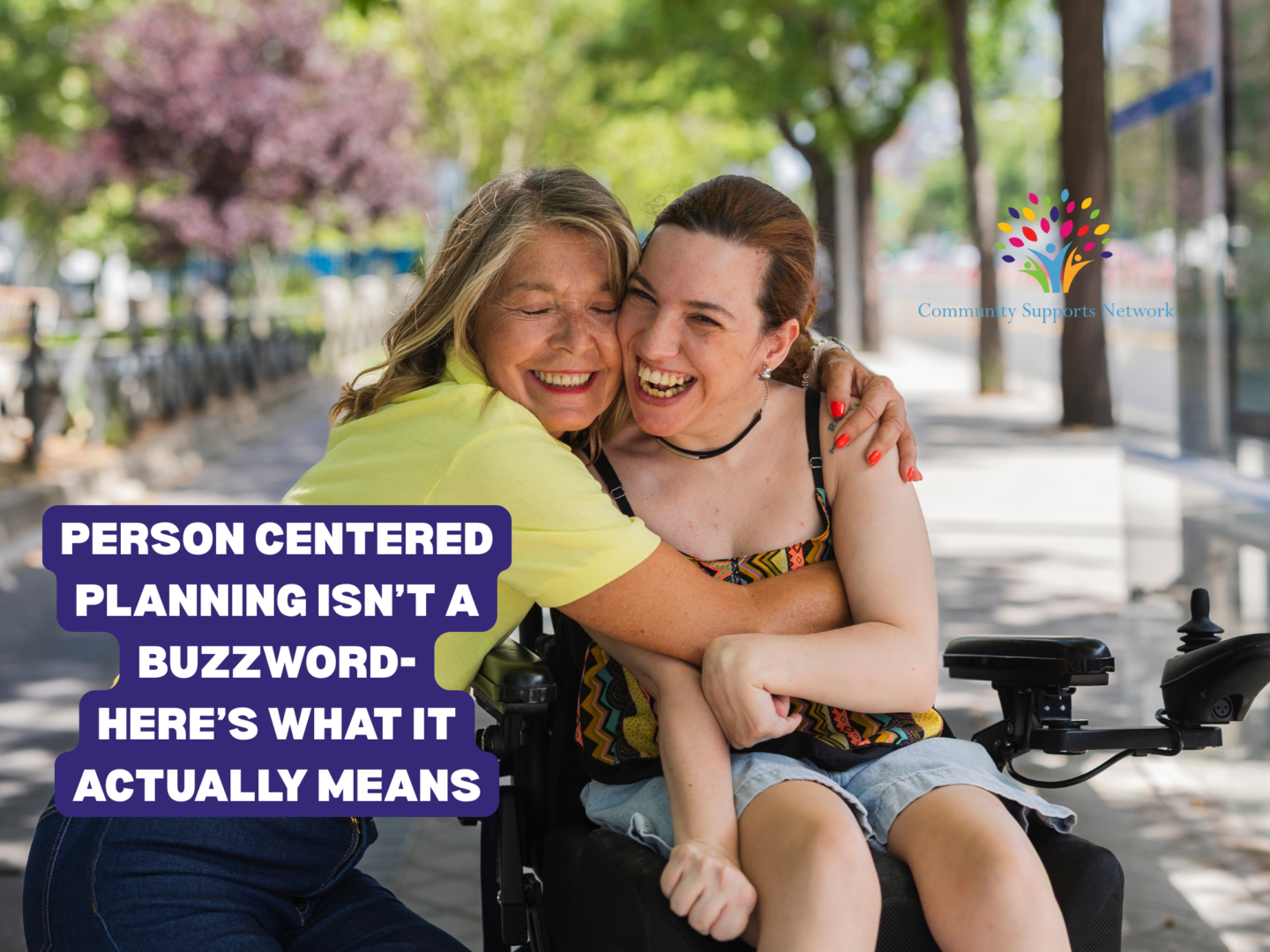
    Photo of a DSP joyfully hugging her client.  This moment embodies the essence of what person-centered planning really is all about.  It is far more than just making a list of planned activities.  It is how we show up together in support of one another.

    In the world of disability services, the phrase “person-centered planning” is everywhere.

    It appears in mission statements. It’s referenced in meetings. It shows up in documentation and training sessions.

    But what does it really mean?

    At Community Supports Network (CSN), person-centered planning isn’t a slogan. It’s the foundation of how we support individuals every single day.

    Person-centered planning means the individual is not just included in decisions — they lead them.

    It means support begins with listening.

    Not assumptions. Not checklists. Not systems.

    Listening.

    What Person-Centered Planning Is

    Person-centered planning is a collaborative process that focuses on an individual’s strengths, preferences, goals, and vision for their life.

    It asks:

    • What does a meaningful life look like to you?
    • What are your goals — big or small?
    • What environments help you thrive?
    • What kind of support feels respectful and empowering?

    Instead of designing services around what is available, person-centered planning designs services around what matters most to the individual.

    It recognizes that:

    • Independence looks different for everyone.
    • Growth is not one-size-fits-all.
    • Dignity is non-negotiable.

    The person is not a diagnosis. They are not a service plan. They are not a list of needs.

    They are a whole human being with preferences, dreams, relationships, and the right to direct their own life.

    What Person-Centered Planning Is Not

    It’s not completing paperwork and calling it a plan.

    It’s not deciding what’s “best” without meaningful input.

    It’s not focusing only on limitations.

    And it’s not creating goals based solely on what fits neatly into a program structure.

    True person-centered planning requires flexibility, creativity, and partnership. It sometimes requires slowing down. It requires humility. It requires trust.

    Most importantly, it requires believing that the person receiving services is the expert in their own life.

    What It Looks Like in Action

    Person-centered planning shows up in small, everyday moments.

    • It looks like honoring someone’s preferred communication style.
    • It looks like adjusting routines to match energy levels.
    • It looks like building employment goals around genuine interests — not convenience.
    • It looks like supporting friendships and community involvement that feel authentic, not forced.
    • It looks like asking before acting.
    • It looks like celebrating progress that matters to the individual — even if it’s invisible to others.

    At CSN, this philosophy guides how we approach supported employment, community-based services, and day-to-day support. Our role is not to control outcomes — it is to support individuals in building lives that feel meaningful to them.

    Why It Matters

    When planning is truly person-centered, outcomes improve.

    Confidence grows.

    Trust strengthens.

    Independence expands.

    Individuals feel seen — not managed.

    Families feel heard — not dismissed.

    Support professionals feel purposeful — not transactional.

    Person-centered planning isn’t about perfection. It’s about partnership.

    It’s about recognizing that every person deserves the opportunity to define success on their own terms.

    And it’s about building services that honor that right.

    At CSN, person-centered isn’t just what we say.

    It’s how we show up.
  • Goal Setting the Person-Centered Way: Supporting Individuals in 2026

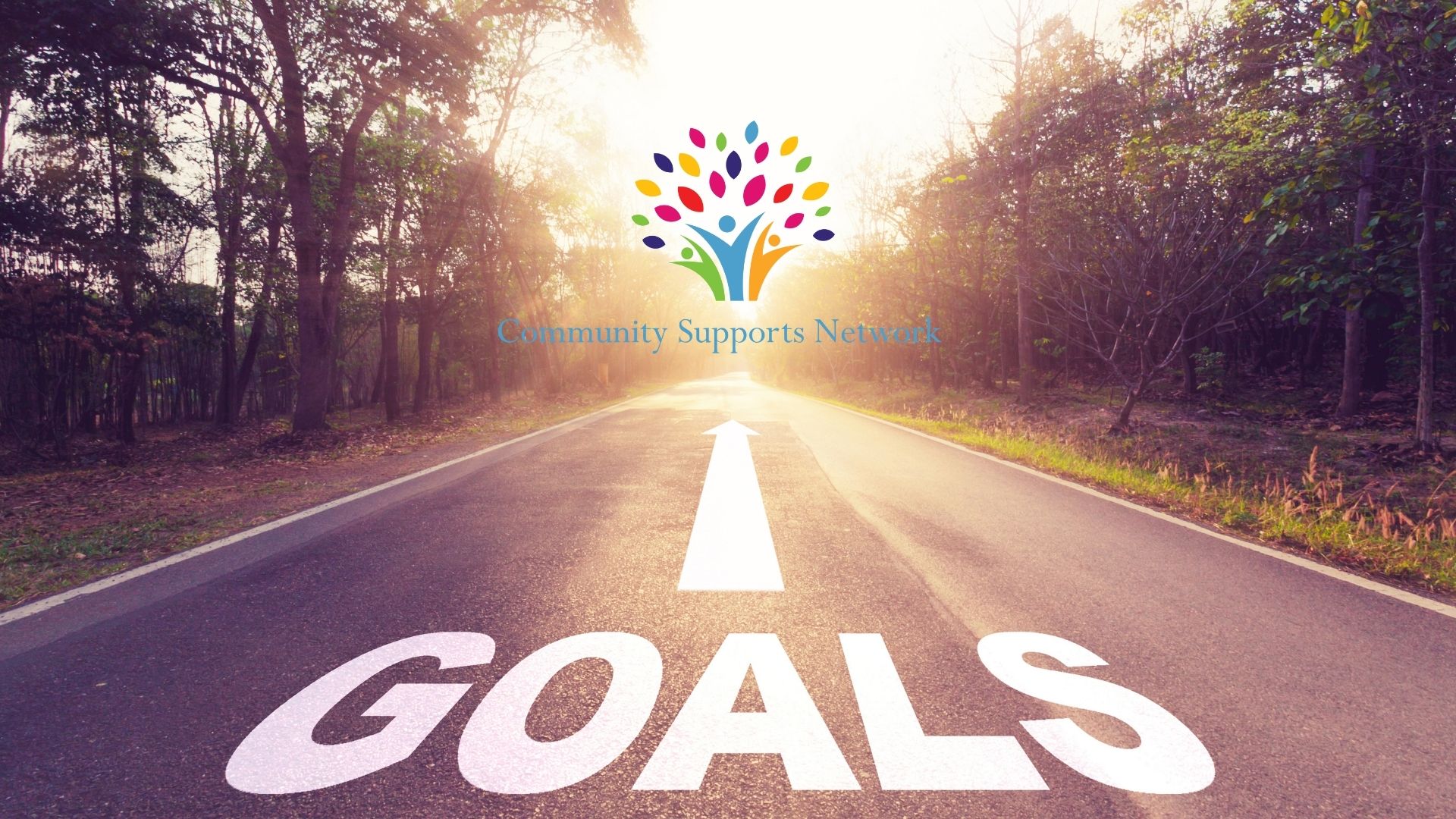
    Photo looking down a road with the sun rising in the background, with our company logo at the top and the word goals in large font below.  This headlines our blog post about person-centered goals for supporting our individual clients in 2026 and beyond.

    As we welcome a new year, many people begin setting goals, resolutions, or intentions for the months ahead. For individuals with disabilities, this season provides a meaningful opportunity to explore what matters to them — not just what others expect. At Community Supports Network (CSN), we believe that goal setting should always be person-centered, empowering, and rooted in each individual’s strengths, preferences, and vision for their own life.
    Rather than focusing on resolutions that fade by February, person-centered goals help individuals build skills, confidence, and purpose throughout the entire year. These goals can be small or big, simple or ambitious — what matters most is that the individual has ownership of the process. Below are ways DSPs, families, and caregivers can help support meaningful goal setting in 2026.

    Tips for Person-Centered Goal Setting

    1. Start With What the Individual Enjoys

    The most successful goals grow from genuine interests. Ask open-ended questions or offer choices: “What would you like to do more of this year?” “What makes you happy or excited?” “Is there something new you want to try?” Interests often lead naturally to skill-building opportunities — whether it’s cooking, community outings, fitness, or creative expression.

    2. Break Goals Into Achievable Steps

    Large goals can feel overwhelming. Breaking them into small, manageable steps helps individuals experience success and stay motivated. For example: Instead of “make more meals independently,” start with choosing a recipe, gathering ingredients, practicing one skill at a time (measuring, mixing, etc.). Each step is progress worth celebrating.

    3. Use Visuals and Supports to Clarify the Path

    Visual schedules, checklists, and simple planning tools help individuals understand what a goal looks like in action. Communication supports such as AAC, picture cards, or written prompts ensure everyone can participate meaningfully in the process.

    4. Celebrate Progress — Not Just Outcomes

    Every skill gained, step completed, or moment of independence matters. Celebrating small wins builds confidence, motivation, trust, and long-term success. Recognition doesn’t need to be elaborate — a high-five, a note, or a shared moment of reflection can make a big impact.

    5. Revisit and Adjust Throughout the Year

    Person-centered goals evolve. Interests may change, routines shift, or new opportunities arise. Support teams should feel comfortable revisiting and modifying goals to keep them relevant and meaningful. Checking in regularly ensures goals remain achievable, aligned with the individual’s preferences, and supportive of daily growth.

    6. Make the Process Collaborative and Empowering

    The strongest goals come from partnership. DSPs, guardians, families, and the individuals themselves all play a role — but the individual should remain at the center. Ask for feedback. Encourage choices. Support self-advocacy. Person-centered planning is not about telling someone what they should do — it’s about helping them discover what they want to do.

    Looking Ahead to 2026

    As we step into a new year, person-centered goal setting offers a meaningful pathway toward independence, learning, and fulfillment. Whether someone aims to build daily living skills, connect more with their community, strengthen communication, or explore new interests, each goal is an opportunity for growth. At CSN, we remain committed to empowering individuals to define their own versions of success — and supporting them every step of the way.

    Looking for More Resources?

    CSN is here to support individuals, families, and care teams with person-centered tools and programs designed to promote independence and meaningful daily living.
    Explore more of our services and resources on our website.

Serving Morris, Passaic, Bergen, Essex, Hudson, Union, Warren, Somerset, Hunterdon & Sussex Counties