Tag: quality of service

  • Understanding the Dignity of Risk in Disability Services

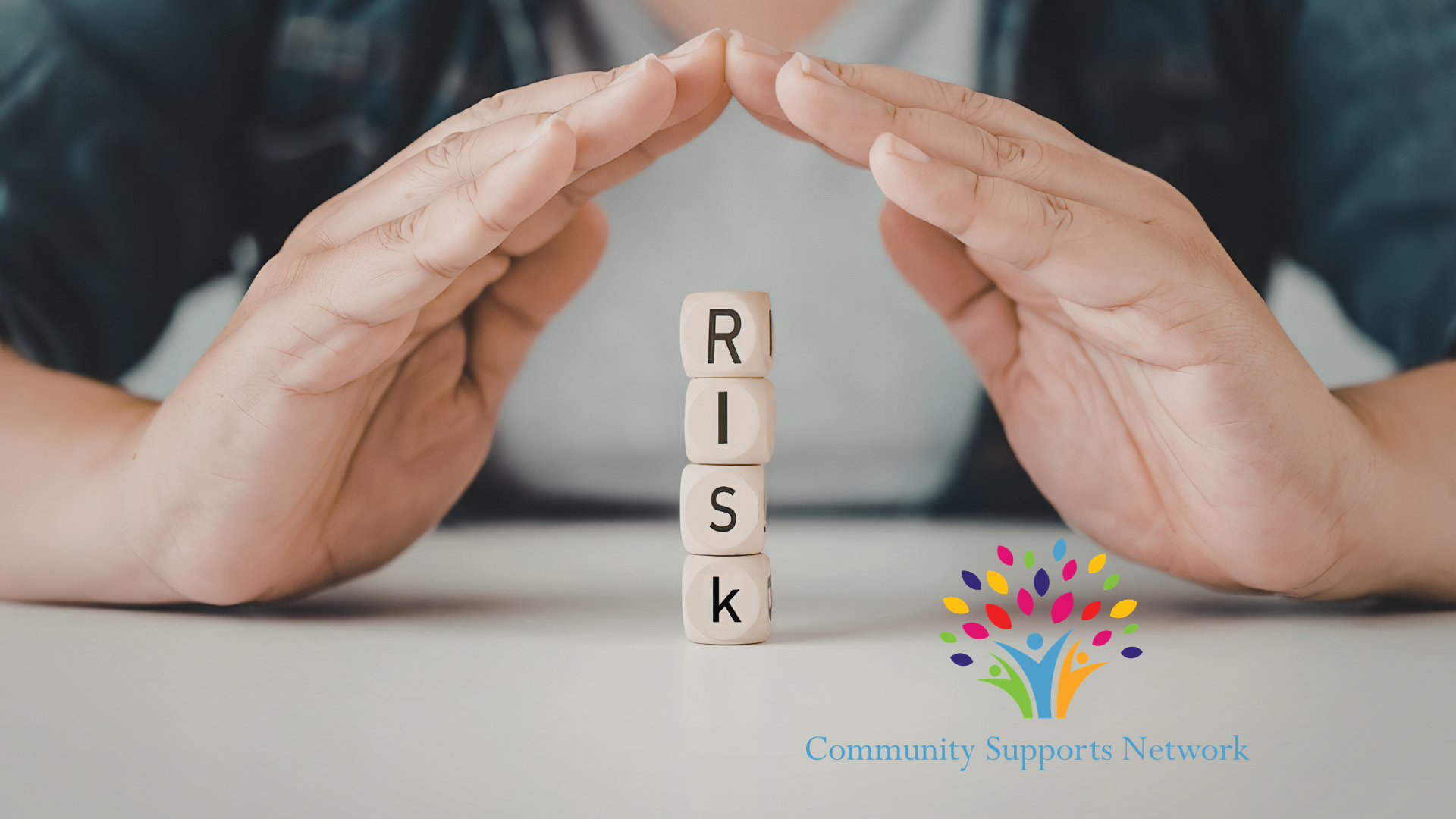
    Image of a stack of dice spelling the letters for the word "risk" which is the focus of our blog post about understanding the dignity of risk in disability servicies and delivery of supports for people with special needs.

    Safety is essential in disability services.

    But so is growth.

    One of the most important — and often misunderstood — principles in person-centered support is the concept of the dignity of risk.

    At its core, dignity of risk recognizes that every person has the right to make choices, take reasonable risks, and learn through experience — even if those experiences include the possibility of failure.

    Because risk is part of being human.

    What Is the Dignity of Risk?

    The dignity of risk is the idea that individuals with disabilities have the same right as anyone else to:

    • Try new things
    • Make personal decisions
    • Pursue goals that matter to them
    • Learn from mistakes
    • Experience independence

    Historically, disability systems often prioritized protection above all else. While safety remains critical, overprotection can unintentionally limit autonomy, confidence, and personal growth.

    Person-centered services require balance.

    Safety vs. Control

    There is an important difference between protecting someone and controlling them.

    Support professionals must assess real risks — health, safety, environmental factors — while also asking:

    • Is this restriction necessary?
    • Is there a way to support this choice safely?
    • Are we honoring the individual’s preferences?

    For example:

    An individual may want to travel independently to work.
    Someone may want to try a new job outside their comfort zone.
    A person may choose to manage their own spending with guidance rather than full oversight.

    Each of these scenarios carries some level of risk. But they also carry opportunity — for confidence, skill-building, and independence.

    When support teams collaborate thoughtfully, risk becomes manageable rather than avoidable.

    Why Risk Matters for Growth

    Without risk, there is no progress.

    Learning to advocate at work requires the possibility of rejection.
    Managing money requires the possibility of mistakes.
    Building relationships requires vulnerability.

    Shielding individuals from all discomfort may feel protective, but it can also limit growth.

    The dignity of risk affirms that individuals are capable — and that capability grows when people are trusted and supported.

    The Role of Support Professionals

    Embracing dignity of risk does not mean ignoring safety.

    It means:

    • Conducting thoughtful assessments
    • Creating clear support plans
    • Teaching skills proactively
    • Building natural supports
    • Monitoring outcomes
    • Adjusting strategies as needed

    It means replacing “no” with “how.”

    How can we make this safe?
    How can we prepare for this step?
    How can we support independence while managing risk responsibly?

    When professionals approach decisions collaboratively — involving individuals and families — trust strengthens.

    Why This Matters

    At Community Supports Network, we believe person-centered support includes honoring autonomy.

    Strong services do not eliminate risk entirely. They provide the structure, education, and guidance needed to navigate it safely.

    Because independence is not the absence of risk.

    It is the presence of opportunity.

    And every individual deserves the opportunity to grow, choose, and build a life that reflects their own goals — with the right supports in place.
  • Why Staff Training Matters in Disability Services

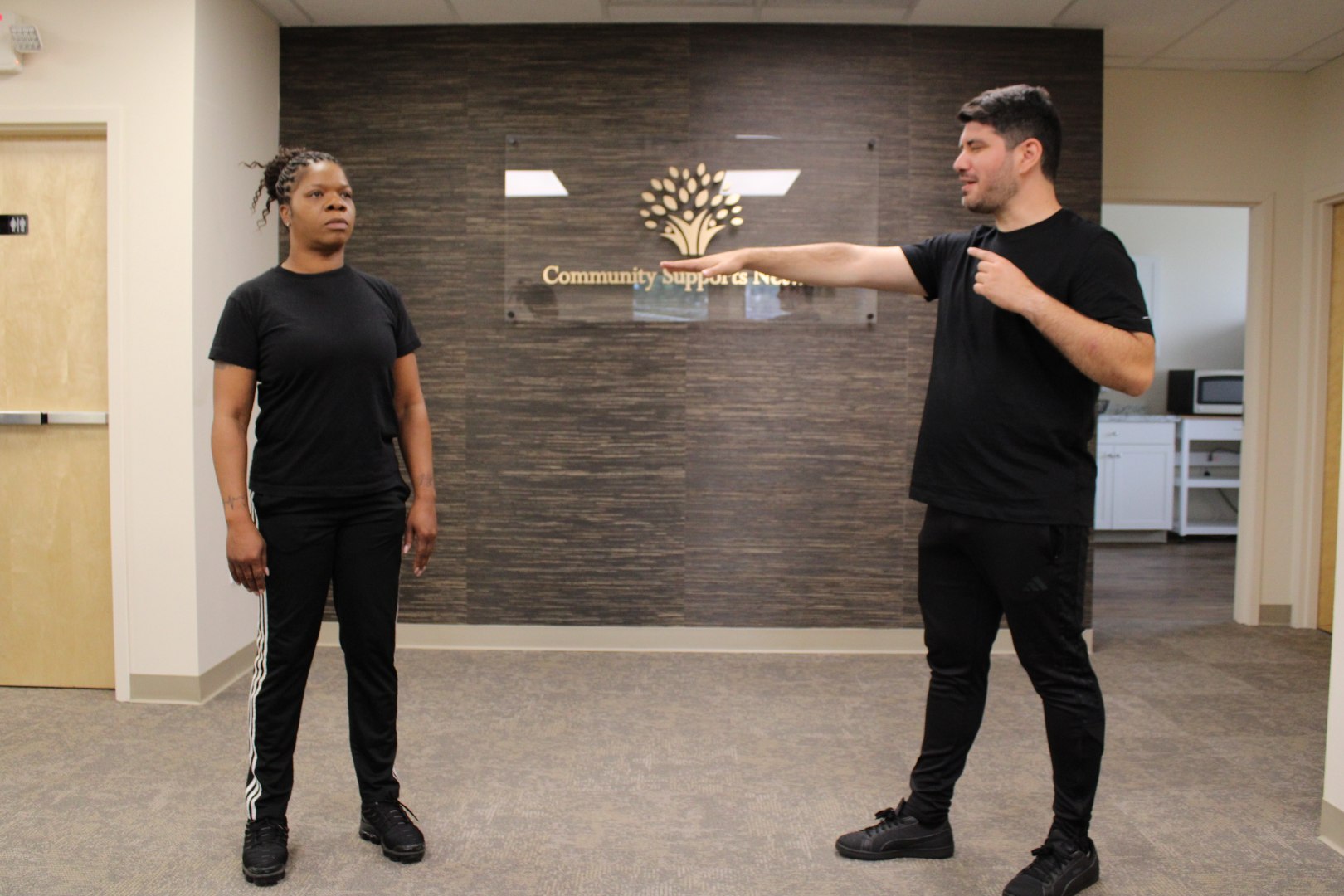
    Photo of CSN staff conducting a training exercise for their team members.  This build skill and competence levels for DSP personnel who then deliver better support for their clients who are typically disabled adults in need of skilled support services.

    When families choose a disability service provider, they are placing enormous trust in the hands of that organization.

    They are trusting that staff will communicate respectfully.
    That safety will be prioritized.
    That goals will be supported with care and professionalism.

    Behind every positive outcome in disability services is something that often goes unseen: ongoing staff training.

    At Community Supports Network (CSN), training isn’t a one-time requirement. It’s a continuous investment in quality, safety, and person-centered care.

    Disability Support Is Skilled Work

    There is a common misconception that disability services are simply about supervision or basic assistance.

    In reality, supporting individuals with disabilities requires skill, knowledge, adaptability, and emotional intelligence.

    Support professionals must understand:

    • Communication strategies across varying abilities
    • Positive behavior supports
    • Crisis prevention and de-escalation
    • Health and safety protocols
    • Documentation and compliance requirements
    • Cultural competency and inclusion

    Effective support is not improvised – it is learned, practiced, and refined.

    Training Protects Dignity and Safety

    Well-trained staff are able to respond calmly in high-stress situations, identify early signs of distress, and adapt support strategies appropriately.

    Training helps ensure that:

    • Interactions are respectful and person-centered
    • Boundaries are honored
    • Individual preferences are prioritized
    • Risk is managed without limiting independence

    When professionals understand both safety procedures and the dignity of risk, individuals are empowered — not controlled.

    Ongoing Education Builds Better Outcomes

    Disability services are not static. Best practices evolve. Policies change. Research grows. Community expectations shift.

    Continuous training allows organizations to:

    • Stay current with regulatory requirements
    • Strengthen communication practices
    • Improve employment support strategies
    • Enhance community inclusion efforts
    • Build leadership within support teams

    When staff grow professionally, individuals benefit personally.

    Training Strengthens Trust with Families

    Families want to know that the people supporting their loved ones are competent, compassionate, and prepared.

    Transparency about training requirements and ongoing professional development builds confidence. It signals that quality matters.

    At CSN, we believe that strong training programs create strong support teams — and strong teams create meaningful outcomes.

    Investing in People Who Invest in Others

    Direct Support Professionals and Job Coaches play an essential role in building independence, employment success, and community belonging.

    Investing in their growth is not optional. It is essential.

    Because high-quality disability services don’t happen by chance.

    They happen by design.

    And that design begins with education, preparation, and a commitment to excellence.

    EDITOR’S NOTE: Does this sound like something you would enjoy doing? We train our DSP’s to be able to do their best supporting our clients with special needs. If you are interested in joining our team as a DSP, please take a look at jobs listed on our DSP careers page.

Serving Morris, Passaic, Bergen, Essex, Hudson, Union, Warren, Somerset, Hunterdon & Sussex Counties