
Tag: what a DSP does

  • What True Inclusion Looks Like in Our Communities

    Photo of a DSP with a young adult with autism giving each other a high-five in celebration of what true inclusion looks like within our communities.

    Every March, Developmental Disabilities Awareness Month invites us to reflect on an important question: What does inclusion really look like in everyday life?

    While awareness campaigns and advocacy efforts help bring attention to the disability community, true inclusion happens in the small, everyday moments. It’s present when individuals with disabilities are welcomed, supported, and valued as active members of their communities.

    At Community Supports Network (CSN), we believe inclusion is not just an idea—it’s something we can all help create.

    Moving Beyond Awareness

    Awareness is an important first step. It helps people understand the experiences, challenges, and strengths of individuals with developmental disabilities.

    But meaningful change happens when awareness turns into action.

    Inclusion means ensuring individuals with disabilities have the same opportunities as everyone else to:

    • Build friendships and social connections
    • Participate in community events and activities
    • Pursue meaningful employment
    • Live independently with the supports they need
    • Share their talents and contributions with others

    When communities focus on inclusion, everyone benefits.

    The Role of Support Services

    Support services play a vital role in helping individuals with disabilities lead fulfilling and independent lives.

    Organizations like Community Supports Network work alongside individuals and families to provide personalized services that support independence, growth, and community connection.

    These services may include:

    • Residential supports
    • Community-based programs
    • Employment assistance
    • Life skills development
    • Advocacy and resource guidance

    The goal is always the same: helping individuals build lives that reflect their goals, interests, and potential.

    How Communities Can Make a Difference

    Creating inclusive communities does not require large policy changes or complicated systems. Often, it begins with simple actions that make people feel welcomed and valued.

    Here are a few ways individuals and communities can help foster inclusion.

    Be open to connection.

    Take the time to get to know people in your community and recognize the value of diverse experiences.

    Support inclusive opportunities.

    Encourage businesses, organizations, and schools to create accessible environments where everyone can participate.

    Celebrate differences.

    Disability is part of human diversity. When we celebrate different abilities, perspectives, and experiences, we strengthen our communities.

    Listen and learn.

    One of the most important parts of advocacy is listening to the voices of individuals with disabilities and respecting their perspectives.

    Looking Ahead

    Inclusion is not something that happens once a year. It is something we build every day through awareness, advocacy, and action.

    At Community Supports Network, we are proud to support individuals with developmental disabilities as they pursue their goals and live meaningful lives within their communities.

    Together, we can continue creating communities where everyone feels valued, supported, and included.
  • Why Staff Training Matters in Disability Services

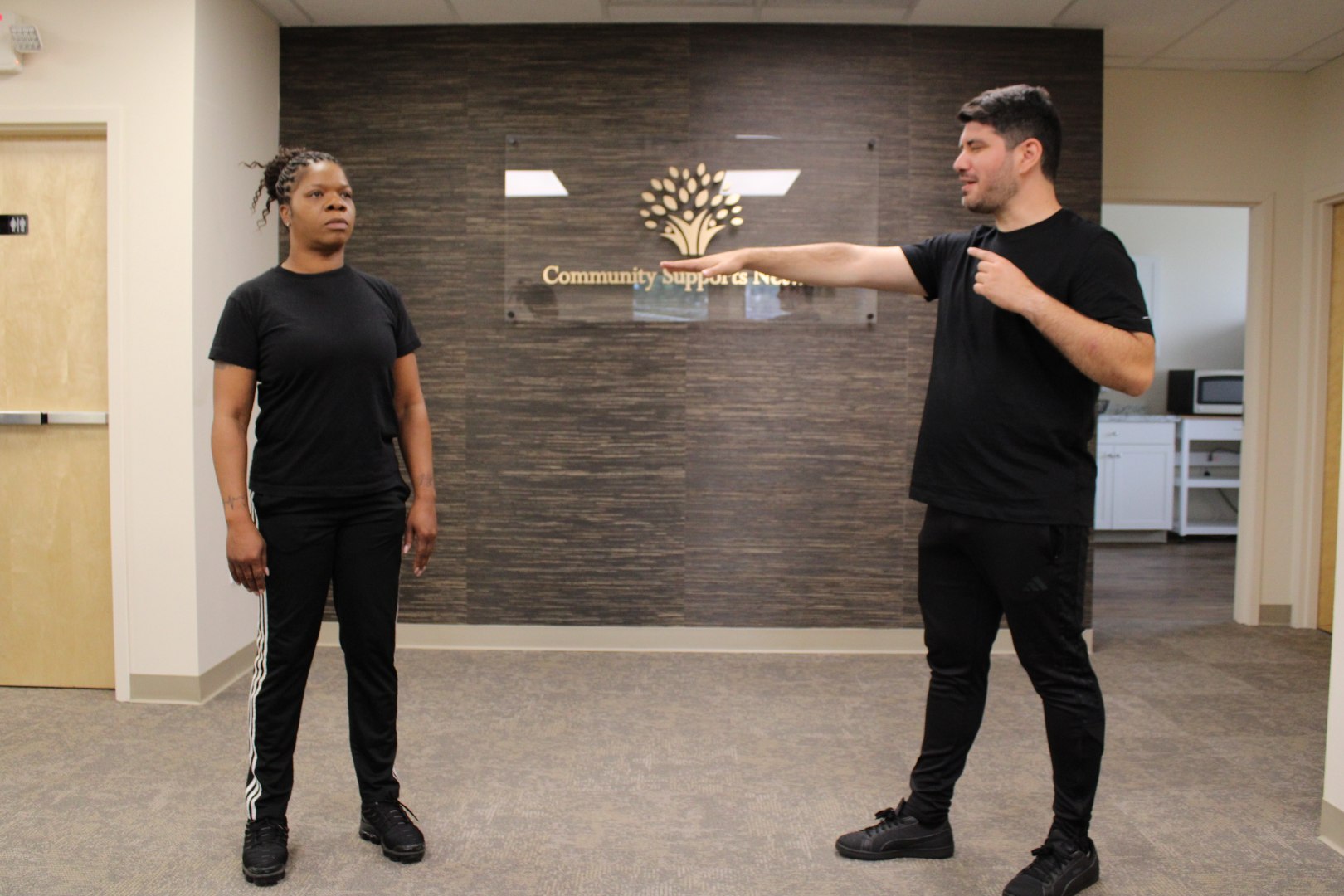
    Photo of CSN staff conducting a training exercise for their team members.  This build skill and competence levels for DSP personnel who then deliver better support for their clients who are typically disabled adults in need of skilled support services.

    When families choose a disability service provider, they are placing enormous trust in the hands of that organization.

    They are trusting that staff will communicate respectfully.
    That safety will be prioritized.
    That goals will be supported with care and professionalism.

    Behind every positive outcome in disability services is something that often goes unseen: ongoing staff training.

    At Community Supports Network (CSN), training isn’t a one-time requirement. It’s a continuous investment in quality, safety, and person-centered care.

    Disability Support Is Skilled Work

    There is a common misconception that disability services are simply about supervision or basic assistance.

    In reality, supporting individuals with disabilities requires skill, knowledge, adaptability, and emotional intelligence.

    Support professionals must understand:

    • Communication strategies across varying abilities
    • Positive behavior supports
    • Crisis prevention and de-escalation
    • Health and safety protocols
    • Documentation and compliance requirements
    • Cultural competency and inclusion

    Effective support is not improvised – it is learned, practiced, and refined.

    Training Protects Dignity and Safety

    Well-trained staff are able to respond calmly in high-stress situations, identify early signs of distress, and adapt support strategies appropriately.

    Training helps ensure that:

    • Interactions are respectful and person-centered
    • Boundaries are honored
    • Individual preferences are prioritized
    • Risk is managed without limiting independence

    When professionals understand both safety procedures and the dignity of risk, individuals are empowered — not controlled.

    Ongoing Education Builds Better Outcomes

    Disability services are not static. Best practices evolve. Policies change. Research grows. Community expectations shift.

    Continuous training allows organizations to:

    • Stay current with regulatory requirements
    • Strengthen communication practices
    • Improve employment support strategies
    • Enhance community inclusion efforts
    • Build leadership within support teams

    When staff grow professionally, individuals benefit personally.

    Training Strengthens Trust with Families

    Families want to know that the people supporting their loved ones are competent, compassionate, and prepared.

    Transparency about training requirements and ongoing professional development builds confidence. It signals that quality matters.

    At CSN, we believe that strong training programs create strong support teams — and strong teams create meaningful outcomes.

    Investing in People Who Invest in Others

    Direct Support Professionals and Job Coaches play an essential role in building independence, employment success, and community belonging.

    Investing in their growth is not optional. It is essential.

    Because high-quality disability services don’t happen by chance.

    They happen by design.

    And that design begins with education, preparation, and a commitment to excellence.

    EDITOR’S NOTE: Does this sound like something you would enjoy doing? We train our DSP’s to be able to do their best supporting our clients with special needs. If you are interested in joining our team as a DSP, please take a look at jobs listed on our DSP careers page.

  • What Makes a Great Direct Support Professional

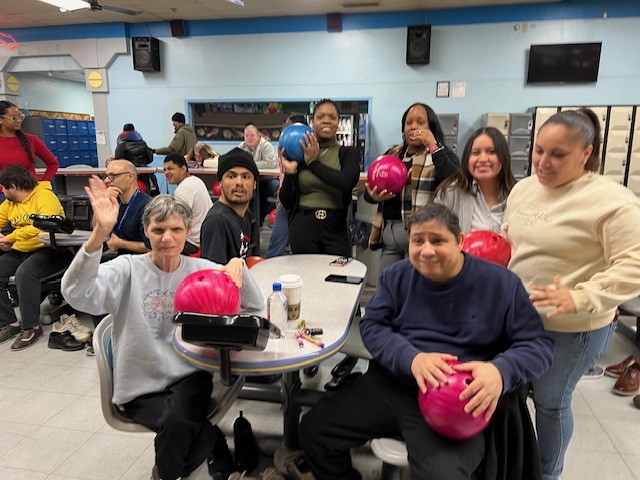
    Photo of Direct Support Professionals with some of our special clients at a community sporting event, waving and smiling happily together

    Direct Support Professionals (DSPs) play one of the most important roles in community-based disability services — yet their impact is often misunderstood or overlooked.

    At Community Supports Network, we know that great DSPs do far more than provide assistance. They support independence, build trust, foster confidence, and help individuals live meaningful, self-directed lives. But what truly makes a great Direct Support Professional?

    It’s not just about tasks. It’s about people.

    1. Respect Comes First

    At the heart of great support is respect.

    Great DSPs recognize that every individual is the expert of their own life. They honor personal preferences, communication styles, cultural identities, and boundaries. Support is never about control — it’s about partnership.

    Respect shows up in everyday moments: listening before acting, asking instead of assuming, and treating individuals as adults with agency and dignity.

    2. Patience and Flexibility

    No two days look the same in disability support — and great DSPs understand that.

    Plans change. Emotions fluctuate. Progress isn’t always linear. Patience allows DSPs to meet individuals where they are, without rushing, judgment, or frustration. Flexibility allows them to adapt while keeping support consistent and safe.

    These qualities help create environments where individuals feel calm, supported, and understood.

    3. Strong Communication Skills

    Communication is about more than words.

    Great DSPs learn how each individual communicates — whether through speech, gestures, assistive technology, or behavior. They take time to understand what is being expressed and advocate when others may not be listening.

    They also communicate clearly with families, team members, and supervisors to ensure consistency, transparency, and continuity of care.

    4. Commitment to Person-Centered Support

    A great DSP understands that support should never be “one-size-fits-all.”

    Person-centered support means focusing on the individual’s goals, interests, strengths, and needs — not what is easiest or most convenient. It means supporting independence at the individual’s pace and offering guidance without taking over.

    This approach helps individuals build confidence, skills, and pride in their own accomplishments.

    5. Emotional Awareness and Empathy

    DSPs often support individuals through challenges, transitions, and big emotions.

    Great DSPs lead with empathy. They recognize that behavior is communication and that emotional responses often reflect unmet needs, stress, or change. By responding with compassion instead of correction, DSPs help individuals feel safe and supported.

    Empathy builds trust — and trust is the foundation of meaningful support.

    6. Reliability and Consistency

    Consistency matters.

    Showing up on time, following through on commitments, and maintaining routines help individuals feel secure. Great DSPs understand that reliability isn’t just professional — it’s personal. When someone knows they can count on you, confidence grows.

    This consistency is especially important for individuals who rely on structure to navigate their day.

    7. Willingness to Learn and Grow

    Great DSPs don’t need to know everything — but they are open to learning.

    They seek feedback, ask questions, participate in training, and reflect on their practice. They understand that growth benefits not only their own development but the quality of support they provide.

    At CSN, we believe investing in DSP growth strengthens everyone involved.

    More Than a Job

    Being a Direct Support Professional is more than a role — it’s a responsibility and a privilege.

    DSPs are mentors, advocates, problem-solvers, and community builders. They help turn inclusion into something individuals experience in real, everyday ways.

    At Community Supports Network, we are proud to work alongside DSPs who bring patience, respect, compassion, and commitment to their work each day. Their impact reaches far beyond the individuals they support — it strengthens families, communities, and the future of inclusive care.


    Does this sound like you — or someone you know? CSN is always looking for compassionate, dedicated individuals interested in making a difference as Direct Support Professionals. Learn more about joining our team here.

  • Celebrating National DSP Recognition Week: Honoring the Heart of Community Supports Network

    Our DSP with one of our clients celebrating together on a sunny day.

    September 7–13th, 2025 marks National Direct Support Professional (DSP) Recognition Week — a time to shine a well-deserved spotlight on the extraordinary individuals who dedicate their lives to empowering others. At Community Supports Network (CSN), our DSPs are not just team members. They are advocates, mentors, and everyday heroes who make a profound difference in the lives of the people and families we serve.


    What Is a DSP and Why They Matter

    Direct Support Professionals are the backbone of disability services. They work directly with individuals who have intellectual and developmental disabilities (I/DD), autism, and other support needs. Their role goes far beyond providing care — they empower people to live full, independent, and meaningful lives.

    From teaching daily living skills to supporting someone as they achieve their dream job, DSPs are there every step of the way. They help bridge gaps in education, employment, social opportunities, and community inclusion.

    Simply put: DSPs don’t just support people — they help create brighter futures.

    At CSN, our DSPs support individuals through:

    • Job coaching to help people thrive in meaningful employment.
    • Life skills training for greater independence at home and in the community.
    • Advocacy and mentorship, ensuring every person’s voice is heard.
    • Joyful connections, fostering friendships and belonging.

    Why This Week Matters

    While the impact of DSPs is felt every single day, National DSP Recognition Week gives us a chance to collectively celebrate their dedication and elevate awareness of their crucial role. Across the country, DSPs are facing workforce shortages and systemic challenges. By celebrating their work publicly, we not only thank them but also advocate for greater recognition, better wages, and stronger support for these essential workers.

    For the individuals and families, they serve, DSPs aren’t just staff members — they are life changers. This week is an opportunity for communities to pause and say, “We see you, we value you, and we appreciate you.”


    A Look at DSP Impact at CSN

    At CSN, we see the magic of DSPs every day.

    Whether it’s supporting someone to land their first job, encouraging a person to reach a new milestone in independence, or simply being a trusted presence through life’s ups and downs, DSPs are central to our mission.

    One recent success story is [Insert Brief Example — e.g., a client who gained employment or reached a milestone thanks to a DSP’s support]. These moments are a testament to the powerful relationships built between DSPs and the people they serve.


    A Call to Action

    The work of DSPs is not just vital — it’s transformative. By recognizing and supporting them, we are investing in stronger, more inclusive communities.

    If you are a DSP, know this: you are seen, valued, and deeply appreciated.
    If you are a family member, friend, or community partner, take a moment to thank a DSP and consider how you can help advocate for these essential professionals.


    From All of Us at CSN: Thank You

    To every Direct Support Professional at CSN and beyond:
    Thank you for your compassion, your dedication, and the countless ways you make a difference.

    You are the reason individuals with disabilities are empowered to dream bigger, achieve more, and live lives filled with independence and joy.

    Happy National DSP Recognition Week! 💙


Serving Morris, Passaic, Bergen, Essex, Hudson, Union, Warren, Somerset, Hunterdon & Sussex Counties