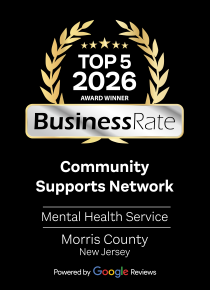
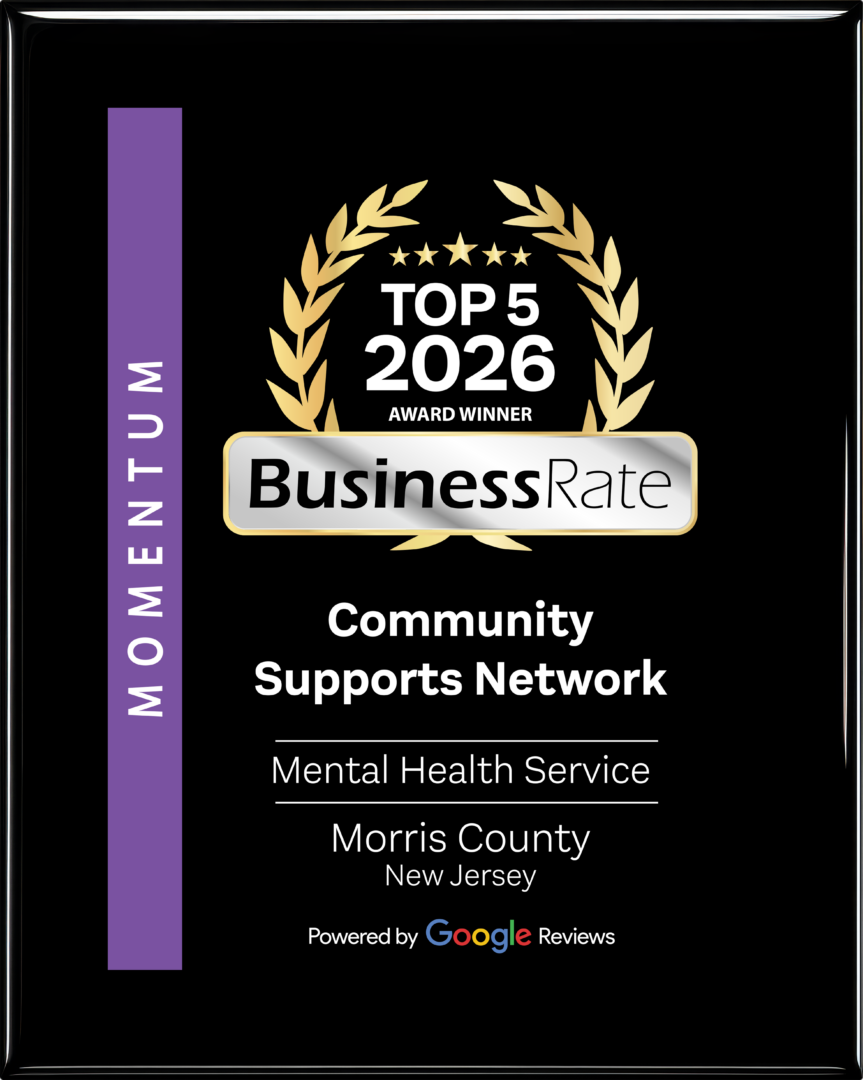
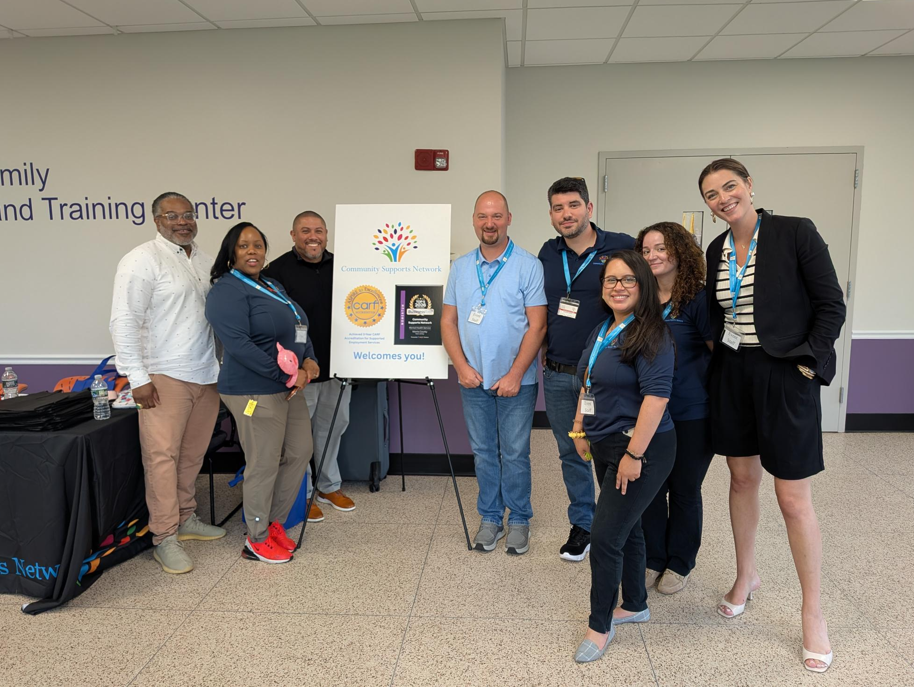
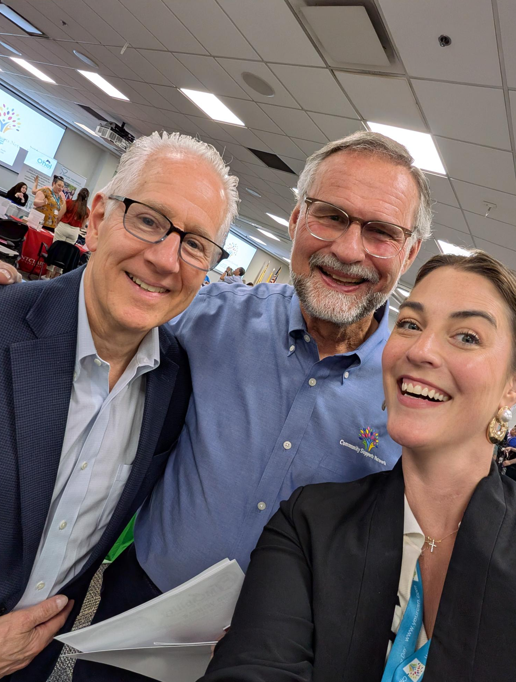
At Community Supports Network (CSN), our mission has always been simple: support individuals, empower families, and build stronger, more inclusive communities throughout New Jersey. Today, we’re incredibly honored to share that Community Supports Network has been recognized as a 2026 Top 5 Business by BusinessRate.
While awards are always exciting, this recognition means even more because it reflects the experiences of the individuals, families, and community partners we serve every day. It recognizes our commitment to providing compassionate, person-centered disability services that help people achieve greater independence and improve their quality of life.
Every day, our team works alongside individuals with disabilities to help them reach personal goals, develop life skills, build meaningful relationships, and become active members of their communities. We also support families as they navigate services, connect with resources, and plan for the future with confidence.
Recognizing Everyone Who Made This Possible
This recognition belongs to every member of our incredible team. Our Direct Support Professionals, office staff, leadership team, and community partners each play an essential role in creating opportunities for individuals with disabilities to thrive. Their compassion, professionalism, and dedication make a lasting impact every single day.
We also want to extend our deepest gratitude to the individuals and families who have trusted Community Supports Network. Thank you for welcoming us into your lives and for sharing your experiences. Your feedback, encouragement, and confidence inspire us to continue growing and improving our services.
Being recognized as a Top 5 Business is an exciting milestone, but it also motivates us to keep raising the standard for disability services in New Jersey. We remain committed to providing high-quality, person-centered support while strengthening the communities we proudly serve.
We’re proud of how far we’ve come, grateful for the community that surrounds us, and excited about everything still to come. This achievement reflects the relationships we’ve built together and the shared commitment to creating more inclusive communities for everyone.
Words of Gratitude & The Future
Thank you for being part of the CSN family. We appreciate every individual, family member, employee, and community partner who has helped make this recognition possible.
Together, we’ll continue creating opportunities, celebrating achievements, and making meaningful differences in the lives of the people we serve for many years to come.
An Evening that Brings Together Families, Providers, and Community Partners!
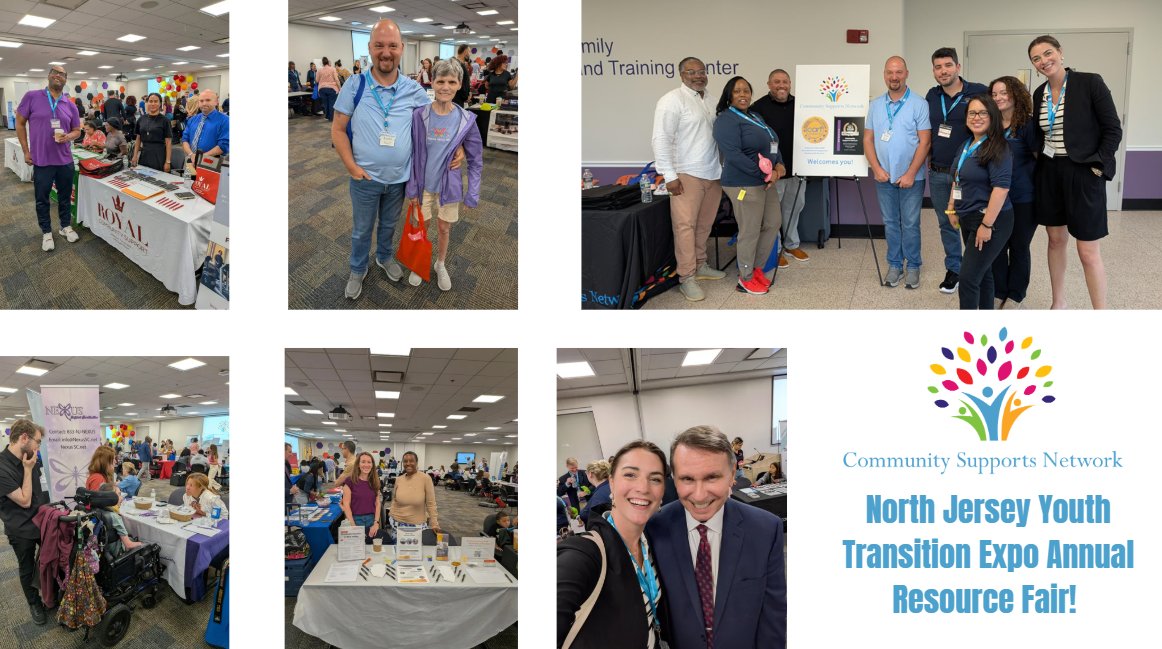
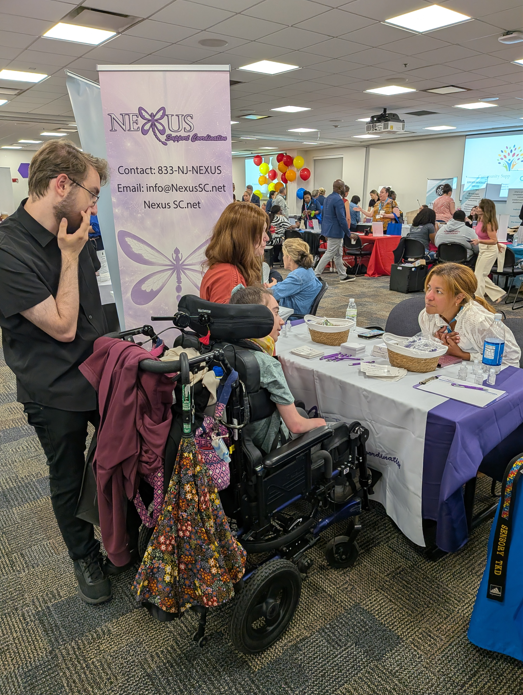
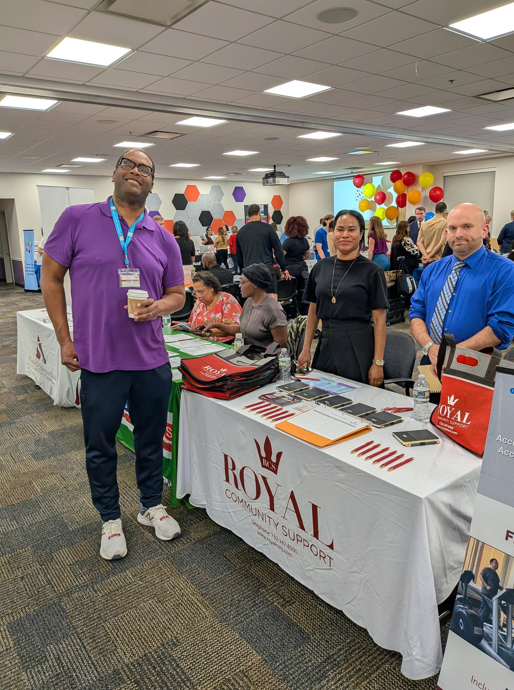
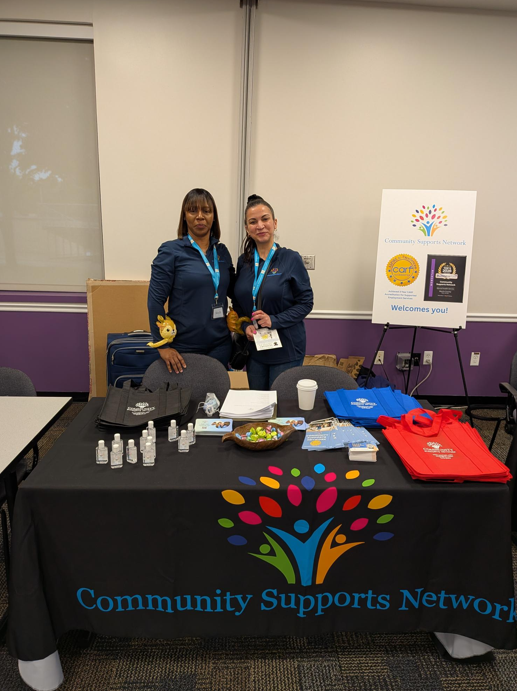
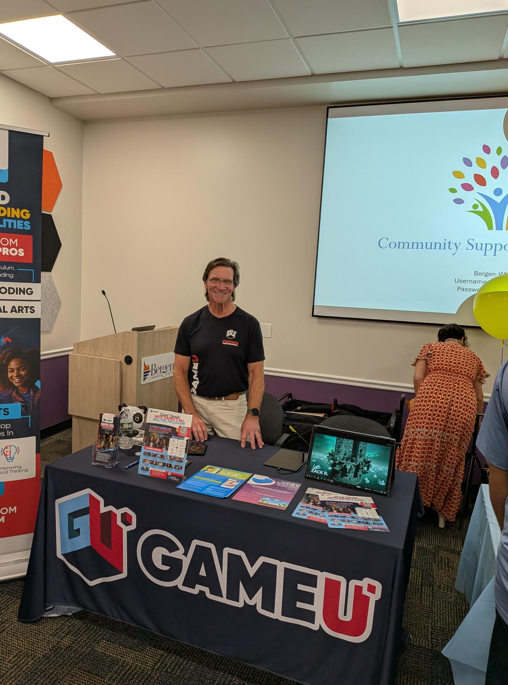
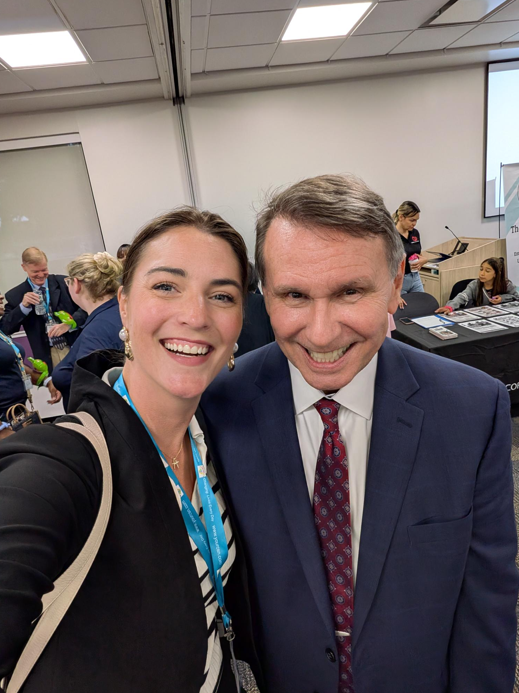
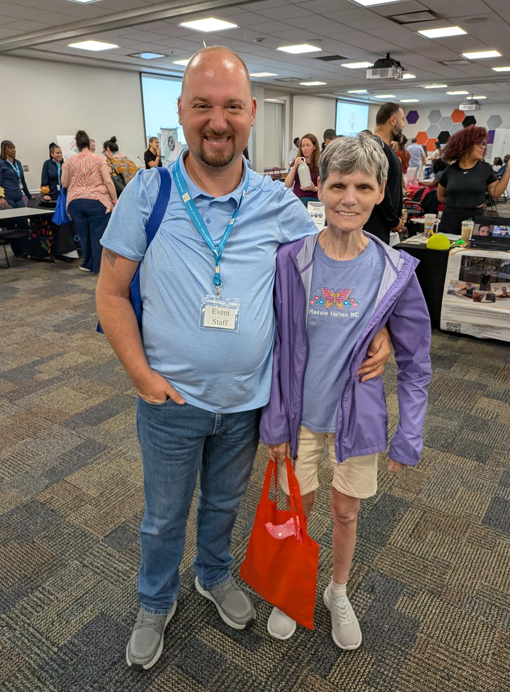
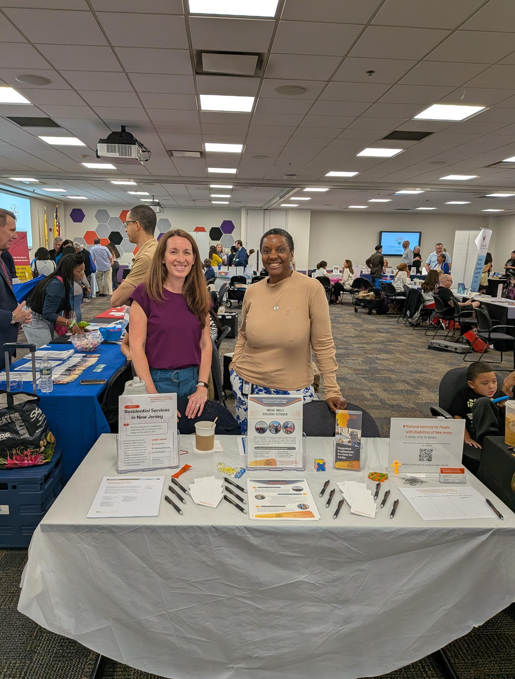
On Tuesday, June 23, Community Supports Network proudly hosted our Annual Resource Fair for DDD-Eligible Individuals and Families at Bergen Community College’s Technology Education Center in Paramus, New Jersey.
What an incredible evening!
We had an outstanding turnout of families, providers, community organizations, and professionals from across the state at this event. This served as a powerful reminder of what can happen when a community comes together with a shared goal: supporting individuals with disabilities and their families.
Attendees had many opportunities to connect directly with agencies and service providers, explore valuable resources, and learn about available supports. Consequently, these relationships will help individuals thrive at every stage of life in the future.
For many families, navigating services and supports can feel overwhelming. Thus events like the Annual Resource Fair provide meaningful conversations, education, and connections in a welcoming and inclusive environment. Whether attendees were seeking information about adult services, employment supports, recreation programs, educational resources, healthcare providers, or community organizations, there was something for everyone.
We were honored to welcome dozens of participating vendors and organizations who generously shared their expertise, programs, and services with attendees. Their commitment to serving individuals with disabilities helps strengthen our communities and create more opportunities for inclusion and independence.
Most importantly, the evening highlighted the power of collaboration. When providers, families, advocates, and community partners come together, we create stronger support systems and brighter futures for the individuals we serve.
To everyone who attended, exhibited, volunteered, and helped make this event possible — thank you. Your participation and dedication are what make events like this so impactful.
We are truly grateful for the opportunity to bring our community together at this event. Furthermore, we are looking forward to continuing to create spaces where connections are made. This will ensure that resources are shared and individuals and their families will feel supported every step of the way.
Together, we are building a more inclusive New Jersey.
For a list of vendors that participated at the EXPO, please download it here!
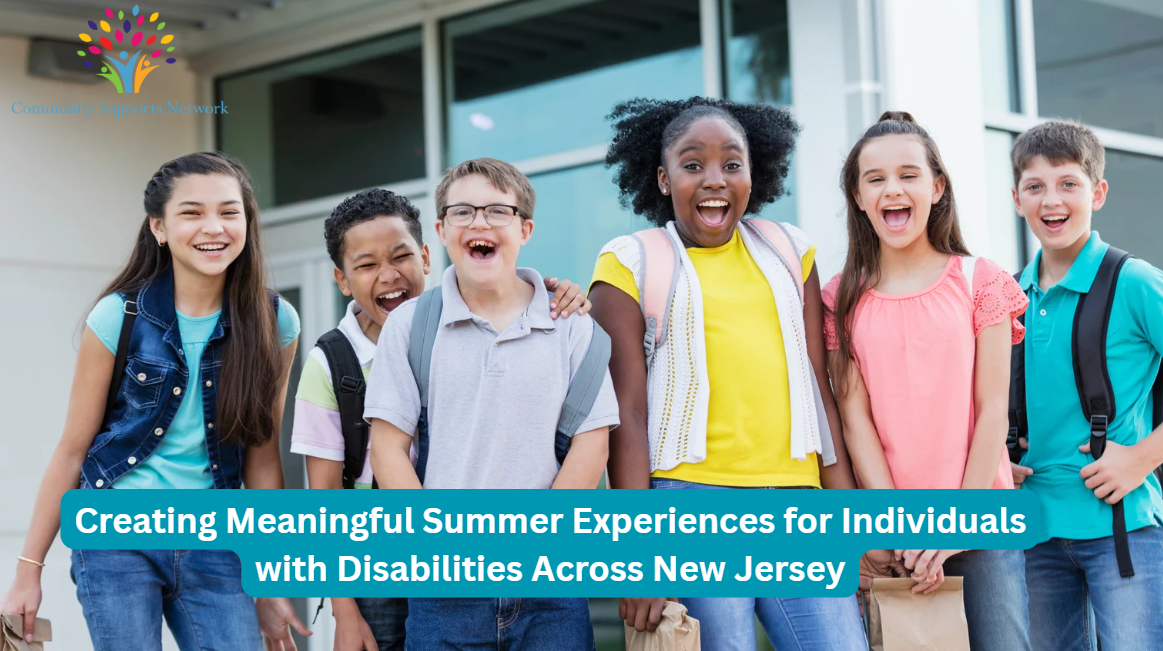
As the school year comes to a close, summer brings exciting opportunities for fun, exploration, and new experiences. For individuals with disabilities and their families, however, summer can also present a challenge: finding activities that are engaging, inclusive, and meaningful.
The good news is that New Jersey offers countless opportunities for individuals of all ages and abilities to stay active, connected, and involved throughout the summer months. Whether through recreation, volunteering, community events, educational programs, or simply exploring new places, summer can be a season filled with growth, confidence-building, and memorable experiences.
Why Meaningful Engagement Matters
Summer activities provide more than just entertainment. They help individuals develop social skills, build independence, strengthen communication abilities, and foster a sense of belonging within their communities.
Participating in community-based experiences can also:
Encourage friendships and social connections
Promote physical and emotional well-being
Build confidence and self-esteem
Support the development of daily living and life skills
Create opportunities to discover new interests and talents
Most importantly, meaningful engagement helps individuals feel connected to their communities and valued for who they are.
Exploring New Jersey’s Opportunities
One of the greatest advantages of living in New Jersey is the wide variety of accessible and inclusive opportunities available throughout the state.
Parks and Nature Centers
New Jersey offers a variety of accessible outdoor spaces where individuals can explore nature, stay active, and enjoy the summer months.
Many of these locations offer paved walking paths, accessible facilities, sensory-friendly experiences, and opportunities for family outings.
Libraries and Community Centers
Libraries are often one of New Jersey’s most inclusive and affordable resources.
Look for:
Summer Reading Programs at local public libraries
Sensory-friendly story times
Arts and crafts workshops
Technology and computer classes
Social clubs and game nights
Adaptive recreation programs through local recreation departments
Many county library systems, including those in Bergen, Morris, Essex, Monmouth, and Camden Counties, offer inclusive programming throughout the summer.
Museums and Cultural Attractions
Museums provide opportunities to learn, explore interests, and experience new environments.
Many museums now offer sensory-friendly hours, accessibility accommodations, and interactive exhibits.
Volunteer Opportunities
Volunteering can help individuals develop confidence, responsibility, and community connections.
Potential opportunities may include:
Local food banks and food pantries
Community gardens
Animal shelters and rescues
Public library volunteer programs
Faith-based organizations
Environmental clean-up events
Community fairs and nonprofit events
Families can also contact local municipalities and nonprofits to learn about volunteer opportunities that match an individual’s interests and abilities.
Community Events and Festivals
Summer is one of the best times to experience New Jersey communities.
Consider attending:
Local farmers markets
Outdoor movie nights
County fairs
Summer concerts in the park
Food truck festivals
Boardwalk events along the Jersey Shore
Cultural festivals and heritage celebrations
Inclusive Recreation Programs
Many organizations throughout New Jersey offer specialized and inclusive recreational opportunities.
These programs often provide opportunities for sports, socialization, skill-building, and community engagement.
Focus on Interests, Not Just Activities
When planning summer experiences, it can be helpful to start with an individual’s interests rather than searching for activities based solely on a diagnosis or disability.
Ask questions such as:
What brings them joy?
What are they curious about?
What skills would they like to develop?
What types of environments help them feel comfortable and successful?
A meaningful summer experience doesn’t have to be elaborate or expensive. Sometimes the most impactful opportunities come from pursuing personal interests, building relationships, and participating in everyday community life.
Creating Opportunities for Growth
Summer offers a unique chance to try something new. Whether it’s learning a new skill, joining a recreational program, exploring a local attraction, or volunteering in the community, every experience can contribute to personal growth and increased independence.
At Community Supports Network, we believe that meaningful community engagement plays an important role in helping individuals live fulfilling, self-directed lives. By focusing on strengths, interests, and opportunities for connection, families and caregivers can help create a summer filled with discovery, confidence, and lasting memories.
CSN Summer Tip
Rather than trying to fill every day with activities, focus on creating a balance of routine, rest, and meaningful experiences. Maintaining some structure while allowing room for exploration can help individuals feel secure, engaged, and empowered throughout the summer months.
No matter where you live in New Jersey, meaningful experiences are waiting to be found. This summer, consider stepping outside familiar routines, exploring new possibilities, and embracing opportunities that help individuals thrive in their communities.
When discussing disability, many people want to know the “right” thing to say. They want to be respectful, inclusive, and mindful of the language they use. While that intention is important, the answer is not always as straightforward as people might think.
One of the most valuable lessons in disability advocacy is understanding that there is no single term or phrase that every person prefers. Instead, respectful communication begins with listening.
Two Common Approaches To Language
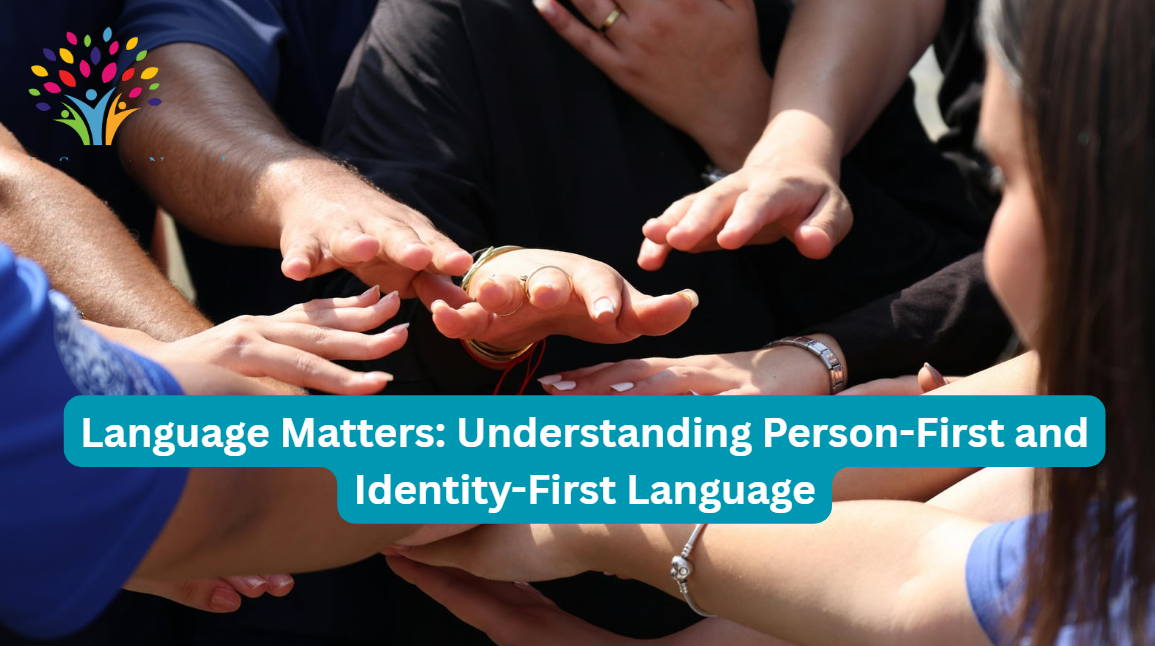
Within the disability community, two common approaches to language are person-first language and identity-first language.
Person-first language places the individual before the disability. Examples include phrases such as “person with a disability” or “child with Down syndrome.” This approach was developed to emphasize that a person’s disability does not define who they are.
Identity-first language, on the other hand, places the disability before the person, such as “disabled person” or “Autistic person.” Many individuals prefer this language because they view disability as an important part of their identity rather than something separate from themselves.
Both approaches are valid, and both are used throughout the disability community.
The challenge arises when society assumes there is only one correct way to describe every person with a disability.
Choosing The Correct Approach
In reality, preferences vary. Some individuals strongly prefer person-first language. Others strongly prefer identity-first language. Many advocacy organizations, self-advocates, family members, and disability communities have differing perspectives based on their experiences and values.
This is why listening is so important.
Rather than focusing on memorizing perfect terminology, it can be more helpful to focus on respecting how individuals choose to identify themselves. When someone tells us how they prefer to be described, we have an opportunity to honor their voice and their lived experience.
Language plays a powerful role in shaping attitudes and perceptions. The words we use influence how society views disability and how individuals with disabilities experience inclusion within their communities. Thoughtful language can help create environments where people feel respected, valued, and understood.
At the same time, language alone is not enough. True inclusion goes beyond the words we choose. It is reflected in our actions, our policies, our communities, and our willingness to ensure people with disabilities have meaningful opportunities to participate, contribute, and belong.
Helpful Advice
If you are unsure which language someone prefers, it is okay to ask respectfully. Most people appreciate genuine curiosity and a willingness to learn.
A good rule of thumb is simple:
Listen. Learn. Respect.
By approaching conversations about disability with openness and humility, we can help build more inclusive communities where every individual feels seen, heard, and valued.
At Community Supports Network, we believe inclusion begins with respect. By listening to individuals with disabilities and honoring their preferences, we can continue creating communities where everyone has the opportunity to thrive.
As the school year comes to a close, many families look forward to the slower pace and flexibility that summer can bring. However, for individuals with disabilities, the transition from the structured routines of school to the less predictable days of summer can sometimes present challenges.
Changes in schedules, activities, support systems, and daily expectations can impact everything from emotional well-being to social engagement. Fortunately, with thoughtful planning and support, summer can become a season of growth, connection, and meaningful experiences.
Why Transitions Can Be Difficult
For many individuals with disabilities, routine provides comfort, predictability, and a sense of security. During the school year, days are often structured around consistent schedules, familiar environments, educational activities, therapies, and social interactions.
When summer arrives, many of those routines change or disappear entirely.
Some individuals may experience:
Increased anxiety or frustration
Difficulty adjusting to new schedules
Changes in sleep patterns
Social isolation
Regression in certain skills
Challenges with unstructured time
Recognizing these challenges early can help families and support teams create successful summer plans.
Maintaining Structure During Summer
While summer offers opportunities for flexibility and fun, maintaining some level of routine can be incredibly beneficial.
Simple ways to create structure include:
Establishing consistent wake-up and bedtime routines
Creating a visual daily schedule
Planning regular activities throughout the week
Scheduling community outings
Maintaining therapy or support services when possible
Setting goals for skill development and independence
A predictable routine can help reduce anxiety while still allowing room for new experiences and adventures.
Encouraging Community Engagement
Summer is a wonderful time to explore opportunities within the community. Community participation helps individuals build confidence, develop social skills, and strengthen their sense of belonging.
Activities might include:
Visiting local parks and nature trails
Exploring museums, libraries, and aquariums
Attending community events and farmers markets
Participating in recreation programs
Volunteering
Taking fitness classes or joining a local YMCA
Spending time with friends and family
Meaningful community engagement supports personal growth while helping individuals remain connected to the world around them.
Focusing on Independence
The summer months can also be a great time to work on everyday life skills and independence.
Opportunities may include:
Grocery shopping
Meal preparation
Money management
Public transportation practice
Household chores
Communication and self-advocacy skills
These everyday experiences can help individuals build confidence and prepare for greater independence in the future.
Supporting Social Connections
One of the biggest challenges during summer can be a reduction in social opportunities. Without the built-in social environment of school, some individuals may experience feelings of loneliness or isolation.
Families and support professionals can encourage connection by:
Scheduling playdates or social outings
Participating in community programs
Joining clubs or interest groups
Attending local events
Exploring volunteer opportunities
Even small social interactions can have a meaningful impact on overall well-being.
Looking Ahead
Summer doesn’t have to mean losing momentum. With thoughtful planning, supportive routines, and opportunities for community engagement, individuals with disabilities can continue learning, growing, and building meaningful connections throughout the season.
At Community Supports Network, we believe every season should be filled with opportunities for inclusion, independence, and belonging. By focusing on connection, structure, and person-centered support, families and individuals can make the most of everything summer has to offer.
Provides direct support to those with intellectual and developmental disabilities.
May be required to offer verbal prompts with completion of ADL’s including but not limited to personal care tasks, including assistance with basic personal hygiene and grooming, feeding, and ambulation, medical monitoring, and health care related tasks.
Assists in being a positive role model for the client.
Ensures client safety and helps to maintain a safe environment.
Reminds and assists clients with self-administration of medications (with proper training).
Encourages self-help activities.
Reports changes in client’s condition or family situation to administrators and supervisors.
Documents all services provided in accordance with their NJISP outcomes.
Assists client in home management functions such as light housekeeping, laundry, bed making, and cleaning.
Assists in the planning of meals, shopping for groceries, preparing and serving food/meals, feeding and clean-up.
Transports and accompanies clients to scheduled appointments and to activities within the community.
Participates in the development and support of a Person-Centered Plan.
Work Schedule:
Our schedule favors a flexible workweek. Once clients are assigned, a DSP will maintain their work schedule in accordance with the demands and schedule as are mutually agreed upon at time of hire.
Direct Support Professional Qualifications / Skills:
Ability to work within the community or in a home-based setting.
Communication skills (verbally and written) with all levels of personnel, internal and external to the company.
Ability to handle physical aspects of job, including bending, stooping, lifting, as well as engaging in physical activities as are needed.
Above all, DSP’s should be patient and empathetic. Our best candidates display excellent communication and listening skills.
Education, Experience, and Licensing Requirements:
High School diploma, GED, or equivalent
20 years of age or older
Valid New Jersey driver’s license with fewer than 5 points in moving violations
Provides direct support to those with intellectual and developmental disabilities.
May be required to offer verbal prompts with completion of ADL’s including but not limited to personal care tasks, including assistance with basic personal hygiene and grooming, feeding, and ambulation, medical monitoring, and health care related tasks.
Assists in being a positive role model for the client.
Ensures client safety and helps to maintain a safe environment.
Reminds and assists clients with self-administration of medications (with proper training).
Encourages self-help activities.
Reports changes in client’s condition or family situation to administrators and supervisors.
Documents all services provided in accordance with their NJISP outcomes.
Assists client in home management functions such as light housekeeping, laundry, bed making, and cleaning.
Assists in the planning of meals, shopping for groceries, preparing and serving food/meals, feeding and clean-up.
Transports and accompanies clients to scheduled appointments and to activities within the community.
Participates in the development and support of a Person-Centered Plan.
Work Schedule:
Our schedule favors a flexible workweek. Once clients are assigned, a DSP will maintain their work schedule in accordance with the demands and schedule as are mutually agreed upon at time of hire.
Direct Support Professional Qualifications / Skills:
Ability to work within the community or in a home-based setting.
Communication skills (verbally and written) with all levels of personnel, internal and external to the company.
Ability to handle physical aspects of job, including bending, stooping, lifting, as well as engaging in physical activities as are needed.
Above all, DSP’s should be patient and empathetic. Our best candidates display excellent communication and listening skills.
Education, Experience, and Licensing Requirements:
High School diploma, GED, or equivalent
20 years of age or older
Valid New Jersey driver’s license with fewer than 5 points in moving violations
Provides direct support to those with intellectual and developmental disabilities.
May be required to offer verbal prompts with completion of ADL’s including but not limited to personal care tasks, including assistance with basic personal hygiene and grooming, feeding, and ambulation, medical monitoring, and health care related tasks.
Assists in being a positive role model for the client.
Ensures client safety and helps to maintain a safe environment.
Reminds and assists clients with self-administration of medications (with proper training).
Encourages self-help activities.
Reports changes in client’s condition or family situation to administrators and supervisors.
Documents all services provided in accordance with their NJISP outcomes.
Assists client in home management functions such as light housekeeping, laundry, bed making, and cleaning.
Assists in the planning of meals, shopping for groceries, preparing and serving food/meals, feeding and clean-up.
Transports and accompanies clients to scheduled appointments and to activities within the community.
Participates in the development and support of a Person-Centered Plan.
Work Schedule:
Our schedule favors a flexible workweek. Once clients are assigned, a DSP will maintain their work schedule in accordance with the demands and schedule as are mutually agreed upon at time of hire.
Direct Support Professional Qualifications / Skills:
Ability to work within the community or in a home-based setting.
Communication skills (verbally and written) with all levels of personnel, internal and external to the company.
Ability to handle physical aspects of job, including bending, stooping, lifting, as well as engaging in physical activities as are needed.
Above all, DSP’s should be patient and empathetic. Our best candidates display excellent communication and listening skills.
Education, Experience, and Licensing Requirements:
High School diploma, GED, or equivalent
20 years of age or older
Valid New Jersey driver’s license with fewer than 5 points in moving violations
Provides direct support to those with intellectual and developmental disabilities.
May be required to offer verbal prompts with completion of ADL’s including but not limited to personal care tasks, including assistance with basic personal hygiene and grooming, feeding, and ambulation, medical monitoring, and health care related tasks.
Assists in being a positive role model for the client.
Ensures client safety and helps to maintain a safe environment.
Reminds and assists clients with self-administration of medications (with proper training).
Encourages self-help activities.
Reports changes in client’s condition or family situation to administrators and supervisors.
Documents all services provided in accordance with their NJISP outcomes.
Assists client in home management functions such as light housekeeping, laundry, bed making, and cleaning.
Assists in the planning of meals, shopping for groceries, preparing and serving food/meals, feeding and clean-up.
Transports and accompanies clients to scheduled appointments and to activities within the community.
Participates in the development and support of a Person-Centered Plan.
Work Schedule:
Our schedule favors a flexible workweek. Once clients are assigned, a DSP will maintain their work schedule in accordance with the demands and schedule as are mutually agreed upon at time of hire.
Direct Support Professional Qualifications / Skills:
Ability to work within the community or in a home-based setting.
Communication skills (verbally and written) with all levels of personnel, internal and external to the company.
Ability to handle physical aspects of job, including bending, stooping, lifting, as well as engaging in physical activities as are needed.
Above all, DSP’s should be patient and empathetic. Our best candidates display excellent communication and listening skills.
Education, Experience, and Licensing Requirements:
High School diploma, GED, or equivalent
20 years of age or older
Valid New Jersey driver’s license with fewer than 5 points in moving violations
Provides direct support to those with intellectual and developmental disabilities.
May be required to offer verbal prompts with completion of ADL’s including but not limited to personal care tasks, including assistance with basic personal hygiene and grooming, feeding, and ambulation, medical monitoring, and health care related tasks.
Assists in being a positive role model for the client.
Ensures client safety and helps to maintain a safe environment.
Reminds and assists clients with self-administration of medications (with proper training).
Encourages self-help activities.
Reports changes in client’s condition or family situation to administrators and supervisors.
Documents all services provided in accordance with their NJISP outcomes.
Assists client in home management functions such as light housekeeping, laundry, bed making, and cleaning.
Assists in the planning of meals, shopping for groceries, preparing and serving food/meals, feeding and clean-up.
Transports and accompanies clients to scheduled appointments and to activities within the community.
Participates in the development and support of a Person-Centered Plan.
Work Schedule:
Our schedule favors a flexible workweek. Once clients are assigned, a DSP will maintain their work schedule in accordance with the demands and schedule as are mutually agreed upon at time of hire.
Direct Support Professional Qualifications / Skills:
Ability to work within the community or in a home-based setting.
Communication skills (verbally and written) with all levels of personnel, internal and external to the company.
Ability to handle physical aspects of job, including bending, stooping, lifting, as well as engaging in physical activities as are needed.
Above all, DSP’s should be patient and empathetic. Our best candidates display excellent communication and listening skills.
Education, Experience, and Licensing Requirements:
High School diploma, GED, or equivalent
20 years of age or older
Valid New Jersey driver’s license with fewer than 5 points in moving violations
Zones (Areas): Essex County, Bergen County, Passaic County, and Morris County, NJ
Job Responsibilities:
Develop effective job coaching and employment plans in accordance with the state requirements.
Communicate with individuals to understand their goals and ambitions.
Assist individuals with disabilities to discover and overcome their personal barriers.
Seek job leads in accordance with the individual’s skills and interests.
Assess the strengths of individuals and teach them to use them effectively.
Guide individuals in learning to complete job tasks.
Develop community employer relationships to achieve job placement goals.
Provide coaching in effective job search techniques.
Assist people with disabilities in developing social and life skills.
Advise individuals on workplace accommodations for people with disabilities.
Monitor and evaluate the progress of assigned individuals.
Keep records and documentation and prepare appropriate reports.
Communicate with stakeholders, Vocational Rehabilitation Counselors, and employers.
Work Schedule:
The schedule of the employment specialist requires that candidates be both flexible and autonomous. An ability to self-direct service activities with individuals while managing a changing and evolving caseload is important.
Employment Specialist Professional Qualifications / Skills:
High School diploma, GED, or equivalent
Experience working with individuals with I/DD
Boggs Center Employment Specialist Foundations Certification preferred, but not mandatory to apply