When discussing disability, many people want to know the “right” thing to say. They want to be respectful, inclusive, and mindful of the language they use. While that intention is important, the answer is not always as straightforward as people might think.
One of the most valuable lessons in disability advocacy is understanding that there is no single term or phrase that every person prefers. Instead, respectful communication begins with listening.
Two Common Approaches To Language
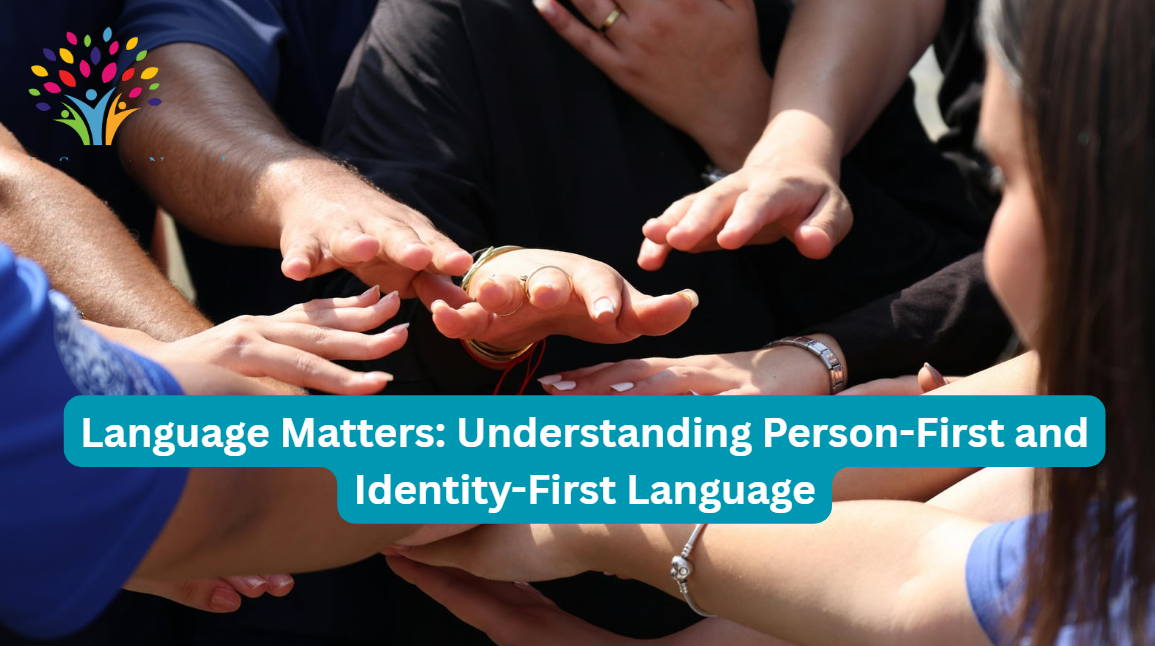
Within the disability community, two common approaches to language are person-first language and identity-first language.
Person-first language places the individual before the disability. Examples include phrases such as “person with a disability” or “child with Down syndrome.” This approach was developed to emphasize that a person’s disability does not define who they are.
Identity-first language, on the other hand, places the disability before the person, such as “disabled person” or “Autistic person.” Many individuals prefer this language because they view disability as an important part of their identity rather than something separate from themselves.
Both approaches are valid, and both are used throughout the disability community.
The challenge arises when society assumes there is only one correct way to describe every person with a disability.
Choosing The Correct Approach
In reality, preferences vary. Some individuals strongly prefer person-first language. Others strongly prefer identity-first language. Many advocacy organizations, self-advocates, family members, and disability communities have differing perspectives based on their experiences and values.
This is why listening is so important.
Rather than focusing on memorizing perfect terminology, it can be more helpful to focus on respecting how individuals choose to identify themselves. When someone tells us how they prefer to be described, we have an opportunity to honor their voice and their lived experience.
Language plays a powerful role in shaping attitudes and perceptions. The words we use influence how society views disability and how individuals with disabilities experience inclusion within their communities. Thoughtful language can help create environments where people feel respected, valued, and understood.
At the same time, language alone is not enough. True inclusion goes beyond the words we choose. It is reflected in our actions, our policies, our communities, and our willingness to ensure people with disabilities have meaningful opportunities to participate, contribute, and belong.
Helpful Advice
If you are unsure which language someone prefers, it is okay to ask respectfully. Most people appreciate genuine curiosity and a willingness to learn.
A good rule of thumb is simple:
Listen. Learn. Respect.
By approaching conversations about disability with openness and humility, we can help build more inclusive communities where every individual feels seen, heard, and valued.
At Community Supports Network, we believe inclusion begins with respect. By listening to individuals with disabilities and honoring their preferences, we can continue creating communities where everyone has the opportunity to thrive.