
Safety is essential in disability services.
But so is growth.
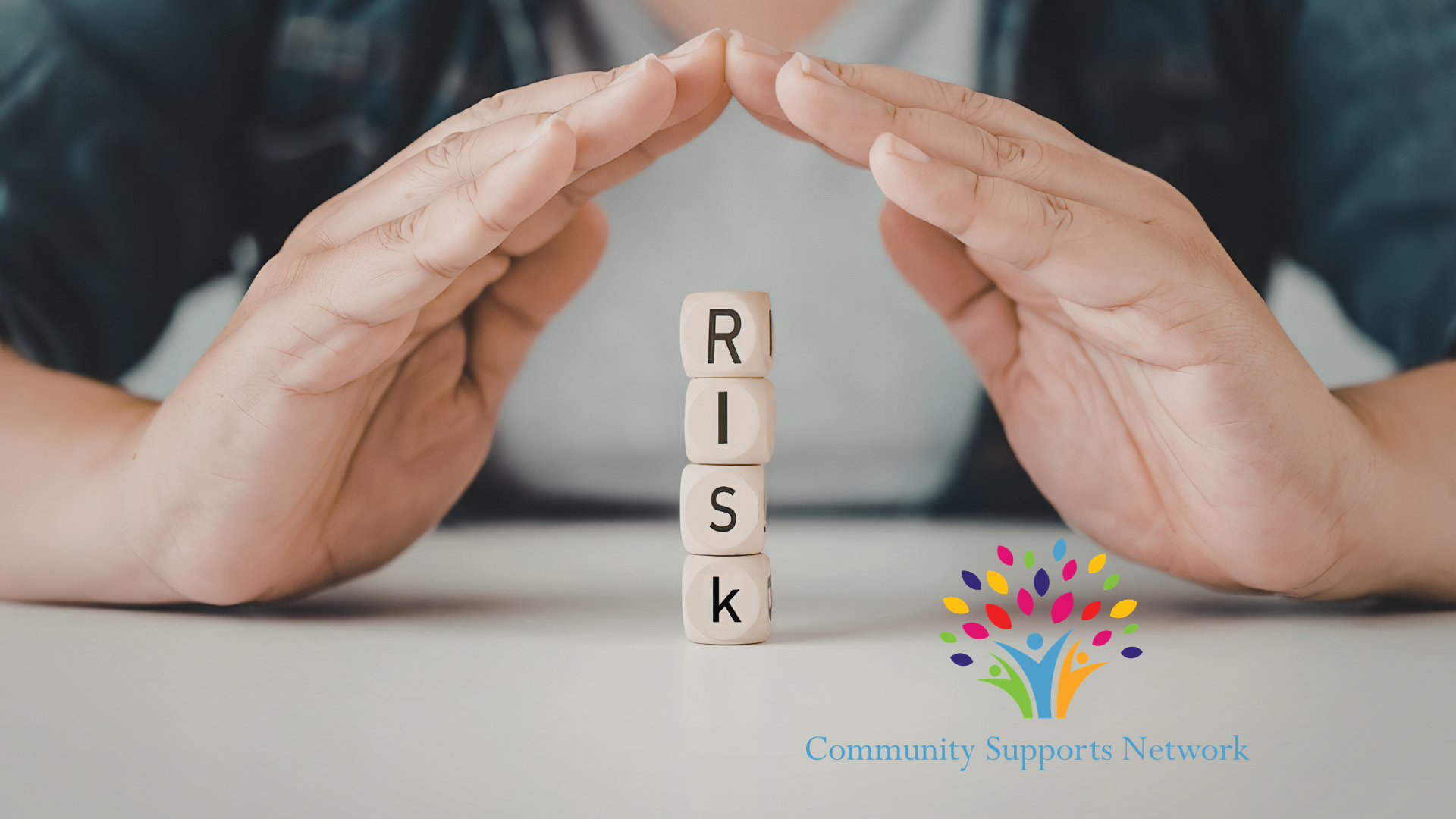
One of the most important — and often misunderstood — principles in person-centered support is the concept of the dignity of risk.
At its core, dignity of risk recognizes that every person has the right to make choices, take reasonable risks, and learn through experience — even if those experiences include the possibility of failure.
Because risk is part of being human.
What Is the Dignity of Risk?
The dignity of risk is the idea that individuals with disabilities have the same right as anyone else to:
• Try new things
• Make personal decisions
• Pursue goals that matter to them
• Learn from mistakes
• Experience independence
Historically, disability systems often prioritized protection above all else. While safety remains critical, overprotection can unintentionally limit autonomy, confidence, and personal growth.
Person-centered services require balance.
Safety vs. Control
There is an important difference between protecting someone and controlling them.
Support professionals must assess real risks — health, safety, environmental factors — while also asking:
• Is this restriction necessary?
• Is there a way to support this choice safely?
• Are we honoring the individual’s preferences?
For example:
An individual may want to travel independently to work.
Someone may want to try a new job outside their comfort zone.
A person may choose to manage their own spending with guidance rather than full oversight.
Each of these scenarios carries some level of risk. But they also carry opportunity — for confidence, skill-building, and independence.
When support teams collaborate thoughtfully, risk becomes manageable rather than avoidable.
Why Risk Matters for Growth
Without risk, there is no progress.
Learning to advocate at work requires the possibility of rejection.
Managing money requires the possibility of mistakes.
Building relationships requires vulnerability.
Shielding individuals from all discomfort may feel protective, but it can also limit growth.
The dignity of risk affirms that individuals are capable — and that capability grows when people are trusted and supported.
The Role of Support Professionals
Embracing dignity of risk does not mean ignoring safety.
It means:
• Conducting thoughtful assessments
• Creating clear support plans
• Teaching skills proactively
• Building natural supports
• Monitoring outcomes
• Adjusting strategies as needed
It means replacing “no” with “how.”
How can we make this safe?
How can we prepare for this step?
How can we support independence while managing risk responsibly?
When professionals approach decisions collaboratively — involving individuals and families — trust strengthens.
Why This Matters
At Community Supports Network, we believe person-centered support includes honoring autonomy.
Strong services do not eliminate risk entirely. They provide the structure, education, and guidance needed to navigate it safely.
Because independence is not the absence of risk.
It is the presence of opportunity.
And every individual deserves the opportunity to grow, choose, and build a life that reflects their own goals — with the right supports in place.