Tag: helpful tips

  • Navigating Handicap Placards in New Jersey

    What Families Need to Know

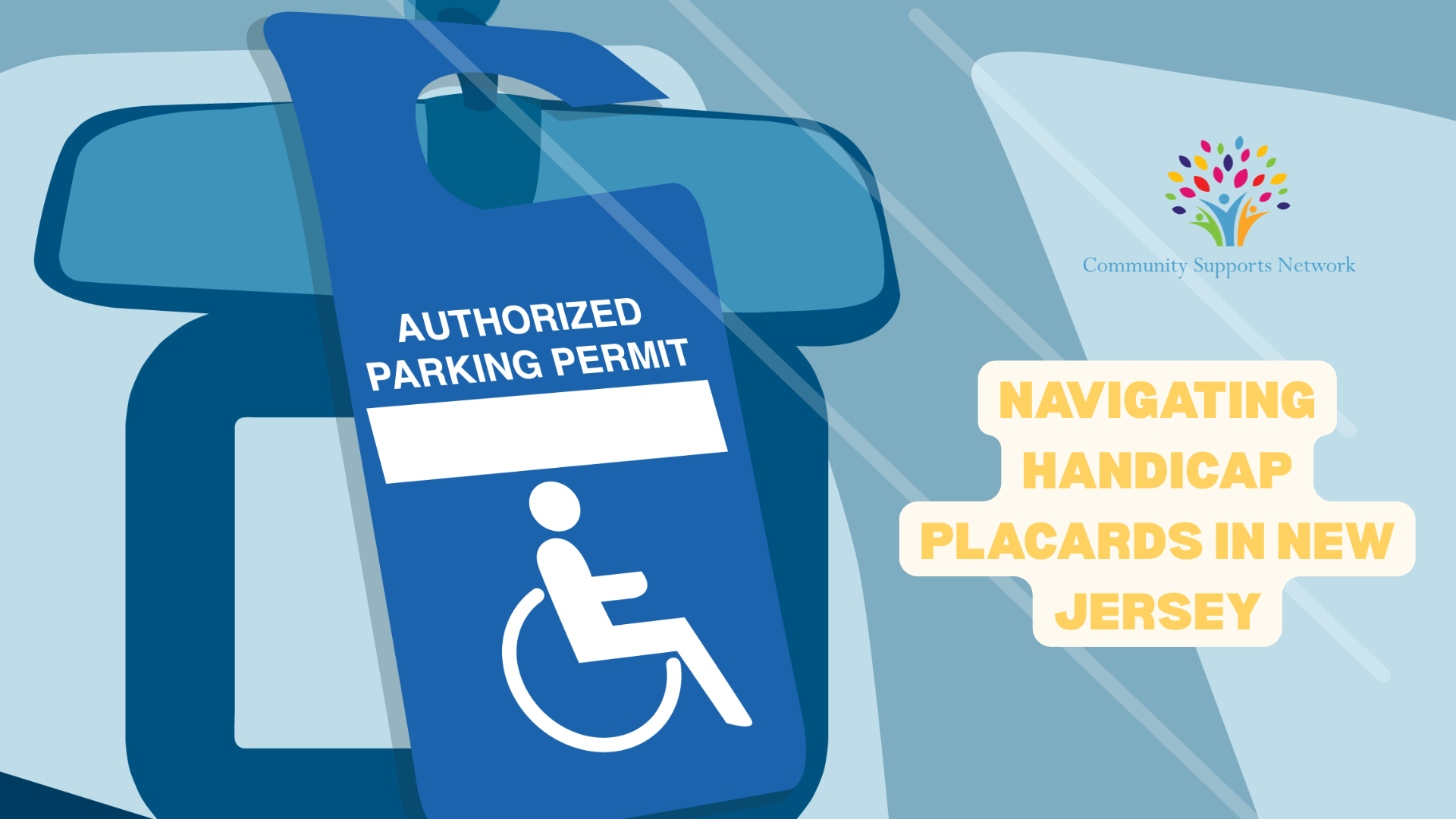
    Graphic artwork depicting a handicap parking permit hanging on a rearview mirror, with the words "navigating handicap placards in New Jersey" which is the topic of this Tip Tuesday blog post.

    Written by Jessica Quarello, Brand Communications Manager

    For many families in the disability community, accessibility isn’t just about convenience—it’s about safety.

    Recently, I went through the process of renewing my daughter Adeline’s handicap placard. Because she is a minor, we are required to recertify every three years, which means revisiting paperwork, doctor’s forms, and the full application process regularly. (NJ.gov)

    Photo of Adeline and Jessica, her mother, who is our Brand Communications Manager at Community Supports Network LLC.

    And it got me thinking—this is something so many families rely on, but not everyone fully understands.

    Why This Matters

    When most people think of handicap placards, they think of physical mobility limitations.

    But for many individuals with disabilities, the need goes far beyond that.

    Hi! My name is Jess and I am the Brand Communications Manager here at CSN. I also happen to have a five year old daughter with Down syndrome. For my daughter, Adeline, a placard is essential due to elopement—a safety concern that can make even a simple parking lot feel overwhelming or dangerous.

    Having accessible parking:

    • Reduces distance and risk
    • Helps maintain supervision
    • Creates a safer transition from car to destination

    For families like ours, it’s not about convenience—it’s about preventing unsafe situations before they happen.

    What Is a Handicap Placard in NJ?

    In New Jersey, a Person with a Disability placard allows a vehicle carrying a qualified individual to park in designated accessible parking spaces.

    There are two main types:

    • Permanent placards (valid for 3 years)
    • Temporary placards (valid for 6 months, with limited renewal) (ParkingMD)

    Permanent placards are free, while temporary ones have a small fee. (YouTube)

    Who Qualifies?

    Eligibility is determined by a qualified medical professional, not just diagnosis alone.

    In general, individuals may qualify if they:

    • Have significant mobility limitations
    • Cannot walk long distances safely
    • Require assistance or supervision due to a condition
    • Have neurological, developmental, or medical conditions that impact safe mobility

    A physician, nurse practitioner, or other qualified provider must certify the need as part of the application. (NJ.gov)

    For children especially, providers can consider safety risks, including behaviors like elopement, when determining eligibility.

    How to Apply (New Jersey)

    To apply for a placard or license plate, families must:

    1. Complete the Application for Vehicle License Plates and/or Placard (Form SP-41)
    2. Have a medical provider complete and sign the certification
    3. Submit the application:
      • In person at an MVC agency, or
      • By mail to the NJ MVC Special Plate Unit (NJ.gov)

    If approved:

    • You’ll receive a placard + ID card
    • The placard can be used in any vehicle the individual is in

    Renewal (What Most People Don’t Realize)

    Even for permanent disabilities, New Jersey requires:

    • Recertification every 3 years
    • A new medical certification dated within 60 days of submission (NJ.gov)

    There is no fee to renew, but the process essentially starts over each time. (NJ.gov)

    For families with children, this often means:

    • Scheduling doctor visits
    • Completing paperwork repeatedly
    • Navigating timing and deadlines

    Placard vs. License Plate

    Families can choose between:

    • A placard (portable, usable in any car)
    • A license plate (assigned to one vehicle)

    Placards tend to be more flexible—especially for families who:

    • Use multiple caregivers
    • Travel in different vehicles
    • Share transportation responsibilities

    A Note for Families

    If you’re a parent navigating this process, here’s what I’ll say:

    If your child needs it—for safety, mobility, or access — you are not asking for too much.

    You are advocating.

    And while the process may feel repetitive or frustrating, these tools exist to support real needs.

    Final Thoughts

    Accessible parking is often seen as a small accommodation — but for many families, it’s a critical piece of independence, safety, and participation in everyday life.

    At CSN, we believe in meeting individuals where they are — and that includes making sure families have access to the tools that help them safely navigate their communities.

  • 5 Ways to Use Your DDD Budget That Families Don’t Always Think About

    Photo of a client learning to cook while receiving support services funded by the NJ DDD, which is just one of the 5 ways to use your DDD budget covered in this blog post.

    When families first receive their DDD budget, the focus is often on the basics—weekly support hours, staffing, and getting into a routine.

    But what many families don’t realize is that your budget can often be used in more flexible, creative ways that truly enhance quality of life.

    At Community Supports Network (CSN), we encourage families to think beyond the traditional—and explore opportunities that build independence, confidence, and connection.

    Here are five ways you may be able to use your DDD budget that you might not have considered:


    1. Community Fitness & Wellness Programs

    Staying active isn’t just about physical health—it’s about confidence, routine, and social connection.

    Many individuals we support use their budget to access:

    • Local gyms or YMCAs
    • Adaptive fitness programs
    • Swimming, yoga, or group classes

    We’ve seen firsthand how something as simple as a weekly gym visit can become a meaningful part of someone’s routine—and something they truly look forward to.

    Image

    2. Creative & Recreational Classes

    Art, music, dance, and other creative outlets can be powerful tools for self-expression.

    Your budget may help support participation in:

    • Art classes
    • Music lessons
    • Dance or movement programs
    • Community-based recreational groups

    These experiences aren’t just fun—they help build confidence, communication skills, and a sense of identity.

    Image

    3. Real-Life Skill Building in the Community

    Some of the most valuable learning doesn’t happen at home—it happens out in the real world.

    DDD-funded supports can often be used for:

    • Grocery shopping and budgeting
    • Cooking and meal planning
    • Navigating public spaces
    • Practicing social interactions

    With the right support, everyday activities become opportunities for growth and independence.


    4. Transportation to Meaningful Activities

    Transportation is often overlooked—but it can be the key to unlocking everything else.

    Depending on your plan, your budget may help support access to:

    • Community outings
    • Classes and programs
    • Volunteer or employment opportunities

    Access creates opportunity—and we believe everyone deserves both.


    5. Career Exploration & Supported Employment

    Employment looks different for everyone—but everyone deserves the opportunity to explore their potential.

    Your budget may support:

    • Job coaching
    • Workplace readiness skills
    • Exploring different job paths
    • On-the-job support

    At CSN, we’ve seen how the right support can turn a first job into a long-term source of pride, purpose, and independence.


    Thinking Beyond the Basics

    Your DDD budget is more than just a number—it’s a tool to help build a life filled with purpose, connection, and growth.

    If you’re not sure what’s possible within your plan, you’re not alone. Many families don’t realize the full range of opportunities available to them.

    At CSN, we’re here to help you explore those options and create a plan that truly reflects your loved one’s goals and interests.


    Want to Learn More?

    If you’re curious about how your DDD budget can be used—or wondering if there’s room to incorporate something new—we’re here to help.

    Reach out to our team by clicking here to start the conversation today!

  • What Families Wish They Knew Before Starting Services (But No One Tells You)


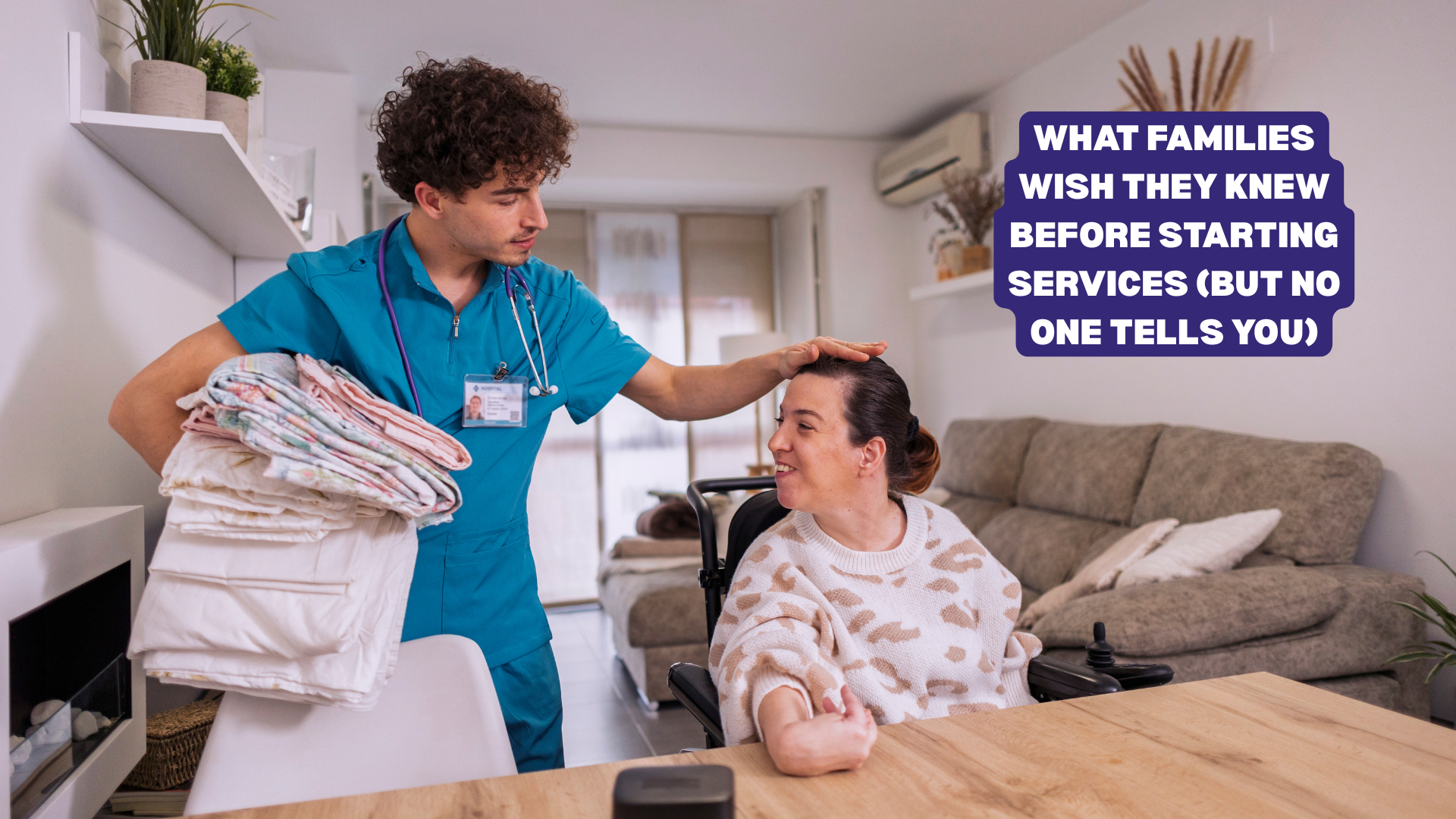
    Photo of a person with special needs sitting alongside their direct support professional, with the words "what families wish they knew before starting services (but no one tells you)" near the top right corner of the image.  This photo is a scene of a caregiver giving support to a person with a disability, and the words it contains are the focus of this blog post, which is intended to help families navigate the support landscape with less stress.

    Starting services for a loved one with a disability can feel like a huge step—because it is.

    For many families, it comes with a mix of emotions: relief, uncertainty, hope, and sometimes even guilt. You want to make the right decisions, provide the best support, and ensure your loved one is set up for success.

    But here’s the truth: there are a lot of things families only learn after they begin services.

    At Community Supports Network (CSN), we’ve had the privilege of walking alongside so many families at the beginning of this journey—and if there’s one thing we’ve learned, it’s this:

    You don’t have to have it all figured out from day one.

    Here are a few things families often wish they knew earlier.


    1. It’s Okay to Start Small

    You don’t need to jump into a full schedule right away.

    Starting with just a few hours of support each week can be a great way to ease into services—for both your loved one and your family. It gives everyone time to adjust, build comfort, and establish trust.

    Services can—and should—grow over time based on what feels right.


    2. The Right Match Matters More Than You Think

    One of the most important parts of a successful experience is the relationship between your loved one and their support professional.

    The right match can make all the difference in building confidence, independence, and meaningful engagement.

    And if something doesn’t feel like the right fit? That’s okay too. Adjustments are a normal part of the process.


    3. Progress Doesn’t Always Look the Way You Expect

    It’s easy to measure progress by big milestones—but often, the most meaningful growth happens in smaller, quieter moments.

    Things like:

    • Trying something new
    • Speaking up
    • Gaining confidence in a familiar setting
    • Building a routine

    These moments matter—and they add up in powerful ways over time.


    4. Community-Based Support Changes Everything

    Support doesn’t just happen in one place—and it shouldn’t.

    Being out in the community—whether it’s at a local gym, grocery store, workplace, or social setting—helps individuals build real-life skills, confidence, and connections.

    It’s where independence grows naturally.


    5. It’s a Partnership

    You are not handing things off—you are gaining a team.

    The most successful outcomes happen when families and providers work together, communicate openly, and adjust along the way.

    Your voice, your insight, and your involvement will always matter.


    6. It’s Okay to Feel All the Feelings

    Starting services can bring up a lot emotionally—and that’s completely valid.

    There is no “right” way to feel.

    What matters most is that you’re taking a step forward in creating more opportunities, support, and independence for your loved one.


    Moving Forward

    At CSN, we believe every individual deserves support that is personalized, flexible, and rooted in real-life experiences.

    There’s no one-size-fits-all approach—and that’s a good thing.

    If you’re just beginning to explore services or wondering what the next step might look like, we’re here to help guide you through it.


    👉 If you’re curious about how services can be tailored to your family’s needs, connect with our team to learn more.


  • What Does a DDD Budget Actually Cover? A Simple Breakdown for Families in New Jersey

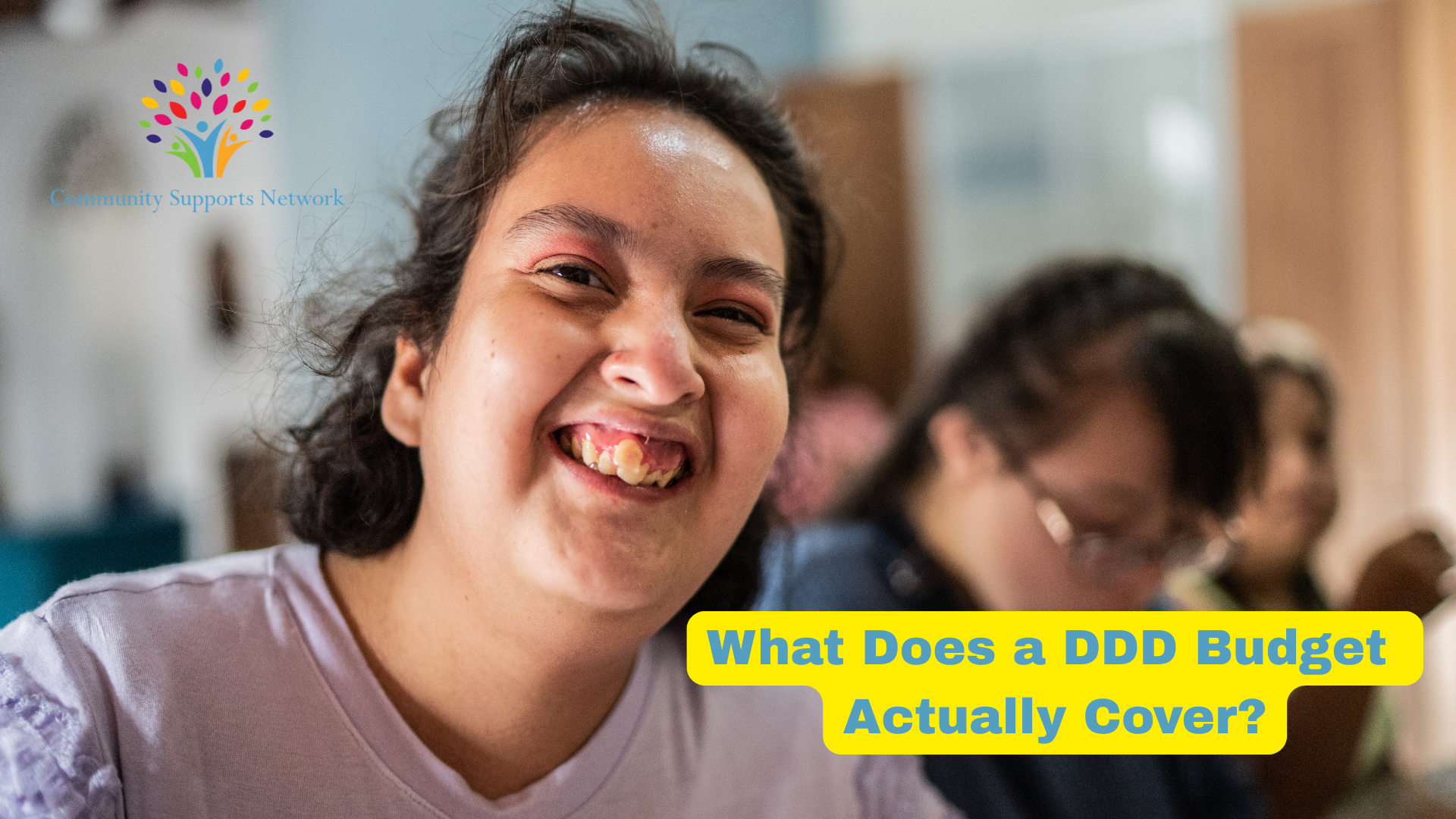
    Photo of a young autistic lady who is receiving services approved by the New Jersey DDD, with a caption that reads "what does a DDD budget actually cover?"

    If you’re navigating services for a loved one with a disability in New Jersey, you’ve likely heard the term “DDD budget.” But one of the most common questions families ask is:

    What can we actually use it for?

    The answer isn’t always clear—and understanding how to use your budget effectively can make a big difference in your loved one’s quality of life.

    At Community Supports Network (CSN), we work with families every day who are trying to better understand their options. This guide is meant to simplify what a DDD budget can cover and how it can be used in real, meaningful ways.


    What Is a DDD Budget in New Jersey?

    In New Jersey, the Division of Developmental Disabilities (DDD) provides funding through Medicaid to support eligible adults with Intellectual and developmental disabilities.

    Most individuals receive services through the Supports Program, which provides an annual budget based on assessed need. This funding is designed to be person-centered, meaning it can be used in ways that align with an individual’s unique goals, interests, and level of support.

    (For individuals with higher support needs, the Community Care Program (CCP) may provide access to additional services, including residential supports.)


    What Can a DDD Budget Be Used For?

    While services must be approved and aligned with an individual’s plan, DDD funding in NJ can support a wide range of services:


    1. Supported Employment

    DDD funding can support individuals in finding and maintaining meaningful employment, including:

    • Job coaching
    • On-the-job support: While DVRS is the first and preferred service provider for individuals seeking competitive, integrated employment, in certain cases individuals may use their personal DDD budgets.
    • Job development services

    These services help individuals build independence, gain confidence, and become active members of their communities.


    2. Community-Based Supports

    Funding can be used for supports that help individuals participate in their communities and build social and life skills.

    This may include:

    • Community outings
    • Recreational activities
    • Volunteer opportunities
    • Skill-building in real-life settings

    In some cases, DDD funding can also support participation in activities that promote health and well-being—such as gym memberships, classes, or structured programs—when tied to individual goals and approved in the service plan.


    3. Daily Living & Life Skills Supports

    Many services focus on building independence in everyday life, including:

    • Communication skills
    • Personal care routines
    • Time management
    • Household and daily living tasks

    These supports are essential for helping individuals live as independently as possible.


    4. Behavioral & Clinical Supports

    Depending on individual needs, DDD funding may also include:

    • Behavioral supports
    • Therapeutic services
    • Individualized plans to address specific challenges

    5. Transportation

    Transportation services may be available to help individuals access employment, programs, and community activities.


    6. Residential Supports (Through CCP)

    For individuals enrolled in the Community Care Program, funding may also support residential services, such as:

    • Community group homes
    • Supervised apartments
    • Supported living arrangements

    7. Residential Supports (Through CCP)

    For individuals enrolled in the Community Care Program, funding may also support residential services, such as:

    • Community group homes

    Supervised apartments


    8:  Education

    • Classes
    • College Courses
    • Vocational Programs

    Common Misconceptions

    Because the system can feel complex, there are a few common misunderstandings:

    • “It only covers basic care.”
      In reality, DDD services are designed to support independence, growth, and community inclusion—not just daily care.
    • “We can use it for anything.”
      Services must be approved, tied to assessed needs, and included in the Individualized Service Plan (ISP).
    • “We have to figure this out alone.”
      There are providers and support coordinators available to help guide families through the process.

    Making the Most of Your Budget

    Your loved one’s DDD budget is a tool—and how it’s used should reflect their goals, interests, and vision for their life.

    With the right supports in place, individuals can:

    • Build meaningful routines
    • Develop independence
    • Form social connections
    • Participate more fully in their communities

    We’re Here to Help

    Understanding your options is the first step—but you don’t have to navigate it alone.

    At CSN, we partner with families across New Jersey to help them make the most of their DDD services—whether that means exploring employment, building life skills, or increasing community involvement.

    If you’re curious about what may be possible within your DDD budget, we encourage you to reach out to us today.

  • Tip Tuesday: 5 Ways to Build Social Connections in Your Community

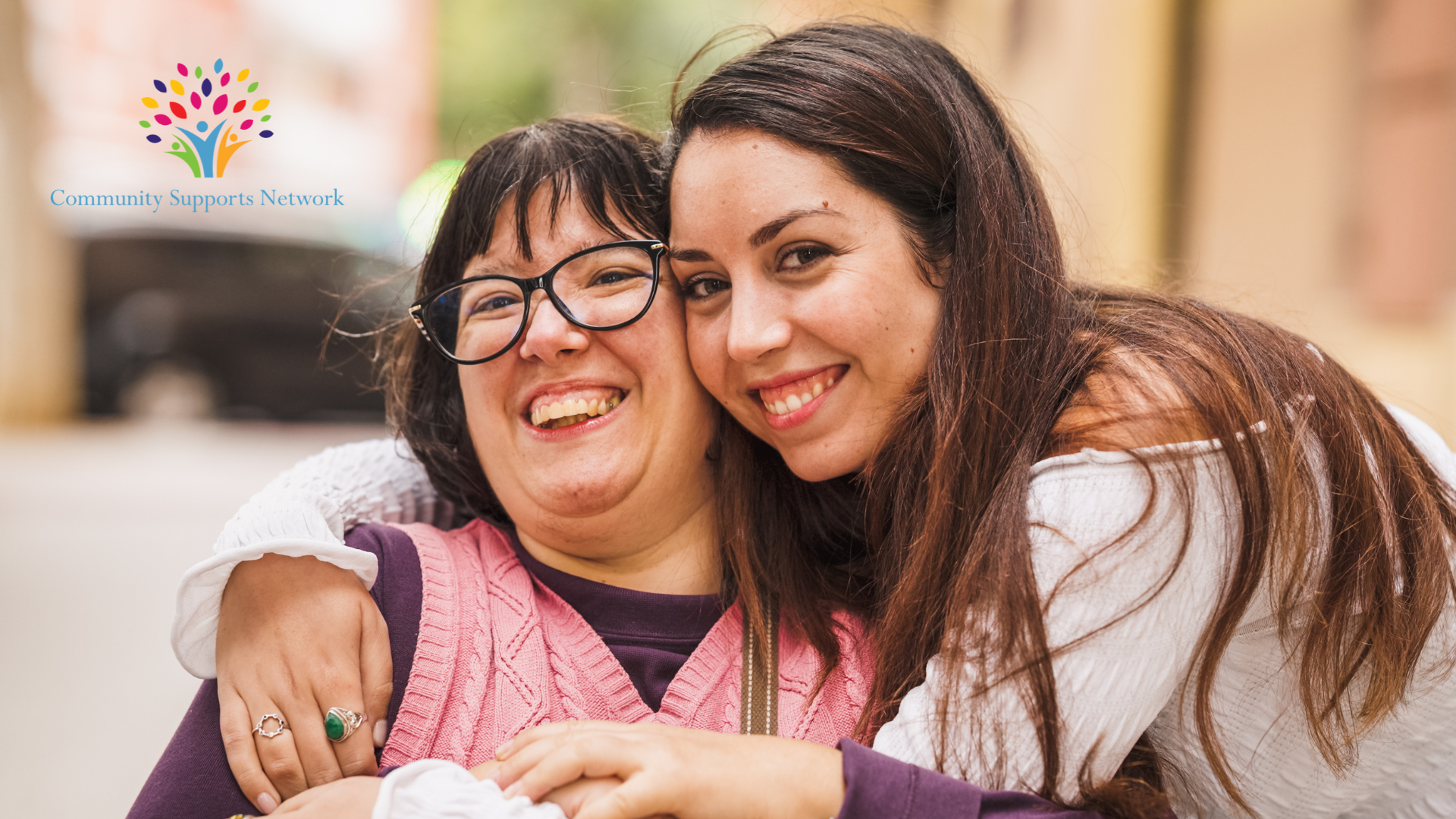
    Photo of a direct support professional (DSP) embracing a client with special needs, embodying the spirit of making connections.  This picture exemplifies the topic of this Tip Tuesday post about five ways to build social connections in your community.

    At Community Supports Network (CSN), we know that meaningful connections are at the heart of a fulfilling life.

    Building social relationships can boost confidence, improve communication skills, and create a strong sense of belonging. But for individuals with disabilities, navigating social settings can sometimes feel overwhelming.

    The good news? Social connection doesn’t have to start big. Small, intentional steps can lead to meaningful relationships over time.

    Here are five simple ways to build social connections in your community:

    1. Start with Shared Interests

    One of the easiest ways to connect with others is through common interests.

    Look for opportunities like:

    • Local classes or workshops
    • Recreational programs
    • Community events

    When people share an activity they enjoy, conversation often comes more naturally.

    2. Practice Simple Conversation Starters

    Starting a conversation can feel like the hardest part—but it doesn’t have to be complicated.

    Simple phrases like:

    • “Hi, how are you?”
    • “What did you think of this activity?”
    • “I like your shirt!”

    Practicing these ahead of time can help build confidence and make social interactions feel more comfortable.

    3. Build Familiarity Through Routine

    Returning to the same places—like a favorite coffee shop, park, or class—helps create familiarity.

    Over time:

    • Faces become recognizable
    • Interactions feel more natural
    • Connections begin to grow

    Consistency can turn everyday places into meaningful social spaces.

    4. Use Community-Based Supports

    Programs and supports can play an important role in building social connections.

    At CSN, our team works alongside individuals to:

    • Explore community opportunities
    • Practice social skills in real-life settings
    • Build confidence in new environments

    Having the right support can make all the difference.

    5. Celebrate Small Social Wins

    Every interaction counts.

    Whether it’s:

    • Saying hello to someone new
    • Participating in a group activity
    • Holding a short conversation

    These moments are important steps toward building lasting connections.

    Recognizing and celebrating progress helps build confidence and encourages continued growth.

    Connection Starts with One Step

    Building social connections is a journey—and it looks different for everyone.

    With the right support, patience, and opportunities, individuals can develop meaningful relationships and feel more connected to the world around them.

    At CSN, we’re proud to help individuals take those steps every day—because everyone deserves to feel seen, valued, and included in their community.


    Editor’s Note: If you are looking for help in building your social connections, you may find our community-based services to be of interest to you. If you are not sure where to start or have questions for us, you can always contact us online!

  • How to Show Support That Feels Like Care (Not a Task)

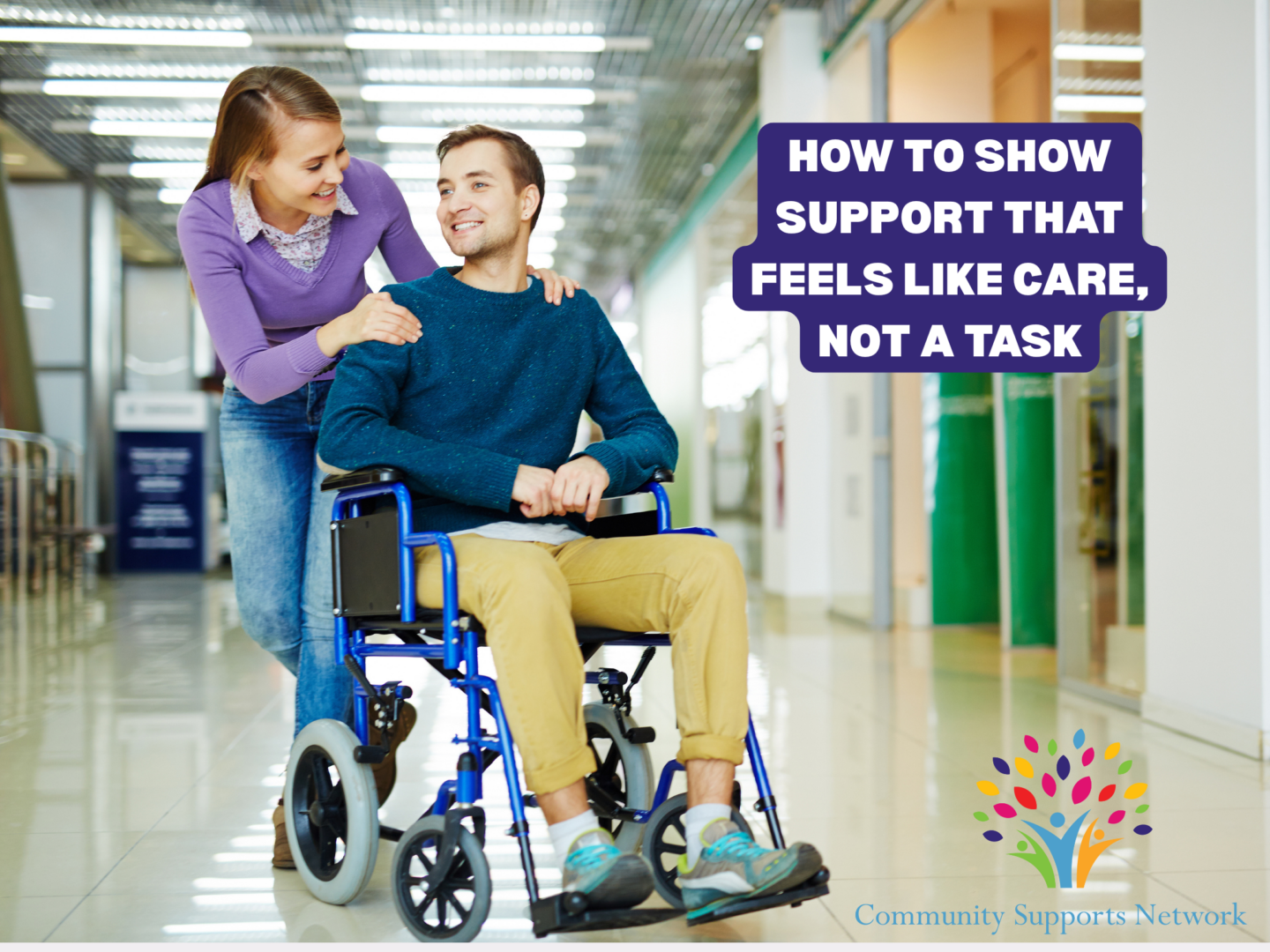
    Image of a Direct Support Professional with a disabled client, showing him support that feels like care, instead of a task.  This is love in action.  The image includes our CSN company logo in the bottom right corner.

    February often centers around love — but in disability support, love doesn’t show up as grand gestures or big moments.

    It shows up as care.

    Care is patient.
    Care is consistent.
    Care is person-centered.

    This Tip Tuesday, we’re focusing on simple ways to make support feel more human, more respectful, and more connected — especially during the colder, slower winter months.

    Tip #1: Lead With Warmth, Not Rush

    Winter routines can feel heavier. Mornings are darker. Energy is lower. Transitions may take more time.

    Support that feels like care starts with slowing down:

    • Give extra time for transitions
    • Use calm, reassuring language
    • Check in before moving on to the next task

    Warmth isn’t about doing more — it’s about being present.

    Tip #2: Personalize Support in Small Ways

    Feeling known is a form of care.

    That might look like:

    • Remembering how someone likes their coffee
    • Playing their favorite music during a routine
    • Asking about something they care about — and listening

    These small moments reinforce dignity and belonging.

    Tip #3: Choose Connection Over Control

    When days feel long or routines feel repetitive, it can be tempting to focus on “getting through the day.”

    Instead, look for moments to connect:

    • Share a laugh
    • Pause for a conversation
    • Follow the individual’s lead when possible

    Connection builds trust — and trust makes support more effective.

    Tip #4: Respect Emotional Needs (Not Just Physical Ones)

    February can be emotionally heavy for many people. Cold weather, shorter days, and changes in routine can affect mood and motivation.

    Person-centered support means:

    • Acknowledging emotions without dismissing them
    • Allowing space for off days
    • Offering support without pressure

    Care includes emotional safety.

    Tip #5: End the Day With Dignity

    How support ends matters just as much as how it begins.

    Before wrapping up:

    • Check in: “How did today feel for you?”
    • Offer reassurance for what’s coming next
    • Thank the individual for trusting you with their day

    Respect leaves a lasting impression.

    Why This Matters

    In disability support, love isn’t loud.

    It’s consistent.
    It’s respectful.
    It’s built in everyday moments.

    This February, let’s remember that support rooted in care, trust, and connection is what truly makes a difference.

    💙 Takeaway: When support feels like care, people feel valued — not managed.

  • Winter Wellness for Individuals With Disabilities

    Photo of a wintry snow-covered landscape, with our company logo and name at the bottom left corner of the image.  The scene in this image is illustrative of the topic of this post regarding the cold winter season when we work hard to ensure wellness of all the individuals with disabilities that we support.

    Supporting physical health, emotional well-being, sensory comfort, and routine stability during colder months

    Winter can bring a unique set of challenges for individuals with disabilities. Shorter days, colder temperatures, disrupted routines, and increased time indoors can affect physical health, emotional regulation, sensory comfort, and overall well-being.

    At Community Supports Network (CSN), we believe wellness is more than avoiding illness—it’s about supporting the whole person. With thoughtful planning and person-centered strategies, DSPs, caregivers, and families can help individuals feel safe, comfortable, and empowered throughout the winter season.

    Key areas to focus on when supporting winter wellness

    1. Supporting Physical Health

    Cold and flu season, reduced activity levels, and limited outdoor time can impact physical health during winter months.

    Helpful strategies include:

    • Encouraging regular handwashing and healthy hygiene routines
    • Supporting proper hydration (even when thirst cues are lower in cold weather)
    • Maintaining balanced, nutritious meals
    • Supporting medication schedules and routine health appointments
    • Encouraging gentle movement and physical activity indoors

    Even small amounts of daily movement—stretching, walking indoors, or light exercises—can support circulation, energy levels, and mood.


    2. Prioritizing Mental & Emotional Well-Being

    Seasonal changes can affect emotional regulation and mental health. Individuals may experience increased anxiety, fatigue, sadness, or irritability as routines shift and daylight decreases.

    Ways to provide emotional support:

    • Maintain consistent daily check-ins
    • Validate feelings (“It’s okay to feel tired or frustrated today.”)
    • Offer reassurance during changes in routine
    • Encourage preferred activities that bring comfort or joy
    • Watch for changes in behavior that may signal distress

    Emotional support helps build trust, safety, and resilience—especially during unpredictable seasons.


    3. Creating Sensory Comfort

    Winter environments often come with heavier clothing, indoor heating, reduced daylight, and more crowded indoor spaces—all of which can affect sensory processing.

    Consider offering:

    • Soft or preferred clothing layers
    • Weighted blankets or compression items
    • Noise-reducing headphones
    • Adjustable lighting or access to natural light
    • Quiet spaces for breaks
    • Familiar sensory tools or routines

    Meeting sensory needs proactively can reduce overstimulation and support emotional regulation.


    4. Maintaining Routine Stability

    Weather disruptions, holidays, and shorter days can interrupt established routines, which may feel unsettling for many individuals.

    Helpful approaches include:

    • Using visual schedules or calendars
    • Previewing changes in advance
    • Keeping consistent wake-up, mealtime, and bedtime routines
    • Gradually reintroducing structure after disruptions
    • Offering predictable daily “anchor points”

    Structure provides security and helps individuals feel more in control of their environment.


    5. Supporting DSPs and Caregivers Too

    Wellness extends to the people providing support. Winter can be demanding for DSPs and caregivers balancing increased needs, staffing challenges, and their own seasonal stress.

    At CSN, we recognize that supporting staff well-being strengthens the care individuals receive. Encouraging rest, communication, teamwork, and access to resources benefits everyone involved.


    Looking Ahead

    Winter may bring challenges, but it also offers opportunities to deepen connection, strengthen routines, and practice compassion.

    By supporting physical health, emotional wellness, sensory comfort, and routine stability, DSPs and caregivers help individuals navigate the season with dignity, confidence, and care.

    At Community Supports Network, we remain committed to providing person-centered support — every season of the year.

  • Easing Back Into Routine: Supporting Individuals After the Holidays

    Image showing wooden cubes with one digit in each, showing year number 2025 changing to 2026, which means that the holidays have ended.  This relates to our topic in this blog post, which is about getting back into a routine while supporting individuals with special needs.

    The weeks following the holidays often bring big transitions for individuals with disabilities. After days filled with celebrations, family gatherings, new environments, and unpredictable schedules, getting back into everyday routines can feel both comforting and overwhelming. For many, this shift requires patience, reassurance, and thoughtful, person-centered support. At Community Supports Network (CSN), we understand that transitions—especially seasonal ones—can impact emotional regulation, sensory needs, and daily functioning. By approaching this time with intention, DSPs, caregivers, and families can help individuals feel grounded and confident as they re-enter familiar rhythms after the holidays.

    How To Easily Get Back into Routine

    Maintain Predictable Daily Touchpoints

    Even if full routines are still settling back into place, keeping consistent anchors can help individuals feel secure. Simple touchpoints like morning greetings, predictable mealtimes, or shared evening activities provide stability when everything else feels like it’s changing.

    Offer Gentle Sensory Support

    Holiday environments are often loud, crowded, and highly stimulating. As individuals transition back to typical days, sensory needs may be heightened. Quiet spaces, soft lighting, weighted blankets, noise-reducing headphones, or familiar sensory items can help the nervous system settle.

    Reintroduce Structure Gradually

    Instead of jumping immediately into a full schedule, consider easing back with visual schedules, shorter periods of activity, planned rest breaks, and previewing what’s next. Gradual structure helps individuals regain confidence in routines without feeling rushed or overwhelmed.

    Validate Feelings and Normalize Transitions

    It’s normal for individuals to feel tired, anxious, excited, or unsure at the start of a new year. Acknowledging these feelings—“It’s okay that things feel different today”—can provide powerful emotional support. Validation strengthens self-regulation and builds trust during moments of change.

    Reconnect Through Choice and Engagement

    Offer opportunities for individuals to choose activities they enjoy or revisit favorite routines. Whether it’s listening to music, cooking, visiting the community, or working on a familiar skill, positive engagement helps reestablish a sense of normalcy and independence.

    Prepare for Upcoming Schedules

    Previewing the upcoming week, updating visual calendars, and discussing upcoming activities can help individuals feel ready and informed. For those who rely on predictability, this preparation reduces anxiety and sets the tone for a smooth transition.

    Looking Ahead

    The return to routine after the holidays is an important moment of reconnection—an opportunity to create comfort, rebuild stability, and support individuals at their own pace. By approaching this transition with empathy and person-centered strategies, DSPs and caregivers help individuals begin the new year feeling supported, understood, and ready for what’s ahead.

    Editor’s Note: Like the advice and tips in this post? Click here to find more posts like this!

  • Supporting Individuals Through the Quiet Week Between Holidays

    Photo of family celebrating the holidays with a caption that reads "supporting individuals through the quiet week between holidays".

    The days between Christmas and New Year’s move at a different rhythm — slower mornings, lighter schedules, and a brief pause in the routines that shape everyday life. While many people welcome this downtime, it can feel unfamiliar or even unsettling for individuals with disabilities who rely on structure, predictability, and consistent support.

    At Community Supports Network (CSN), we understand how important this “in-between” week can be. With a thoughtful, person-centered approach, these quieter days can become meaningful opportunities for connection, comfort, and gentle engagement.

    Here are a few ways DSPs, caregivers, and families can support individuals during this unique stretch of time:

    • Keep a simple, steady rhythm.
    Even when programs close or schedules change, maintaining small daily anchors — morning greetings, shared meals, favorite activities — helps provide orientation and stability.

    • Create calming sensory spaces.
    After the stimulation of holiday gatherings, many individuals benefit from quiet corners, soft lighting, familiar textures, or soothing music to help regulate and reset.

    • Choose low-pressure activities.
    Baking, puzzles, art projects, stretching, listening to music, or watching a favorite movie can offer meaningful connection without overwhelming the senses.

    • Normalize the shift in routine.
    Sometimes the reassurance that “things feel different this week, and that’s okay” is enough to ease uncertainty and help someone settle into the rhythm of the day.

    • Offer gentle previews of what’s ahead.
    Looking at next week’s schedule or reviewing upcoming January activities can prepare individuals for the transition back into regular programming.

    This quiet week may be short, but it holds real value. Slower days and softer moments can foster connection, build trust, and help individuals feel grounded as the year comes to a close. With care and intention, we can make this time not just manageable — but meaningful.

    Editor’s note: If you liked the tips in this post, check out our Tip Tuesday series of blog posts for more helpful advice and tips!

  • Helping Individuals Stay Connected During Holiday Breaks

    Photo of a family celebrating the holidays, with a caption in large font that reads "helping individuals stay connected during holiday breaks", which is the topic of today's post.

    The holiday season is often filled with celebration, routine changes, and time away from familiar day programs or community activities. While these breaks can bring joy and rest, they can also create periods of isolation or disconnection for individuals with disabilities, especially when regular schedules pause or support systems shift. This post helps readers find easy ways to stay connected during holidays when that happens.

    At Community Supports Network, we believe that meaningful connection is essential to emotional wellness. Staying socially engaged helps individuals feel grounded, included, and supported, even when routines look different. With a little planning and creativity, families, DSPs, and caregivers can help make holiday breaks a time of comfort, community, and positive experiences.

    Below are simple, person-centered ideas to help individuals stay connected throughout the holiday season.

    How To Stay Connected During Holidays

    1. Keep Familiar Communication Routines Going

    Even when schedules change, familiar communication patterns can provide stability.
    Encourage short check-ins with friends, family, or trusted staff through video calls, voice messages, or text prompts adapted to each person’s communication style. Consistency helps individuals maintain important relationships and feel connected to their support network.

    2. Create a “Holiday Connection Plan”

    Before a break begins, work with the individual to decide who they want to stay in touch with and how often.
    This might include weekly Zoom calls with a friend, a shared photo journal with family, or scheduled check-ins with staff. Planning ahead reduces anxiety and gives individuals something positive to look forward to.

    3. Use Visual Schedules or Social Stories to Navigate Changes

    Visual supports can help individuals understand what to expect during holiday breaks.
    A simple schedule with family gatherings, rest days, or outings can make changes feel more predictable. Social stories can explain holiday events, new environments, or visiting relatives in a calm, clear way that supports emotional regulation.

    4. Create Shared Holiday Activities

    Connection doesn’t always require being in the same place.
    DSPs and caregivers can help individuals participate in shared activities across distances—baking the same recipe on a video call, doing a craft “together,” listening to a favorite playlist, or exchanging photos of completed projects. These shared experiences help maintain a sense of togetherness.

    5. Encourage Participation in Community Traditions

    Local events—such as light displays, winter markets, accessible concerts, or library programs—offer opportunities for safe, meaningful social engagement.
    Attending familiar annual traditions or exploring new ones can bring joy, build skills, and strengthen community belonging.

    6. Support Emotional Wellness Along the Way

    Holiday breaks often bring sensory changes, loud environments, and breaks in routine.
    Check in regularly about how the individual is feeling. Offer calm spaces, sensory supports, or quiet alternatives when needed. Feeling emotionally supported helps individuals remain open to social interactions and new experiences.

    Looking Ahead

    Staying connected during holiday breaks is about more than filling time—it’s about fostering belonging, maintaining relationships, and creating positive, predictable moments. With thoughtful planning and person-centered support, individuals can experience the holiday season as a time of warmth, connection, and meaningful engagement.

    Explore More Resources

    To learn more about how CSN supports individuals and families throughout the year, visit our website to explore our programs, community services, and person-centered approaches to care.

Serving Morris, Passaic, Bergen, Essex, Hudson, Union, Warren, Somerset, Hunterdon & Sussex Counties