
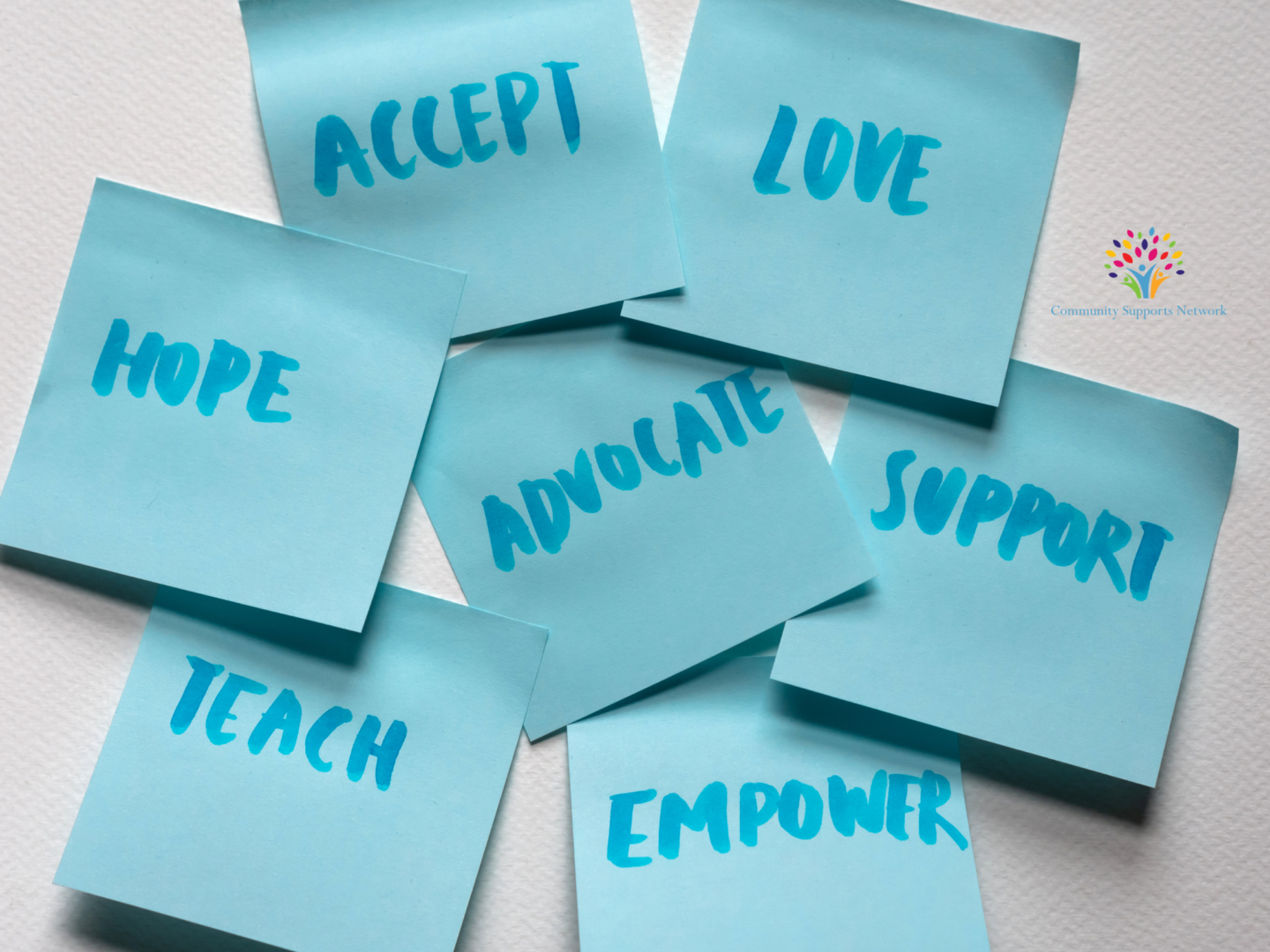
Advocacy plays a powerful role in improving the lives of individuals with disabilities. While large policy changes and national awareness campaigns often receive the spotlight, some of the most meaningful advocacy happens in everyday moments—when families speak up, ask questions, and work to ensure their loved ones have access to the opportunities and support they deserve.
At Community Supports Network (CSN), we believe families are some of the most important advocates in the disability community. Whether advocating in schools, healthcare settings, workplaces, or local communities, families help create pathways for greater inclusion and understanding.
What Advocacy Really Means
Advocacy is simply the act of supporting and speaking up for the rights, needs, and well-being of an individual. For families of individuals with disabilities, advocacy can take many forms, including:
- Ensuring appropriate educational supports and services
- Promoting accessibility and inclusion in community spaces
- Helping individuals access resources and support programs
- Encouraging independence and self-advocacy skills
Advocacy does not always mean confronting a problem. Often, it involves collaboration, communication, and education.
Everyday Advocacy Makes a Difference
Many families are already advocating for their loved ones in ways they may not even realize. Everyday advocacy can include:
- Asking questions about services or supports
- Sharing information with teachers, caregivers, or service providers
- Encouraging inclusive opportunities in schools and community programs
- Helping others better understand disability and inclusion
These small actions help create environments where individuals with disabilities are respected, supported, and valued.
Supporting Self-Advocacy
One of the most powerful forms of advocacy is helping individuals learn to advocate for themselves. Self-advocacy allows individuals with disabilities to express their needs, preferences, and goals.
Families can encourage self-advocacy by:
- Involving individuals in decision-making
- Encouraging them to express their opinions and preferences
- Teaching them about their rights and available resources
- Supporting opportunities to build independence
Over time, these experiences help individuals gain confidence and strengthen their voice.
Advocacy in the Community
Advocacy also plays an important role in building more inclusive communities. Families can help raise awareness and promote inclusion by:
- Participating in community events and advocacy initiatives
- Supporting disability organizations and programs
- Sharing personal stories and experiences
- Encouraging businesses and organizations to adopt inclusive practices
These efforts help create a culture where individuals with disabilities are welcomed and supported in every aspect of community life.
How Community Supports Network Helps
At Community Supports Network, we work alongside individuals and families to promote independence, opportunity, and inclusion. Through personalized services, community engagement, and dedicated support professionals, CSN helps individuals build the skills and confidence they need to thrive.
Advocacy is not a single moment—it is an ongoing commitment to ensuring that individuals with disabilities have access to meaningful opportunities and a voice in their communities.
When families, organizations, and communities work together, we can continue building a more inclusive future for everyone.