Jessica K., Author at YourCSN - Page 2 of 7

Author: Jessica K.

  • Honoring National Nurses Week (May 6–12)

    Each year from May 6–12, National Nurses Week gives us the opportunity to recognize the critical role nurses play across every part of our healthcare system. From hospitals to homes, nurses are often the steady presence behind quality care—bringing not only clinical expertise, but compassion, advocacy, and a deep commitment to the individuals they serve.

    In community-based settings especially, nurses play a unique and essential role. They help bridge the gap between medical care and everyday life—supporting individuals, educating caregivers, and ensuring that care plans are not only effective, but truly person-centered.

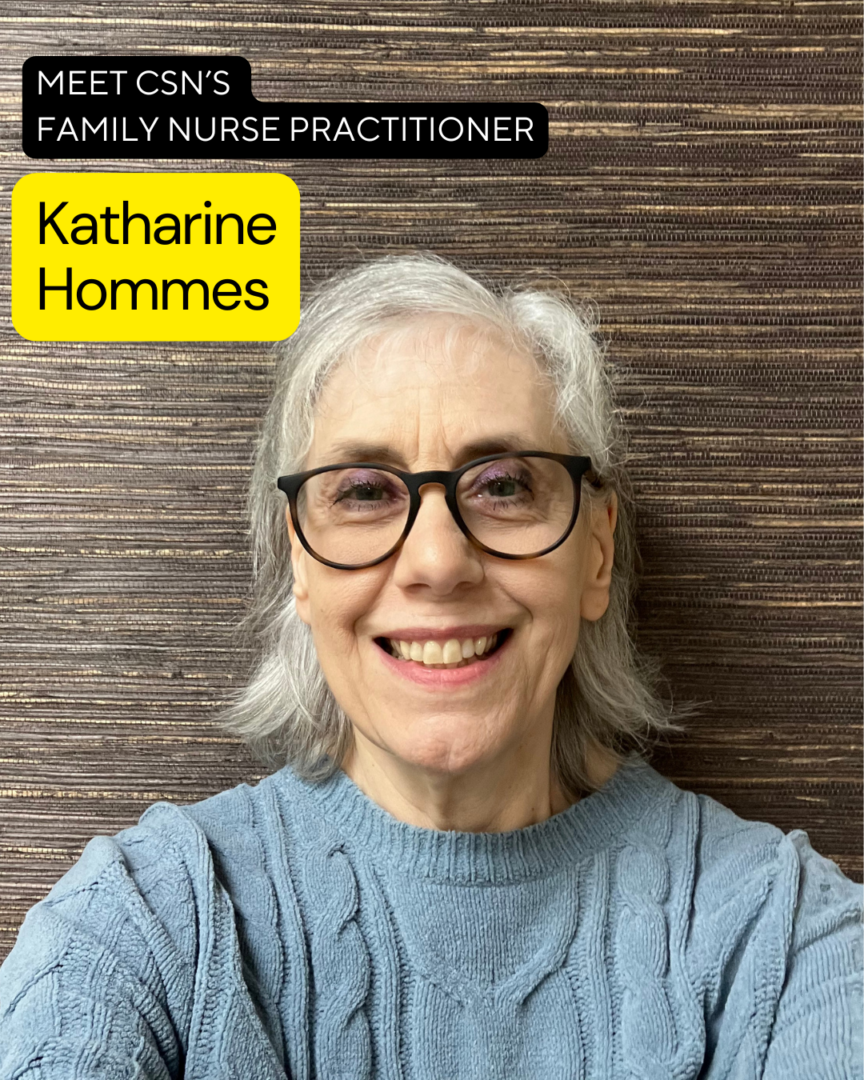
    At Community Supports Network (CSN), we are proud to have nurses who embody this work every day. This Nurses Week, we’re honored to spotlight one of those individuals—Katharine Hommes.

    With nearly 40 years of experience in the nursing field, Katharine brings a depth of knowledge that spans clinical care, healthcare systems, and patient advocacy. She began her career as a floor nurse at Clara Maas Medical Center before expanding into roles in quality assurance, utilization review, and healthcare management. She later earned a master’s degree in public health, followed by a master’s in nursing, becoming a Family Nurse Practitioner.

    Katharine went on to specialize in urology and endocrinology and trained as a Registered Nurse First Assistant (RNFA), assisting physicians in the operating room. Throughout her career, she has worked with a wide range of populations, including individuals with developmental disabilities—experience that continues to inform her work today.

    In 2025, Katharine made the transition to CSN, returning to her nursing roots with a focus on what she is most passionate about: education, assessment, and hands-on support.

    At CSN, Katharine plays a vital role in supporting both individuals and staff. She conducts nursing assessments, develops care plans, and maintains ongoing communication with individuals and their families to ensure needs are being met. She also provides essential training and education to Direct Support Professionals, helping them better understand medical conditions, medication management, and individualized care needs.

    Her work ensures that care is not only delivered—but understood, supported, and sustained.

    Katharine’s impact extends beyond clinical care. She is a resource, an educator, and a steady presence for both staff and families navigating complex needs. Her ability to combine experience with compassion is what makes her work so meaningful.

    During Nurses Week (May 6–12), we celebrate Katharine—and all nurses—who continue to make a difference through their dedication, knowledge, and unwavering commitment to care.

    To learn more head to our website to connect!

  • Navigating Handicap Placards in New Jersey

    What Families Need to Know

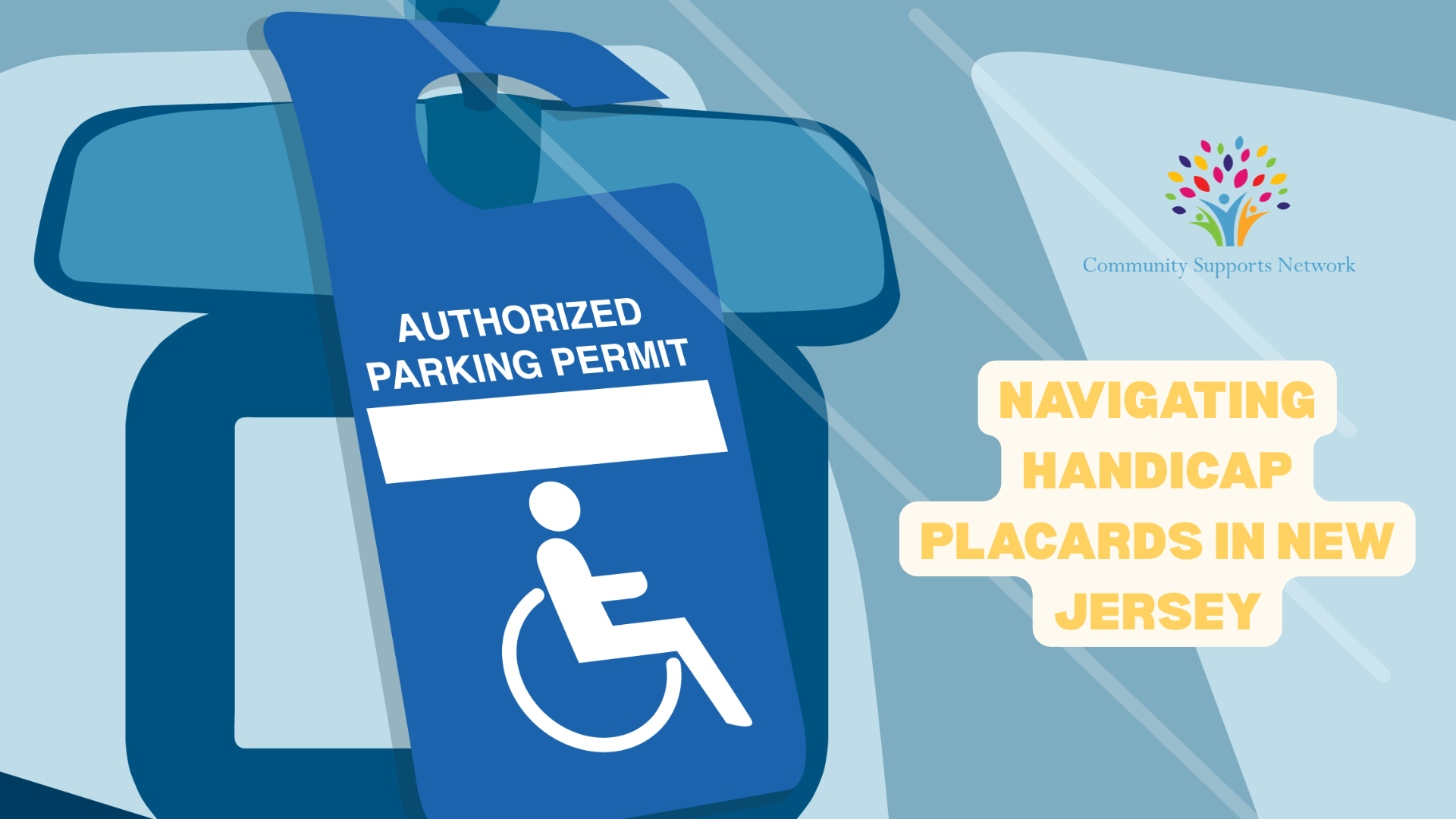
    Graphic artwork depicting a handicap parking permit hanging on a rearview mirror, with the words "navigating handicap placards in New Jersey" which is the topic of this Tip Tuesday blog post.

    Written by Jessica Quarello, Brand Communications Manager

    For many families in the disability community, accessibility isn’t just about convenience—it’s about safety.

    Recently, I went through the process of renewing my daughter Adeline’s handicap placard. Because she is a minor, we are required to recertify every three years, which means revisiting paperwork, doctor’s forms, and the full application process regularly. (NJ.gov)

    Photo of Adeline and Jessica, her mother, who is our Brand Communications Manager at Community Supports Network LLC.

    And it got me thinking—this is something so many families rely on, but not everyone fully understands.

    Why This Matters

    When most people think of handicap placards, they think of physical mobility limitations.

    But for many individuals with disabilities, the need goes far beyond that.

    Hi! My name is Jess and I am the Brand Communications Manager here at CSN. I also happen to have a five year old daughter with Down syndrome. For my daughter, Adeline, a placard is essential due to elopement—a safety concern that can make even a simple parking lot feel overwhelming or dangerous.

    Having accessible parking:

    • Reduces distance and risk
    • Helps maintain supervision
    • Creates a safer transition from car to destination

    For families like ours, it’s not about convenience—it’s about preventing unsafe situations before they happen.

    What Is a Handicap Placard in NJ?

    In New Jersey, a Person with a Disability placard allows a vehicle carrying a qualified individual to park in designated accessible parking spaces.

    There are two main types:

    • Permanent placards (valid for 3 years)
    • Temporary placards (valid for 6 months, with limited renewal) (ParkingMD)

    Permanent placards are free, while temporary ones have a small fee. (YouTube)

    Who Qualifies?

    Eligibility is determined by a qualified medical professional, not just diagnosis alone.

    In general, individuals may qualify if they:

    • Have significant mobility limitations
    • Cannot walk long distances safely
    • Require assistance or supervision due to a condition
    • Have neurological, developmental, or medical conditions that impact safe mobility

    A physician, nurse practitioner, or other qualified provider must certify the need as part of the application. (NJ.gov)

    For children especially, providers can consider safety risks, including behaviors like elopement, when determining eligibility.

    How to Apply (New Jersey)

    To apply for a placard or license plate, families must:

    1. Complete the Application for Vehicle License Plates and/or Placard (Form SP-41)
    2. Have a medical provider complete and sign the certification
    3. Submit the application:
      • In person at an MVC agency, or
      • By mail to the NJ MVC Special Plate Unit (NJ.gov)

    If approved:

    • You’ll receive a placard + ID card
    • The placard can be used in any vehicle the individual is in

    Renewal (What Most People Don’t Realize)

    Even for permanent disabilities, New Jersey requires:

    • Recertification every 3 years
    • A new medical certification dated within 60 days of submission (NJ.gov)

    There is no fee to renew, but the process essentially starts over each time. (NJ.gov)

    For families with children, this often means:

    • Scheduling doctor visits
    • Completing paperwork repeatedly
    • Navigating timing and deadlines

    Placard vs. License Plate

    Families can choose between:

    • A placard (portable, usable in any car)
    • A license plate (assigned to one vehicle)

    Placards tend to be more flexible—especially for families who:

    • Use multiple caregivers
    • Travel in different vehicles
    • Share transportation responsibilities

    A Note for Families

    If you’re a parent navigating this process, here’s what I’ll say:

    If your child needs it—for safety, mobility, or access — you are not asking for too much.

    You are advocating.

    And while the process may feel repetitive or frustrating, these tools exist to support real needs.

    Final Thoughts

    Accessible parking is often seen as a small accommodation — but for many families, it’s a critical piece of independence, safety, and participation in everyday life.

    At CSN, we believe in meeting individuals where they are — and that includes making sure families have access to the tools that help them safely navigate their communities.

  • 5 Ways to Use Your DDD Budget That Families Don’t Always Think About

    Photo of a client learning to cook while receiving support services funded by the NJ DDD, which is just one of the 5 ways to use your DDD budget covered in this blog post.

    When families first receive their DDD budget, the focus is often on the basics—weekly support hours, staffing, and getting into a routine.

    But what many families don’t realize is that your budget can often be used in more flexible, creative ways that truly enhance quality of life.

    At Community Supports Network (CSN), we encourage families to think beyond the traditional—and explore opportunities that build independence, confidence, and connection.

    Here are five ways you may be able to use your DDD budget that you might not have considered:


    1. Community Fitness & Wellness Programs

    Staying active isn’t just about physical health—it’s about confidence, routine, and social connection.

    Many individuals we support use their budget to access:

    • Local gyms or YMCAs
    • Adaptive fitness programs
    • Swimming, yoga, or group classes

    We’ve seen firsthand how something as simple as a weekly gym visit can become a meaningful part of someone’s routine—and something they truly look forward to.

    Image

    2. Creative & Recreational Classes

    Art, music, dance, and other creative outlets can be powerful tools for self-expression.

    Your budget may help support participation in:

    • Art classes
    • Music lessons
    • Dance or movement programs
    • Community-based recreational groups

    These experiences aren’t just fun—they help build confidence, communication skills, and a sense of identity.

    Image

    3. Real-Life Skill Building in the Community

    Some of the most valuable learning doesn’t happen at home—it happens out in the real world.

    DDD-funded supports can often be used for:

    • Grocery shopping and budgeting
    • Cooking and meal planning
    • Navigating public spaces
    • Practicing social interactions

    With the right support, everyday activities become opportunities for growth and independence.


    4. Transportation to Meaningful Activities

    Transportation is often overlooked—but it can be the key to unlocking everything else.

    Depending on your plan, your budget may help support access to:

    • Community outings
    • Classes and programs
    • Volunteer or employment opportunities

    Access creates opportunity—and we believe everyone deserves both.


    5. Career Exploration & Supported Employment

    Employment looks different for everyone—but everyone deserves the opportunity to explore their potential.

    Your budget may support:

    • Job coaching
    • Workplace readiness skills
    • Exploring different job paths
    • On-the-job support

    At CSN, we’ve seen how the right support can turn a first job into a long-term source of pride, purpose, and independence.


    Thinking Beyond the Basics

    Your DDD budget is more than just a number—it’s a tool to help build a life filled with purpose, connection, and growth.

    If you’re not sure what’s possible within your plan, you’re not alone. Many families don’t realize the full range of opportunities available to them.

    At CSN, we’re here to help you explore those options and create a plan that truly reflects your loved one’s goals and interests.


    Want to Learn More?

    If you’re curious about how your DDD budget can be used—or wondering if there’s room to incorporate something new—we’re here to help.

    Reach out to our team by clicking here to start the conversation today!

  • What Families Wish They Knew Before Starting Services (But No One Tells You)


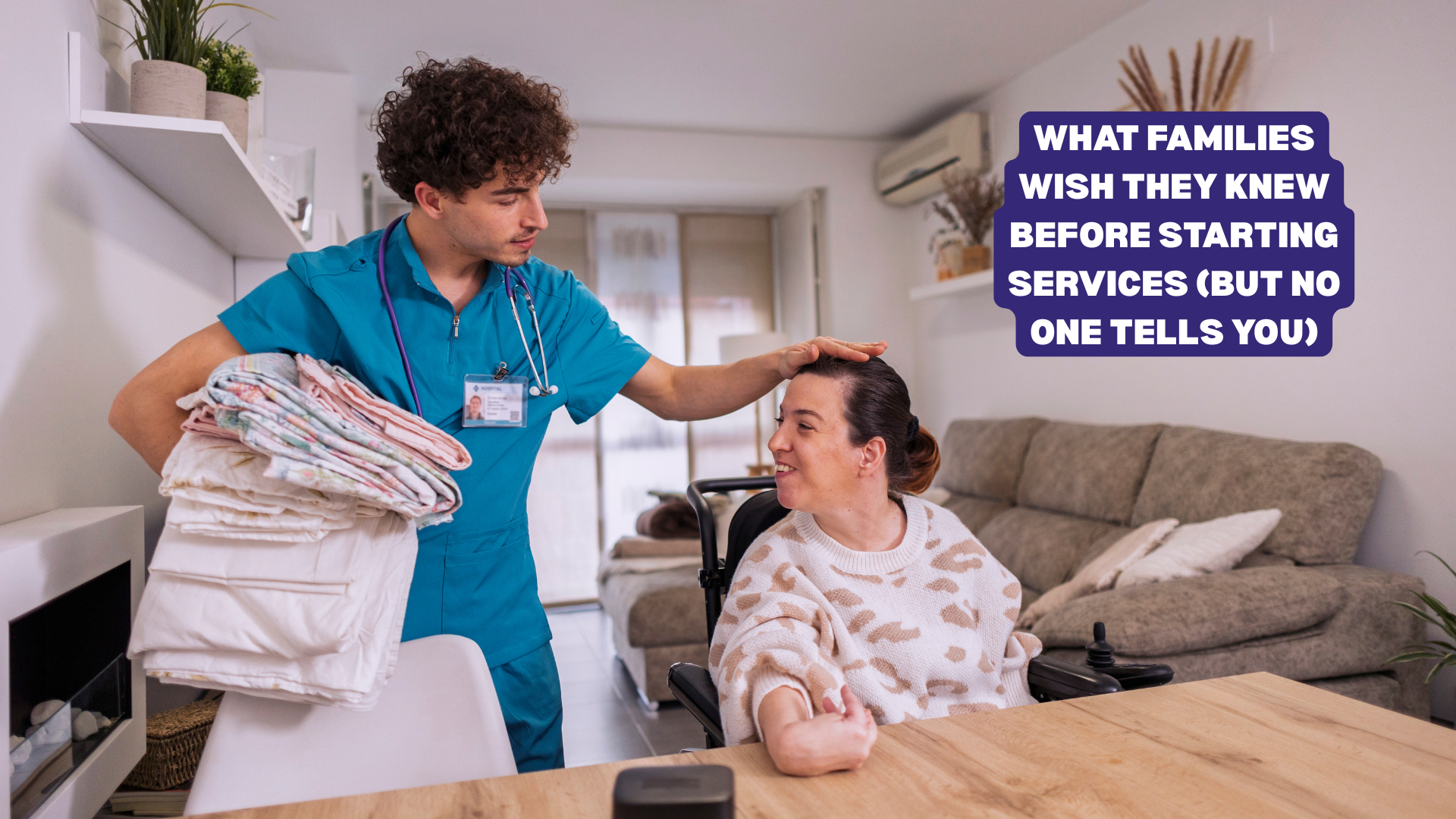
    Photo of a person with special needs sitting alongside their direct support professional, with the words "what families wish they knew before starting services (but no one tells you)" near the top right corner of the image.  This photo is a scene of a caregiver giving support to a person with a disability, and the words it contains are the focus of this blog post, which is intended to help families navigate the support landscape with less stress.

    Starting services for a loved one with a disability can feel like a huge step—because it is.

    For many families, it comes with a mix of emotions: relief, uncertainty, hope, and sometimes even guilt. You want to make the right decisions, provide the best support, and ensure your loved one is set up for success.

    But here’s the truth: there are a lot of things families only learn after they begin services.

    At Community Supports Network (CSN), we’ve had the privilege of walking alongside so many families at the beginning of this journey—and if there’s one thing we’ve learned, it’s this:

    You don’t have to have it all figured out from day one.

    Here are a few things families often wish they knew earlier.


    1. It’s Okay to Start Small

    You don’t need to jump into a full schedule right away.

    Starting with just a few hours of support each week can be a great way to ease into services—for both your loved one and your family. It gives everyone time to adjust, build comfort, and establish trust.

    Services can—and should—grow over time based on what feels right.


    2. The Right Match Matters More Than You Think

    One of the most important parts of a successful experience is the relationship between your loved one and their support professional.

    The right match can make all the difference in building confidence, independence, and meaningful engagement.

    And if something doesn’t feel like the right fit? That’s okay too. Adjustments are a normal part of the process.


    3. Progress Doesn’t Always Look the Way You Expect

    It’s easy to measure progress by big milestones—but often, the most meaningful growth happens in smaller, quieter moments.

    Things like:

    • Trying something new
    • Speaking up
    • Gaining confidence in a familiar setting
    • Building a routine

    These moments matter—and they add up in powerful ways over time.


    4. Community-Based Support Changes Everything

    Support doesn’t just happen in one place—and it shouldn’t.

    Being out in the community—whether it’s at a local gym, grocery store, workplace, or social setting—helps individuals build real-life skills, confidence, and connections.

    It’s where independence grows naturally.


    5. It’s a Partnership

    You are not handing things off—you are gaining a team.

    The most successful outcomes happen when families and providers work together, communicate openly, and adjust along the way.

    Your voice, your insight, and your involvement will always matter.


    6. It’s Okay to Feel All the Feelings

    Starting services can bring up a lot emotionally—and that’s completely valid.

    There is no “right” way to feel.

    What matters most is that you’re taking a step forward in creating more opportunities, support, and independence for your loved one.


    Moving Forward

    At CSN, we believe every individual deserves support that is personalized, flexible, and rooted in real-life experiences.

    There’s no one-size-fits-all approach—and that’s a good thing.

    If you’re just beginning to explore services or wondering what the next step might look like, we’re here to help guide you through it.


    👉 If you’re curious about how services can be tailored to your family’s needs, connect with our team to learn more.


  • Celebrating the Bond Between Siblings

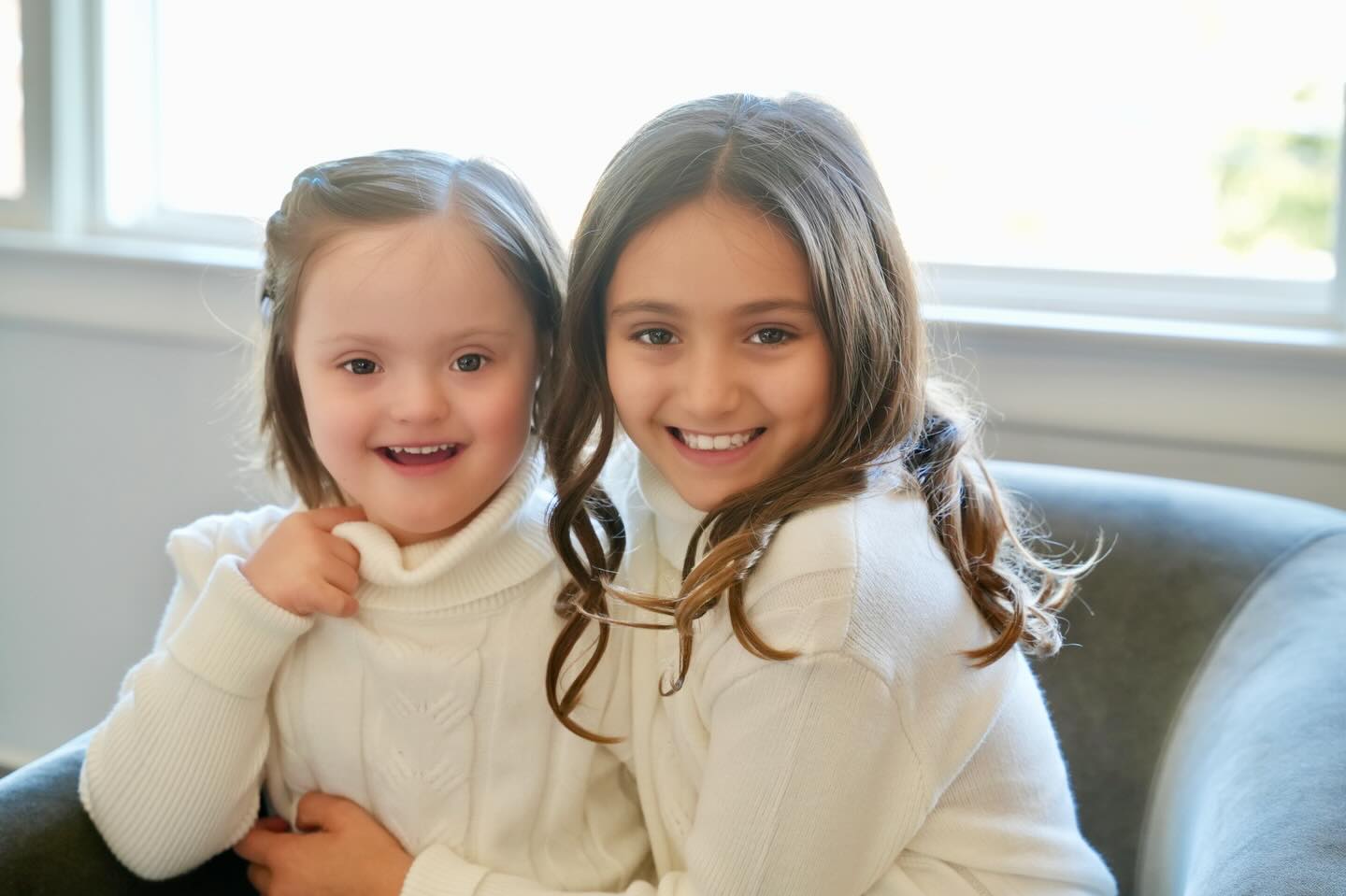
    Photo of siblings Addie and Charlee sitting together and smiling with joy.  This photo is symbolic of the spirit of National Siblings Day, which is about celebrating the bond between siblings and which is the focus of this blog post

    A Personal Reflection on National Siblings Day

    Today is National Siblings Day, a day dedicated to celebrating the unique and meaningful relationships between brothers and sisters.

    For those who may not know me, my name is Jess Quarello, and I serve as the Brand Communications Manager at Community Supports Network. Much of my work involves sharing stories, resources, and information that support individuals with disabilities and their families. But beyond my professional role, this work is also deeply personal to me.

    I’m the mom of two incredible girls—Charlee and Addie.

    Watching the relationship between my daughters grow has been one of the most meaningful experiences of my life. Like many siblings, they share laughter, imagination, and the countless small moments that make childhood so special. They play together, make up games, and occasionally argue over toys or whose turn it is to choose the movie. In many ways, their relationship looks just like that of any other pair of sisters.

    But their bond also carries a deeper layer of meaning for our family.

    My younger daughter, Addie, has Down syndrome. While that is certainly part of her story, it has never defined the love and connection she shares with Charlee. To Charlee, Addie is simply her little sister—someone she loves, protects, laughs with, and grows alongside every day.

    Growing up with a sibling with a disability can shape children in incredibly powerful ways. Siblings often develop empathy, patience, and resilience from a very young age. They learn that differences are simply part of the human experience and that everyone deserves respect, opportunity, and inclusion.

    As a parent, I often find myself observing Charlee and realizing that she is growing up with a perspective many people only gain later in life. She sees the world through a lens of compassion and understanding. She celebrates Addie’s accomplishments, supports her when things are challenging, and reminds me every day how naturally children can embrace inclusion when they grow up in an environment that values it.

    Siblings of individuals with disabilities often become some of the most important supporters and advocates in a person’s life. They grow up witnessing determination and resilience, celebrating milestones that others might overlook, and learning that success can take many different forms.

    Their role in a family’s journey is incredibly meaningful. While much of the focus in the disability community understandably centers around the individual receiving services, siblings are often quietly learning, growing, and contributing in ways that shape the entire family dynamic.

    Through my work at Community Supports Network, I see this every day. Behind each individual building skills, finding employment, gaining independence, or participating in their community, there is often a network of family members who have been part of that journey from the very beginning. Siblings, in particular, bring a unique kind of support—one built on shared experiences, lifelong connection, and unconditional love.

    For families navigating disability, these sibling relationships can be a powerful source of strength, understanding, and encouragement.

    Today, on National Siblings Day, I’m especially grateful for the bond that Charlee and Addie share. Their relationship reminds me daily that inclusion begins at home, in the small everyday moments that shape how we see and support one another.

    It’s a reminder that family connections—especially those between siblings—can play an incredibly meaningful role in helping individuals grow, thrive, and feel supported throughout their lives.

    To all the siblings who grow up alongside brothers and sisters with disabilities, thank you. Your compassion, patience, and advocacy help create a more understanding and inclusive world.

    Happy National Siblings Day.


    Jess Quarello
    Brand Communications Manager
    Community Supports Network

  • What Does a DDD Budget Actually Cover? A Simple Breakdown for Families in New Jersey

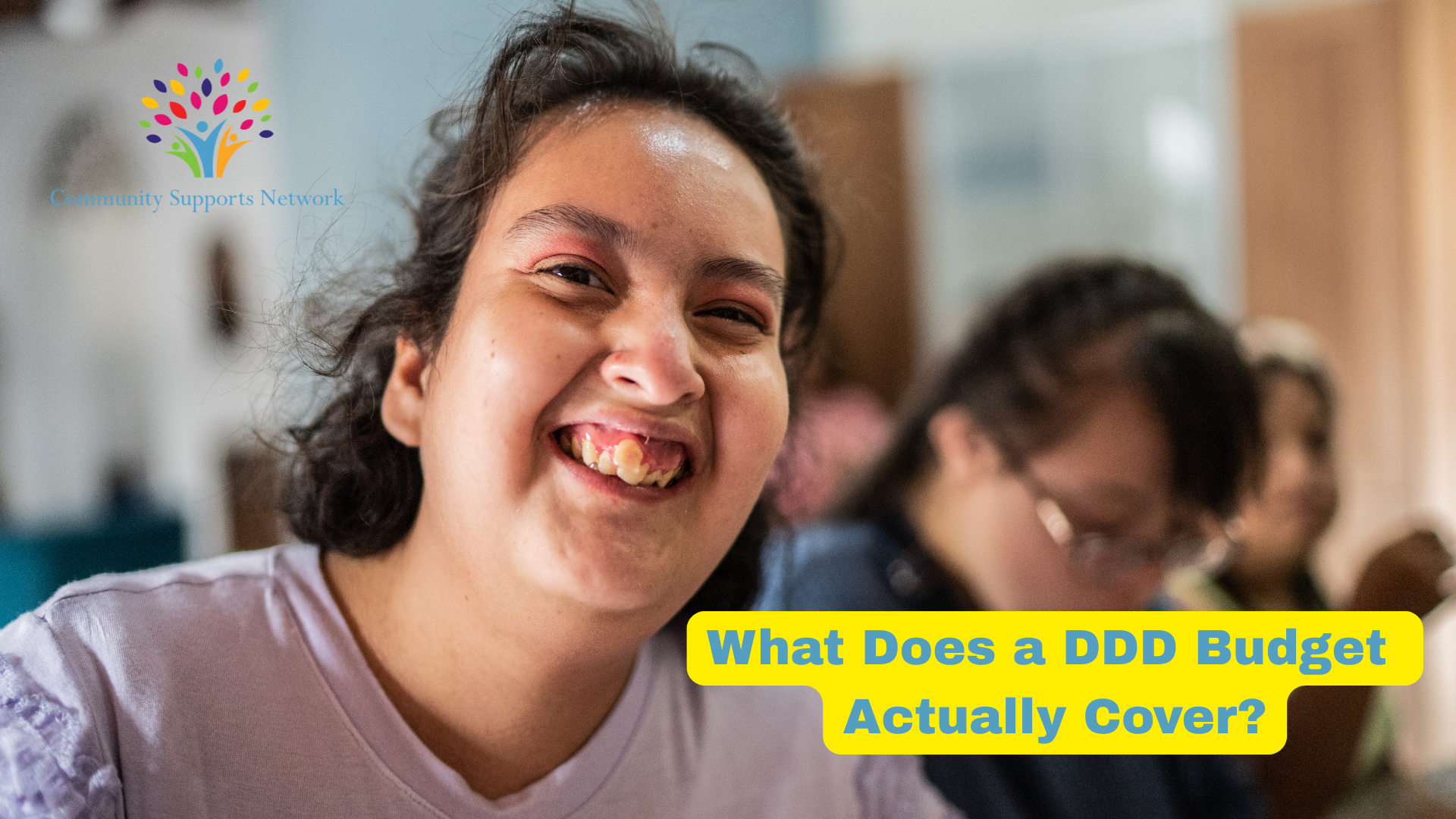
    Photo of a young autistic lady who is receiving services approved by the New Jersey DDD, with a caption that reads "what does a DDD budget actually cover?"

    If you’re navigating services for a loved one with a disability in New Jersey, you’ve likely heard the term “DDD budget.” But one of the most common questions families ask is:

    What can we actually use it for?

    The answer isn’t always clear—and understanding how to use your budget effectively can make a big difference in your loved one’s quality of life.

    At Community Supports Network (CSN), we work with families every day who are trying to better understand their options. This guide is meant to simplify what a DDD budget can cover and how it can be used in real, meaningful ways.


    What Is a DDD Budget in New Jersey?

    In New Jersey, the Division of Developmental Disabilities (DDD) provides funding through Medicaid to support eligible adults with Intellectual and developmental disabilities.

    Most individuals receive services through the Supports Program, which provides an annual budget based on assessed need. This funding is designed to be person-centered, meaning it can be used in ways that align with an individual’s unique goals, interests, and level of support.

    (For individuals with higher support needs, the Community Care Program (CCP) may provide access to additional services, including residential supports.)


    What Can a DDD Budget Be Used For?

    While services must be approved and aligned with an individual’s plan, DDD funding in NJ can support a wide range of services:


    1. Supported Employment

    DDD funding can support individuals in finding and maintaining meaningful employment, including:

    • Job coaching
    • On-the-job support: While DVRS is the first and preferred service provider for individuals seeking competitive, integrated employment, in certain cases individuals may use their personal DDD budgets.
    • Job development services

    These services help individuals build independence, gain confidence, and become active members of their communities.


    2. Community-Based Supports

    Funding can be used for supports that help individuals participate in their communities and build social and life skills.

    This may include:

    • Community outings
    • Recreational activities
    • Volunteer opportunities
    • Skill-building in real-life settings

    In some cases, DDD funding can also support participation in activities that promote health and well-being—such as gym memberships, classes, or structured programs—when tied to individual goals and approved in the service plan.


    3. Daily Living & Life Skills Supports

    Many services focus on building independence in everyday life, including:

    • Communication skills
    • Personal care routines
    • Time management
    • Household and daily living tasks

    These supports are essential for helping individuals live as independently as possible.


    4. Behavioral & Clinical Supports

    Depending on individual needs, DDD funding may also include:

    • Behavioral supports
    • Therapeutic services
    • Individualized plans to address specific challenges

    5. Transportation

    Transportation services may be available to help individuals access employment, programs, and community activities.


    6. Residential Supports (Through CCP)

    For individuals enrolled in the Community Care Program, funding may also support residential services, such as:

    • Community group homes
    • Supervised apartments
    • Supported living arrangements

    7. Residential Supports (Through CCP)

    For individuals enrolled in the Community Care Program, funding may also support residential services, such as:

    • Community group homes

    Supervised apartments


    8:  Education

    • Classes
    • College Courses
    • Vocational Programs

    Common Misconceptions

    Because the system can feel complex, there are a few common misunderstandings:

    • “It only covers basic care.”
      In reality, DDD services are designed to support independence, growth, and community inclusion—not just daily care.
    • “We can use it for anything.”
      Services must be approved, tied to assessed needs, and included in the Individualized Service Plan (ISP).
    • “We have to figure this out alone.”
      There are providers and support coordinators available to help guide families through the process.

    Making the Most of Your Budget

    Your loved one’s DDD budget is a tool—and how it’s used should reflect their goals, interests, and vision for their life.

    With the right supports in place, individuals can:

    • Build meaningful routines
    • Develop independence
    • Form social connections
    • Participate more fully in their communities

    We’re Here to Help

    Understanding your options is the first step—but you don’t have to navigate it alone.

    At CSN, we partner with families across New Jersey to help them make the most of their DDD services—whether that means exploring employment, building life skills, or increasing community involvement.

    If you’re curious about what may be possible within your DDD budget, we encourage you to reach out to us today.

  • National Public Health Week: Why Accessible, Community-Based Supports Matter

    Graphic art depicting a wooden wall with colorful letters on it that spell the words "public health", which is central to this blog post abouit why accessible community-based supports matter.

    Each year from April 1–7, National Public Health Week highlights the importance of building healthier communities for all.

    At its core, public health is about ensuring that everyone—regardless of background, ability, or circumstance—has access to the resources and support they need to live a healthy, fulfilling life.

    For individuals with disabilities, this includes access to accessible healthcare, inclusive environments, and community-based supports that promote independence and overall well-being.

    At Community Supports Network (CSN), we see every day how these supports play a critical role in improving quality of life.

    What Public Health Means for Individuals with Disabilities

    Public health goes beyond hospitals and medical care. It includes the systems, services, and supports that shape everyday life.

    For individuals with disabilities, this can include:

    • Access to preventative care and healthcare services
    • Safe and accessible housing
    • Opportunities for physical activity and wellness
    • Social connection and community participation
    • Support systems that promote independence

    When these elements are in place, individuals are better able to thrive—not just physically, but socially and emotionally as well.

    The Role of Community-Based Supports

    Community-based supports are a key part of public health—especially for individuals with disabilities.

    These supports allow individuals to engage in their communities in meaningful, practical ways, such as:

    • Grocery shopping and preparing meals
    • Attending fitness programs or going to the gym
    • Participating in social and recreational activities
    • Building daily routines that promote stability and independence

    By supporting individuals in real-life environments, these services help build confidence, encourage healthy habits, and create a greater sense of belonging.

    Health Is More Than Physical

    True health includes more than physical well-being—it also includes emotional, social, and mental health.

    For individuals with disabilities, having access to supportive services can:

    • Reduce isolation and increase social connection
    • Build confidence and self-esteem
    • Provide structure and routine
    • Encourage independence and personal growth

    When individuals feel connected and supported, it positively impacts every area of their lives.

    Why Accessibility and Equity Matter

    Accessible and equitable healthcare means ensuring that individuals with disabilities can access the same opportunities as everyone else—without barriers.

    This includes:

    • Clear communication and understanding
    • Physical accessibility in community spaces
    • Inclusive programs and services
    • Support that is tailored to individual needs

    Equity ensures that each person receives the level of support they need to succeed.

    How CSN Supports Health and Well-Being

    At CSN, our approach is rooted in person-centered care and community integration.

    We support individuals by:

    • Encouraging participation in community activities that promote physical health and wellness
    • Building daily living skills that support independence
    • Providing opportunities for social connection
    • Supporting individuals in navigating their environments with confidence

    Our goal is to help individuals live healthy, meaningful lives within their communities.

    Building Healthier Communities Together

    National Public Health Week is a reminder that building healthier communities requires collaboration, awareness, and action.

    By investing in accessible services, inclusive environments, and community-based supports, we can create a world where individuals with disabilities are empowered to live full, connected, and healthy lives.

    At CSN, we are proud to be part of that effort—today and every day.

  • Autism Awareness Day: Moving Beyond Awareness to True Inclusion

    Picture of wooden frame with the words World Autism Awareness day, which is part of the focus for this blog post about moving awareness toward true inclusion.

    Every year on April 2nd, Autism Awareness Day invites us to pause, reflect, and deepen our understanding of autism and the individuals and families within this community.

    But today is about more than awareness—it’s about acceptance, inclusion, and action.

    At Community Supports Network (CSN), we believe that creating a truly inclusive world means recognizing the strengths, perspectives, and individuality of people with autism, while also ensuring they have access to the support and opportunities they deserve.

    Understanding Autism

    Autism, or Autism Spectrum Disorder (ASD), is a developmental condition that affects how individuals communicate, interact, and experience the world around them.

    Because it is a spectrum, no two individuals are the same.

    Some individuals may need significant support in their daily lives, while others live more independently. Many individuals with autism have unique strengths, talents, and ways of thinking that enrich the communities they are part of.

    Understanding and respecting these differences is the first step toward inclusion.

    Moving Beyond Awareness

    Awareness helps us recognize autism—but inclusion requires action.

    True inclusion means:

    • Creating environments where individuals feel welcomed and valued
    • Offering opportunities for meaningful participation in the community
    • Supporting independence and personal growth
    • Listening to and learning from individuals with autism

    Inclusion isn’t just about making space—it’s about ensuring that space is supportive, respectful, and empowering.

    The Importance of Everyday Inclusion

    Inclusion doesn’t only happen in large initiatives or programs—it happens in everyday moments.

    It looks like:

    • Being patient in social interactions
    • Using clear and supportive communication
    • Creating accessible and sensory-considerate environments
    • Encouraging friendships and social connection

    These small actions can have a powerful impact on someone’s sense of belonging.

    Ways to Support the Autism Community

    Everyone can play a role in creating a more inclusive world. Supporting the autism community can start with simple, meaningful actions:

    • Educate yourself and others about autism to better understand different experiences and needs
    • Support organizations and nonprofits that provide advocacy, services, and resources
    • Attend local events like awareness walks, community programs, and transition fairs
    • Advocate for inclusive practices in schools, workplaces, and public spaces
    • Amplify autistic voices by listening to and sharing perspectives from individuals with lived experience

    Here are a few organizations making a meaningful impact:

    • Autism New Jersey – A leading statewide organization providing advocacy, education, and resources for individuals and families across NJ
      https://www.autismnj.org
    • The Arc of New Jersey – Offers support, advocacy, and programs for individuals with intellectual and developmental disabilities, including autism
      https://www.arcnj.org
    • Autism Speaks – Focused on advocacy, research, and resources to support individuals on the autism spectrum and their families
      https://www.autismspeaks.org
    • POAC Autism Services (Parents of Autistic Children) – Provides training, events, and support services specifically for NJ families
      https://www.poac.net
    • Autistic Self Advocacy Network (ASAN) – An organization run by and for autistic individuals, promoting self-advocacy and inclusion
      https://autisticadvocacy.org

    Supporting and engaging with these organizations helps strengthen the broader autism community.

    How CSN Supports Individuals with Autism

    At CSN, our approach is rooted in person-centered support—meeting each individual where they are and helping them work toward their unique goals.

    We support individuals with autism through:

    Our goal is not just to provide services, but to help individuals build meaningful, fulfilling lives within their communities.

    A Day to Reflect—and Act

    Autism Awareness Day is an opportunity to learn, listen, and reflect—but it’s also a reminder that inclusion is an ongoing effort.

    By moving beyond awareness and embracing acceptance, we can help create communities where individuals with autism feel seen, valued, and supported every day.

    At CSN, we are proud to be part of that mission.

  • A Day in the Life: What Community-Based Supports Really Look Like

    Photo of a group of young adults together in a community of people with special needs.  They are illustrative of what community-based supports really look like, which is the topic of this blog post.

    When families begin exploring services, one of the most common questions is: What does support actually look like day to day?

    At Community Supports Network (CSN), community-based supports are designed to help individuals build independence, confidence, and meaningful connections—right in the environments where life happens.

    While every individual’s experience is unique, here’s a look at what a typical day with community-based supports can look like.


    Starting the Day with Routine and Independence

    The day often begins at home, where individuals are supported in building daily living skills.

    This might include:

    • Getting dressed and ready for the day
    • Preparing a simple breakfast
    • Reviewing a schedule or plan for the day

    With guidance and encouragement, individuals gain confidence in completing these routines more independently over time.


    Heading Into the Community

    Community-based supports focus on real-world experiences—because that’s where meaningful growth happens.

    Depending on the individual’s goals, this could include:

    • Going to the gym and following a workout routine
    • Grocery shopping and learning how to find items, compare prices, and check out
    • Visiting a local coffee shop or restaurant
    • Attending a class, club, or recreational activity

    These outings create natural opportunities to build independence while becoming more comfortable in everyday environments.


    Building Social and Communication Skills

    Throughout the day, real-life moments become opportunities to practice communication.

    Individuals may work on:

    • Starting conversations with peers or community members
    • Ordering food or speaking with staff at a store
    • Asking for help or clarification when needed

    These skills are practiced in supportive, low-pressure settings—helping individuals gain confidence over time.


    Developing Life and Employment Skills

    For many individuals, part of the day may focus on long-term independence and employment goals.

    This can look like:

    • Practicing time management (arriving on time, following a schedule)
    • Learning job-related tasks
    • Receiving support in a volunteer or work setting

    Each step helps build skills that translate into greater independence and future opportunities.


    Real Voices, Real Impact

    As one CSN team member shared:
    “Some of the biggest wins don’t look big at first—like saying hello to someone at the gym or checking out independently at the grocery store. But those moments build confidence, and over time, they add up to real independence.”


    Reflecting and Celebrating Progress

    At the end of the day, time is often spent reflecting on accomplishments—big or small.

    Whether it’s:

    • Trying something new
    • Completing a task more independently
    • Navigating a social interaction

    Every step forward matters. This is what community-based supports really look like.

  • Tip Tuesday: 5 Ways to Build Social Connections in Your Community

    Photo of a direct support professional (DSP) embracing a client with special needs, embodying the spirit of making connections.  This picture exemplifies the topic of this Tip Tuesday post about five ways to build social connections in your community.

    At Community Supports Network (CSN), we know that meaningful connections are at the heart of a fulfilling life.

    Building social relationships can boost confidence, improve communication skills, and create a strong sense of belonging. But for individuals with disabilities, navigating social settings can sometimes feel overwhelming.

    The good news? Social connection doesn’t have to start big. Small, intentional steps can lead to meaningful relationships over time.

    Here are five simple ways to build social connections in your community:

    1. Start with Shared Interests

    One of the easiest ways to connect with others is through common interests.

    Look for opportunities like:

    • Local classes or workshops
    • Recreational programs
    • Community events

    When people share an activity they enjoy, conversation often comes more naturally.

    2. Practice Simple Conversation Starters

    Starting a conversation can feel like the hardest part—but it doesn’t have to be complicated.

    Simple phrases like:

    • “Hi, how are you?”
    • “What did you think of this activity?”
    • “I like your shirt!”

    Practicing these ahead of time can help build confidence and make social interactions feel more comfortable.

    3. Build Familiarity Through Routine

    Returning to the same places—like a favorite coffee shop, park, or class—helps create familiarity.

    Over time:

    • Faces become recognizable
    • Interactions feel more natural
    • Connections begin to grow

    Consistency can turn everyday places into meaningful social spaces.

    4. Use Community-Based Supports

    Programs and supports can play an important role in building social connections.

    At CSN, our team works alongside individuals to:

    • Explore community opportunities
    • Practice social skills in real-life settings
    • Build confidence in new environments

    Having the right support can make all the difference.

    5. Celebrate Small Social Wins

    Every interaction counts.

    Whether it’s:

    • Saying hello to someone new
    • Participating in a group activity
    • Holding a short conversation

    These moments are important steps toward building lasting connections.

    Recognizing and celebrating progress helps build confidence and encourages continued growth.

    Connection Starts with One Step

    Building social connections is a journey—and it looks different for everyone.

    With the right support, patience, and opportunities, individuals can develop meaningful relationships and feel more connected to the world around them.

    At CSN, we’re proud to help individuals take those steps every day—because everyone deserves to feel seen, valued, and included in their community.


    Editor’s Note: If you are looking for help in building your social connections, you may find our community-based services to be of interest to you. If you are not sure where to start or have questions for us, you can always contact us online!

Serving Morris, Passaic, Bergen, Essex, Hudson, Union, Warren, Somerset, Hunterdon & Sussex Counties