Jessica K., Author at YourCSN - Page 4 of 7

Author: Jessica K.

  • The Importance of Trust in Disability Support Relationships

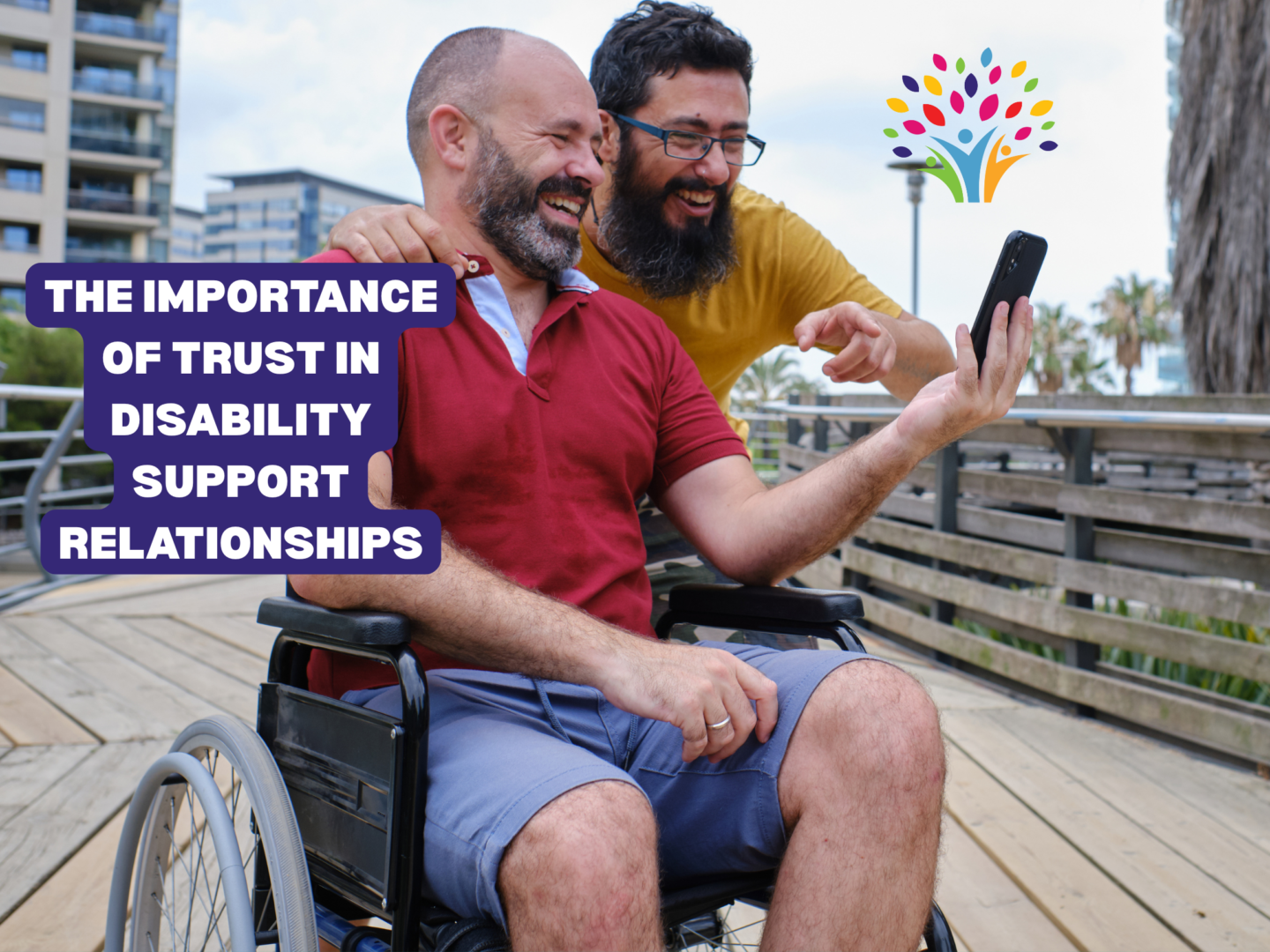
    Photo of a DSP with his client, with the words of "the importance of trust in disability support relationships" in bold font.

    At the heart of effective disability support is one essential element: trust.

    Trust is what allows individuals to feel safe, heard, and respected. It’s what turns support from a service into a relationship — and what makes growth, independence, and connection possible over time.

    At Community Supports Network, we see every day how trust shapes outcomes for individuals, families, and Direct Support Professionals alike. Without trust, support feels transactional. With trust, it becomes empowering.

    Trust Creates a Sense of Safety

    For many individuals with disabilities, the world can feel unpredictable or overwhelming. Changes in routine, unfamiliar environments, or new people can create anxiety and stress.

    Trust helps reduce that uncertainty.

    When individuals know that the people supporting them are consistent, respectful, and reliable, their nervous systems can relax. Feeling safe allows individuals to engage more fully in daily life — whether that’s trying a new activity, expressing a preference, or navigating the community.

    Safety isn’t just physical. It’s emotional. And trust is what builds it.

    Trust Is Built in Everyday Moments

    Trust isn’t created through big gestures. It’s built quietly, through consistency and follow-through.

    It looks like:

    • Showing up when you say you will
    • Listening without judgment
    • Respecting boundaries and preferences
    • Explaining changes instead of surprising someone
    • Following through on commitments

    These small, repeated actions send a powerful message: You matter. You can count on me.

    Over time, these moments add up to strong, meaningful relationships.

    Trust Supports Communication and Self-Advocacy

    When trust is present, communication becomes easier and more honest.

    Individuals are more likely to:

    • Express their needs and preferences
    • Ask for help when they need it
    • Share concerns or discomfort
    • Advocate for themselves

    Trust gives people confidence that their voice will be heard and respected. This is especially important for individuals who communicate in nontraditional ways or who have previously felt ignored or misunderstood.

    At CSN, we believe that supporting communication — in all its forms — is a key part of building trust and honoring self-determination.

    Trust Allows for Growth and Independence

    Growth requires vulnerability.

    Trying something new, making a decision, or taking on more responsibility can feel risky. Trust provides the foundation that makes those risks feel manageable.

    When individuals trust their support team, they are more willing to:

    • Practice new skills
    • Take healthy risks
    • Learn from mistakes
    • Build confidence over time

    Trust doesn’t eliminate challenges — but it makes navigating them feel safer and more supported.

    The Role of Direct Support Professionals

    Direct Support Professionals play a critical role in building and maintaining trust.

    DSPs are often among the most consistent people in an individual’s life outside of family. Their presence, attitude, and approach matter deeply. By leading with respect, patience, and empathy, DSPs help create relationships rooted in dignity and partnership.

    Trust grows when DSPs take the time to understand the individual — not just their support needs, but their personality, preferences, and goals.

    Trust Benefits Everyone

    It doesn’t just support individuals — trust strengthens families and teams as well.

    Families feel more confident when they trust the people supporting their loved ones. Teams work more effectively when communication is open and respectful. Services become more consistent, responsive, and person-centered.

    When trust is prioritized, everyone benefits.

    Building Trust Takes Time — and That’s Okay

    Trust isn’t instant. It develops over time through patience, consistency, and care.

    At Community Supports Network, we understand that strong relationships are built gradually. We prioritize stability, thoughtful communication, and person-centered practices because we know that trust is the foundation of meaningful support.

    When trust is present, individuals feel safer, more confident, and more empowered to live lives that reflect who they are — and who they want to be.


    EDITOR’S NOTE: Does trust matter to you in your job? Do you believe in the power of building trust when working? If so, you may wish to consider working as a DSP with us! For more information, please visit our careers page for current job openings.

  • What Makes a Great Direct Support Professional

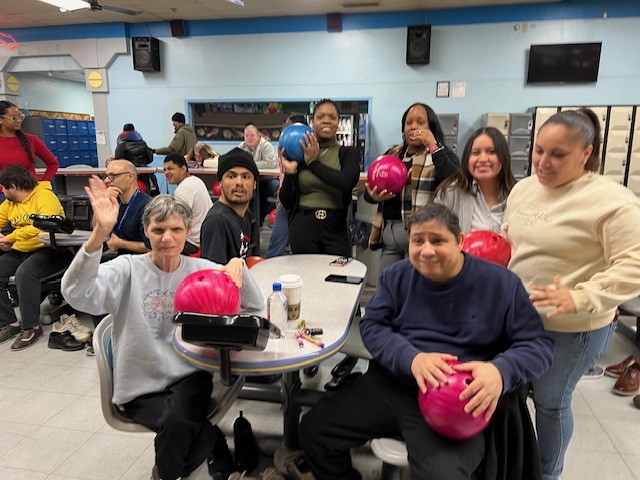
    Photo of Direct Support Professionals with some of our special clients at a community sporting event, waving and smiling happily together

    Direct Support Professionals (DSPs) play one of the most important roles in community-based disability services — yet their impact is often misunderstood or overlooked.

    At Community Supports Network, we know that great DSPs do far more than provide assistance. They support independence, build trust, foster confidence, and help individuals live meaningful, self-directed lives. But what truly makes a great Direct Support Professional?

    It’s not just about tasks. It’s about people.

    1. Respect Comes First

    At the heart of great support is respect.

    Great DSPs recognize that every individual is the expert of their own life. They honor personal preferences, communication styles, cultural identities, and boundaries. Support is never about control — it’s about partnership.

    Respect shows up in everyday moments: listening before acting, asking instead of assuming, and treating individuals as adults with agency and dignity.

    2. Patience and Flexibility

    No two days look the same in disability support — and great DSPs understand that.

    Plans change. Emotions fluctuate. Progress isn’t always linear. Patience allows DSPs to meet individuals where they are, without rushing, judgment, or frustration. Flexibility allows them to adapt while keeping support consistent and safe.

    These qualities help create environments where individuals feel calm, supported, and understood.

    3. Strong Communication Skills

    Communication is about more than words.

    Great DSPs learn how each individual communicates — whether through speech, gestures, assistive technology, or behavior. They take time to understand what is being expressed and advocate when others may not be listening.

    They also communicate clearly with families, team members, and supervisors to ensure consistency, transparency, and continuity of care.

    4. Commitment to Person-Centered Support

    A great DSP understands that support should never be “one-size-fits-all.”

    Person-centered support means focusing on the individual’s goals, interests, strengths, and needs — not what is easiest or most convenient. It means supporting independence at the individual’s pace and offering guidance without taking over.

    This approach helps individuals build confidence, skills, and pride in their own accomplishments.

    5. Emotional Awareness and Empathy

    DSPs often support individuals through challenges, transitions, and big emotions.

    Great DSPs lead with empathy. They recognize that behavior is communication and that emotional responses often reflect unmet needs, stress, or change. By responding with compassion instead of correction, DSPs help individuals feel safe and supported.

    Empathy builds trust — and trust is the foundation of meaningful support.

    6. Reliability and Consistency

    Consistency matters.

    Showing up on time, following through on commitments, and maintaining routines help individuals feel secure. Great DSPs understand that reliability isn’t just professional — it’s personal. When someone knows they can count on you, confidence grows.

    This consistency is especially important for individuals who rely on structure to navigate their day.

    7. Willingness to Learn and Grow

    Great DSPs don’t need to know everything — but they are open to learning.

    They seek feedback, ask questions, participate in training, and reflect on their practice. They understand that growth benefits not only their own development but the quality of support they provide.

    At CSN, we believe investing in DSP growth strengthens everyone involved.

    More Than a Job

    Being a Direct Support Professional is more than a role — it’s a responsibility and a privilege.

    DSPs are mentors, advocates, problem-solvers, and community builders. They help turn inclusion into something individuals experience in real, everyday ways.

    At Community Supports Network, we are proud to work alongside DSPs who bring patience, respect, compassion, and commitment to their work each day. Their impact reaches far beyond the individuals they support — it strengthens families, communities, and the future of inclusive care.


    Does this sound like you — or someone you know? CSN is always looking for compassionate, dedicated individuals interested in making a difference as Direct Support Professionals. Learn more about joining our team here.

  • Why Direct Support Professionals Are Essential to Community Inclusion

    Photo of a client on the left side and Jess on the right, doing her magic as a DSP helping individuals gain independence every day.

    When people think about community inclusion, they often picture accessible buildings, inclusive classrooms, or employment opportunities. While those things matter deeply, there is another essential piece that makes true inclusion possible every day: Direct Support Professionals (DSPs).

    DSPs are the bridge between intention and reality. They help turn the idea of “belonging” into something individuals with disabilities can experience in meaningful, practical ways.

    At Community Supports Network (CSN), we see firsthand how DSPs shape lives, strengthen communities, and create opportunities that might otherwise remain out of reach.

    More Than Support — A Foundation for Independence

    DSPs do far more than assist with daily tasks. They support individuals in building skills, confidence, and autonomy.

    Through consistent, person-centered support, DSPs help individuals:

    • Navigate their communities
    • Learn daily living skills
    • Build routines
    • Make choices about their own lives
    • Set and pursue personal goals

    This support creates a foundation for independence — not dependency. It empowers individuals to participate in their communities on their own terms.

    Creating Access to Real Community Life

    Community inclusion isn’t just about being physically present. It’s about participation, relationships, and belonging.

    DSPs help make this possible by supporting individuals to:

    • Attend community events
    • Hold jobs
    • Volunteer
    • Join clubs or programs
    • Build friendships
    • Use public transportation
    • Advocate for themselves

    These experiences allow individuals to be seen not as “clients,” but as neighbors, coworkers, and community members.

    Building Confidence Through Trust and Connection

    For many individuals, a DSP is one of the most consistent people in their lives outside of family.

    That relationship matters.

    DSPs provide:

    • Emotional support
    • Encouragement during challenges
    • Stability during transitions
    • Recognition of progress and growth

    When someone believes in you, it becomes easier to believe in yourself. That confidence often becomes the catalyst for trying new things, taking healthy risks, and building a fuller life.

    Changing Perceptions One Interaction at a Time

    DSPs don’t just support individuals — they educate communities through everyday moments.

    Each interaction at a workplace, coffee shop, gym, or community event helps challenge stereotypes and reshape assumptions about disability.

    Inclusion becomes normal when people see:

    • Capability instead of limitation
    • Contribution instead of dependency
    • Personality instead of diagnosis

    DSPs play a quiet but powerful role in creating this shift.

    Supporting the Supporters

    The impact DSPs have is enormous — and so is the responsibility they carry.

    At CSN, we believe supporting DSPs is essential to supporting the individuals we serve. That means:

    • Ongoing training
    • Fair compensation
    • Emotional support
    • Opportunities for growth
    • A culture of respect and appreciation

    When DSPs are valued, individuals receive better support. Communities become stronger. Everyone benefits.

    A Role That Changes Lives

    Direct Support Professionals are not just part of the system of care.

    They are:

    • Mentors
    • Advocates
    • Teachers
    • Problem-solvers
    • Companions
    • Community builders

    This is why direct support professionals are essential to community inclusion. Their work makes inclusion possible — not in theory, but in real life.

    At Community Supports Network, we are proud to work alongside DSPs who show up every day with patience, compassion, and commitment. Their impact reaches far beyond the individuals they support. It shapes families, neighborhoods, and the future of inclusive communities.

    EDITOR’S NOTE: Does this blog post describe your work ethic? Would you enjoy working as a DSP with us? If so, please check out this page: current DSP job openings!

  • Supported Employment Services at CSN: Helping Individuals Build Meaningful Careers

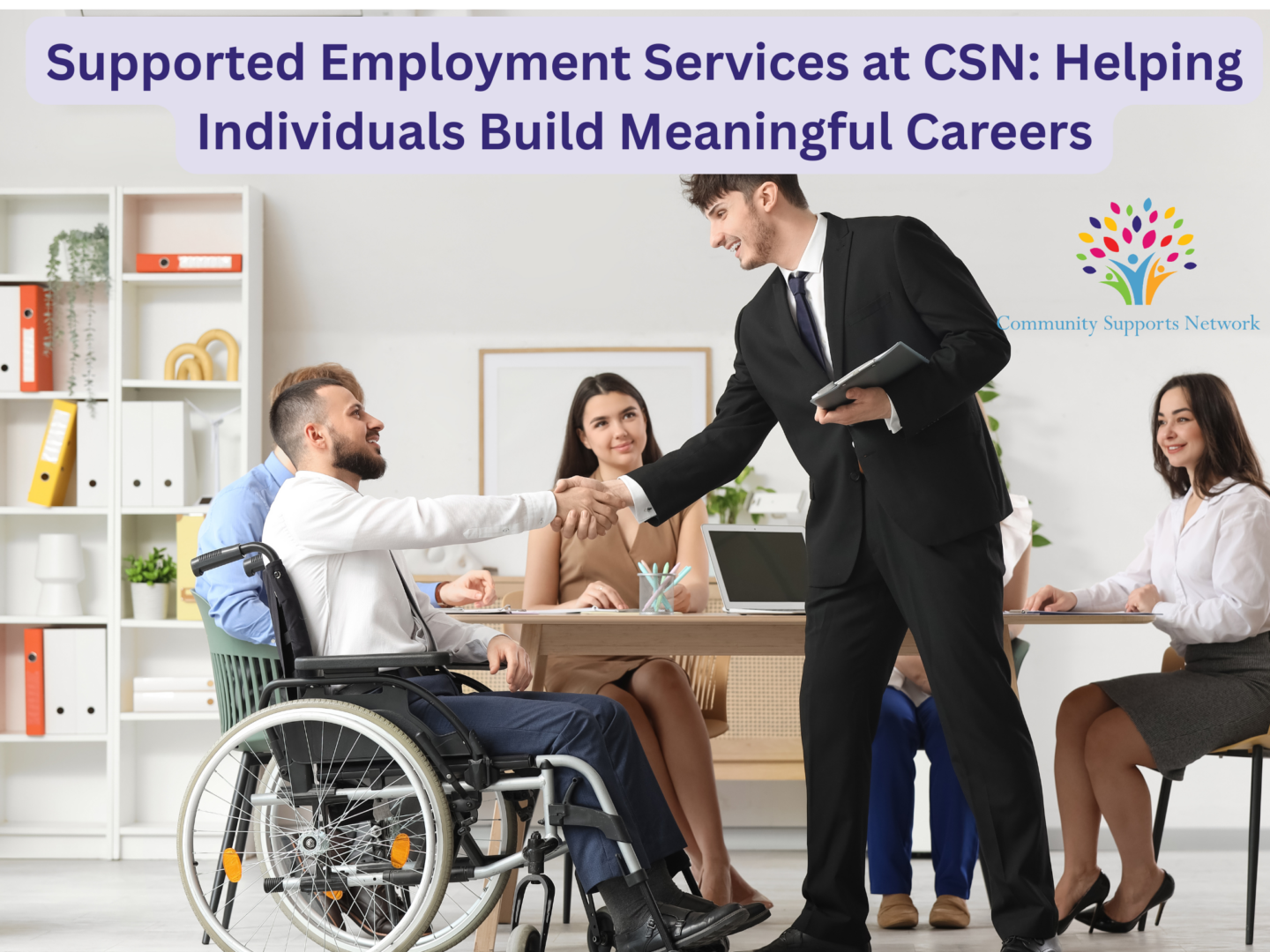
    Image of people working together.  This is what we do as part of our Supported Employment services.

    Finding the right job is about more than earning a paycheck — it’s about purpose, confidence, independence, and belonging. At Community Supports Network (CSN), our Supported Employment Services are designed to help individuals with disabilities discover meaningful work that aligns with their strengths, interests, and long-term goals.

    Whether someone is entering the workforce for the first time or returning after time away, CSN provides personalized support every step of the way.

    A Trusted Employment Partner in New Jersey

    CSN is an approved vendor with:

    • DDD (Division of Developmental Disabilities)
    • DVRS (Division of Vocational Rehabilitation Services)

    Since 2015, we have made hundreds of successful job placements across New Jersey by working closely with:

    • Support Coordinators
    • Vocational Counselors
    • Families
    • Employers
    • Community partners

    This collaborative approach ensures that everyone receives coordinated, person-centered support throughout their employment journey.

    Our Employment Specialists: Experience That Makes a Difference

    Our Employment Specialists come from diverse professional backgrounds and bring years of real-world experience to their work. They are trained professionals who understand that successful employment starts with understanding the individual.

    We focus on:

    • Identifying personal interests and passions
    • Assessing skills and strengths
    • Understanding support needs
    • Matching individuals with the right work environment
    • Providing on-the-job coaching and long-term support when needed

    Our team includes Certified Job Coaches trained through the Elizabeth M. Boggs Center at Rutgers University, and our specialists are members of APSE (Association of People Supporting Employment First) — ensuring our services reflect best practices in inclusive employment. We are also a CARF accredited agency for employment services.

    Real Jobs, Real Careers

    We believe individuals with disabilities belong in every industry — and our placement history reflects that belief.

    Some of the roles CSN has successfully supported include:

    • Graphic Designers
    • IT Specialists
    • Supervisory Staff
    • Sales Associates
    • Inventory & Warehouse Professionals
    • Medical Technicians
    • Dispatchers
    • Bakers & Sous Chefs
    • Photographers
    • Landscape Management Professionals
    • Content Creators
    • Child Care Aides
    • Journalists

    And many more.

    Every placement is tailored — not forced — because meaningful employment happens when interests and opportunity meet.

    Why Now Is the Right Time for Supported Employment

    New Jersey currently has:

    • One of the lowest unemployment rates in years
    • A minimum wage of $15.92 per hour which exceeds the Federal Minimum Wage
    • Expanded access to employment support programs

    These conditions make now an ideal time for individuals with disabilities to explore employment opportunities with the right support in place.

    Understanding the NJ WorkAbility Program

    Since February 2024, the NJ WorkAbility Program has expanded eligibility to individuals age 16 and older with a disability determination.

    This program allows individuals who receive full Medicaid benefits to:

    • Work
    • Earn income
    • Build savings
    • Maintain Medicaid coverage

    — even if their income or assets would normally make them ineligible.

    This removes one of the biggest barriers to employment and makes long-term financial independence more attainable.

    CSN helps individuals and families understand how WorkAbility works alongside supported employment services.

    Our Commitment

    At CSN, supported employment is not just about job placement — it’s about:

    • Building confidence
    • Strengthening independence
    • Creating stability
    • Promoting inclusion
    • Supporting long-term success

    We are proud to walk alongside individuals as they grow, contribute, and thrive in their communities.

  • Why Routine Matters So Much

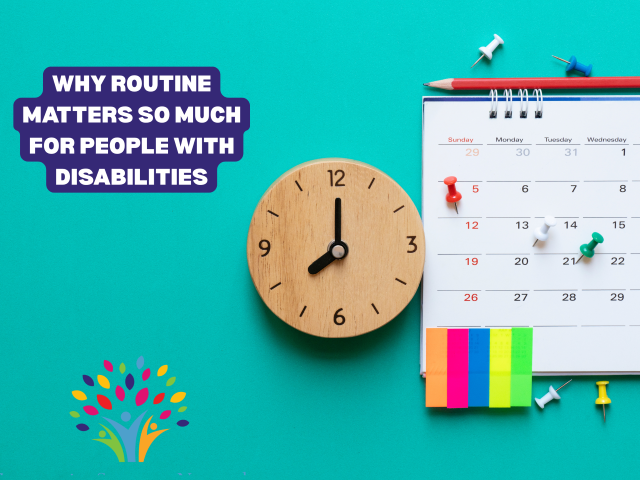
    Artwork displaying a clock and a calendar along with our CSN company logo and the words "why routine matters so much for people with disabilities" which we work on every day with our clients.

    For many individuals with disabilities, routine isn’t just helpful — it’s comforting.

    Knowing what the day will look like can bring a sense of calm, safety, and confidence. When things feel predictable, it’s easier to relax, focus, and manage emotions.

    At Community Supports Network (CSN), we see every day how simple routines can make a big difference in how individuals feel and function.

    Routine Helps People Feel Safe

    Imagine not knowing what’s coming next — where you’re going, who you’ll see, or what’s expected of you. That kind of uncertainty can feel stressful for anyone.

    For individuals with disabilities, that stress can show up as:

    • Anxiety
    • Frustration
    • Shutdowns
    • Trouble focusing
    • Big emotional reactions

    Routines help remove some of that worry. When people know what to expect, their bodies and minds can relax.

    Routine Helps with Big Feelings

    When the day has structure, emotions are often easier to manage.

    Simple things like:

    • Waking up at the same time
    • Eating meals at regular times
    • Knowing when activities start and end
    • Having familiar transitions

    can help individuals feel more in control.

    That feeling of control supports emotional regulation — in other words, handling feelings in a healthier, calmer way.

    Routine Builds Confidence

    Doing the same steps each day helps people learn and grow.

    Over time, routines help individuals:

    • Remember what comes next
    • Practice skills
    • Make choices
    • Feel proud of what they can do
    • Trust themselves more

    Even small successes add up and build confidence.

    What a Good Routine Looks Like

    A supportive routine should be:

    • Predictable
    • Flexible when needed
    • Easy to understand
    • Built around the individual’s preferences
    • Balanced with activity and rest

    Routine should never feel strict or controlling. It should feel supportive.

    Simple Ways to Support Routine

    DSPs and caregivers can help by:

    • Keeping wake-up and bedtime consistent
    • Using visual schedules or calendars
    • Talking about changes ahead of time
    • Keeping meals and daily activities at similar times
    • Offering choices within the routine
    • Bringing structure back slowly after breaks or holidays

    Small steps go a long way.

    When Routines Change

    Life happens. Schedules shift. People get sick. Weather changes plans.

    When routines are disrupted, it helps to:

    • Keep familiar parts of the day the same
    • Explain changes clearly
    • Be patient
    • Offer reassurance
    • Validate feelings

    Returning to routine gently can help emotions settle again.

    Our Approach at CSN

    At CSN, we believe routines should support the whole person — not just keep the day moving.

    We focus on routines that respect:

    • Individual needs
    • Sensory preferences
    • Communication styles
    • Goals
    • Comfort

    When routines are built with care, people feel more secure, capable, and supported.

    Final Thoughts

    Routine isn’t about control.

    It’s about creating a day that feels safe, manageable, and empowering.

    At Community Supports Network, we’re proud to help individuals build daily rhythms that support emotional well-being, independence, and confidence — one day at a time.

    Editor’s Note: If you would like to learn more about how we help our clients build independence and confidence, please see our page for individual supports.

  • Why Employment Is About More Than a Paycheck

    Image of a young adult at his job site smiling happily because he is well supported on the job.  This is what we do at CSN supporting our clients every day.  The caption in this image embodies that with the words "how meaningful work supports independence, confidence, and belonging for individuals with disabilities".

    How meaningful work supports independence, confidence, and belonging for individuals with disabilities

    Employment is often measured in hours worked and wages earned. But for individuals with disabilities, meaningful employment represents something far greater: purpose, independence, connection, and self-worth.

    At Community Supports Network (CSN), we believe employment is not just a service—it is a pathway to dignity and inclusion. When individuals are supported in finding and maintaining meaningful work, the impact reaches far beyond a paycheck.

    Building Confidence and Identity

    Work helps individuals develop a sense of identity outside of their role as a client or program participant.

    Through supported employment, individuals can:

    • Discover their strengths and interests
    • Feel proud of their contributions
    • Build self-esteem
    • Develop personal goals
    • Experience the satisfaction of being needed

    Being recognized as a coworker and contributor reinforces the message: You belong here.

    Strengthening Independence and Life Skills

    Employment naturally supports skill development, including:

    • Time management
    • Communication
    • Problem-solving
    • Following routines
    • Money management
    • Transportation skills

    These abilities carry over into everyday life, increasing confidence and autonomy beyond the workplace.

    Creating Social Connection

    Workplaces offer valuable opportunities for social interaction and relationship-building.

    For many individuals, employment becomes a space to:

    • Practice communication
    • Build friendships
    • Learn teamwork
    • Feel part of a community

    These connections reduce isolation and foster emotional well-being.

    Changing Perceptions Through Inclusion

    Inclusive employment benefits not only individuals—but entire communities.

    When businesses embrace inclusive hiring, they:

    • Challenge stereotypes
    • Build diverse, compassionate teams
    • Increase understanding and acceptance
    • Strengthen community ties

    Visibility in the workforce helps normalize disability and highlight capability.

    The Role of Support in Employment Success

    Meaningful employment does not happen without thoughtful support.

    At CSN, we assist individuals by:

    • Identifying strengths and preferences
    • Supporting job readiness and training
    • Providing on-the-job coaching when needed
    • Collaborating with employers
    • Adjusting supports as individuals grow

    Person-centered employment support ensures that work is empowering—not overwhelming.

    A Long-Term Investment in Quality of Life

    Employment contributes to:

    • Greater independence
    • Improved mental health
    • Higher self-confidence
    • Financial empowerment
    • Stronger community integration

    These outcomes shape long-term well-being and opportunity.

    Looking Ahead

    Employment is more than a paycheck. It is about dignity, purpose, and the right to participate fully in community life.

    At Community Supports Network, we remain committed to creating pathways to meaningful work—so every individual has the opportunity to grow, contribute, and thrive.

  • Winter Wellness for Individuals With Disabilities

    Photo of a wintry snow-covered landscape, with our company logo and name at the bottom left corner of the image.  The scene in this image is illustrative of the topic of this post regarding the cold winter season when we work hard to ensure wellness of all the individuals with disabilities that we support.

    Supporting physical health, emotional well-being, sensory comfort, and routine stability during colder months

    Winter can bring a unique set of challenges for individuals with disabilities. Shorter days, colder temperatures, disrupted routines, and increased time indoors can affect physical health, emotional regulation, sensory comfort, and overall well-being.

    At Community Supports Network (CSN), we believe wellness is more than avoiding illness—it’s about supporting the whole person. With thoughtful planning and person-centered strategies, DSPs, caregivers, and families can help individuals feel safe, comfortable, and empowered throughout the winter season.

    Key areas to focus on when supporting winter wellness

    1. Supporting Physical Health

    Cold and flu season, reduced activity levels, and limited outdoor time can impact physical health during winter months.

    Helpful strategies include:

    • Encouraging regular handwashing and healthy hygiene routines
    • Supporting proper hydration (even when thirst cues are lower in cold weather)
    • Maintaining balanced, nutritious meals
    • Supporting medication schedules and routine health appointments
    • Encouraging gentle movement and physical activity indoors

    Even small amounts of daily movement—stretching, walking indoors, or light exercises—can support circulation, energy levels, and mood.


    2. Prioritizing Mental & Emotional Well-Being

    Seasonal changes can affect emotional regulation and mental health. Individuals may experience increased anxiety, fatigue, sadness, or irritability as routines shift and daylight decreases.

    Ways to provide emotional support:

    • Maintain consistent daily check-ins
    • Validate feelings (“It’s okay to feel tired or frustrated today.”)
    • Offer reassurance during changes in routine
    • Encourage preferred activities that bring comfort or joy
    • Watch for changes in behavior that may signal distress

    Emotional support helps build trust, safety, and resilience—especially during unpredictable seasons.


    3. Creating Sensory Comfort

    Winter environments often come with heavier clothing, indoor heating, reduced daylight, and more crowded indoor spaces—all of which can affect sensory processing.

    Consider offering:

    • Soft or preferred clothing layers
    • Weighted blankets or compression items
    • Noise-reducing headphones
    • Adjustable lighting or access to natural light
    • Quiet spaces for breaks
    • Familiar sensory tools or routines

    Meeting sensory needs proactively can reduce overstimulation and support emotional regulation.


    4. Maintaining Routine Stability

    Weather disruptions, holidays, and shorter days can interrupt established routines, which may feel unsettling for many individuals.

    Helpful approaches include:

    • Using visual schedules or calendars
    • Previewing changes in advance
    • Keeping consistent wake-up, mealtime, and bedtime routines
    • Gradually reintroducing structure after disruptions
    • Offering predictable daily “anchor points”

    Structure provides security and helps individuals feel more in control of their environment.


    5. Supporting DSPs and Caregivers Too

    Wellness extends to the people providing support. Winter can be demanding for DSPs and caregivers balancing increased needs, staffing challenges, and their own seasonal stress.

    At CSN, we recognize that supporting staff well-being strengthens the care individuals receive. Encouraging rest, communication, teamwork, and access to resources benefits everyone involved.


    Looking Ahead

    Winter may bring challenges, but it also offers opportunities to deepen connection, strengthen routines, and practice compassion.

    By supporting physical health, emotional wellness, sensory comfort, and routine stability, DSPs and caregivers help individuals navigate the season with dignity, confidence, and care.

    At Community Supports Network, we remain committed to providing person-centered support — every season of the year.

  • Easing Back Into Routine: Supporting Individuals After the Holidays

    Image showing wooden cubes with one digit in each, showing year number 2025 changing to 2026, which means that the holidays have ended.  This relates to our topic in this blog post, which is about getting back into a routine while supporting individuals with special needs.

    The weeks following the holidays often bring big transitions for individuals with disabilities. After days filled with celebrations, family gatherings, new environments, and unpredictable schedules, getting back into everyday routines can feel both comforting and overwhelming. For many, this shift requires patience, reassurance, and thoughtful, person-centered support. At Community Supports Network (CSN), we understand that transitions—especially seasonal ones—can impact emotional regulation, sensory needs, and daily functioning. By approaching this time with intention, DSPs, caregivers, and families can help individuals feel grounded and confident as they re-enter familiar rhythms after the holidays.

    How To Easily Get Back into Routine

    Maintain Predictable Daily Touchpoints

    Even if full routines are still settling back into place, keeping consistent anchors can help individuals feel secure. Simple touchpoints like morning greetings, predictable mealtimes, or shared evening activities provide stability when everything else feels like it’s changing.

    Offer Gentle Sensory Support

    Holiday environments are often loud, crowded, and highly stimulating. As individuals transition back to typical days, sensory needs may be heightened. Quiet spaces, soft lighting, weighted blankets, noise-reducing headphones, or familiar sensory items can help the nervous system settle.

    Reintroduce Structure Gradually

    Instead of jumping immediately into a full schedule, consider easing back with visual schedules, shorter periods of activity, planned rest breaks, and previewing what’s next. Gradual structure helps individuals regain confidence in routines without feeling rushed or overwhelmed.

    Validate Feelings and Normalize Transitions

    It’s normal for individuals to feel tired, anxious, excited, or unsure at the start of a new year. Acknowledging these feelings—“It’s okay that things feel different today”—can provide powerful emotional support. Validation strengthens self-regulation and builds trust during moments of change.

    Reconnect Through Choice and Engagement

    Offer opportunities for individuals to choose activities they enjoy or revisit favorite routines. Whether it’s listening to music, cooking, visiting the community, or working on a familiar skill, positive engagement helps reestablish a sense of normalcy and independence.

    Prepare for Upcoming Schedules

    Previewing the upcoming week, updating visual calendars, and discussing upcoming activities can help individuals feel ready and informed. For those who rely on predictability, this preparation reduces anxiety and sets the tone for a smooth transition.

    Looking Ahead

    The return to routine after the holidays is an important moment of reconnection—an opportunity to create comfort, rebuild stability, and support individuals at their own pace. By approaching this transition with empathy and person-centered strategies, DSPs and caregivers help individuals begin the new year feeling supported, understood, and ready for what’s ahead.

    Editor’s Note: Like the advice and tips in this post? Click here to find more posts like this!

  • Community Supports Network Earns Prestigious Three-Year CARF Accreditation

    Image of CARF accreditation badge celebrating the announcement of Community Supports Network (CSN) having achieved 3-year CARF certification for supported employment services.

    Community Supports Network, LLC (CSN) is proud to announce that it has earned a Three-Year Accreditation from CARF International for supported employment services, the highest level of accreditation awarded by the leading global nonprofit accreditor of health and human services.

    This achievement recognizes CSN’s exceptional commitment to person-centered support, organizational excellence, and high-quality outcomes for individuals with disabilities across New Jersey.

    The independent survey conducted in October 2025 highlighted significant strengths across leadership, service delivery, staff culture, and community impact. Surveyors praised CSN as:

    • “Professional, responsive, and deeply person-centered.”
    • “A preferred and trusted referral destination among its partners.”
    • “A model for the field, demonstrating strong leadership and exceptional staff retention.”
    • “An organization whose staff members are ‘the best of the best.’”

    CARF’s report emphasized CSN’s deeply embedded person-centered philosophy, noting that:

    • “Persons served are the true center of the organization’s mission.”
    • “Leadership models integrity, accessibility, and a strong commitment to accountability.”
    • “The organization’s mission and values are evident in the day-to-day delivery of services.”

    Surveyors also recognized CSN’s strategic planning efforts, strong financial stewardship, and robust culture of safety, well-being, and continuous quality improvement.

    Dedicated Staff, Life-Changing Support

    CARF praised CSN staff for their compassion, skill, and dedication:

    • “Staff members demonstrate professionalism, competence, and genuine care.”
    • “Persons served reported that staff members are the best of the best.”
    • “Staff contribute meaningfully to the independence and personal outcomes of the individuals they support.”

    This high level of staff engagement and satisfaction reflects CSN’s long-standing commitment to competitive compensation, career growth opportunities, and supportive work environments.

    A Milestone for the CSN Community

    “This accreditation is a powerful testament to our team’s dedication and to the life-changing impact CSN services have on individuals and families,” says Ted Mayer, CEO. “We are deeply proud of this achievement and grateful for every staff member, partner, and family who contributes to our mission.”

    CARF accreditation signifies that CSN meets rigorous international standards for quality, accountability, and continuous improvement. It reinforces the organization’s role as a trusted leader in community-based disability services.

    About CARF

    CARF is an independent, nonprofit accreditor of health and human services, widely recognized as the gold standard of quality and accountability for more than 50 years. Earning a CARF accreditation signals an organization’s commitment to excellence, person-centered care, and ongoing improvement.

    About Community Supports Network (CSN)

    Community Supports Network provides high-quality, person-centered supports for individuals with intellectual and developmental disabilities across New Jersey. Through community-based employment supports, job development services, and individualized programs, CSN empowers individuals to build skills, increase independence, and achieve their personal goals.

  • Goal Setting the Person-Centered Way: Supporting Individuals in 2026

    Photo looking down a road with the sun rising in the background, with our company logo at the top and the word goals in large font below.  This headlines our blog post about person-centered goals for supporting our individual clients in 2026 and beyond.

    As we welcome a new year, many people begin setting goals, resolutions, or intentions for the months ahead. For individuals with disabilities, this season provides a meaningful opportunity to explore what matters to them — not just what others expect. At Community Supports Network (CSN), we believe that goal setting should always be person-centered, empowering, and rooted in each individual’s strengths, preferences, and vision for their own life.
    Rather than focusing on resolutions that fade by February, person-centered goals help individuals build skills, confidence, and purpose throughout the entire year. These goals can be small or big, simple or ambitious — what matters most is that the individual has ownership of the process. Below are ways DSPs, families, and caregivers can help support meaningful goal setting in 2026.

    Tips for Person-Centered Goal Setting

    1. Start With What the Individual Enjoys

    The most successful goals grow from genuine interests. Ask open-ended questions or offer choices: “What would you like to do more of this year?” “What makes you happy or excited?” “Is there something new you want to try?” Interests often lead naturally to skill-building opportunities — whether it’s cooking, community outings, fitness, or creative expression.

    2. Break Goals Into Achievable Steps

    Large goals can feel overwhelming. Breaking them into small, manageable steps helps individuals experience success and stay motivated. For example: Instead of “make more meals independently,” start with choosing a recipe, gathering ingredients, practicing one skill at a time (measuring, mixing, etc.). Each step is progress worth celebrating.

    3. Use Visuals and Supports to Clarify the Path

    Visual schedules, checklists, and simple planning tools help individuals understand what a goal looks like in action. Communication supports such as AAC, picture cards, or written prompts ensure everyone can participate meaningfully in the process.

    4. Celebrate Progress — Not Just Outcomes

    Every skill gained, step completed, or moment of independence matters. Celebrating small wins builds confidence, motivation, trust, and long-term success. Recognition doesn’t need to be elaborate — a high-five, a note, or a shared moment of reflection can make a big impact.

    5. Revisit and Adjust Throughout the Year

    Person-centered goals evolve. Interests may change, routines shift, or new opportunities arise. Support teams should feel comfortable revisiting and modifying goals to keep them relevant and meaningful. Checking in regularly ensures goals remain achievable, aligned with the individual’s preferences, and supportive of daily growth.

    6. Make the Process Collaborative and Empowering

    The strongest goals come from partnership. DSPs, guardians, families, and the individuals themselves all play a role — but the individual should remain at the center. Ask for feedback. Encourage choices. Support self-advocacy. Person-centered planning is not about telling someone what they should do — it’s about helping them discover what they want to do.

    Looking Ahead to 2026

    As we step into a new year, person-centered goal setting offers a meaningful pathway toward independence, learning, and fulfillment. Whether someone aims to build daily living skills, connect more with their community, strengthen communication, or explore new interests, each goal is an opportunity for growth. At CSN, we remain committed to empowering individuals to define their own versions of success — and supporting them every step of the way.

    Looking for More Resources?

    CSN is here to support individuals, families, and care teams with person-centered tools and programs designed to promote independence and meaningful daily living.
    Explore more of our services and resources on our website.

Serving Morris, Passaic, Bergen, Essex, Hudson, Union, Warren, Somerset, Hunterdon & Sussex Counties