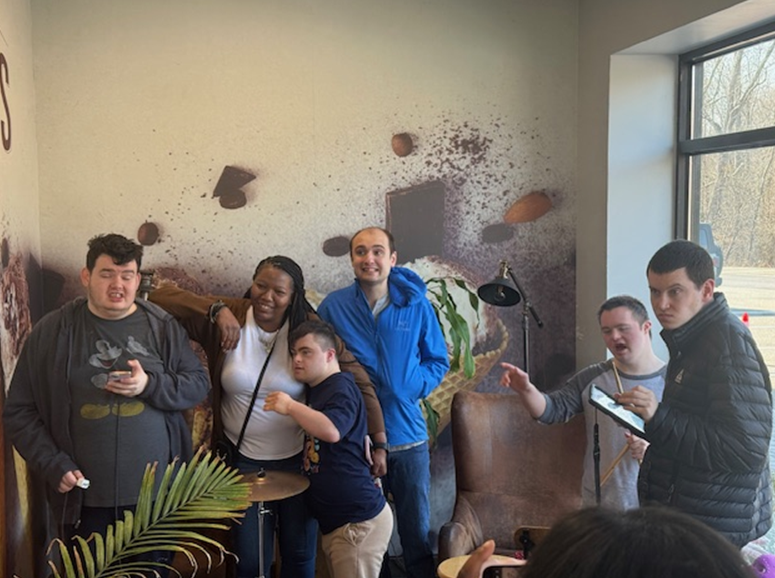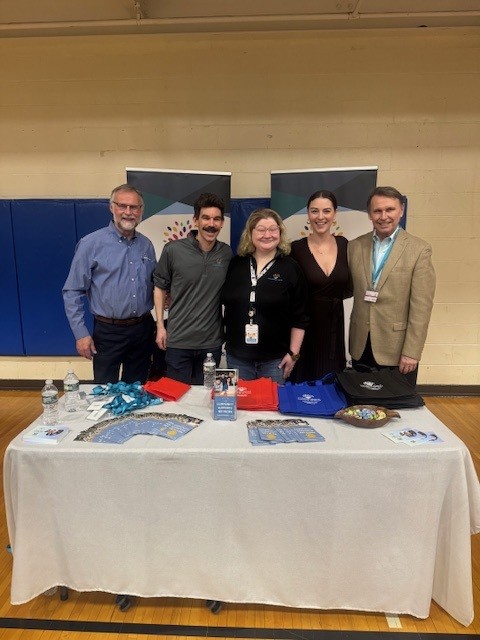
This past weekend, Community Supports Network (CSN) had the pleasure of participating in a wonderful community event at the Wayne Community Center—and what an incredible day it was.
From the moment the doors opened, the space was filled with energy, connection, and a shared commitment to inclusion. Families, caregivers, professionals, and community members came together to learn more about available resources, connect with local organizations, and celebrate the strength and diversity of the disability community.
A Day Centered on Connection
One of the most meaningful parts of the event was the opportunity to connect face-to-face with so many families. We had the chance to listen to personal stories, answer questions, and provide guidance on navigating services and supports.
Whether it was a parent looking for resources for their child, a caregiver seeking community, or a professional wanting to collaborate, every conversation reinforced why events like this matter so much.
Sharing Resources That Make a Difference
At CSN, we are committed to ensuring individuals with disabilities and their families have access to the tools and support they need to thrive.
Throughout the day, our team shared information about:
Residential and community-based supports
Day and employment programs
Individualized services tailored to each person’s goals
Resources for families navigating the system
It was inspiring to see how eager attendees were to learn, ask questions, and explore new opportunities for support.
Celebrating Inclusion in Action
Events like this are a powerful reminder that inclusion isn’t just an idea—it’s something we actively build together.
Seeing so many organizations, families, and advocates in one place highlighted the importance of collaboration and community partnership. When we come together, we create stronger, more inclusive environments where everyone has the opportunity to belong and succeed.
Thank You to Our Community
We are so grateful to everyone who stopped by our table, shared their stories, and spent time with our team. Your openness, trust, and engagement mean everything to us.
A special thank you to the organizers of the Wayne Community Center event for creating such a welcoming and impactful space for our community.
Looking Ahead
At CSN, our work doesn’t stop when the event ends.
We are excited to continue building relationships, supporting families, and expanding access to inclusive services throughout our community. If you connected with us at the event—or if you’re just learning about CSN—we invite you to stay in touch, explore our services, and join us in creating a more inclusive future.
Every March, Developmental Disabilities Awareness Month invites us to reflect on an important question: What does inclusion really look like in everyday life?
While awareness campaigns and advocacy efforts help bring attention to the disability community, true inclusion happens in the small, everyday moments. It’s present when individuals with disabilities are welcomed, supported, and valued as active members of their communities.
At Community Supports Network (CSN), we believe inclusion is not just an idea—it’s something we can all help create.
Moving Beyond Awareness
Awareness is an important first step. It helps people understand the experiences, challenges, and strengths of individuals with developmental disabilities.
But meaningful change happens when awareness turns into action.
Inclusion means ensuring individuals with disabilities have the same opportunities as everyone else to:
Build friendships and social connections
Participate in community events and activities
Pursue meaningful employment
Live independently with the supports they need
Share their talents and contributions with others
When communities focus on inclusion, everyone benefits.
The Role of Support Services
Support services play a vital role in helping individuals with disabilities lead fulfilling and independent lives.
Organizations like Community Supports Network work alongside individuals and families to provide personalized services that support independence, growth, and community connection.
Creating inclusive communities does not require large policy changes or complicated systems. Often, it begins with simple actions that make people feel welcomed and valued.
Here are a few ways individuals and communities can help foster inclusion.
Be open to connection.
Take the time to get to know people in your community and recognize the value of diverse experiences.
Support inclusive opportunities.
Encourage businesses, organizations, and schools to create accessible environments where everyone can participate.
Celebrate differences.
Disability is part of human diversity. When we celebrate different abilities, perspectives, and experiences, we strengthen our communities.
Listen and learn.
One of the most important parts of advocacy is listening to the voices of individuals with disabilities and respecting their perspectives.
Looking Ahead
Inclusion is not something that happens once a year. It is something we build every day through awareness, advocacy, and action.
At Community Supports Network, we are proud to support individuals with developmental disabilities as they pursue their goals and live meaningful lives within their communities.
Together, we can continue creating communities where everyone feels valued, supported, and included.
Advocacy plays a powerful role in improving the lives of individuals with disabilities. While large policy changes and national awareness campaigns often receive the spotlight, some of the most meaningful advocacy happens in everyday moments—when families speak up, ask questions, and work to ensure their loved ones have access to the opportunities and support they deserve.
At Community Supports Network (CSN), we believe families are some of the most important advocates in the disability community. Whether advocating in schools, healthcare settings, workplaces, or local communities, families help create pathways for greater inclusion and understanding.
What Advocacy Really Means
Advocacy is simply the act of supporting and speaking up for the rights, needs, and well-being of an individual. For families of individuals with disabilities, advocacy can take many forms, including:
Ensuring appropriate educational supports and services
Promoting accessibility and inclusion in community spaces
Helping individuals access resources and support programs
Encouraging independence and self-advocacy skills
Advocacy does not always mean confronting a problem. Often, it involves collaboration, communication, and education.
Everyday Advocacy Makes a Difference
Many families are already advocating for their loved ones in ways they may not even realize. Everyday advocacy can include:
Asking questions about services or supports
Sharing information with teachers, caregivers, or service providers
Encouraging inclusive opportunities in schools and community programs
Helping others better understand disability and inclusion
These small actions help create environments where individuals with disabilities are respected, supported, and valued.
Supporting Self-Advocacy
One of the most powerful forms of advocacy is helping individuals learn to advocate for themselves. Self-advocacy allows individuals with disabilities to express their needs, preferences, and goals.
Families can encourage self-advocacy by:
Involving individuals in decision-making
Encouraging them to express their opinions and preferences
Teaching them about their rights and available resources
Supporting opportunities to build independence
Over time, these experiences help individuals gain confidence and strengthen their voice.
Advocacy in the Community
Advocacy also plays an important role in building more inclusive communities. Families can help raise awareness and promote inclusion by:
Participating in community events and advocacy initiatives
Supporting disability organizations and programs
Sharing personal stories and experiences
Encouraging businesses and organizations to adopt inclusive practices
These efforts help create a culture where individuals with disabilities are welcomed and supported in every aspect of community life.
How Community Supports Network Helps
At Community Supports Network, we work alongside individuals and families to promote independence, opportunity, and inclusion. Through personalized services, community engagement, and dedicated support professionals, CSN helps individuals build the skills and confidence they need to thrive.
Advocacy is not a single moment—it is an ongoing commitment to ensuring that individuals with disabilities have access to meaningful opportunities and a voice in their communities.
When families, organizations, and communities work together, we can continue building a more inclusive future for everyone.
Advocacy plays a critical role in advancing inclusion, accessibility, and opportunity for individuals with disabilities. While advocacy happens year-round, certain moments throughout the year help shine a brighter spotlight on the issues, achievements, and voices within the disability community.
March is one of those months.
With several important advocacy days and awareness campaigns, March offers an opportunity to learn, celebrate progress, and take meaningful steps toward more inclusive communities.
At Community Supports Network (CSN), we believe awareness is most powerful when it leads to action. Throughout the month, these advocacy observances remind us that individuals, families, professionals, and community partners all play a role in building a more inclusive world.
Developmental Disabilities Awareness Month
Each March, Developmental Disabilities Awareness Month highlights the importance of inclusion and the many contributions individuals with developmental disabilities make to their communities.
The month was first recognized in 1987, when President Ronald Reagan called for greater awareness and understanding of the abilities and potential of people with developmental disabilities. Since then, however, the focus has expanded beyond awareness alone to emphasize something even more important: meaningful inclusion.
Today, Developmental Disabilities Awareness Month encourages communities to recognize that individuals with developmental disabilities are not defined by limitations. Instead, they are employees, neighbors, friends, leaders, and advocates who contribute to their communities in meaningful ways.
For organizations like CSN, this month reinforces the importance of person-centered services that empower individuals to pursue independence, employment, and community involvement.
World Down Syndrome Day — March 21
World Down Syndrome Day is celebrated globally on March 21. The date (3/21) represents the triplication of the 21st chromosome, which causes Down syndrome.
On this day, individuals and organizations around the world raise awareness, promote inclusion, and advocate for equal opportunities for people with Down syndrome.
For example, one of the most recognizable traditions associated with World Down Syndrome Day is the “Lots of Socks” campaign. People wear bright or mismatched socks to spark conversations about acceptance and inclusion.
Beyond symbolic gestures, the day also highlights the importance of access to education, employment opportunities, healthcare, and community participation for individuals with Down syndrome.
National Cerebral Palsy Awareness Day — March 25
National Cerebral Palsy Awareness Day takes place on March 25 and aims to increase visibility and understanding of cerebral palsy, the most common motor disability in childhood.
This day encourages education about the experiences of individuals with cerebral palsy. In addition, it promotes advocacy for improved accessibility, services, and resources.
While every individual’s experience with cerebral palsy is unique, advocacy efforts focus on ensuring people with CP have equitable opportunities to participate in education, employment, recreation, and community life.
As awareness grows, communities can work toward creating environments where accessibility and inclusion are the standard rather than the exception.
International Women’s Day — March 8
International Women’s Day, observed on March 8, celebrates the achievements and leadership of women around the world. In addition, it highlights ongoing efforts to advance equity and opportunity across communities.
Within the disability community, this day also provides an opportunity to recognize the experiences and contributions of women with disabilities. At the same time, it acknowledges the many women who play vital roles in disability services as advocates, caregivers, support professionals, and leaders.
Furthermore, recognizing these contributions helps bring attention to important issues such as accessibility, healthcare equity, employment opportunities, and representation for women with disabilities.
Finally, International Women’s Day also offers a moment to celebrate the countless women working in disability services who dedicate their careers to supporting independence, dignity, and community inclusion.
Turning Awareness Into Action
Awareness days are important. However, their true value comes from the conversations and actions they inspire.
Advocacy does not only happen at the policy level. Instead, it can take place in everyday moments — in classrooms, workplaces, neighborhoods, and communities.
There are many ways individuals and organizations can get involved:
• Learn more about disability rights and inclusion • Attend or support local advocacy events • Share stories and educational resources • Encourage inclusive hiring practices in workplaces • Support organizations that promote accessibility • Amplify the voices of individuals with disabilities
Ultimately, the advocacy days throughout March serve as a reminder that inclusion is not a one-time initiative. Rather, it is an ongoing commitment.
By continuing to learn, listen, and advocate together, we can help create communities where individuals of all abilities have the opportunity to thrive.
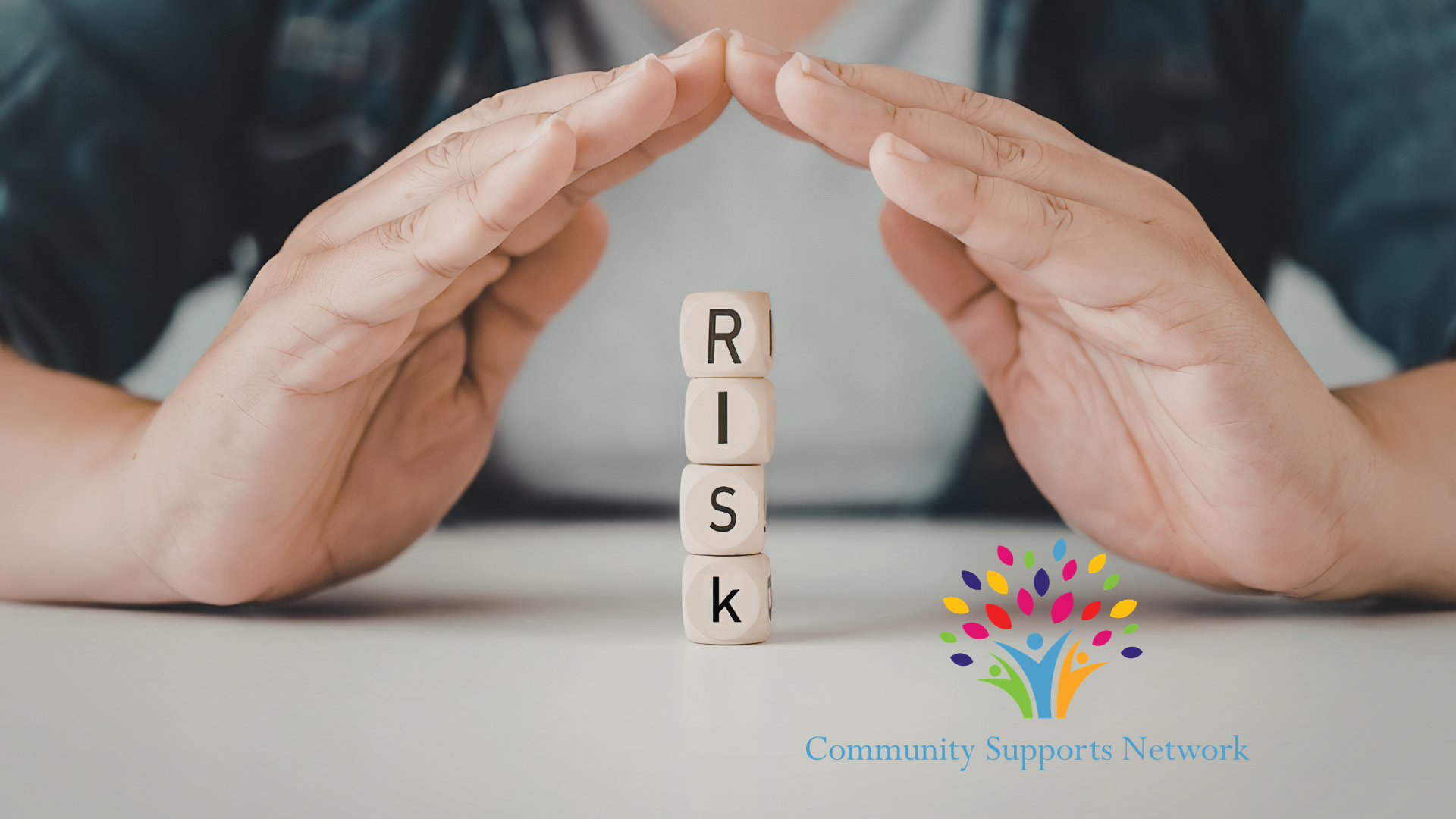
One of the most important — and often misunderstood — principles in person-centered support is the concept of the dignity of risk.
At its core, dignity of risk recognizes that every person has the right to make choices, take reasonable risks, and learn through experience — even if those experiences include the possibility of failure.
Because risk is part of being human.
What Is the Dignity of Risk?
The dignity of risk is the idea that individuals with disabilities have the same right as anyone else to:
• Try new things • Make personal decisions • Pursue goals that matter to them • Learn from mistakes • Experience independence
Historically, disability systems often prioritized protection above all else. While safety remains critical, overprotection can unintentionally limit autonomy, confidence, and personal growth.
Person-centered services require balance.
Safety vs. Control
There is an important difference between protecting someone and controlling them.
Support professionals must assess real risks — health, safety, environmental factors — while also asking:
• Is this restriction necessary? • Is there a way to support this choice safely? • Are we honoring the individual’s preferences?
For example:
An individual may want to travel independently to work. Someone may want to try a new job outside their comfort zone. A person may choose to manage their own spending with guidance rather than full oversight.
Each of these scenarios carries some level of risk. But they also carry opportunity — for confidence, skill-building, and independence.
When support teams collaborate thoughtfully, risk becomes manageable rather than avoidable.
Why Risk Matters for Growth
Without risk, there is no progress.
Learning to advocate at work requires the possibility of rejection. Managing money requires the possibility of mistakes. Building relationships requires vulnerability.
Shielding individuals from all discomfort may feel protective, but it can also limit growth.
The dignity of risk affirms that individuals are capable — and that capability grows when people are trusted and supported.
The Role of Support Professionals
Embracing dignity of risk does not mean ignoring safety.
It means:
• Conducting thoughtful assessments • Creating clear support plans • Teaching skills proactively • Building natural supports • Monitoring outcomes • Adjusting strategies as needed
It means replacing “no” with “how.”
How can we make this safe? How can we prepare for this step? How can we support independence while managing risk responsibly?
When professionals approach decisions collaboratively — involving individuals and families — trust strengthens.
Why This Matters
At Community Supports Network, we believe person-centered support includes honoring autonomy.
Strong services do not eliminate risk entirely. They provide the structure, education, and guidance needed to navigate it safely.
Because independence is not the absence of risk.
It is the presence of opportunity.
And every individual deserves the opportunity to grow, choose, and build a life that reflects their own goals — with the right supports in place.
When families choose a disability service provider, they are placing enormous trust in the hands of that organization.
They are trusting that staff will communicate respectfully. That safety will be prioritized. That goals will be supported with care and professionalism.
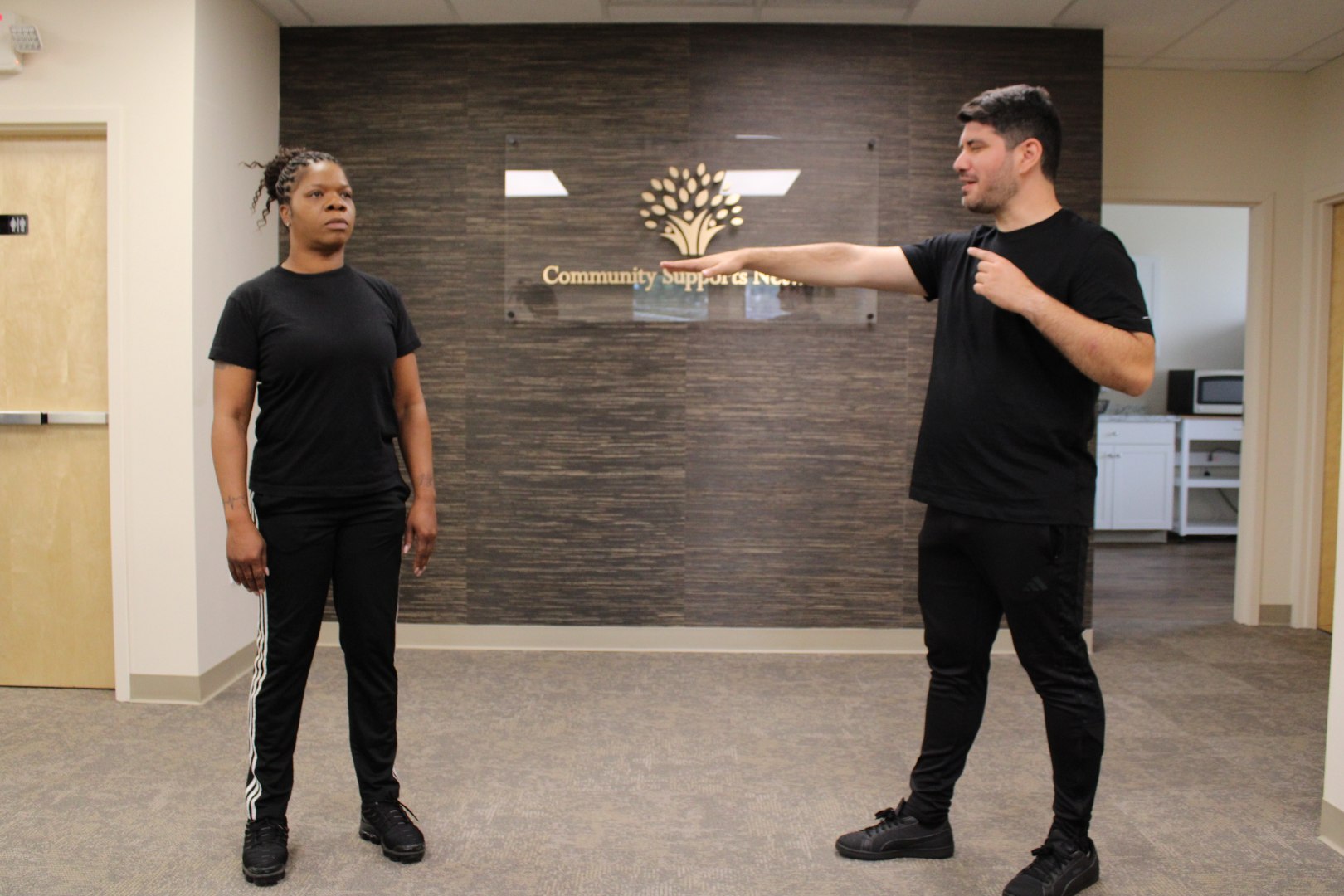
Behind every positive outcome in disability services is something that often goes unseen: ongoing staff training.
At Community Supports Network (CSN), training isn’t a one-time requirement. It’s a continuous investment in quality, safety, and person-centered care.
Disability Support Is Skilled Work
There is a common misconception that disability services are simply about supervision or basic assistance.
In reality, supporting individuals with disabilities requires skill, knowledge, adaptability, and emotional intelligence.
Support professionals must understand:
• Communication strategies across varying abilities • Positive behavior supports • Crisis prevention and de-escalation • Health and safety protocols • Documentation and compliance requirements • Cultural competency and inclusion
Effective support is not improvised – it is learned, practiced, and refined.
Training Protects Dignity and Safety
Well-trained staff are able to respond calmly in high-stress situations, identify early signs of distress, and adapt support strategies appropriately.
Training helps ensure that:
• Interactions are respectful and person-centered • Boundaries are honored • Individual preferences are prioritized • Risk is managed without limiting independence
When professionals understand both safety procedures and the dignity of risk, individuals are empowered — not controlled.
Ongoing Education Builds Better Outcomes
Disability services are not static. Best practices evolve. Policies change. Research grows. Community expectations shift.
Continuous training allows organizations to:
• Stay current with regulatory requirements • Strengthen communication practices • Improve employment support strategies • Enhance community inclusion efforts • Build leadership within support teams
When staff grow professionally, individuals benefit personally.
Training Strengthens Trust with Families
Families want to know that the people supporting their loved ones are competent, compassionate, and prepared.
Transparency about training requirements and ongoing professional development builds confidence. It signals that quality matters.
At CSN, we believe that strong training programs create strong support teams — and strong teams create meaningful outcomes.
Investing in People Who Invest in Others
Direct Support Professionals and Job Coaches play an essential role in building independence, employment success, and community belonging.
Investing in their growth is not optional. It is essential.
Because high-quality disability services don’t happen by chance.
They happen by design.
And that design begins with education, preparation, and a commitment to excellence.
EDITOR’S NOTE: Does this sound like something you would enjoy doing? We train our DSP’s to be able to do their best supporting our clients with special needs. If you are interested in joining our team as a DSP, please take a look at jobs listed on our DSP careers page.
Black History Month invites us to reflect on the resilience, leadership, and contributions of Black individuals throughout history. It is also a time to acknowledge stories that have too often been overlooked — including the experiences of Black individuals with disabilities.
The intersection of race and disability tells a powerful story about advocacy, inequity, resilience, and progress.
At Community Supports Network (CSN), we believe honoring history means recognizing the barriers that existed — and continue to exist — while committing to equity in the services we provide today.
A History of Overlooked Voices
Historically, both racial discrimination and disability discrimination have shaped access to education, employment, healthcare, and community inclusion.
Black individuals with disabilities have often faced compounded inequities:
Limited access to quality healthcare
Disproportionate placement in segregated education settings
Underdiagnosis or misdiagnosis of developmental disabilities
Reduced access to early intervention services
Barriers to culturally competent care
For decades, disability advocacy movements and civil rights movements ran on parallel tracks — but the voices at the intersection were not always centered.
And yet, Black leaders with disabilities have played powerful roles in shaping advocacy across both movements.
Leaders Who Shaped Change
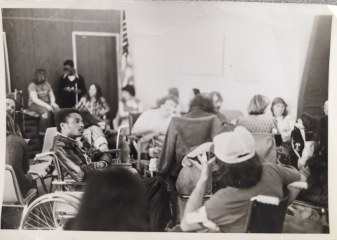
Brad Lomax
A member of the Black Panther Party and a disability rights activist, Lomax played a critical role in the historic 504 Sit-In of 1977, which led to enforcement of Section 504 of the Rehabilitation Act — a foundational civil rights protection for individuals with disabilities.
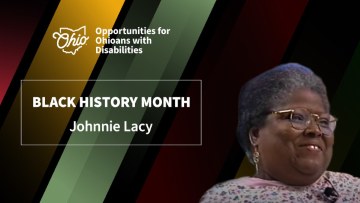
Johnnie Lacy
A leader in the Independent Living Movement, Lacy advocated for accessible housing and services while highlighting racial inequities within disability systems.
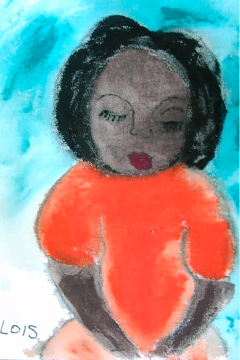
Lois Curtis
Curtis was one of the plaintiffs in the landmark Olmstead v. L.C. Supreme Court case, which affirmed the right of individuals with disabilities to live in community-based settings rather than institutions.
These leaders remind us that disability rights are civil rights — and that advocacy is strongest when it is inclusive.
Where We Are Today
Progress has been made, but disparities remain.
Research continues to show:
Black children are more likely to face disciplinary action in schools rather than receive appropriate disability supports.
Black adults with disabilities experience higher rates of unemployment.
Access to culturally responsive services remains inconsistent.
Understanding this history helps inform better practices today.
Moving Forward with Equity
At CSN, equity is not a seasonal conversation — it is an ongoing commitment.
Providing person-centered services means recognizing the full identity of the individual — including culture, race, community, and lived experience.
It means:
Practicing cultural humility
Listening without assumptions
Building trust with families
Ensuring access to community-based, inclusive services
Continuing education for support professionals
When we acknowledge the intersection of race and disability, we strengthen our ability to provide truly inclusive care.
Black History Month reminds us that progress is built through awareness, advocacy, and action.
And that honoring history requires us to continue the work.
In the world of disability services, the phrase “person-centered planning” is everywhere.
It appears in mission statements. It’s referenced in meetings. It shows up in documentation and training sessions.
But what does it really mean?
At Community Supports Network (CSN), person-centered planning isn’t a slogan. It’s the foundation of how we support individuals every single day.
Person-centered planning means the individual is not just included in decisions — they lead them.
It means support begins with listening.
Not assumptions. Not checklists. Not systems.
Listening.
What Person-Centered Planning Is
Person-centered planning is a collaborative process that focuses on an individual’s strengths, preferences, goals, and vision for their life.
It asks:
What does a meaningful life look like to you?
What are your goals — big or small?
What environments help you thrive?
What kind of support feels respectful and empowering?
Instead of designing services around what is available, person-centered planning designs services around what matters most to the individual.
It recognizes that:
Independence looks different for everyone.
Growth is not one-size-fits-all.
Dignity is non-negotiable.
The person is not a diagnosis. They are not a service plan. They are not a list of needs.
They are a whole human being with preferences, dreams, relationships, and the right to direct their own life.
What Person-Centered Planning Is Not
It’s not completing paperwork and calling it a plan.
It’s not deciding what’s “best” without meaningful input.
It’s not focusing only on limitations.
And it’s not creating goals based solely on what fits neatly into a program structure.
True person-centered planning requires flexibility, creativity, and partnership. It sometimes requires slowing down. It requires humility. It requires trust.
Most importantly, it requires believing that the person receiving services is the expert in their own life.
What It Looks Like in Action
Person-centered planning shows up in small, everyday moments.
It looks like honoring someone’s preferred communication style.
It looks like adjusting routines to match energy levels.
It looks like building employment goals around genuine interests — not convenience.
It looks like supporting friendships and community involvement that feel authentic, not forced.
It looks like asking before acting.
It looks like celebrating progress that matters to the individual — even if it’s invisible to others.
At CSN, this philosophy guides how we approach supported employment, community-based services, and day-to-day support. Our role is not to control outcomes — it is to support individuals in building lives that feel meaningful to them.
Why It Matters
When planning is truly person-centered, outcomes improve.
Confidence grows.
Trust strengthens.
Independence expands.
Individuals feel seen — not managed.
Families feel heard — not dismissed.
Support professionals feel purposeful — not transactional.
Person-centered planning isn’t about perfection. It’s about partnership.
It’s about recognizing that every person deserves the opportunity to define success on their own terms.
Every year, communities across the world come together for Night to Shine — an unforgettable, free prom-style celebration for teens and adults with special needs. What looks like a dance at first glance is actually something much deeper: a night that honors worth, builds confidence, and creates lasting joy for people who are too often overlooked.
For adults with disabilities, events like Night to Shine are more than just a party. They are opportunities for connection, celebration, self-expression, and belonging — experiences that are vital to a full and meaningful life.
🎉 Why Inclusive Prom Matters
Prom is a cultural milestone — a chance to dress up, be seen, celebrate with friends, and create memories. But for many adults with disabilities, traditional social events like this are rare or inaccessible due to physical, sensory, or social barriers.
That’s where Night to Shine steps in.
Instead of being an afterthought, adults with disabilities are front and center:
Red carpet entrances with cheering crowds and photos
Crowns and titles for every guest of honor
Music, dancing, and food
Volunteer support and sensory-friendly spaces
A community gathering that honors dignity and joy
These events remind all of us that joy is essential, not optional — and that every person deserves to be celebrated exactly as they are.
🌍 Night to Shine: A Global Celebration
Hosted annually by the Tim Tebow Foundation, Night to Shine takes place on the Friday before Valentine’s Day in hundreds of host locations across the United States and around the world. It’s built on the idea that every human life is worthy of celebration.
While each local event is unique, they all share one common goal: to create a night where adults and teens with special needs are treated as kings and queens for a night.
Night to Shine thrives on community volunteers. If you want to be part of creating joyful, life-affirming experiences for attendees:
Go to the Night to Shine site
Select your host location
Complete the volunteer form for that specific event
Volunteers help with everything from red-carpet cheering and greeting to hair, makeup, limo rides, dancing, and sensory support.
🎶 More Than a Dance — A Statement of Belonging
Inclusive prom nights like Night to Shine are powerful because they shift culture — from passive acceptance to active celebration of people with disabilities. These events remind us that dignity, joy, and community are not extras; they are essential parts of life.
At Community Supports Network, we believe in creating experiences that honor the full person. Whether it’s through social events, opportunities for connection, or everyday moments of support, we are committed to helping every person feel valued, seen, and celebrated — not just for one night, but every day.
February often centers around love — but in disability support, love doesn’t show up as grand gestures or big moments.
It shows up as care.
Care is patient. Care is consistent. Care is person-centered.
This Tip Tuesday, we’re focusing on simple ways to make support feel more human, more respectful, and more connected — especially during the colder, slower winter months.
Tip #1: Lead With Warmth, Not Rush
Winter routines can feel heavier. Mornings are darker. Energy is lower. Transitions may take more time.
Support that feels like care starts with slowing down:
Give extra time for transitions
Use calm, reassuring language
Check in before moving on to the next task
Warmth isn’t about doing more — it’s about being present.
Tip #2: Personalize Support in Small Ways
Feeling known is a form of care.
That might look like:
Remembering how someone likes their coffee
Playing their favorite music during a routine
Asking about something they care about — and listening
These small moments reinforce dignity and belonging.
Tip #3: Choose Connection Over Control
When days feel long or routines feel repetitive, it can be tempting to focus on “getting through the day.”
Instead, look for moments to connect:
Share a laugh
Pause for a conversation
Follow the individual’s lead when possible
Connection builds trust — and trust makes support more effective.
Tip #4: Respect Emotional Needs (Not Just Physical Ones)
February can be emotionally heavy for many people. Cold weather, shorter days, and changes in routine can affect mood and motivation.
Provides direct support to those with intellectual and developmental disabilities.
May be required to offer verbal prompts with completion of ADL’s including but not limited to personal care tasks, including assistance with basic personal hygiene and grooming, feeding, and ambulation, medical monitoring, and health care related tasks.
Assists in being a positive role model for the client.
Ensures client safety and helps to maintain a safe environment.
Reminds and assists clients with self-administration of medications (with proper training).
Encourages self-help activities.
Reports changes in client’s condition or family situation to administrators and supervisors.
Documents all services provided in accordance with their NJISP outcomes.
Assists client in home management functions such as light housekeeping, laundry, bed making, and cleaning.
Assists in the planning of meals, shopping for groceries, preparing and serving food/meals, feeding and clean-up.
Transports and accompanies clients to scheduled appointments and to activities within the community.
Participates in the development and support of a Person-Centered Plan.
Work Schedule:
Our schedule favors a flexible workweek. Once clients are assigned, a DSP will maintain their work schedule in accordance with the demands and schedule as are mutually agreed upon at time of hire.
Direct Support Professional Qualifications / Skills:
Ability to work within the community or in a home-based setting.
Communication skills (verbally and written) with all levels of personnel, internal and external to the company.
Ability to handle physical aspects of job, including bending, stooping, lifting, as well as engaging in physical activities as are needed.
Above all, DSP’s should be patient and empathetic. Our best candidates display excellent communication and listening skills.
Education, Experience, and Licensing Requirements:
High School diploma, GED, or equivalent
20 years of age or older
Valid New Jersey driver’s license with fewer than 5 points in moving violations
Provides direct support to those with intellectual and developmental disabilities.
May be required to offer verbal prompts with completion of ADL’s including but not limited to personal care tasks, including assistance with basic personal hygiene and grooming, feeding, and ambulation, medical monitoring, and health care related tasks.
Assists in being a positive role model for the client.
Ensures client safety and helps to maintain a safe environment.
Reminds and assists clients with self-administration of medications (with proper training).
Encourages self-help activities.
Reports changes in client’s condition or family situation to administrators and supervisors.
Documents all services provided in accordance with their NJISP outcomes.
Assists client in home management functions such as light housekeeping, laundry, bed making, and cleaning.
Assists in the planning of meals, shopping for groceries, preparing and serving food/meals, feeding and clean-up.
Transports and accompanies clients to scheduled appointments and to activities within the community.
Participates in the development and support of a Person-Centered Plan.
Work Schedule:
Our schedule favors a flexible workweek. Once clients are assigned, a DSP will maintain their work schedule in accordance with the demands and schedule as are mutually agreed upon at time of hire.
Direct Support Professional Qualifications / Skills:
Ability to work within the community or in a home-based setting.
Communication skills (verbally and written) with all levels of personnel, internal and external to the company.
Ability to handle physical aspects of job, including bending, stooping, lifting, as well as engaging in physical activities as are needed.
Above all, DSP’s should be patient and empathetic. Our best candidates display excellent communication and listening skills.
Education, Experience, and Licensing Requirements:
High School diploma, GED, or equivalent
20 years of age or older
Valid New Jersey driver’s license with fewer than 5 points in moving violations
Provides direct support to those with intellectual and developmental disabilities.
May be required to offer verbal prompts with completion of ADL’s including but not limited to personal care tasks, including assistance with basic personal hygiene and grooming, feeding, and ambulation, medical monitoring, and health care related tasks.
Assists in being a positive role model for the client.
Ensures client safety and helps to maintain a safe environment.
Reminds and assists clients with self-administration of medications (with proper training).
Encourages self-help activities.
Reports changes in client’s condition or family situation to administrators and supervisors.
Documents all services provided in accordance with their NJISP outcomes.
Assists client in home management functions such as light housekeeping, laundry, bed making, and cleaning.
Assists in the planning of meals, shopping for groceries, preparing and serving food/meals, feeding and clean-up.
Transports and accompanies clients to scheduled appointments and to activities within the community.
Participates in the development and support of a Person-Centered Plan.
Work Schedule:
Our schedule favors a flexible workweek. Once clients are assigned, a DSP will maintain their work schedule in accordance with the demands and schedule as are mutually agreed upon at time of hire.
Direct Support Professional Qualifications / Skills:
Ability to work within the community or in a home-based setting.
Communication skills (verbally and written) with all levels of personnel, internal and external to the company.
Ability to handle physical aspects of job, including bending, stooping, lifting, as well as engaging in physical activities as are needed.
Above all, DSP’s should be patient and empathetic. Our best candidates display excellent communication and listening skills.
Education, Experience, and Licensing Requirements:
High School diploma, GED, or equivalent
20 years of age or older
Valid New Jersey driver’s license with fewer than 5 points in moving violations
Provides direct support to those with intellectual and developmental disabilities.
May be required to offer verbal prompts with completion of ADL’s including but not limited to personal care tasks, including assistance with basic personal hygiene and grooming, feeding, and ambulation, medical monitoring, and health care related tasks.
Assists in being a positive role model for the client.
Ensures client safety and helps to maintain a safe environment.
Reminds and assists clients with self-administration of medications (with proper training).
Encourages self-help activities.
Reports changes in client’s condition or family situation to administrators and supervisors.
Documents all services provided in accordance with their NJISP outcomes.
Assists client in home management functions such as light housekeeping, laundry, bed making, and cleaning.
Assists in the planning of meals, shopping for groceries, preparing and serving food/meals, feeding and clean-up.
Transports and accompanies clients to scheduled appointments and to activities within the community.
Participates in the development and support of a Person-Centered Plan.
Work Schedule:
Our schedule favors a flexible workweek. Once clients are assigned, a DSP will maintain their work schedule in accordance with the demands and schedule as are mutually agreed upon at time of hire.
Direct Support Professional Qualifications / Skills:
Ability to work within the community or in a home-based setting.
Communication skills (verbally and written) with all levels of personnel, internal and external to the company.
Ability to handle physical aspects of job, including bending, stooping, lifting, as well as engaging in physical activities as are needed.
Above all, DSP’s should be patient and empathetic. Our best candidates display excellent communication and listening skills.
Education, Experience, and Licensing Requirements:
High School diploma, GED, or equivalent
20 years of age or older
Valid New Jersey driver’s license with fewer than 5 points in moving violations
Provides direct support to those with intellectual and developmental disabilities.
May be required to offer verbal prompts with completion of ADL’s including but not limited to personal care tasks, including assistance with basic personal hygiene and grooming, feeding, and ambulation, medical monitoring, and health care related tasks.
Assists in being a positive role model for the client.
Ensures client safety and helps to maintain a safe environment.
Reminds and assists clients with self-administration of medications (with proper training).
Encourages self-help activities.
Reports changes in client’s condition or family situation to administrators and supervisors.
Documents all services provided in accordance with their NJISP outcomes.
Assists client in home management functions such as light housekeeping, laundry, bed making, and cleaning.
Assists in the planning of meals, shopping for groceries, preparing and serving food/meals, feeding and clean-up.
Transports and accompanies clients to scheduled appointments and to activities within the community.
Participates in the development and support of a Person-Centered Plan.
Work Schedule:
Our schedule favors a flexible workweek. Once clients are assigned, a DSP will maintain their work schedule in accordance with the demands and schedule as are mutually agreed upon at time of hire.
Direct Support Professional Qualifications / Skills:
Ability to work within the community or in a home-based setting.
Communication skills (verbally and written) with all levels of personnel, internal and external to the company.
Ability to handle physical aspects of job, including bending, stooping, lifting, as well as engaging in physical activities as are needed.
Above all, DSP’s should be patient and empathetic. Our best candidates display excellent communication and listening skills.
Education, Experience, and Licensing Requirements:
High School diploma, GED, or equivalent
20 years of age or older
Valid New Jersey driver’s license with fewer than 5 points in moving violations
Zones (Areas): Essex County, Bergen County, Passaic County, and Morris County, NJ
Job Responsibilities:
Develop effective job coaching and employment plans in accordance with the state requirements.
Communicate with individuals to understand their goals and ambitions.
Assist individuals with disabilities to discover and overcome their personal barriers.
Seek job leads in accordance with the individual’s skills and interests.
Assess the strengths of individuals and teach them to use them effectively.
Guide individuals in learning to complete job tasks.
Develop community employer relationships to achieve job placement goals.
Provide coaching in effective job search techniques.
Assist people with disabilities in developing social and life skills.
Advise individuals on workplace accommodations for people with disabilities.
Monitor and evaluate the progress of assigned individuals.
Keep records and documentation and prepare appropriate reports.
Communicate with stakeholders, Vocational Rehabilitation Counselors, and employers.
Work Schedule:
The schedule of the employment specialist requires that candidates be both flexible and autonomous. An ability to self-direct service activities with individuals while managing a changing and evolving caseload is important.
Employment Specialist Professional Qualifications / Skills:
High School diploma, GED, or equivalent
Experience working with individuals with I/DD
Boggs Center Employment Specialist Foundations Certification preferred, but not mandatory to apply