How meaningful work supports independence, confidence, and belonging for individuals with disabilities
Employment is often measured in hours worked and wages earned. But for individuals with disabilities, meaningful employment represents something far greater: purpose, independence, connection, and self-worth.
At Community Supports Network (CSN), we believe employment is not just a service—it is a pathway to dignity and inclusion. When individuals are supported in finding and maintaining meaningful work, the impact reaches far beyond a paycheck.
Building Confidence and Identity
Work helps individuals develop a sense of identity outside of their role as a client or program participant.
These abilities carry over into everyday life, increasing confidence and autonomy beyond the workplace.
Creating Social Connection
Workplaces offer valuable opportunities for social interaction and relationship-building.
For many individuals, employment becomes a space to:
Practice communication
Build friendships
Learn teamwork
Feel part of a community
These connections reduce isolation and foster emotional well-being.
Changing Perceptions Through Inclusion
Inclusive employment benefits not only individuals—but entire communities.
When businesses embrace inclusive hiring, they:
Challenge stereotypes
Build diverse, compassionate teams
Increase understanding and acceptance
Strengthen community ties
Visibility in the workforce helps normalize disability and highlight capability.
The Role of Support in Employment Success
Meaningful employment does not happen without thoughtful support.
At CSN, we assist individuals by:
Identifying strengths and preferences
Supporting job readiness and training
Providing on-the-job coaching when needed
Collaborating with employers
Adjusting supports as individuals grow
Person-centered employment support ensures that work is empowering—not overwhelming.
A Long-Term Investment in Quality of Life
Employment contributes to:
Greater independence
Improved mental health
Higher self-confidence
Financial empowerment
Stronger community integration
These outcomes shape long-term well-being and opportunity.
Looking Ahead
Employment is more than a paycheck. It is about dignity, purpose, and the right to participate fully in community life.
At Community Supports Network, we remain committed to creating pathways to meaningful work—so every individual has the opportunity to grow, contribute, and thrive.
Supporting physical health, emotional well-being, sensory comfort, and routine stability during colder months
Winter can bring a unique set of challenges for individuals with disabilities. Shorter days, colder temperatures, disrupted routines, and increased time indoors can affect physical health, emotional regulation, sensory comfort, and overall well-being.
At Community Supports Network (CSN), we believe wellness is more than avoiding illness—it’s about supporting the whole person. With thoughtful planning and person-centered strategies, DSPs, caregivers, and families can help individuals feel safe, comfortable, and empowered throughout the winter season.
Key areas to focus on when supporting winter wellness
1. Supporting Physical Health
Cold and flu season, reduced activity levels, and limited outdoor time can impact physical health during winter months.
Helpful strategies include:
Encouraging regular handwashing and healthy hygiene routines
Supporting proper hydration (even when thirst cues are lower in cold weather)
Maintaining balanced, nutritious meals
Supporting medication schedules and routine health appointments
Encouraging gentle movement and physical activity indoors
Even small amounts of daily movement—stretching, walking indoors, or light exercises—can support circulation, energy levels, and mood.
2. Prioritizing Mental & Emotional Well-Being
Seasonal changes can affect emotional regulation and mental health. Individuals may experience increased anxiety, fatigue, sadness, or irritability as routines shift and daylight decreases.
Ways to provide emotional support:
Maintain consistent daily check-ins
Validate feelings (“It’s okay to feel tired or frustrated today.”)
Offer reassurance during changes in routine
Encourage preferred activities that bring comfort or joy
Watch for changes in behavior that may signal distress
Emotional support helps build trust, safety, and resilience—especially during unpredictable seasons.
3. Creating Sensory Comfort
Winter environments often come with heavier clothing, indoor heating, reduced daylight, and more crowded indoor spaces—all of which can affect sensory processing.
Consider offering:
Soft or preferred clothing layers
Weighted blankets or compression items
Noise-reducing headphones
Adjustable lighting or access to natural light
Quiet spaces for breaks
Familiar sensory tools or routines
Meeting sensory needs proactively can reduce overstimulation and support emotional regulation.
4. Maintaining Routine Stability
Weather disruptions, holidays, and shorter days can interrupt established routines, which may feel unsettling for many individuals.
Helpful approaches include:
Using visual schedules or calendars
Previewing changes in advance
Keeping consistent wake-up, mealtime, and bedtime routines
Gradually reintroducing structure after disruptions
Offering predictable daily “anchor points”
Structure provides security and helps individuals feel more in control of their environment.
5. Supporting DSPs and Caregivers Too
Wellness extends to the people providing support. Winter can be demanding for DSPs and caregivers balancing increased needs, staffing challenges, and their own seasonal stress.
At CSN, we recognize that supporting staff well-being strengthens the care individuals receive. Encouraging rest, communication, teamwork, and access to resources benefits everyone involved.
Looking Ahead
Winter may bring challenges, but it also offers opportunities to deepen connection, strengthen routines, and practice compassion.
By supporting physical health, emotional wellness, sensory comfort, and routine stability, DSPs and caregivers help individuals navigate the season with dignity, confidence, and care.
At Community Supports Network, we remain committed to providing person-centered support — every season of the year.
The weeks following the holidays often bring big transitions for individuals with disabilities. After days filled with celebrations, family gatherings, new environments, and unpredictable schedules, getting back into everyday routines can feel both comforting and overwhelming. For many, this shift requires patience, reassurance, and thoughtful, person-centered support. At Community Supports Network (CSN), we understand that transitions—especially seasonal ones—can impact emotional regulation, sensory needs, and daily functioning. By approaching this time with intention, DSPs, caregivers, and families can help individuals feel grounded and confident as they re-enter familiar rhythms after the holidays.
How To Easily Get Back into Routine
Maintain Predictable Daily Touchpoints
Even if full routines are still settling back into place, keeping consistent anchors can help individuals feel secure. Simple touchpoints like morning greetings, predictable mealtimes, or shared evening activities provide stability when everything else feels like it’s changing.
Offer Gentle Sensory Support
Holiday environments are often loud, crowded, and highly stimulating. As individuals transition back to typical days, sensory needs may be heightened. Quiet spaces, soft lighting, weighted blankets, noise-reducing headphones, or familiar sensory items can help the nervous system settle.
Reintroduce Structure Gradually
Instead of jumping immediately into a full schedule, consider easing back with visual schedules, shorter periods of activity, planned rest breaks, and previewing what’s next. Gradual structure helps individuals regain confidence in routines without feeling rushed or overwhelmed.
Validate Feelings and Normalize Transitions
It’s normal for individuals to feel tired, anxious, excited, or unsure at the start of a new year. Acknowledging these feelings—“It’s okay that things feel different today”—can provide powerful emotional support. Validation strengthens self-regulation and builds trust during moments of change.
Reconnect Through Choice and Engagement
Offer opportunities for individuals to choose activities they enjoy or revisit favorite routines. Whether it’s listening to music, cooking, visiting the community, or working on a familiar skill, positive engagement helps reestablish a sense of normalcy and independence.
Prepare for Upcoming Schedules
Previewing the upcoming week, updating visual calendars, and discussing upcoming activities can help individuals feel ready and informed. For those who rely on predictability, this preparation reduces anxiety and sets the tone for a smooth transition.
Looking Ahead
The return to routine after the holidays is an important moment of reconnection—an opportunity to create comfort, rebuild stability, and support individuals at their own pace. By approaching this transition with empathy and person-centered strategies, DSPs and caregivers help individuals begin the new year feeling supported, understood, and ready for what’s ahead.
Community Supports Network, LLC (CSN) is proud to announce that it has earned a Three-Year Accreditation from CARF International for supported employment services, the highest level of accreditation awarded by the leading global nonprofit accreditor of health and human services.
This achievement recognizes CSN’s exceptional commitment to person-centered support, organizational excellence, and high-quality outcomes for individuals with disabilities across New Jersey.
The independent survey conducted in October 2025 highlighted significant strengths across leadership, service delivery, staff culture, and community impact. Surveyors praised CSN as:
“Professional, responsive, and deeply person-centered.”
“A preferred and trusted referral destination among its partners.”
“A model for the field, demonstrating strong leadership and exceptional staff retention.”
“An organization whose staff members are ‘the best of the best.’”
“Persons served are the true center of the organization’s mission.”
“Leadership models integrity, accessibility, and a strong commitment to accountability.”
“The organization’s mission and values are evident in the day-to-day delivery of services.”
Surveyors also recognized CSN’s strategic planning efforts, strong financial stewardship, and robust culture of safety, well-being, and continuous quality improvement.
Dedicated Staff, Life-Changing Support
CARF praised CSN staff for their compassion, skill, and dedication:
“Staff members demonstrate professionalism, competence, and genuine care.”
“Persons served reported that staff members are the best of the best.”
“Staff contribute meaningfully to the independence and personal outcomes of the individuals they support.”
This high level of staff engagement and satisfaction reflects CSN’s long-standing commitment to competitive compensation, career growth opportunities, and supportive work environments.
A Milestone for the CSN Community
“This accreditation is a powerful testament to our team’s dedication and to the life-changing impact CSN services have on individuals and families,” says Ted Mayer, CEO. “We are deeply proud of this achievement and grateful for every staff member, partner, and family who contributes to our mission.”
CARF accreditation signifies that CSN meets rigorous international standards for quality, accountability, and continuous improvement. It reinforces the organization’s role as a trusted leader in community-based disability services.
About CARF
CARF is an independent, nonprofit accreditor of health and human services, widely recognized as the gold standard of quality and accountability for more than 50 years. Earning a CARF accreditation signals an organization’s commitment to excellence, person-centered care, and ongoing improvement.
About Community Supports Network (CSN)
Community Supports Network provides high-quality, person-centered supports for individuals with intellectual and developmental disabilities across New Jersey. Through community-based employment supports, job development services, and individualized programs, CSN empowers individuals to build skills, increase independence, and achieve their personal goals.
As we welcome a new year, many people begin setting goals, resolutions, or intentions for the months ahead. For individuals with disabilities, this season provides a meaningful opportunity to explore what matters to them — not just what others expect. At Community Supports Network (CSN), we believe that goal setting should always be person-centered, empowering, and rooted in each individual’s strengths, preferences, and vision for their own life. Rather than focusing on resolutions that fade by February, person-centered goals help individuals build skills, confidence, and purpose throughout the entire year. These goals can be small or big, simple or ambitious — what matters most is that the individual has ownership of the process. Below are ways DSPs, families, and caregivers can help support meaningful goal setting in 2026.
Tips for Person-Centered Goal Setting
1. Start With What the Individual Enjoys
The most successful goals grow from genuine interests. Ask open-ended questions or offer choices: “What would you like to do more of this year?” “What makes you happy or excited?” “Is there something new you want to try?” Interests often lead naturally to skill-building opportunities — whether it’s cooking, community outings, fitness, or creative expression.
2. Break Goals Into Achievable Steps
Large goals can feel overwhelming. Breaking them into small, manageable steps helps individuals experience success and stay motivated. For example: Instead of “make more meals independently,” start with choosing a recipe, gathering ingredients, practicing one skill at a time (measuring, mixing, etc.). Each step is progress worth celebrating.
3. Use Visuals and Supports to Clarify the Path
Visual schedules, checklists, and simple planning tools help individuals understand what a goal looks like in action. Communication supports such as AAC, picture cards, or written prompts ensure everyone can participate meaningfully in the process.
4. Celebrate Progress — Not Just Outcomes
Every skill gained, step completed, or moment of independence matters. Celebrating small wins builds confidence, motivation, trust, and long-term success. Recognition doesn’t need to be elaborate — a high-five, a note, or a shared moment of reflection can make a big impact.
5. Revisit and Adjust Throughout the Year
Person-centered goals evolve. Interests may change, routines shift, or new opportunities arise. Support teams should feel comfortable revisiting and modifying goals to keep them relevant and meaningful. Checking in regularly ensures goals remain achievable, aligned with the individual’s preferences, and supportive of daily growth.
6. Make the Process Collaborative and Empowering
The strongest goals come from partnership. DSPs, guardians, families, and the individuals themselves all play a role — but the individual should remain at the center. Ask for feedback. Encourage choices. Support self-advocacy. Person-centered planning is not about telling someone what they should do — it’s about helping them discover what they want to do.
Looking Ahead to 2026
As we step into a new year, person-centered goal setting offers a meaningful pathway toward independence, learning, and fulfillment. Whether someone aims to build daily living skills, connect more with their community, strengthen communication, or explore new interests, each goal is an opportunity for growth. At CSN, we remain committed to empowering individuals to define their own versions of success — and supporting them every step of the way.
Looking for More Resources?
CSN is here to support individuals, families, and care teams with person-centered tools and programs designed to promote independence and meaningful daily living. Explore more of our services and resources on our website.
The days between Christmas and New Year’s move at a different rhythm — slower mornings, lighter schedules, and a brief pause in the routines that shape everyday life. While many people welcome this downtime, it can feel unfamiliar or even unsettling for individuals with disabilities who rely on structure, predictability, and consistent support.
At Community Supports Network (CSN), we understand how important this “in-between” week can be. With a thoughtful, person-centered approach, these quieter days can become meaningful opportunities for connection, comfort, and gentle engagement.
Here are a few ways DSPs, caregivers, and families can support individuals during this unique stretch of time:
• Keep a simple, steady rhythm. Even when programs close or schedules change, maintaining small daily anchors — morning greetings, shared meals, favorite activities — helps provide orientation and stability.
• Create calming sensory spaces. After the stimulation of holiday gatherings, many individuals benefit from quiet corners, soft lighting, familiar textures, or soothing music to help regulate and reset.
• Choose low-pressure activities. Baking, puzzles, art projects, stretching, listening to music, or watching a favorite movie can offer meaningful connection without overwhelming the senses.
• Normalize the shift in routine. Sometimes the reassurance that “things feel different this week, and that’s okay” is enough to ease uncertainty and help someone settle into the rhythm of the day.
• Offer gentle previews of what’s ahead. Looking at next week’s schedule or reviewing upcoming January activities can prepare individuals for the transition back into regular programming.
This quiet week may be short, but it holds real value. Slower days and softer moments can foster connection, build trust, and help individuals feel grounded as the year comes to a close. With care and intention, we can make this time not just manageable — but meaningful.
This year brought meaningful growth, new initiatives, and expanded opportunities across the
Community Supports Network. Here are some of the key milestones that shaped 2025:
Key Accomplishments by Our Team
Strengthened Brand Visibility & Community Awareness
We increased our digital presence through consistent social storytelling, multimedia content, and strategic communication—helping families and partners connect with CSN more easily than ever.
Supported Independent Living & Housing Stability
CSN provided assistance and resources to individuals working toward secure, supportive living arrangements—reinforcing our commitment to independence and dignity.
Showcased Inclusive Employment in the Community
Through visits and partnerships with local businesses employing individuals with differing abilities, we highlighted real pathways to meaningful, inclusive work.
Relaunched the CSN Website With Major Growth in Reach
In July 2025, CSN relaunched its website on a new WordPress platform, improving performance, accessibility, and user experience. Since then, traffic and engagement have increased significantly, with the site now drawing several times more visitors each month than the year prior.
Hosted a Multi-Agency Disability Services Vendor Expo
Our large-scale expo brought together DDD, DVRS, and community providers—creating space for families to explore services, ask questions, and make critical connections.
Engaged Families at Regional Transition & Empowerment Events
We shared guidance on independent living, caregiving, and navigating the DDD eligibility process at transition fairs across New Jersey.
Held Multiple DDD Resource Fairs Across NJ
We supported families by connecting them with employment supports, day programs, enrichment opportunities, and person-centered services.
Strengthened Family Navigation & Advocacy Support
CSN assisted families in accessing therapies, employment services, disability specialists, and long-term planning resources to support meaningful daily living.
Launched New Multimedia Recruitment & Branding Assets
New videos, ads, and branded content enhanced our hiring pipeline and expanded CSN’s visibility across the state.
Built Workforce Pipelines Through Education Partnerships
We partnered with Bergen Community College for DSP certification and expanded outreach to high schools and universities to support future DSP careers.
Opened Our New CSN Training Center
This dedicated space enhances staff development, onboarding, training and meaningful career growth, strengthening the quality of care across all programs.
Supported Community Partners Through Housing & Employment Initiatives
CSN strengthened its commitment to community inclusion by donating funds to Circle Haven Housing to support adequate residential and independent living resources. We also partnered with Rising Above Bakery, a not-for-profit employing individuals with diverse support needs, and donated new tablets to help expand their capabilities and continue their meaningful work.
Expanded Access by Accepting Medical & Behavioral Cases
CSN widened service availability for individuals with more complex needs—creating opportunities for families who previously had limited support options.
Increased Community-Based Skill Building & Group Activities
We expanded group outings, recreation events, peer socialization, and community learning opportunities to support engagement and independence.
Deepened Relationships With Statewide Partners
Collaboration with DDD, county colleges, and community organizations strengthened our role as a trusted, accessible resource for families.
CSN earned a Three-Year Accreditation from CARF International for Supported Employment Services
This is the highest level of accreditation awarded by the leading global nonprofit accreditor of health and human services. Our team worked tirelessly on this project, and we are thrilled to have been awarded the honor.
Together, these accomplishments and key milestones created a powerful foundation for everything we achieved this year. Below, we take a closer look at the events, initiatives, and stories that brought these highlights to life and strengthened our community in meaningful ways.
Showing Up for the Community Through Events & Expos
Throughout 2025, CSN hosted as well as attended numerous community expos, disability resource fairs, and local events across New Jersey, connecting with families, self-advocates, professionals, and partners. These events allowed us to share information about our programs, provide guidance, build relationships, and strengthen awareness of inclusive opportunities statewide. Each event reinforced our commitment to showing up, being accessible, and ensuring families feel supported.
Spotlighting DSPs & Celebrating Their Impact
Our Direct Support Professionals (DSPs) remain the heart of our organization, and this year we highlighted their dedication more than ever. Through staff features, interviews, and recognition posts, we shared the stories of DSPs who support daily living, foster independence, and build meaningful relationships every day. Their compassion and commitment continue to inspire our work.
Sharing Family Stories & Lived Experiences
We also elevated the voices and journeys of families across New Jersey. From transition stories to daily wins, each highlight reflected resilience, individuality, and the strength of community. These stories helped deepen understanding and celebrate the meaningful milestones—big and small—that shape everyday life.
Launching the CSN Community Newsletter
A major communications milestone this year was launching our CSN Community Newsletter—a monthly publication designed to keep families, DSPs, caregivers, and partners informed and supported. Each issue features disability policy updates, spotlights on inclusive NJ businesses, practical tips, person-centered strategies, and CSN news. The newsletter has quickly become a central resource for connection and information. If you haven’t already, make sure to join our mailing list!
Publishing Educational & Person-Centered Blog Posts
We expanded our library of accessible blog posts covering a wide range of topics to support individuals, families, and care teams. These included sensory-friendly strategies, tips for staying socially connected, communication supports, skill-building opportunities, caregiver resources, tips on how to navigate getting services in NJ, and community-based learning ideas. Each post reflected our belief that meaningful learning can happen anywhere.
Opening Our New Training Center
One of our most exciting milestones this year was launching the CSN Training Center—a dedicated space designed to strengthen onboarding, skill development, and professional growth for our team. This investment reinforces our commitment to quality, excellence, and meaningful career pathways.
Expanding Access by Accepting Medical & Behavioral Cases
In 2025, we broadened our service capacity to support individuals with more complex medical and behavioral needs. This expansion opened new opportunities for families and strengthened our ability to serve individuals with diverse levels of support.
Achieved A 3-Year CARF Accreditation for Supported Employment, Strengthening Our Commitment to Quality
This year, CSN earned its CARF accreditation—an important recognition of our commitment to high-quality, person-centered services and organizational excellence. This achievement reflects the dedication of our staff, the strength of our programs, and our ongoing promise to deliver safe, supportive, and meaningful experiences for the individuals and families we serve.
Looking Ahead to 2026
2025 was a year of progress, connection, and shared impact—and the momentum is only growing. In 2026, CSN will continue to strengthen programs, enhance communication tools, expand resources for families and DSPs, uplift individual stories, promote person-centered planning, and build environments where everyone can learn, grow, and thrive.
To every individual, family, DSP, staff member, and partner who made this year meaningful: thank you. Your resilience, collaboration, and trust inspire everything we do.
From all of us at CSN, Wishing you a warm, connected, and inspiring start to the new year. Here’s to continued growth—together.
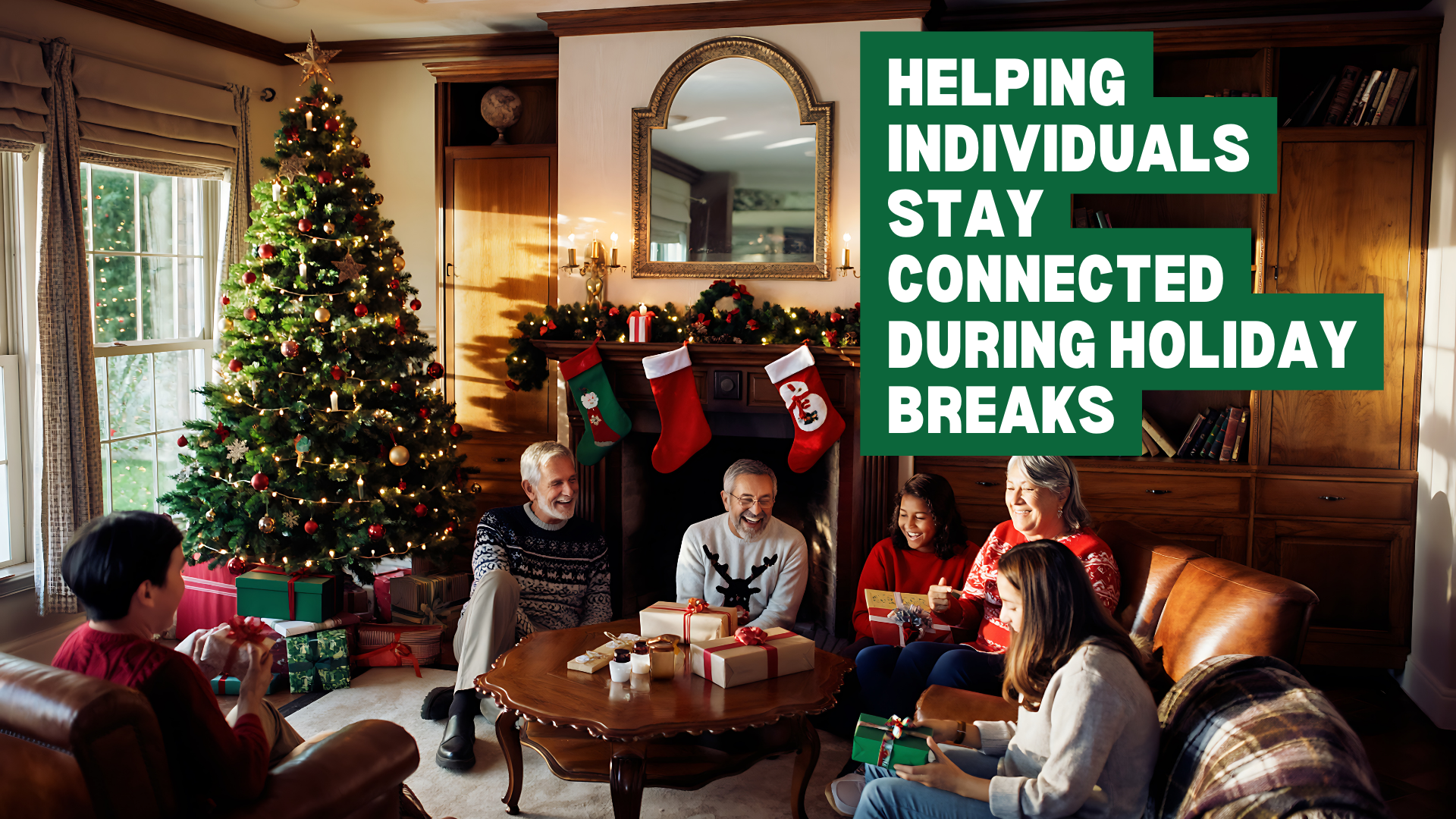
The holiday season is often filled with celebration, routine changes, and time away from familiar day programs or community activities. While these breaks can bring joy and rest, they can also create periods of isolation or disconnection for individuals with disabilities, especially when regular schedules pause or support systems shift. This post helps readers find easy ways to stay connected during holidays when that happens.
At Community Supports Network, we believe that meaningful connection is essential to emotional wellness. Staying socially engaged helps individuals feel grounded, included, and supported, even when routines look different. With a little planning and creativity, families, DSPs, and caregivers can help make holiday breaks a time of comfort, community, and positive experiences.
Below are simple, person-centered ideas to help individuals stay connected throughout the holiday season.
How To Stay Connected During Holidays
1. Keep Familiar Communication Routines Going
Even when schedules change, familiar communication patterns can provide stability. Encourage short check-ins with friends, family, or trusted staff through video calls, voice messages, or text prompts adapted to each person’s communication style. Consistency helps individuals maintain important relationships and feel connected to their support network.
2. Create a “Holiday Connection Plan”
Before a break begins, work with the individual to decide who they want to stay in touch with and how often. This might include weekly Zoom calls with a friend, a shared photo journal with family, or scheduled check-ins with staff. Planning ahead reduces anxiety and gives individuals something positive to look forward to.
3. Use Visual Schedules or Social Stories to Navigate Changes
Visual supports can help individuals understand what to expect during holiday breaks. A simple schedule with family gatherings, rest days, or outings can make changes feel more predictable. Social stories can explain holiday events, new environments, or visiting relatives in a calm, clear way that supports emotional regulation.
4. Create Shared Holiday Activities
Connection doesn’t always require being in the same place. DSPs and caregivers can help individuals participate in shared activities across distances—baking the same recipe on a video call, doing a craft “together,” listening to a favorite playlist, or exchanging photos of completed projects. These shared experiences help maintain a sense of togetherness.
5. Encourage Participation in Community Traditions
Local events—such as light displays, winter markets, accessible concerts, or library programs—offer opportunities for safe, meaningful social engagement. Attending familiar annual traditions or exploring new ones can bring joy, build skills, and strengthen community belonging.
6. Support Emotional Wellness Along the Way
Holiday breaks often bring sensory changes, loud environments, and breaks in routine. Check in regularly about how the individual is feeling. Offer calm spaces, sensory supports, or quiet alternatives when needed. Feeling emotionally supported helps individuals remain open to social interactions and new experiences.
Looking Ahead
Staying connected during holiday breaks is about more than filling time—it’s about fostering belonging, maintaining relationships, and creating positive, predictable moments. With thoughtful planning and person-centered support, individuals can experience the holiday season as a time of warmth, connection, and meaningful engagement.
Explore More Resources
To learn more about how CSN supports individuals and families throughout the year, visit our website to explore our programs, community services, and person-centered approaches to care.
When colder weather, snow, or early sunsets keep us inside, it’s helpful to have a set of sensory-friendly activities that support regulation, creativity, and engagement. For individuals with disabilities, sensory experiences can play an important role in emotional wellness, skill-building, and daily comfort—especially during the winter months when routines shift and outdoor time may be limited.
At Community Supports Network (CSN), we believe that meaningful learning can happen anywhere. Even simple indoor moments can become opportunities to explore new textures, movements, sounds, and calming strategies. Below are easy, budget-friendly sensory activities that DSPs, caregivers, and families can use on those long indoor days.
Easy Sensory Activities That You Can Do Any Day
1. Create a Calm Corner
Setting up a small sensory-friendly space can give individuals a place to reset when they feel overwhelmed or tired. Include items such as soft blankets, weighted lap pads, noise-reducing headphones, dim lighting, or a favorite fidget tool. Offering this quiet space teaches self-regulation by letting individuals choose when they need a break.
2. Try Simple Movement Breaks
Movement supports emotional regulation and can help release energy when outdoor play isn’t an option. Chair yoga, stretching routines, dance parties, balloon tapping, or following along with a movement video are all great options. Adapt activities to each person’s physical abilities and comfort.
3. Build Sensory Bins with Household Items
Sensory bins can be calming and engaging without requiring special supplies. Fill containers with rice, pasta, cotton balls, water beads, or even snow brought inside on winter days. Add spoons, cups, small toys, or textured objects. Sensory bins help support fine motor skills, exploration, and focus.
4. Explore Music and Sound Activities
Music can be grounding, energizing, or soothing depending on what the individual needs. Create simple rhythms with household objects, explore different genres together, or use soft background music to support relaxation. Singing, humming, or using basic instruments can also help regulate emotions.
5. Try Low-Pressure Creative Projects
Art can be an excellent sensory experience. Finger painting, coloring with different textures of crayons or markers, modeling clay, sticker scenes, or simple craft kits all offer opportunities for expression without pressure. The goal isn’t perfection—it’s exploration.
6. Use Baking as a Sensory Experience
Baking can be a great multi-sensory activity involving texture, smell, taste, and sequence-following. Stirring, pouring, kneading, and measuring provide natural opportunities for building motor skills and supporting independence. Keep tasks simple and accessible to each individual’s skill level.
Bringing It All Together
Indoor days don’t have to feel limiting. With a little creativity and flexibility, sensory-friendly activities can help individuals stay regulated, engaged, and connected. Whether the goal is calming, exploring, or simply having fun, these moments offer meaningful opportunities for growth and comfort during the winter months.
Looking for More Resources?
CSN is here to support individuals, families, and care teams with person-centered tools and programs designed to promote independence and meaningful daily living. Explore more of our services and resources on our website.
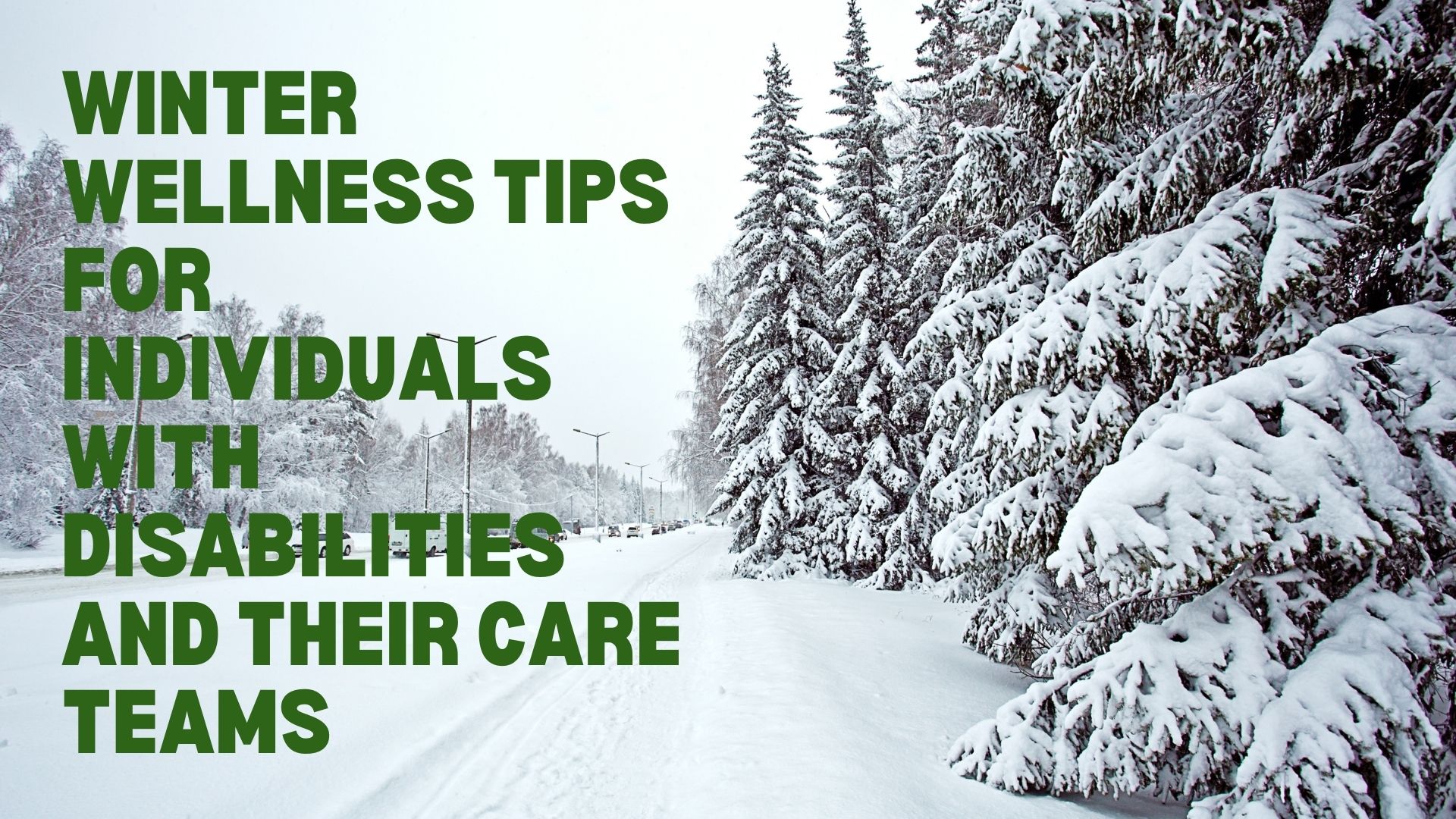
As temperatures drop and routines shift, winter can bring unique challenges for individuals with disabilities—and for the DSPs, caregivers, and families who support them. Cold weather, seasonal illnesses, sensory changes, and limited daylight can all impact comfort, health, and daily functioning. At Community Supports Network (CSN), we believe that thoughtful planning and compassionate support can help every person stay safe, healthy, and engaged through the winter months. Here are simple, practical strategies to make the season a little brighter for everyone.
1. Prioritize Illness Prevention
Winter often brings an increase in colds, flu, and respiratory infections. For individuals with health complexities, prevention is key. Encourage regular handwashing or provide hand-over-hand assistance when needed. Keep commonly touched surfaces clean in shared environments. Layer clothing appropriately to prevent unnecessary exposure to the cold, and collaborate with families or healthcare providers to understand specific health risks and recommended preventive measures. These small steps can make a meaningful difference.
2. Maintain Predictable Routines
Shorter days and holiday schedule changes can affect mood, sleep, and regulation. Keeping daily routines consistent helps individuals feel grounded and secure. Maintain typical wake-up, meal, and bedtime schedules whenever possible. Use visuals, reminders, or verbal cues to support predictability. If a routine must change, prepare the individual ahead of time with clear communication and reassurance. Consistency reduces stress and helps everyone feel more in control.
3. Support Sensory Needs in Winter Environments
Winter brings new sensory experiences—heavy coats, cold air, bright lights, crowded stores, and holiday sounds. These changes can be uncomfortable or overstimulating. Offer sensory supports such as weighted blankets, noise-reducing headphones, familiar comfort items, or warm layers that feel good against the skin. Choose lower-sensory environments for outings when possible, and build in quiet breaks during overstimulating activities. Remember that everyone is different: some may enjoy the sensory input of winter weather, while others may find it overwhelming.
4. Stay Active, Even Indoors
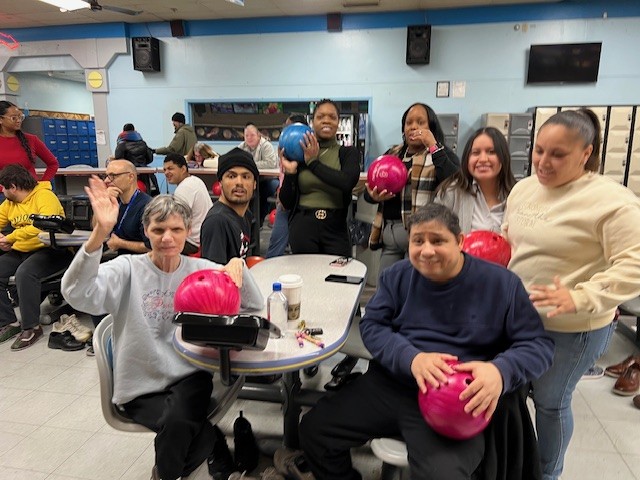
Movement is essential for emotional regulation, physical health, and overall well-being—especially during long winter days spent indoors. Explore accessible indoor activities such as chair yoga, stretching, simple exercise routines, dancing, sensory movement breaks, bowling, or indoor walking at local community centers or malls. When safe and preferred, brief time outdoors can also provide fresh air and a mood boost. Tailor activities to each individual’s abilities, interests, and comfort.
5. Monitor Emotional and Mental Wellness
Seasonal changes can impact mood, energy, motivation, and stress levels. DSPs and caregivers can help by checking in often and watching for signs of emotional overload, fatigue, or withdrawal. Encourage calming activities that promote regulation—music, art, baking, reading, or journaling. Support social connection, whether through community outings, virtual communication, or shared activities at home. A compassionate, person-centered approach ensures individuals feel understood and supported through the season.
Looking Ahead
Winter can be a challenging time, but with proactive planning, strong communication, and a focus on individual needs, it can also be a season of connection, creativity, and meaningful growth. By staying attentive to wellness and creating supportive environments, DSPs and caregivers play a critical role in helping individuals thrive — no matter the weather outside.
Explore More Resources
Want more tips, resources, or support for individuals with disabilities? Visit our website to explore CSN programs, community services, and person-centered supports designed to help every individual live a healthy, fulfilling life.
Provides direct support to those with intellectual and developmental disabilities.
May be required to offer verbal prompts with completion of ADL’s including but not limited to personal care tasks, including assistance with basic personal hygiene and grooming, feeding, and ambulation, medical monitoring, and health care related tasks.
Assists in being a positive role model for the client.
Ensures client safety and helps to maintain a safe environment.
Reminds and assists clients with self-administration of medications (with proper training).
Encourages self-help activities.
Reports changes in client’s condition or family situation to administrators and supervisors.
Documents all services provided in accordance with their NJISP outcomes.
Assists client in home management functions such as light housekeeping, laundry, bed making, and cleaning.
Assists in the planning of meals, shopping for groceries, preparing and serving food/meals, feeding and clean-up.
Transports and accompanies clients to scheduled appointments and to activities within the community.
Participates in the development and support of a Person-Centered Plan.
Work Schedule:
Our schedule favors a flexible workweek. Once clients are assigned, a DSP will maintain their work schedule in accordance with the demands and schedule as are mutually agreed upon at time of hire.
Direct Support Professional Qualifications / Skills:
Ability to work within the community or in a home-based setting.
Communication skills (verbally and written) with all levels of personnel, internal and external to the company.
Ability to handle physical aspects of job, including bending, stooping, lifting, as well as engaging in physical activities as are needed.
Above all, DSP’s should be patient and empathetic. Our best candidates display excellent communication and listening skills.
Education, Experience, and Licensing Requirements:
High School diploma, GED, or equivalent
20 years of age or older
Valid New Jersey driver’s license with fewer than 5 points in moving violations
Provides direct support to those with intellectual and developmental disabilities.
May be required to offer verbal prompts with completion of ADL’s including but not limited to personal care tasks, including assistance with basic personal hygiene and grooming, feeding, and ambulation, medical monitoring, and health care related tasks.
Assists in being a positive role model for the client.
Ensures client safety and helps to maintain a safe environment.
Reminds and assists clients with self-administration of medications (with proper training).
Encourages self-help activities.
Reports changes in client’s condition or family situation to administrators and supervisors.
Documents all services provided in accordance with their NJISP outcomes.
Assists client in home management functions such as light housekeeping, laundry, bed making, and cleaning.
Assists in the planning of meals, shopping for groceries, preparing and serving food/meals, feeding and clean-up.
Transports and accompanies clients to scheduled appointments and to activities within the community.
Participates in the development and support of a Person-Centered Plan.
Work Schedule:
Our schedule favors a flexible workweek. Once clients are assigned, a DSP will maintain their work schedule in accordance with the demands and schedule as are mutually agreed upon at time of hire.
Direct Support Professional Qualifications / Skills:
Ability to work within the community or in a home-based setting.
Communication skills (verbally and written) with all levels of personnel, internal and external to the company.
Ability to handle physical aspects of job, including bending, stooping, lifting, as well as engaging in physical activities as are needed.
Above all, DSP’s should be patient and empathetic. Our best candidates display excellent communication and listening skills.
Education, Experience, and Licensing Requirements:
High School diploma, GED, or equivalent
20 years of age or older
Valid New Jersey driver’s license with fewer than 5 points in moving violations
Provides direct support to those with intellectual and developmental disabilities.
May be required to offer verbal prompts with completion of ADL’s including but not limited to personal care tasks, including assistance with basic personal hygiene and grooming, feeding, and ambulation, medical monitoring, and health care related tasks.
Assists in being a positive role model for the client.
Ensures client safety and helps to maintain a safe environment.
Reminds and assists clients with self-administration of medications (with proper training).
Encourages self-help activities.
Reports changes in client’s condition or family situation to administrators and supervisors.
Documents all services provided in accordance with their NJISP outcomes.
Assists client in home management functions such as light housekeeping, laundry, bed making, and cleaning.
Assists in the planning of meals, shopping for groceries, preparing and serving food/meals, feeding and clean-up.
Transports and accompanies clients to scheduled appointments and to activities within the community.
Participates in the development and support of a Person-Centered Plan.
Work Schedule:
Our schedule favors a flexible workweek. Once clients are assigned, a DSP will maintain their work schedule in accordance with the demands and schedule as are mutually agreed upon at time of hire.
Direct Support Professional Qualifications / Skills:
Ability to work within the community or in a home-based setting.
Communication skills (verbally and written) with all levels of personnel, internal and external to the company.
Ability to handle physical aspects of job, including bending, stooping, lifting, as well as engaging in physical activities as are needed.
Above all, DSP’s should be patient and empathetic. Our best candidates display excellent communication and listening skills.
Education, Experience, and Licensing Requirements:
High School diploma, GED, or equivalent
20 years of age or older
Valid New Jersey driver’s license with fewer than 5 points in moving violations
Provides direct support to those with intellectual and developmental disabilities.
May be required to offer verbal prompts with completion of ADL’s including but not limited to personal care tasks, including assistance with basic personal hygiene and grooming, feeding, and ambulation, medical monitoring, and health care related tasks.
Assists in being a positive role model for the client.
Ensures client safety and helps to maintain a safe environment.
Reminds and assists clients with self-administration of medications (with proper training).
Encourages self-help activities.
Reports changes in client’s condition or family situation to administrators and supervisors.
Documents all services provided in accordance with their NJISP outcomes.
Assists client in home management functions such as light housekeeping, laundry, bed making, and cleaning.
Assists in the planning of meals, shopping for groceries, preparing and serving food/meals, feeding and clean-up.
Transports and accompanies clients to scheduled appointments and to activities within the community.
Participates in the development and support of a Person-Centered Plan.
Work Schedule:
Our schedule favors a flexible workweek. Once clients are assigned, a DSP will maintain their work schedule in accordance with the demands and schedule as are mutually agreed upon at time of hire.
Direct Support Professional Qualifications / Skills:
Ability to work within the community or in a home-based setting.
Communication skills (verbally and written) with all levels of personnel, internal and external to the company.
Ability to handle physical aspects of job, including bending, stooping, lifting, as well as engaging in physical activities as are needed.
Above all, DSP’s should be patient and empathetic. Our best candidates display excellent communication and listening skills.
Education, Experience, and Licensing Requirements:
High School diploma, GED, or equivalent
20 years of age or older
Valid New Jersey driver’s license with fewer than 5 points in moving violations
Provides direct support to those with intellectual and developmental disabilities.
May be required to offer verbal prompts with completion of ADL’s including but not limited to personal care tasks, including assistance with basic personal hygiene and grooming, feeding, and ambulation, medical monitoring, and health care related tasks.
Assists in being a positive role model for the client.
Ensures client safety and helps to maintain a safe environment.
Reminds and assists clients with self-administration of medications (with proper training).
Encourages self-help activities.
Reports changes in client’s condition or family situation to administrators and supervisors.
Documents all services provided in accordance with their NJISP outcomes.
Assists client in home management functions such as light housekeeping, laundry, bed making, and cleaning.
Assists in the planning of meals, shopping for groceries, preparing and serving food/meals, feeding and clean-up.
Transports and accompanies clients to scheduled appointments and to activities within the community.
Participates in the development and support of a Person-Centered Plan.
Work Schedule:
Our schedule favors a flexible workweek. Once clients are assigned, a DSP will maintain their work schedule in accordance with the demands and schedule as are mutually agreed upon at time of hire.
Direct Support Professional Qualifications / Skills:
Ability to work within the community or in a home-based setting.
Communication skills (verbally and written) with all levels of personnel, internal and external to the company.
Ability to handle physical aspects of job, including bending, stooping, lifting, as well as engaging in physical activities as are needed.
Above all, DSP’s should be patient and empathetic. Our best candidates display excellent communication and listening skills.
Education, Experience, and Licensing Requirements:
High School diploma, GED, or equivalent
20 years of age or older
Valid New Jersey driver’s license with fewer than 5 points in moving violations
Zones (Areas): Essex County, Bergen County, Passaic County, and Morris County, NJ
Job Responsibilities:
Develop effective job coaching and employment plans in accordance with the state requirements.
Communicate with individuals to understand their goals and ambitions.
Assist individuals with disabilities to discover and overcome their personal barriers.
Seek job leads in accordance with the individual’s skills and interests.
Assess the strengths of individuals and teach them to use them effectively.
Guide individuals in learning to complete job tasks.
Develop community employer relationships to achieve job placement goals.
Provide coaching in effective job search techniques.
Assist people with disabilities in developing social and life skills.
Advise individuals on workplace accommodations for people with disabilities.
Monitor and evaluate the progress of assigned individuals.
Keep records and documentation and prepare appropriate reports.
Communicate with stakeholders, Vocational Rehabilitation Counselors, and employers.
Work Schedule:
The schedule of the employment specialist requires that candidates be both flexible and autonomous. An ability to self-direct service activities with individuals while managing a changing and evolving caseload is important.
Employment Specialist Professional Qualifications / Skills:
High School diploma, GED, or equivalent
Experience working with individuals with I/DD
Boggs Center Employment Specialist Foundations Certification preferred, but not mandatory to apply