
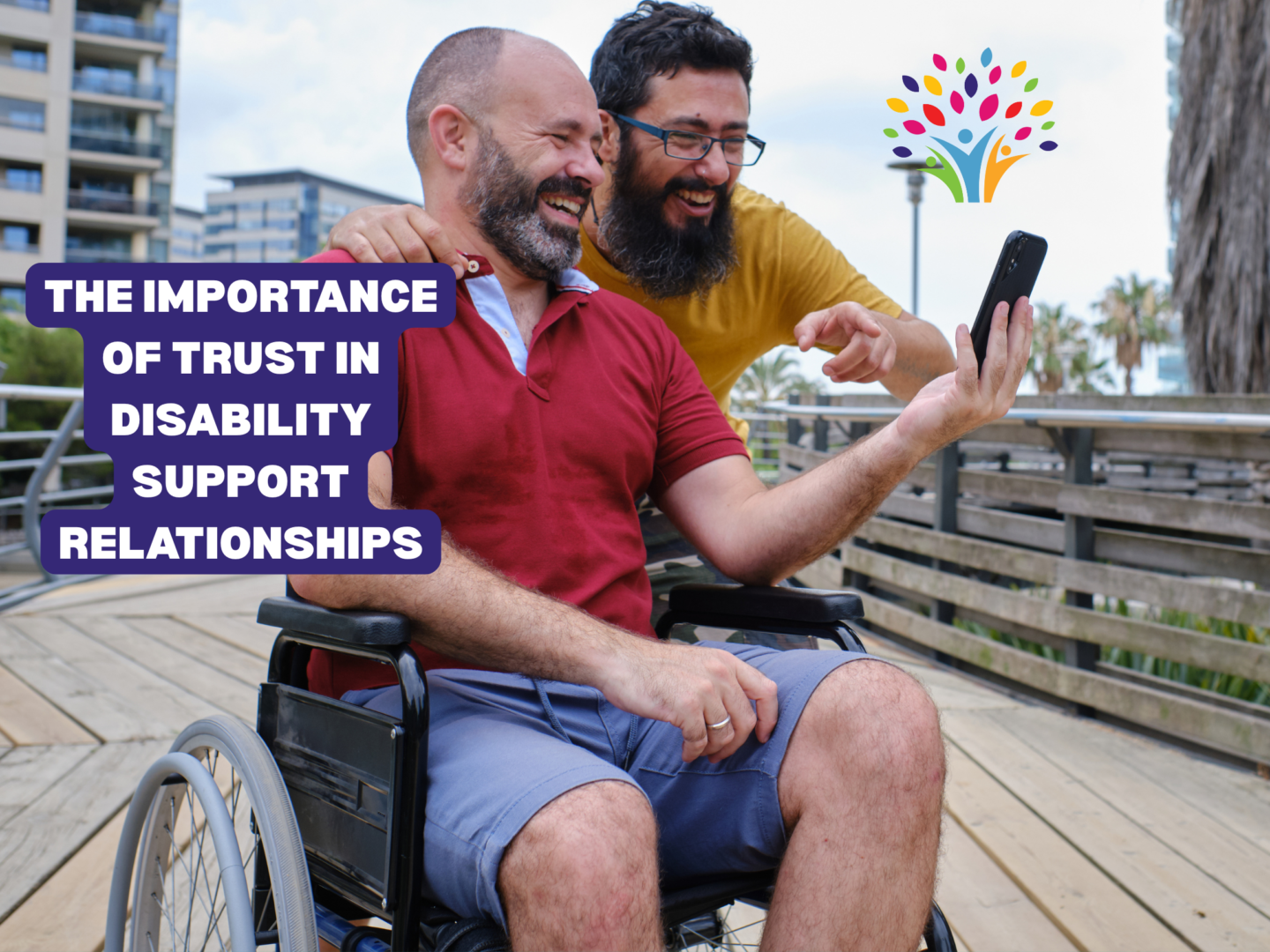
At the heart of effective disability support is one essential element: trust.
Trust is what allows individuals to feel safe, heard, and respected. It’s what turns support from a service into a relationship — and what makes growth, independence, and connection possible over time.
At Community Supports Network, we see every day how trust shapes outcomes for individuals, families, and Direct Support Professionals alike. Without trust, support feels transactional. With trust, it becomes empowering.
Trust Creates a Sense of Safety
For many individuals with disabilities, the world can feel unpredictable or overwhelming. Changes in routine, unfamiliar environments, or new people can create anxiety and stress.
Trust helps reduce that uncertainty.
When individuals know that the people supporting them are consistent, respectful, and reliable, their nervous systems can relax. Feeling safe allows individuals to engage more fully in daily life — whether that’s trying a new activity, expressing a preference, or navigating the community.
Safety isn’t just physical. It’s emotional. And trust is what builds it.
Trust Is Built in Everyday Moments
Trust isn’t created through big gestures. It’s built quietly, through consistency and follow-through.
It looks like:
- Showing up when you say you will
- Listening without judgment
- Respecting boundaries and preferences
- Explaining changes instead of surprising someone
- Following through on commitments
These small, repeated actions send a powerful message: You matter. You can count on me.
Over time, these moments add up to strong, meaningful relationships.
Trust Supports Communication and Self-Advocacy
When trust is present, communication becomes easier and more honest.
Individuals are more likely to:
- Express their needs and preferences
- Ask for help when they need it
- Share concerns or discomfort
- Advocate for themselves
Trust gives people confidence that their voice will be heard and respected. This is especially important for individuals who communicate in nontraditional ways or who have previously felt ignored or misunderstood.
At CSN, we believe that supporting communication — in all its forms — is a key part of building trust and honoring self-determination.
Trust Allows for Growth and Independence
Growth requires vulnerability.
Trying something new, making a decision, or taking on more responsibility can feel risky. Trust provides the foundation that makes those risks feel manageable.
When individuals trust their support team, they are more willing to:
- Practice new skills
- Take healthy risks
- Learn from mistakes
- Build confidence over time
Trust doesn’t eliminate challenges — but it makes navigating them feel safer and more supported.
The Role of Direct Support Professionals
Direct Support Professionals play a critical role in building and maintaining trust.
DSPs are often among the most consistent people in an individual’s life outside of family. Their presence, attitude, and approach matter deeply. By leading with respect, patience, and empathy, DSPs help create relationships rooted in dignity and partnership.
Trust grows when DSPs take the time to understand the individual — not just their support needs, but their personality, preferences, and goals.
Trust Benefits Everyone
It doesn’t just support individuals — trust strengthens families and teams as well.
Families feel more confident when they trust the people supporting their loved ones. Teams work more effectively when communication is open and respectful. Services become more consistent, responsive, and person-centered.
When trust is prioritized, everyone benefits.
Building Trust Takes Time — and That’s Okay
Trust isn’t instant. It develops over time through patience, consistency, and care.
At Community Supports Network, we understand that strong relationships are built gradually. We prioritize stability, thoughtful communication, and person-centered practices because we know that trust is the foundation of meaningful support.
When trust is present, individuals feel safer, more confident, and more empowered to live lives that reflect who they are — and who they want to be.
EDITOR’S NOTE: Does trust matter to you in your job? Do you believe in the power of building trust when working? If so, you may wish to consider working as a DSP with us! For more information, please visit our careers page for current job openings.